REVIEW · KARLOVY VARY
Karlovy Vary & Marianske Lazne Tour from Prague with Lunch
Book on GetYourGuide →Operated by Gray Line Czech Republic · Bookable on GetYourGuide
Two spa towns in one long day. Karlovy Vary and Mariánské Lázně give you the Czech spa experience, plus glass-and-porcelain shopping that feels tied to real workshops, not just souvenirs. The day is built around a guided walk through classic colonnades, a chance to sample spring waters, and two stops that explain why Czech glass and china have such a loyal following.
I love the structure of this outing: you get a guided look at Karlovy Vary’s famous 12 springs and the Neo-Renaissance colonnades along the Teplá River, then you step into the world behind the products at the Moser Museum. I also like that the tour doesn’t treat lunch as an afterthought—you’re eating as the day naturally pivots toward the second spa town. One possible drawback: it’s a full 10-hour loop with shopping time, so if you want a slow, ultra-deep factory experience or lots of porcelain context, you may wish you had more time in each place.
In This Review
- Key highlights I’d circle first
- Road Trip From Prague: 10 Hours, Two Spa Towns
- Karlovy Vary Along the Teplá River and Neo-Renaissance Colonnades
- The 12 Famous Springs: Vridlo and Mineral-Water Tastings
- Moser Glass: Shop Time Plus a Real Museum Tour
- Thun Porcelain Stop: Worth It if You Like the Details
- Mariánské Lázně After Lunch: Cross Spring and Ancient Colonnades
- Price and What You’re Really Paying For at About $105
- Who This Tour Fits Best (and Who Might Prefer Another Plan)
- Tips to Make the Day Feel Smooth
- Should You Book This Karlovy Vary and Mariánské Lázně Tour?
- FAQ
- How long is the tour?
- What is included in the price?
- Is hotel pickup and drop-off included?
- Which cities does the tour visit?
- What languages is the tour offered in?
- What should I bring?
Key highlights I’d circle first
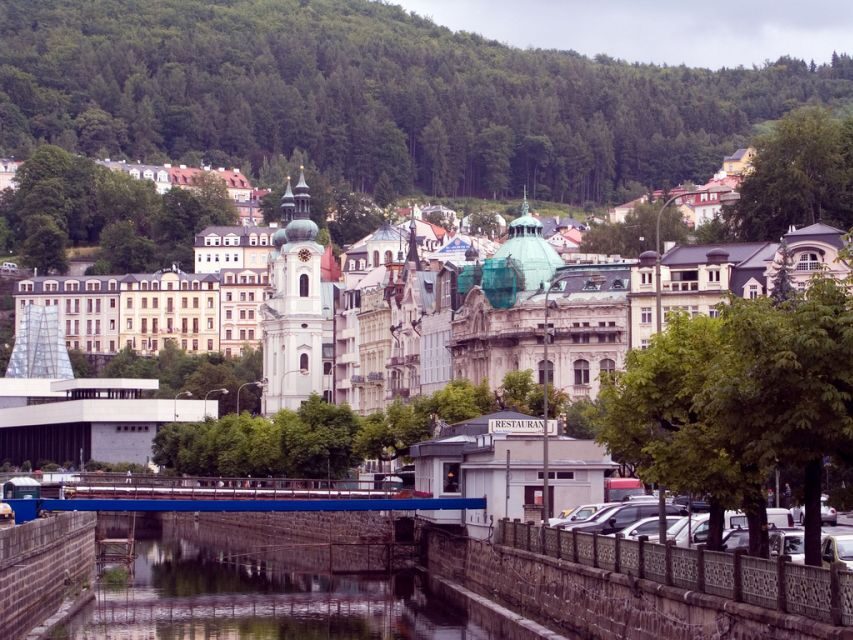
- Karlovy Vary, Czech spa flagship: Guided time in the most well-known spa town in the country.
- Vridlo and the 40–72°C spring lineup: You learn what the springs are, then you sample mineral waters.
- Moser Glass Shop plus Moser Glass Factory Museum: See the glass brand and then tour the museum tied to the factory.
- Thun Porcelain stop: A dedicated window into another classic Czech craft.
- Mariánské Lázně, Cross Spring, and colonnades: Another spa setting with historic architecture and water sampling.
Road Trip From Prague: 10 Hours, Two Spa Towns
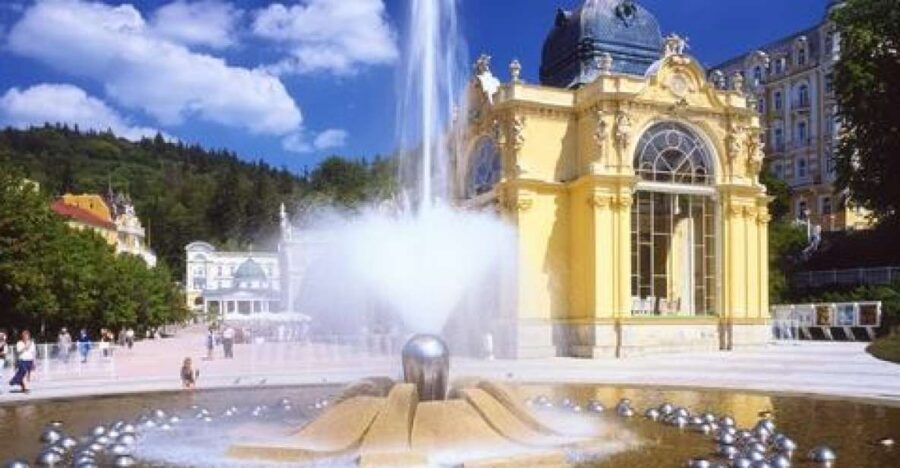
This is a long day trip from Prague—about 2 hours each way to the Karlovy Vary region—so it’s best if you’re okay with being on the road and using the bus time to reset between stops. The payoff is that you don’t just “see” one spa town. You get the famous Karlovy Vary experience first, then you shift gears to Mariánské Lázně after lunch, when your legs can use a second change of scenery.
The tour runs about 10 hours, so timing matters. Expect a schedule that balances guided walking with transport between cities, plus the in-town stops at glass and porcelain shops. The lunch is included, but the rest of your day is still very much a classic guided day tour: you’ll be following a route and sticking close to the group.
Value-wise, the inclusion of an expert guide, lunch, and the entrance fee to the Moser Glass Factory Museum helps justify the price. You’re paying not only for transportation, but for the “why” behind the places—especially around the springs and the glass craft.
One practical note: no hotel pickup is included. You’ll want to plan how you’ll get to the meeting point on your own.
A few more Karlovy Vary tours and experiences worth a look
Karlovy Vary Along the Teplá River and Neo-Renaissance Colonnades
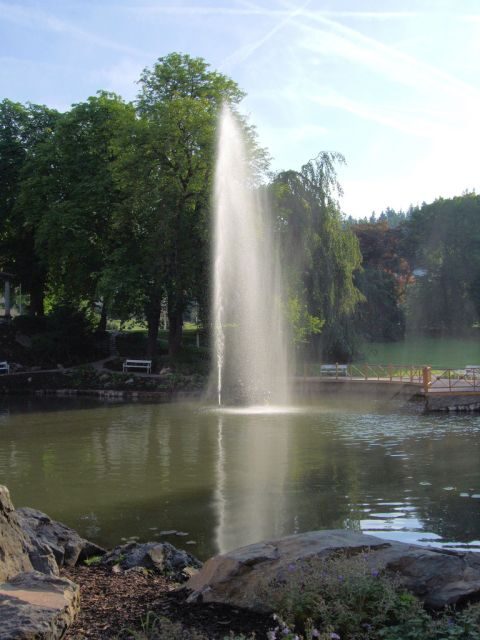
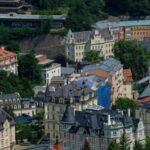
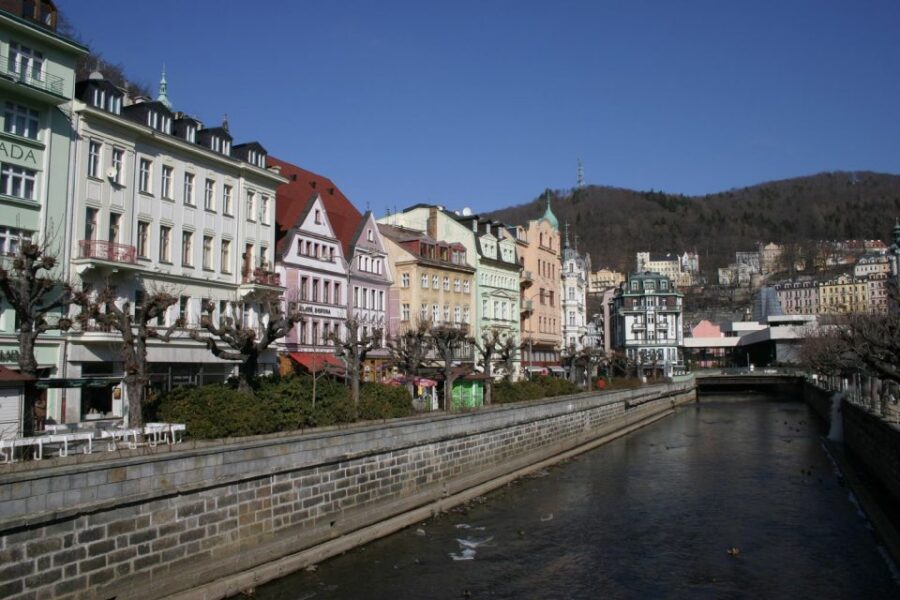
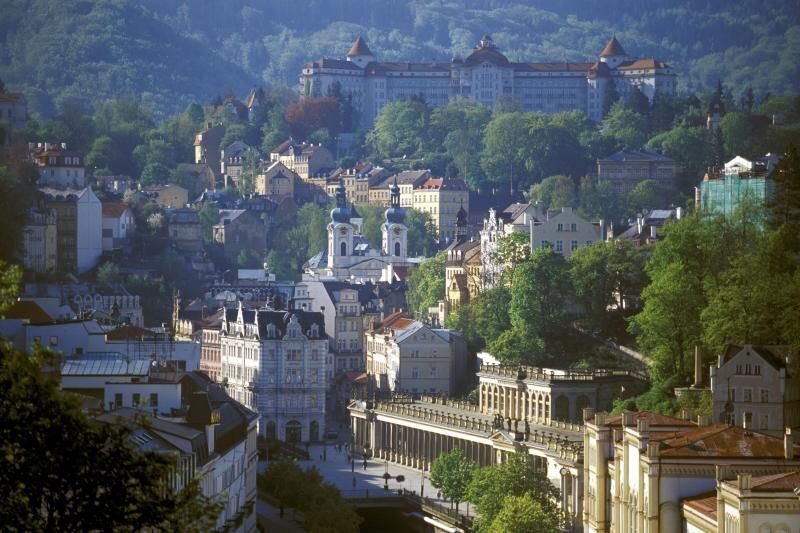
Karlovy Vary is easy to recognize once you arrive. The town’s spa character isn’t hidden—it’s built into the architecture and the walking paths, with the Teplá River acting like a spine through the center. You’ll get a guided walkthrough that helps you understand how the spa zones connect, instead of wandering and guessing.
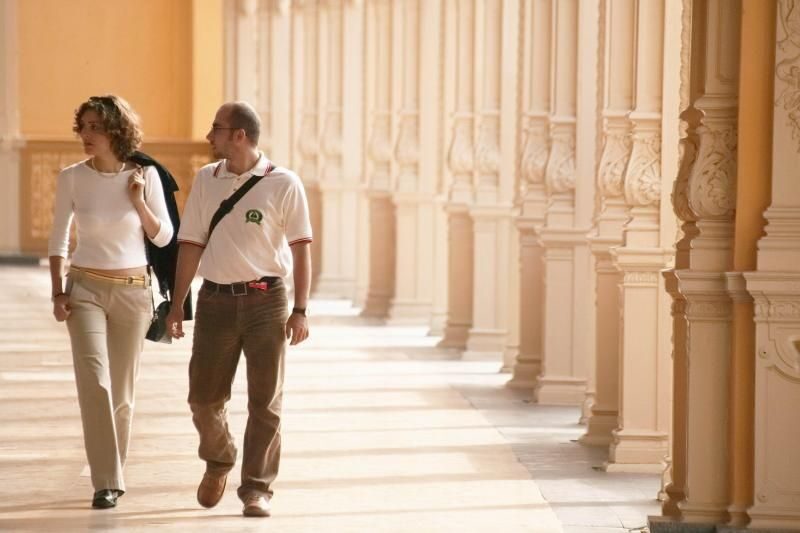
A key detail I appreciate here is the emphasis on the springs and the colonnades as the main “map.” You’re not just looking at pretty buildings. You’re learning the idea of the spa: the waters come from the springs, and the colonnades are where people gather, drink, and socialize. The tour’s focus on the Neo-Renaissance colonnades gives you context for why the town feels elegant, not clinical.
The town’s origins also get placed in context: Karlovy Vary is linked to Emperor Charles IV, who is associated with a hunting lodge here dating back to 1358. Even if you don’t go full medieval-history mode, it helps you see why the spa tradition became so central for so long.
Also, this is a walking day within Karlovy Vary. Wear comfortable shoes. Cobblestones and uneven sidewalks can slow you down if you’re in soft, worn-out footwear.
The 12 Famous Springs: Vridlo and Mineral-Water Tastings
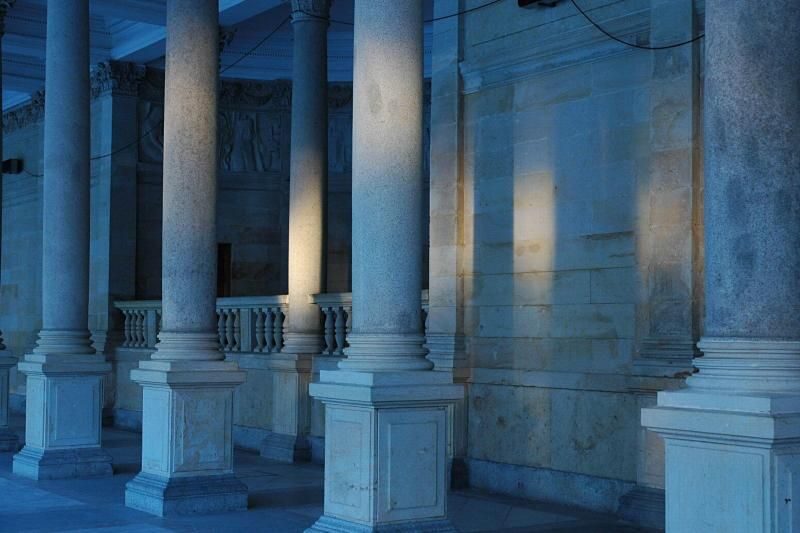
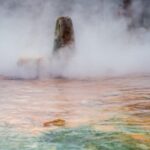
The signature part of the Karlovy Vary visit is the spring story—there are 12 famous springs, and they come with different temperatures ranging from 40°C to 72°C. That temperature range is one of those details that makes the whole town feel real, not staged. Hot springs aren’t just a gimmick; they’re the physical reason this town works the way it does.
You’ll learn about the springs while walking, and you’ll also see Vridlo, which is the most famous. This matters because Vridlo is often where first-time visitors focus, but the guided approach helps you understand that Vridlo isn’t the only point of interest. The tour connects the springs to the colonnade route, so you’re not just standing around reading signs.
Then comes the part you can actually experience: samples of different mineral waters. This is where a guided tour pays off. Even if you don’t know what to taste, you’ll get practical guidance on what you’re tasting and why different springs matter. And if you do want to buy water or souvenirs, this is the moment when you’ll feel “in the flow” and more likely to choose wisely.
One tip: taste sampling can be fun, but it also means you’ll probably want water and maybe something light for your stomach later. If you know you’re sensitive to strong flavors, pace yourself.
Moser Glass: Shop Time Plus a Real Museum Tour
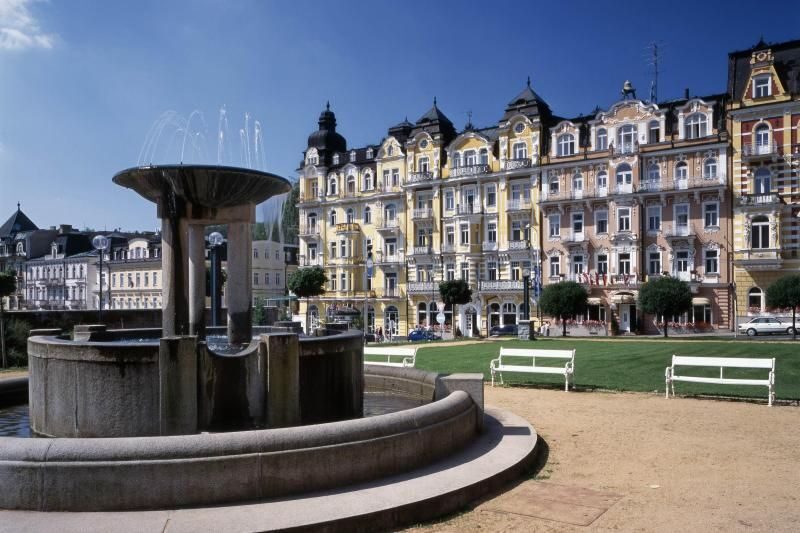
If you care about Czech glass as more than a pretty souvenir, the Moser stop is one of the strongest parts of the day. You’ll visit the Moser Glass Shop and also enjoy a guided tour of the Moser Glass Factory Museum, with the entrance fee included.
What I like about this pairing (shop + museum) is that it answers two different questions. The shop gives you scale: you see what’s available to purchase and what the brand looks like when it’s sold today. The museum tour gives you the background you’d normally have to seek out on your own.
In practical terms, you’ll likely come away with a better sense of what makes Moser Moser—design choices, production context, and the idea that this is tied to a real facility, not just a storefront window. Some guides have been praised for strong explanations and humor, including examples like Peter for keeping the tone light and Victor for being especially effective at guiding visitors through what they’re seeing.
Still, here’s the fair warning: if you already saw a lot of Moser-related glass in Prague, the museum portion may feel less “brand new” than you’d hoped. The best way to think about it is this: you’re buying context more than you’re buying novelty.
Thun Porcelain Stop: Worth It if You Like the Details
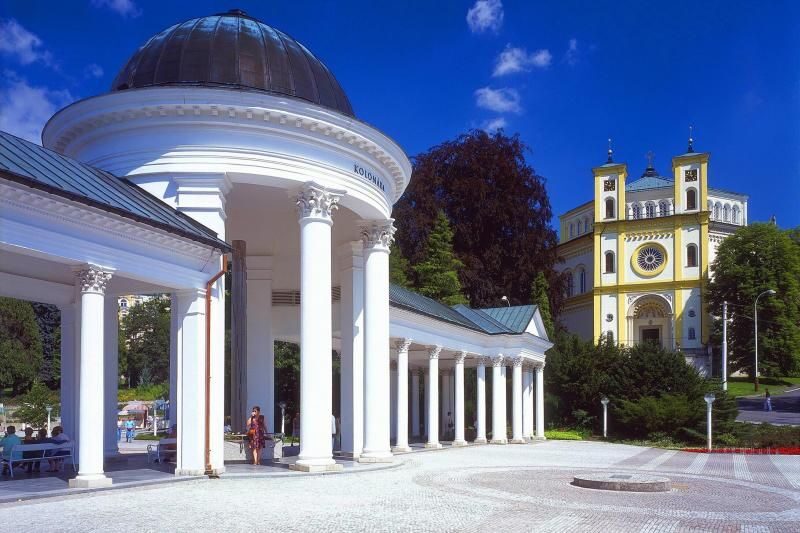
After the Karlovy Vary spa walk and your glass time, you’ll stop at the Thun Porcelain Shop. Thun is another classic name in Czech collectibles, and the shop stop gives you a chance to see the styles up close—pieces you might otherwise only recognize in gift shops back home.
This stop can be a win, especially if you enjoy looking at patterns, shapes, and how porcelain is displayed. It’s also a relatively easy add-on in the schedule because you’re already in the right “shopping zone” style of Karlovy Vary.
But there’s a drawback to manage: this is not positioned as a deep porcelain lecture. On a negative note, some visitors felt they wanted more connection between what they saw and the broader craft story. If you’re the type who likes a lot of interpretive context—why certain designs exist, how styles evolved—then treat Thun as a browsing stop, not the main educational event.
If you do want to buy, don’t rush. The tour includes time for mineral-water tasting and souvenirs, so you’ll likely have a natural window to compare pieces. Just keep an eye on how much you’re carrying as the day continues toward Mariánské Lázně.

Mariánské Lázně After Lunch: Cross Spring and Ancient Colonnades
After lunch, the tour heads to Mariánské Lázně, a second major Czech spa town with its own character and its own historic “spa geometry.” You’ll get a spa tour that focuses on unique historical architecture and then moves into the spring experience again.
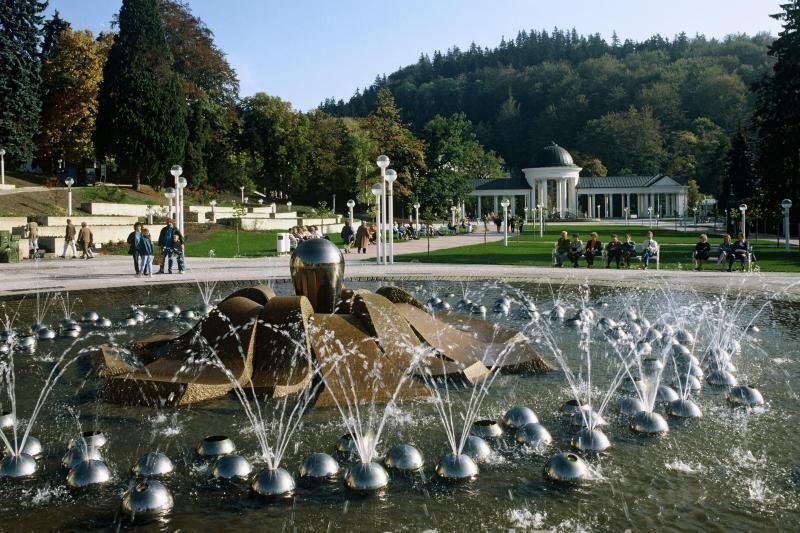
The star mentioned here is the Cross Spring, where you’ll sample spa waters. This is the second time you’ll be tasting mineral waters that come from a named source, and it’s a good reminder that each spa town has its own identity. The waters aren’t just the same idea repeated.
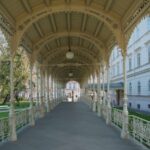
Then you’ll finish with time at the ancient colonnades. That ending matters because it gives you one last chance to see how the town functions as a place of walking, gathering, and lingering. In Karlovy Vary, the Neo-Renaissance vibe frames the experience. In Mariánské Lázně, the emphasis shifts toward older colonnade character.
One practical takeaway: because it’s a full-day schedule, you’ll want to pace yourself with water tasting here too. You’ll be tired later, and it’s easier to enjoy the final colonnade walk if you’re not rushing your last sips.
Price and What You’re Really Paying For at About $105
At around $105 per person, this tour sits in the “full-day guided value” category. You’re not just paying for a bus to two towns. You’re paying for a guided experience that includes:
- Expert guide
- Lunch
- Entrance fee to the Moser Glass Factory Museum
That package is what makes the price feel more reasonable. If you tried to stitch this day together on your own, you’d likely spend money on transportation, entry fees, and then still need the kind of interpretive help that tells you which springs matter and what you’re looking at in the glass and porcelain stops.
The one thing to keep in mind is that the day is structured around guided stops and timed browsing. If you’re hoping for a slower pace with lots of free wandering, this won’t feel like that. You’ll get time, but it’s not a “take your time forever” day.
Also, the price assumes you’re fine starting from the meeting point rather than expecting hotel pickup. With no hotel pickup/drop-off, you’ll want to factor your own local transport costs and time into the true price.
Who This Tour Fits Best (and Who Might Prefer Another Plan)
This tour is a great match if you want a high-utility day: you love spa towns, you like the idea of tasting mineral waters, and you’re curious about Czech craft brands like Moser and Thun. It also suits travelers who want the guidance to make sense of the springs and colonnades instead of just taking photos.
It may be less ideal if you’re very strict about educational depth. Some people want a more behind-the-scenes, stop-by-stop interpretation at both glass and porcelain. Others are sensitive to pacing—one negative experience noted that the driver felt too fast and the trip could feel less comfortable. For you, the key is to decide what matters more: the two-town sweep and the bundled museum/shop experience, or a slower, more specialized trip.
If you’re traveling with friends who have different interests (one wants spa, one wants glass), this is an easy compromise. If you’re solo and you enjoy structured days with a good guide, it can also be a good way to get “the highlights” without organizing everything yourself.
Tips to Make the Day Feel Smooth
Here’s how to get the most out of this kind of day trip without it feeling like a sprint.
Wear comfortable shoes. You’ll walk through colonnade areas and spa centers, and you don’t want sore feet taking over by the time you reach Mariánské Lázně. Also, keep your schedule-brain on: it’s a 10-hour day with multiple changes of scenery.
When you reach the springs and water tasting, pace yourself. Take small samples early, then decide later if you want to revisit flavors you liked. That approach keeps you from feeling overwhelmed halfway through the day.
For the glass and porcelain stops, treat them as look-and-compare opportunities. If you want to buy, give yourself time to compare pieces before you commit. You’ll likely be tempted to buy something fast at the first “wow” display.
Finally, since guides can make a big difference, look for positive vibes. Some guides—like Peter—have been praised for humor and competence, while others—like Victor—have been noted for excellent guiding. That’s a reminder: even with the same itinerary, the human factor changes how much you enjoy the explanations.
Should You Book This Karlovy Vary and Mariánské Lázně Tour?
I’d book this if you want a classic Czech spa day that pairs two famous spa towns with craft stops tied to real brands, and you’re happy with guided structure. It’s especially worth it if you care about understanding the springs and you want an included museum entrance at Moser instead of figuring it out yourself.
I’d think twice if you’re mainly after porcelain or you expect a very deep, hands-on factory-style experience beyond what a museum tour and shop browsing can provide. This is a balanced day, but it does blend education with shopping time, so your enjoyment will depend on whether that blend matches your travel style.
If you’re flexible, wear good shoes, and come ready to taste and browse a bit, you should have a memorable day.
FAQ
How long is the tour?
The tour lasts about 10 hours.
What is included in the price?
It includes an expert guide, entrance to the Moser Glass Factory Museum, and lunch.
Is hotel pickup and drop-off included?
No, hotel pickup and drop-off are not included.
Which cities does the tour visit?
You visit Karlovy Vary and then Mariánské Lázně.
What languages is the tour offered in?
The tour is available in English, French, German, Italian, Russian, and Spanish.
What should I bring?
Bring comfortable shoes, since there will be walking during the tours. Pets are not allowed.