REVIEW · CHARLES BRIDGE MUSEUM
Prague: Charles Bridge Museum Entry Ticket
Book on GetYourGuide →Operated by Pražské Benátky s.r.o. · Bookable on GetYourGuide
A bridge you can study up close. The Charles Bridge Museum entry ticket in Prague turns what you see on the street into something you can actually understand—especially with a huge Gothic construction model and clear explanations of how the bridge changed over time. I like that it shows the bridge not just as a postcard, but as a real building project with workers and machinery you can count. I also like that it helps you picture Old Town Prague in the Middle Ages. The one caution: the museum can feel more self-paced than guided, so don’t expect lots of live, step-by-step interpretation.
You’ll be learning in a Baroque building tied to the Military Order of the Crusaders of the Red Star, founded by Saint Agnes of Bohemia in 1252. If your ticket includes the optional boat add-on mentioned with this experience, you can pair the museum with an easy one-hour Vltava cruise that gives context fast. And if something changes on the day (like special events), entry may not work as planned—so keep some flexibility.
In This Review
- Key points to know before you go
- Price and value: what $10 buys you in Prague
- Finding the museum: the Baroque setting tied to Saint Agnes
- The main event: the world-scale Gothic construction model
- Charles Bridge over time: construction, changing status, and repairs
- Seeing Old Town Prague as it may have looked in the Middle Ages
- Best pairing: the one-hour Vltava cruise with headset audio
- A simple game plan for your day (no stress required)
- What to expect from the experience (guided or not?)
- Who this is best for (and who should think twice)
- Should you book the Prague Charles Bridge Museum entry ticket?
- FAQ
- How long should I plan for the Charles Bridge Museum?
- Is there a guide in the museum?
- Does the ticket include a boat trip on the Vltava?
- What are the main exhibits inside the museum?
- Where is the museum located?
- What languages are available?
Key points to know before you go
- Largest detailed Gothic model of Charles Bridge’s construction, built to be seen and studied
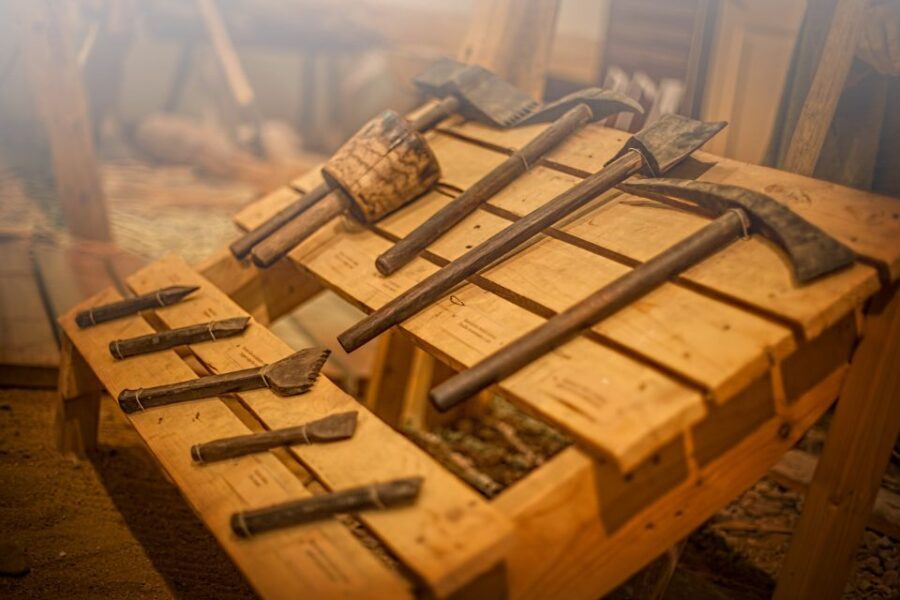
- Hundreds of worker figurines that make medieval building look concrete, not abstract
- Dozens of machinery models showing how construction could be planned and executed
- Bridge history through time, including medieval construction, status changes, and more recent repairs
- A short museum visit (often about 30–45 minutes) that fits busy Prague days
- Headset audio on a one-hour Vltava cruise, if your ticket includes the cruise option
Price and value: what $10 buys you in Prague
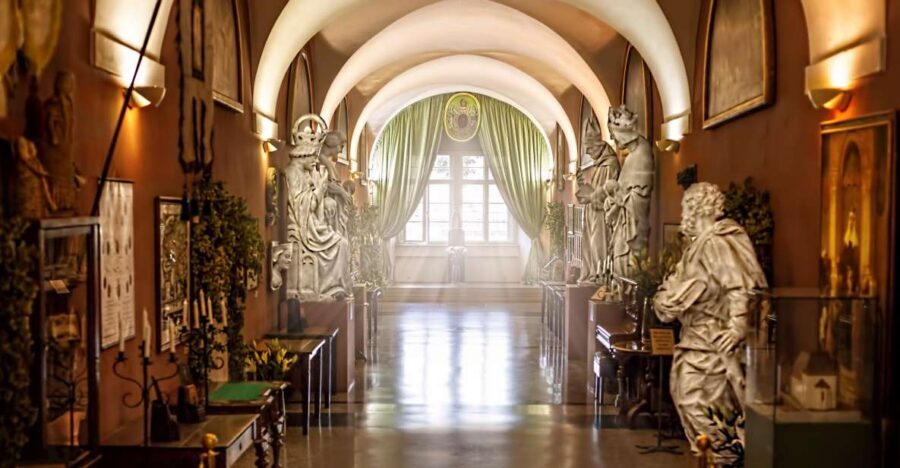
At around $10 per person, this ticket is priced for a practical visit—not a long-day commitment, not a heavy production. You’re paying for direct access to the Charles Bridge Museum’s exhibits, and you get the biggest learning payoff if you want to understand the bridge before (or after) wandering it in real life.
Here’s the value angle that mattered most to me: the exhibits aren’t only about dates. They’re about how a major Gothic bridge could be constructed, and they do that with the kind of visual detail that’s hard to recreate from photos. If your ticket includes the Vltava cruise add-on described with this experience, that can make the whole outing feel even more complete for the money.
The only reason I’d hesitate is simple: if you want a museum visit with lots of human guidance, you might find the experience too quiet and self-directed. One review specifically flagged that there wasn’t a guide and that explanations were limited.
Finding the museum: the Baroque setting tied to Saint Agnes
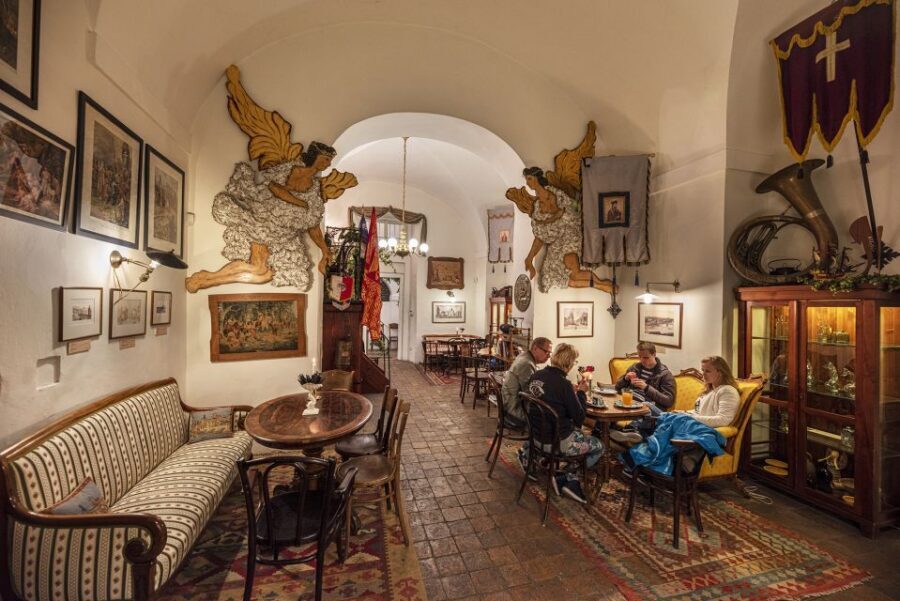
The Charles Bridge Museum is housed in a Baroque building connected to the Military Order of the Crusaders of the Red Star. The order was established by Saint Agnes of Bohemia in 1252, and that connection gives the whole place an extra layer beyond the exhibits.
Why this matters for your visit: it changes the feel. You’re not popping into a modern room with generic displays. You’re learning in a building that’s part of the same long Prague story of orders, construction, and civic life. Even if you only spend a short time inside, the setting helps you slow down and focus on what you’re seeing.
When you arrive, keep your expectations realistic: this is an entry ticket experience. You’ll be on your own for the museum part, then you can add on other elements if your ticket includes them.
The main event: the world-scale Gothic construction model
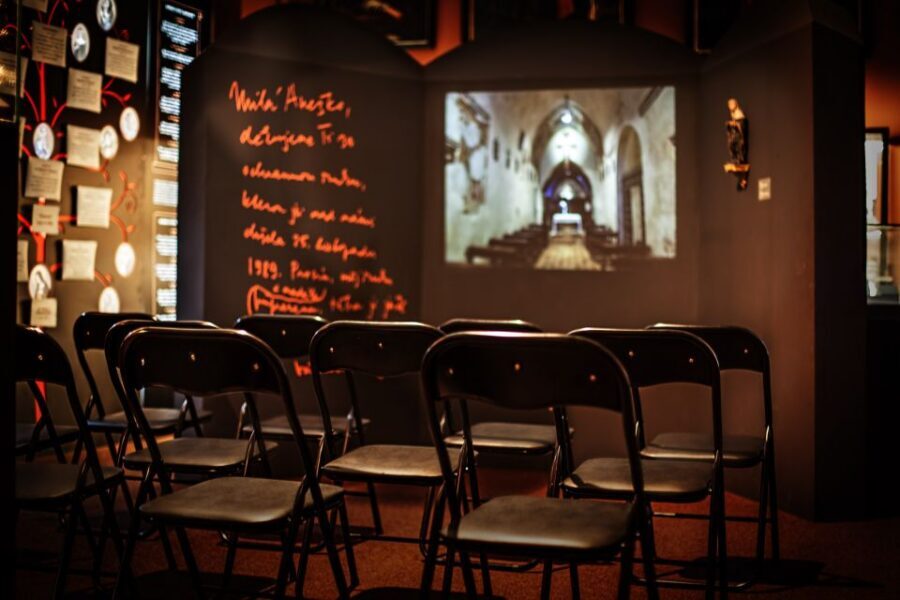
The headline attraction is the museum’s enormous model of Charles Bridge’s Gothic construction. It’s described as the largest and most detailed model of the bridge’s construction, and the point is not just size—it’s information density.
What you’ll notice right away is the scale and the mechanics. The model includes hundreds of figurines of workers on the bridge and dozens of miniatures showing machinery used during construction. That’s the sort of detail that helps you understand how a bridge is more than stone arches. It’s planning, labor, and a lot of moving parts working together.
So what do you actually learn from looking at it?
- You get a visual sense of who was doing the work and how the bridge was staged.
- You can follow construction logic more easily than you can from a couple of paragraphs or a single plaque.
- You can connect what you see in the model to what you see on Charles Bridge in person: the bridge as a living project, not a finished statue.
This is also where the museum earns its keep for casual visitors. If you only have a small window of time, this model gives you the highest “wow-to-effort” ratio.
Charles Bridge over time: construction, changing status, and repairs
Another strong part of the museum is that it doesn’t treat Charles Bridge like it arrived fully formed. The exhibits explain medieval construction and then cover the bridge’s status through history—so you understand that famous landmarks can face changes, challenges, and ongoing maintenance.
You also learn about more recent repairs. That’s a useful counterpoint to the “it’s ancient, it’s untouched” myth. Bridges don’t freeze in time. They adapt.
In plain terms: this section helps you read the bridge in the present day with better context. When you walk Charles Bridge after visiting, you’re more likely to notice the bridge as a continuous project—something cared for, not just preserved.
One thing to keep in mind: this is a museum entry setup, not a live lecture. If you’re someone who likes questions answered in real time, you might want to pair this visit with the cruise add-on (if available) or plan to read signs slowly.
Seeing Old Town Prague as it may have looked in the Middle Ages
A bonus in this museum is the chance to get a sense of what Prague’s Old Town looked like in the Middle Ages. The museum is designed to help you form a mental picture, not only of Charles Bridge, but of the urban world around it.
Why I think this matters: Prague’s Old Town can feel surreal if you only experience it as a tourist scene. If you’ve ever wondered what the streets and edges might have looked like before today’s buildings, this kind of exhibit is useful. It helps you connect the bridge to a broader place.
It’s not just about nostalgia. It changes how you walk. Instead of seeing Charles Bridge as an isolated monument, you start seeing it as a piece of a medieval city system—routes, movement, and daily life.
Best pairing: the one-hour Vltava cruise with headset audio
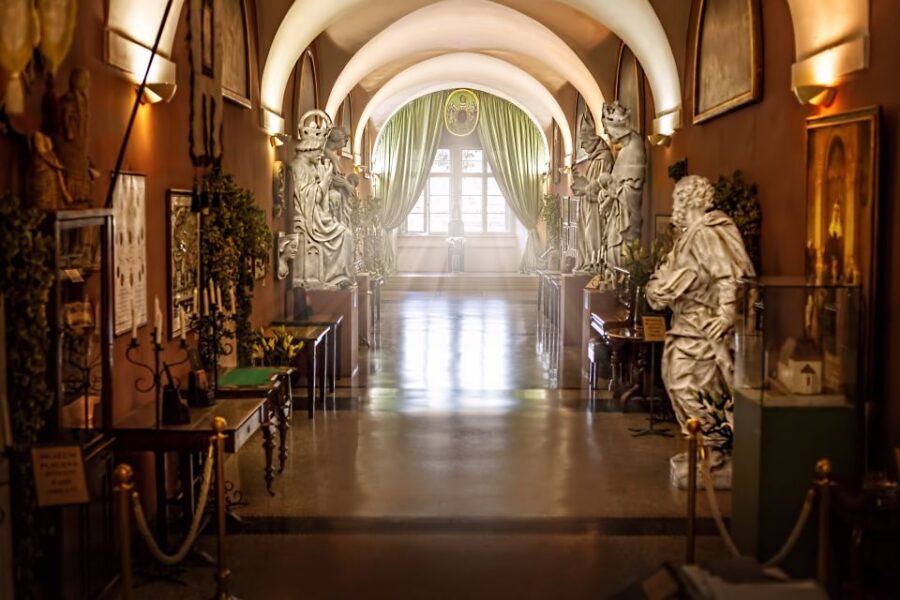
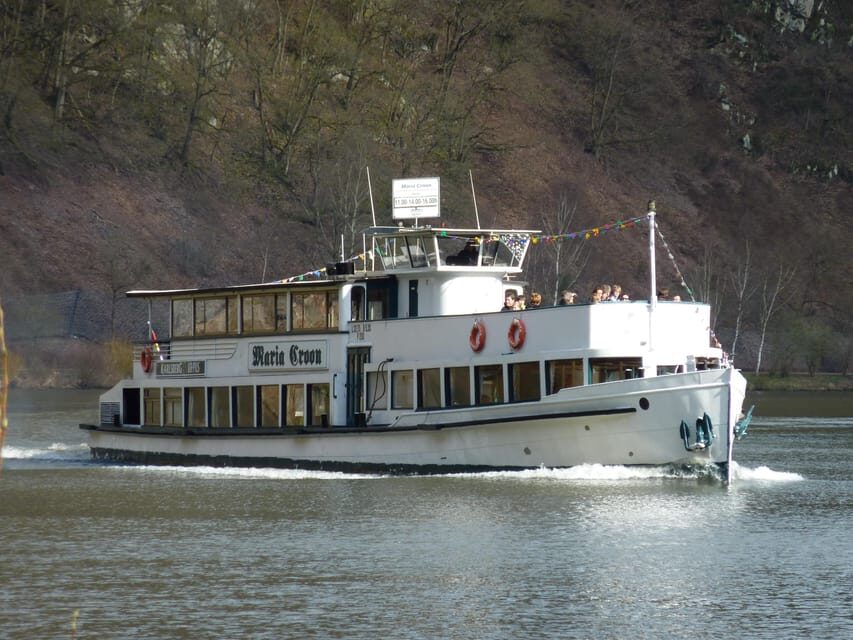
Here’s the practical upgrade that can turn a short ticket into a smarter day: multiple reviews mention that the museum ticket includes access to a one-hour boat trip on the Vltava, and that the cruise uses headset audio.
What I like about this pairing is the order of operations. One review recommended doing the boat first to get background story, then visiting the museum afterward. That makes sense. From the water, you get orientation and context quickly. Then inside the museum, you can lock in details with less guesswork.
On the cruise, the audio guide is described as clear and informative through headsets. That’s a big deal for travelers who want explanations but don’t want to hunt down a guide or stand in a crowded group listening at a distance.
How to decide if you’ll use the cruise:
- If you like visuals from the river and want quick context, add it.
- If you’re short on time or prefer land-only, you can treat the museum as the core experience since it’s often 30–45 minutes.
A simple game plan for your day (no stress required)
Even though the overall experience is described as valid for 1 day, the museum itself doesn’t have to swallow your schedule. One review specifically pegged the museum time at about 30–45 minutes.
Here’s a no-fuss approach I’d recommend:
- Start with the boat trip on the Vltava if it’s available on your ticket.
- Use that hour to get your bearings and absorb the overview.
- Then head to the Charles Bridge Museum for a focused, self-paced visit.
If you skip the cruise, you can still do the museum comfortably as a compact stop. Look at the big Gothic model first. Then shift to the sections about medieval construction, the bridge’s changing status through history, and the repairs. End with the Old Town visualization so you leave with a broader sense of place.
One more practical tip: because some reviews point out the experience can be light on explanations, slow down. Don’t rush the model. That’s where the museum does its best work.
What to expect from the experience (guided or not?)
This is where expectations matter. One review flagged that there was no guide and that explanations were minimal. That lines up with how an entry-ticket museum experience often works: you’re free to explore, but you’re not guaranteed a staff member walking you through everything.
At the same time, the cruise portion—when included—is more structured thanks to audio through headsets. So you can get the best of both worlds if you do both pieces: self-paced museum learning plus an explanation-driven boat overview.
My advice: if you’re the type who likes learning by reading signs and looking closely at models, you’ll be happy. If you need a lot of human interpretation to stay engaged, build in extra time to read and absorb slowly.
Who this is best for (and who should think twice)
This Charles Bridge Museum ticket is a strong fit for:
- Architecture lovers who want to understand construction, not just admire the view
- Travelers who like models and want to see labor and machinery represented
- People with limited time who still want meaningful context before walking Charles Bridge
- Anyone who appreciates short, focused indoor stops during busy Prague days
It may be less satisfying if:
- You’re coming specifically for a guided tour with lots of spoken commentary
- You expect long explanations on site from staff
- You’re visiting on a day where entry might be affected by special events (one review reported a closure tied to a musical activity and requested a refund)
If you’re flexible and you like learning at your own pace, this should work well.
Should you book the Prague Charles Bridge Museum entry ticket?
If you want a smart way to understand Charles Bridge beyond selfies, I’d book it. The museum’s selling point is very specific: a detailed Gothic construction model with workers and machinery that turns bridge history into something you can see clearly. And if your ticket includes access to the Vltava cruise with headset audio, it becomes even better value and a smoother, story-first day.
I would only skip or think twice if you need a heavily guided experience on site. In that case, you might find it too quiet. Also, keep an eye on day-to-day entry conditions since at least one report described a closure situation.
Bottom line: for about ten bucks, it’s an efficient, visual way to learn how Charles Bridge was built and why it still matters.
FAQ
How long should I plan for the Charles Bridge Museum?
Plan for about 30–45 minutes for the museum visit. If your ticket includes the cruise option, add another hour for the Vltava boat trip.
Is there a guide in the museum?
The museum part is presented as an entry ticket experience, and at least one visitor noted there wasn’t a guide and that explanations were limited. The boat portion, when included, uses headset audio instead.
Does the ticket include a boat trip on the Vltava?
Some versions of the experience described with this ticket include access to a one-hour Vltava cruise, with headset audio guidance. Check what’s included with your specific ticket.
What are the main exhibits inside the museum?
The focus is Charles Bridge construction history, including medieval building, its status through time, and more recent repairs. The centerpiece is a very large Gothic construction model with hundreds of worker figurines and dozens of machinery models.
Where is the museum located?
It’s in a Baroque building connected to the Military Order of the Crusaders of the Red Star, established by Saint Agnes of Bohemia in 1252.
What languages are available?
English and Czech are available.