REVIEW · NATIONAL TECHNICAL MUSEUM PRAGUE
Prague: National Technical Museum Entry Ticket w/ Intro Tour
Book on GetYourGuide →Operated by Discover Prague Tours sro · Bookable on GetYourGuide
Prague has a museum that feels like a time machine. This entry ticket with a 20-minute English intro helps you step into the National Technical Museum already knowing what matters. You get a focused start, then you roam freely through technology and science at your own speed.
I like two things a lot: first, the advance ticket saves you friction before you even reach the doors. Second, the museum explanations run Czech and English, so you can slow down wherever a display catches your eye.
One thing to watch: some tickets from third-party platforms can be rejected, so make sure you’re using the smartphone ticket that your guide expects at the meeting point.
In This Review
- Key things I’d plan for
- A short English briefing makes the museum feel navigable
- Tickets, timing, and where the “time saver” really shows up
- Entering the National Technical Museum: what you’ll actually do
- A smart route through the 15 permanent exhibitions
- Architecture, construction, and design
- Astronomy
- Transportation
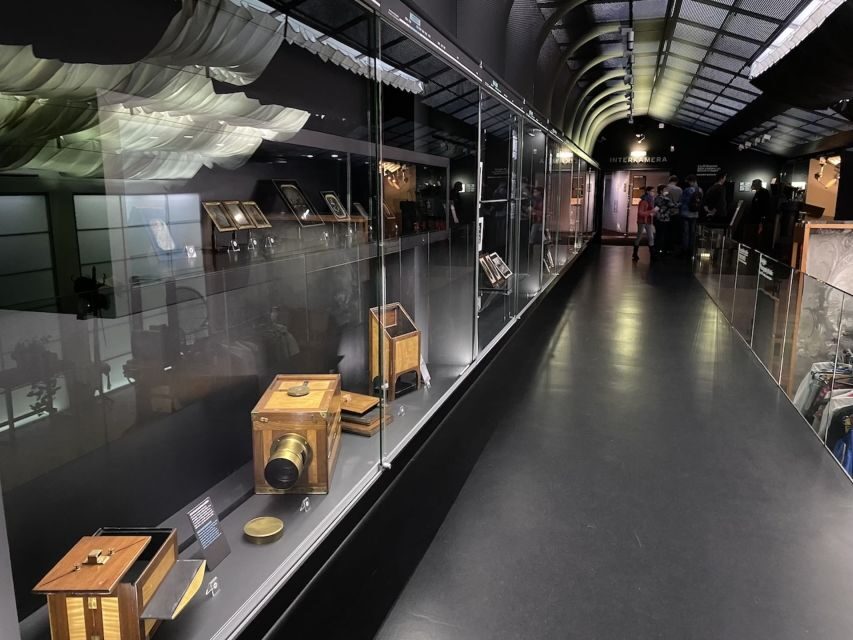
- Photographic studio
- Mining and metallurgy
- Chemistry around us
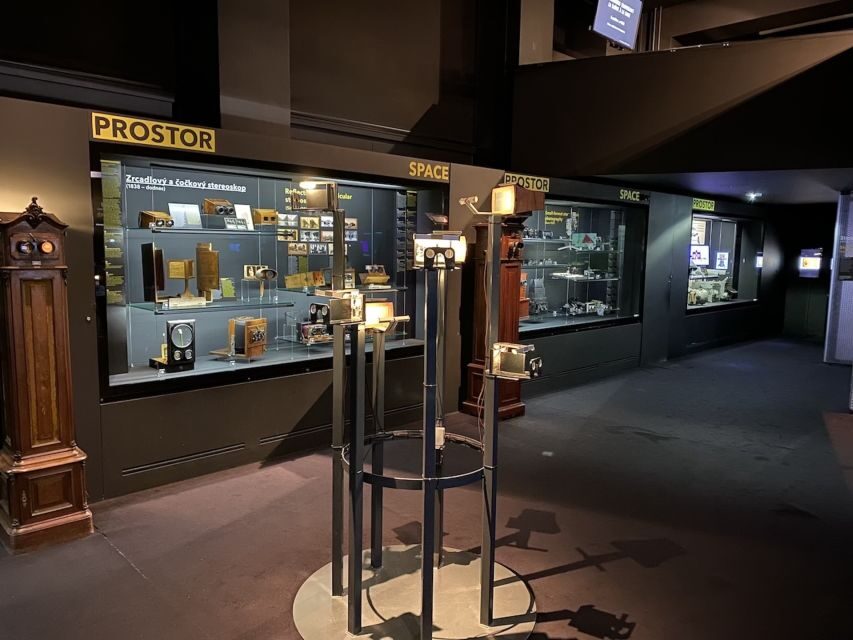
- Intercamera and measurement of time
- Merkur playroom and toys
- Printing technology in the home and sugar and chocolate
- Television studio
- Don’t forget you can pick your pace
- Temporary exhibitions: how to know if they’re worth extra time
- Family fit: the museum format works better than you’d think
- Price and value: why $22 can be a good deal
- What to be careful about (based on real ticket issues)
- Should you book this Prague National Technical Museum entry with intro?
- FAQ
- How long does the introduction last?
- Is this a guided tour inside the museum?
- How much time should I plan for the museum?
- When is the museum open?
- Where do I meet the guide?
- Is the ticket valid for more than one day?
Key things I’d plan for
- A short intro (20 minutes) before self-guided exploring, so you don’t waste time figuring out the museum layout
- Small group size (up to 10), which keeps the briefing more controlled than a crowd
- 15 permanent exhibitions plus any temporary shows running during your visit
- Bilingual labels (Czech/English), helpful if you want to learn without a full guided tour inside
- Family-friendly variety: planes, trains, automobiles, and more hands-on style interests
- Bring the right ticket: some outside ticket sources have caused confusion for other visitors
A short English briefing makes the museum feel navigable
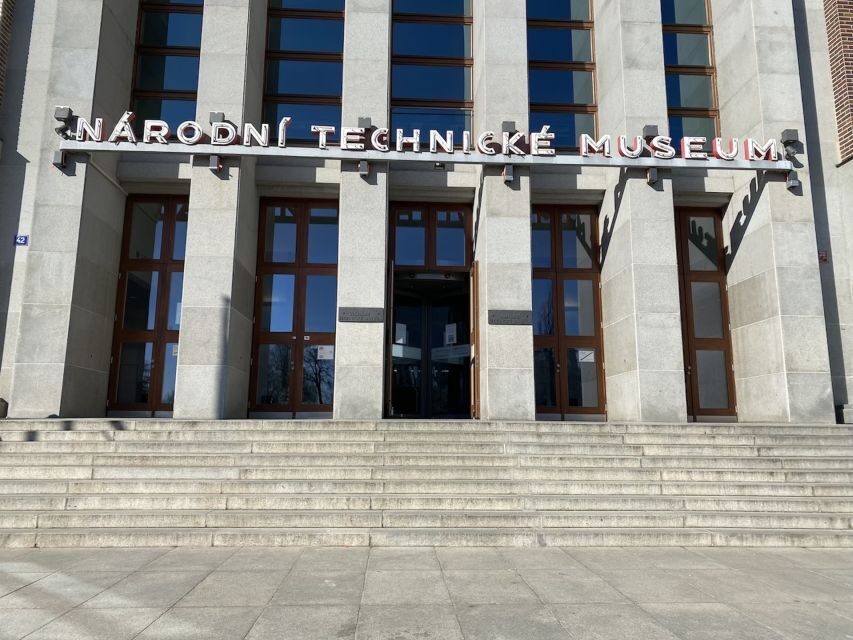
The experience starts outside the National Technical Museum. You show your smartphone ticket to a Discover Prague Tours guide who’s holding a yellow umbrella. That little detail matters because it’s your cue that you’re in the right place with the right host.
The briefing itself is only about 20 minutes, but it’s designed to do a specific job: get your bearings fast. You’ll learn what collections you’re about to see and what to look for as you move through the exhibitions. Think of it as a tour of the tour—enough context to help you choose where to spend time once you go on your own.
After that, you stop being “scheduled.” You become free to explore, which is a big deal at a museum like this. Without a full guided tour inside, you avoid the common problem of rushing past the displays you actually wanted to linger on.
Tickets, timing, and where the “time saver” really shows up
The big practical advantage is simple: you buy your entry ticket in advance rather than relying on on-site purchasing. That’s especially useful if you’re trying to stitch museum time into a day that already includes Prague’s walking routes, river crossings, or old-town sights.
This ticket is valid for one day. Starting times depend on availability, so you’ll want to pick a time that matches your energy level. A museum window from the afternoon can work, but if you aim for a smoother pace, an earlier start often feels less rushed.
Plan for roughly 3 hours on average inside. That’s not a hard rule, but it’s a realistic target for a self-guided visit across major sections without turning every room into a research project.
Also note the museum hours: 9 AM to 6 PM every day except Monday. If your trip includes Monday, you’ll need an alternate museum day.
Entering the National Technical Museum: what you’ll actually do
You’re not getting a guided tour inside the museum. Instead, you enter with a valid admission ticket and then explore on your own after the introduction.
That format is worth respecting. If you want somebody to explain every room in detail, this isn’t that. But if you like choosing what interests you—planes over optics, chemistry over printing, astronomy over mining—this setup is ideal. You’ll spend your time better, because you’re not forced to follow a script.
And the museum itself supports that self-guided style. Most exhibits have bilingual explanations in Czech and English, so you can read without needing a translator or a headset.
There’s also a cafe on-site for snacks and drinks. That’s a small detail, but it keeps your visit from turning into a snack hunt while you’re tired.
A smart route through the 15 permanent exhibitions
The ticket covers the museum’s 15 permanent exhibitions, and you can include any temporary exhibitions that are running during your visit.
Here’s how I’d think about the permanent collections, because the list is broad enough that you’ll want a plan. Choose one or two “anchor topics,” then add a third section based on what you’re in the mood for.
Architecture, construction, and design
If you like how things are built, this is your starting point. Czech engineering doesn’t just show machines; it shows systems, structure, and ideas behind making materials work.
A good use of time here is to slow down and read the display context. Construction and design exhibits reward attention—you’ll notice how choices affect performance.
Astronomy
Astronomy exhibits tend to do two things well: they connect science to everyday curiosity, and they show how measuring the sky requires tools, not just wonder.
If you’re pairing this with other Prague sights, astronomy is also a nice mental break from old streets and facades. You’re stepping into measurement, instruments, and the long arc of observation.
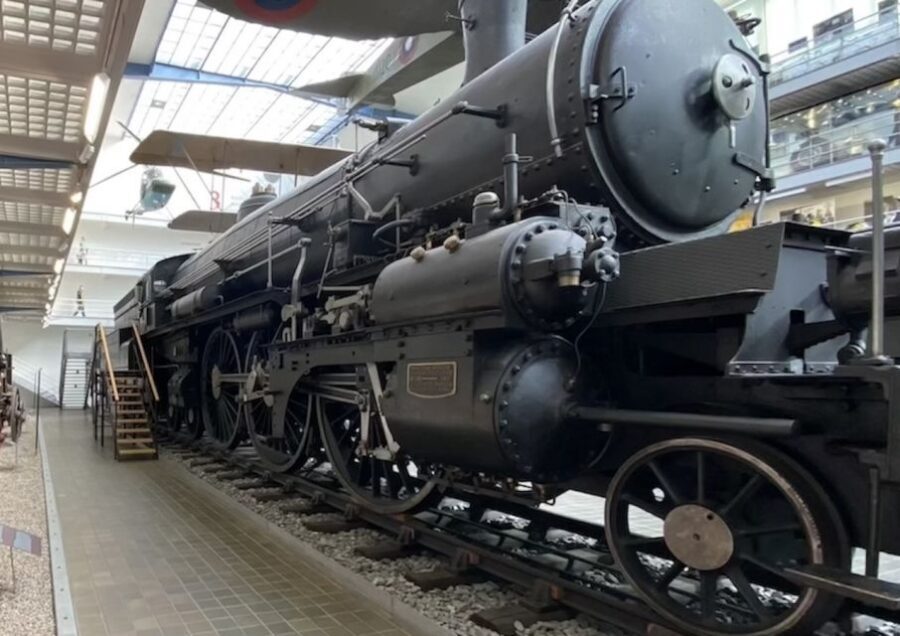
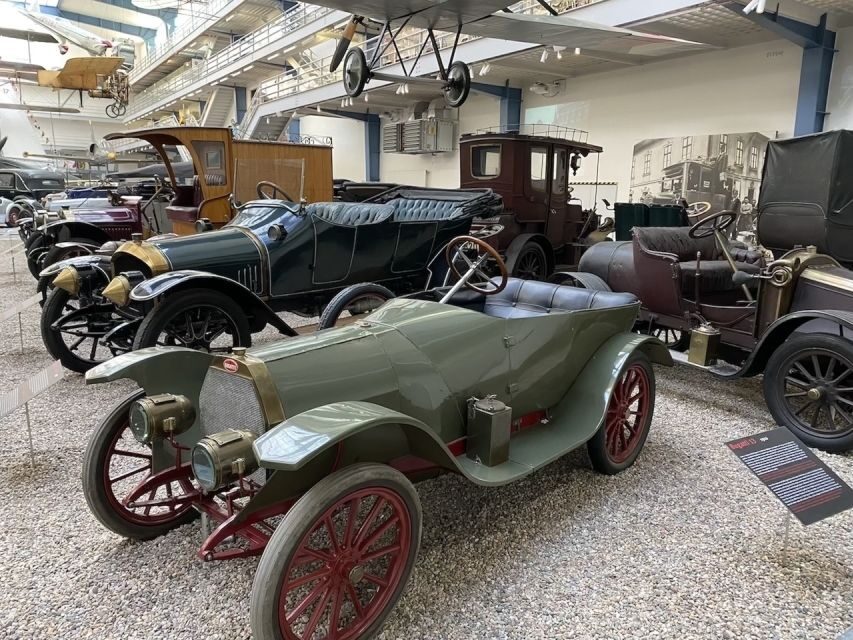
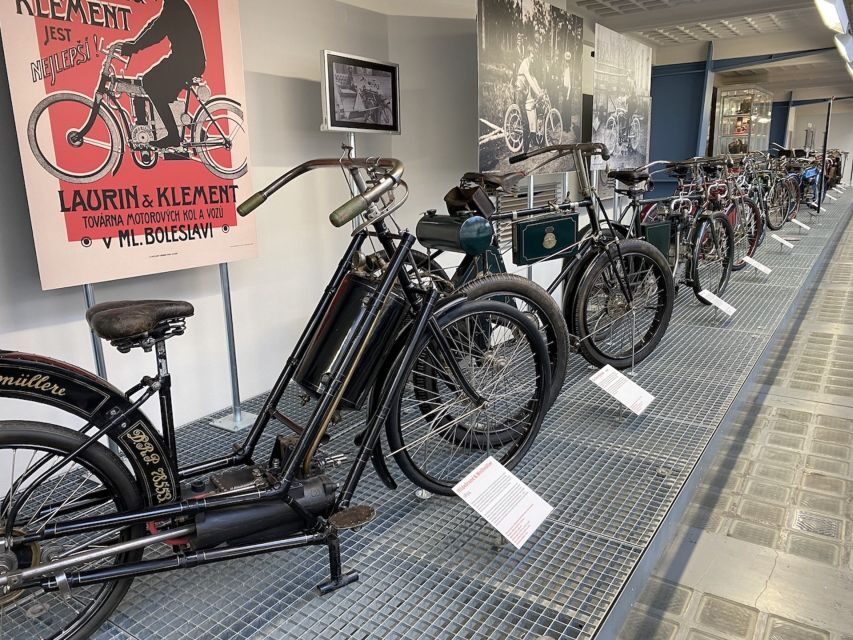
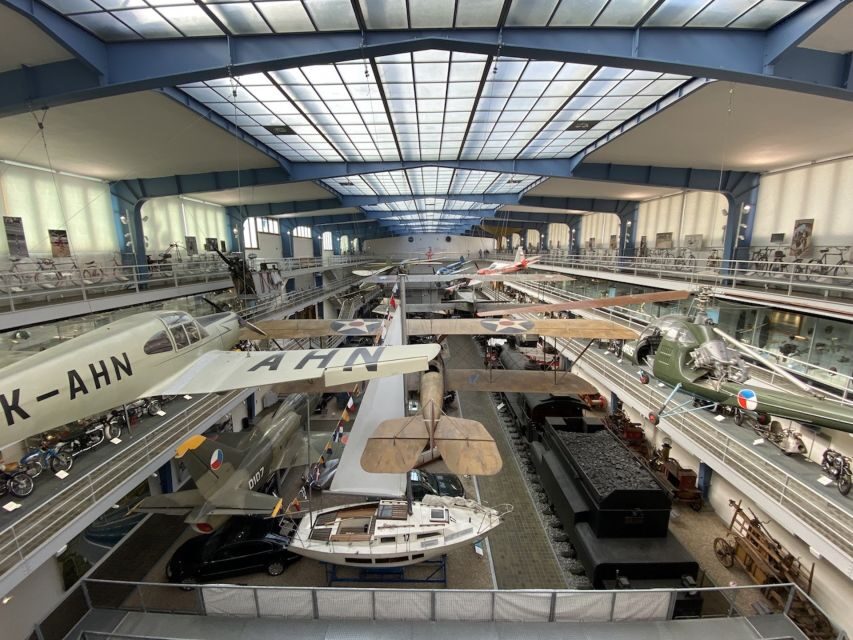
Transportation
This is where the “planes, trains, automobiles” promise becomes real. You can spend a lot of time here because transportation connects engineering, energy sources, and design trade-offs.
If you’re traveling with kids, this section is usually the easiest win. Even if they don’t read every label, they’ll often recognize the themes and visuals fast.
Photographic studio
This is a change of pace—and it’s more important than it sounds. Photography is a technology story: lenses, chemistry, printing, and how people captured reality.
If you care about how inventions spread into daily life, this section is a bridge from pure science to real-world use.
Mining and metallurgy
These displays make industrial history concrete. Mining shows extraction and infrastructure. Metallurgy shows what happens after you’ve pulled material from the ground.
If you like engineering that has “hands and grit,” these exhibits can be satisfying. They also pair well with chemistry and printing, because they all deal with transformation.
Chemistry around us
Chemistry exhibits help you connect the dots between lab concepts and everyday products. It’s the kind of section where you can either zoom through or linger, depending on your interest level.
I like using chemistry as a mid-visit reset. It keeps the museum from feeling repetitive and shifts you back toward the science behind materials.
Intercamera and measurement of time
Timekeeping is a surprisingly broad topic. It touches observation, instruments, precision, and how society depends on reliable measurement.
This is also where you can spot how technology evolves: not just what devices are invented, but why measurement changes what people can do.
Merkur playroom and toys
Yes, it includes toys. And that’s a feature. When a museum shows technology through play, kids and adults both get a low-stress entry point into engineering ideas.
If you’re traveling as a family, don’t skip this just because it sounds casual. It’s often where the museum feels most approachable.
Printing technology in the home and sugar and chocolate
These are “daily life” technology exhibits, which I find especially valuable. Printing connects information and culture. Sugar and chocolate connect chemistry, processing, and manufacturing.
They also help you understand how technology shapes habits, not just machines.
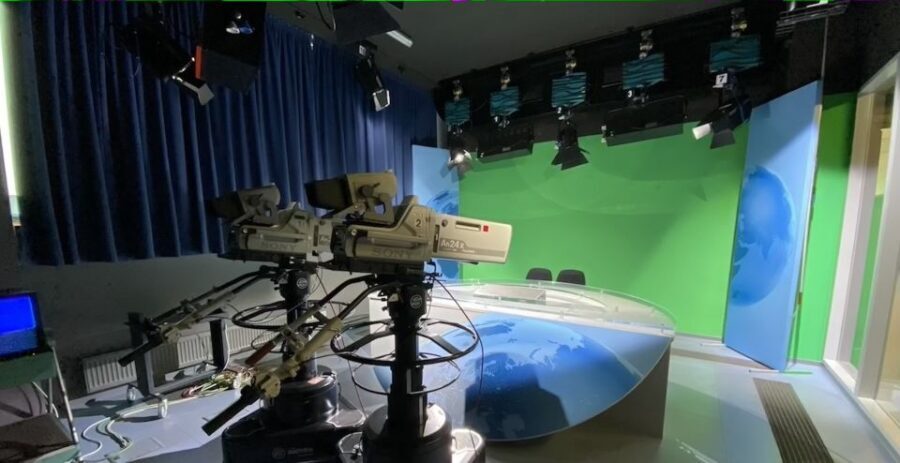
Television studio
Television exhibits are about communication tools and the systems behind them. Even if you grew up in the streaming era, seeing how TV tech developed can add context to how media reached people.
If you like design and engineering together, this section gives you both.
Don’t forget you can pick your pace
Because you explore on your own, you can use the bilingual labels strategically:
- If a display feels simple, scan in one language and move on.
- If a display feels technical, switch to the other language to catch missing details.
This is also where the 20-minute intro earns its keep: you’ll likely recognize what’s “big” in each section, so you spend your attention where it matters.
Temporary exhibitions: how to know if they’re worth extra time
Your ticket includes temporary exhibitions, but whether you’ll actually see them depends on your dates. The museum has listed several temporary shows during specific windows, such as:
- Next station: Museum of Railway and Electrical Engineering NTM (Mar 4, 2022 to Aug 31, 2022)
- Laurels with the smell of gasoline. Interwar Czechoslovak motor sport (Oct 13, 2021 to May 1, 2022)
- Jan Tatoušek – artist in engineering, architect in design (Oct 27, 2021 to May 22, 2022)
- Bedřich Feuerstein, architect. Prague – Paris – Tokyo (Nov 10, 2021 to May 15, 2022)
If your visit overlaps a temporary show, I’d treat it like a bonus track. Choose one temporary exhibition to add on top of your permanent anchors. Otherwise, you risk spreading your time too thin across everything.
The good news: even without temporary exhibitions, the permanent set is extensive enough to fill your average 3 hours.
Family fit: the museum format works better than you’d think
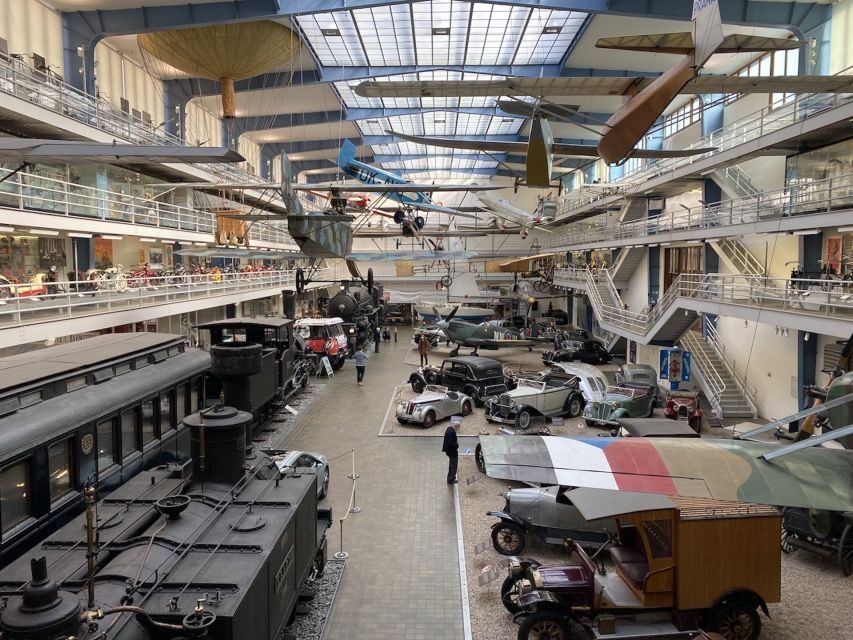
A common museum problem is that kids get tired while adults get more interested. Here, the subject range helps. You’ll find multiple “hook points” across transportation, scientific measurement, and the toy-related sections like the Merkur playroom.
Because the visit is not a strict inside guided tour, you can adjust mid-day:
- Spend extra time in transportation if kids are interested.
- Shift into astronomy or measurement of time when attention is wider.
- Use the cafe break before everyone’s patience runs out.
The museum also uses bilingual explanations, so families can mix reading and pointing without always needing an adult narrator.
Price and value: why $22 can be a good deal
At $22 per person, you’re paying for two things:
1) the museum admission ticket
2) the 20-minute English introduction with a small group
The value is strongest if:
- you want the advance ticket convenience
- you prefer a guided start but not a full guided tour inside
- you like self-paced exploring with enough context to make decisions
If you already know exactly which exhibits you want and you’re the type who enjoys “wandering with purpose,” you might feel you could do it without the intro. But even then, the briefing helps you avoid time spent figuring out what’s what.
Think of it as paying to buy less confusion up front.
What to be careful about (based on real ticket issues)
This part is important. Some people have had issues when their entry ticket came from a different third-party source. In at least one case, the museum didn’t accept that ticket source, and the visitor ended up paying twice—while still enjoying the museum experience once they were inside.
So here’s my practical advice:
- Use the smartphone ticket that matches this exact activity.
- Present it at the meeting point in front of the museum to the guide with the yellow umbrella.
- If you booked through a platform, double-check that what you have is meant to be used for this museum entry with this guide.
It’s the difference between a smooth start and a stressful one.
Should you book this Prague National Technical Museum entry with intro?
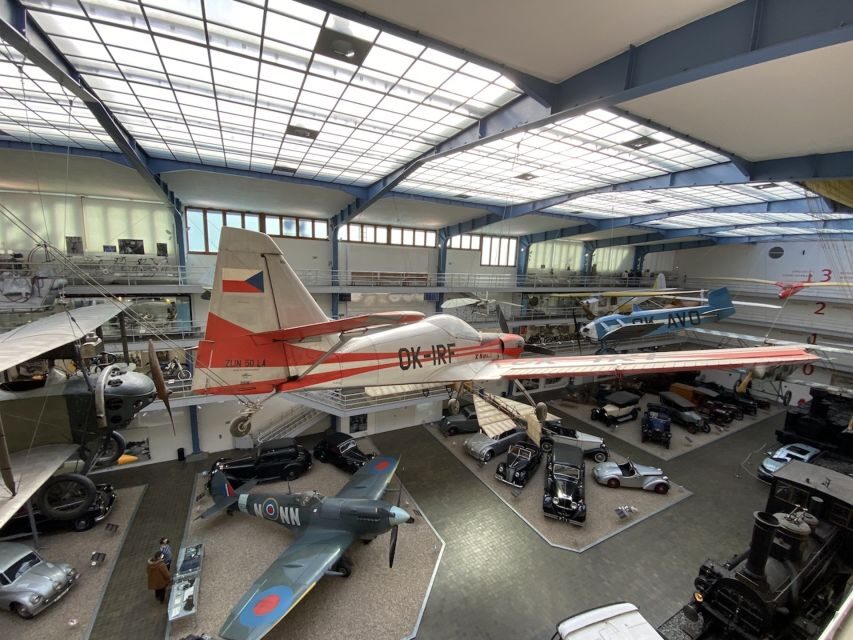
I think it’s a smart booking if you want an easy start and you like choice inside the museum. The small group intro is short, helpful, and in English. Then you get to spend about 3 hours (on average) going where your curiosity leads across 15 permanent exhibitions.
Skip it or adjust expectations if you were hoping for a fully guided walkthrough inside every section. This is entry plus orientation, not a deep narrated tour of the entire museum.
If your travel style is self-guided but you still want someone to point out what’s worth your time, book it. If you’re traveling with family, it’s also a solid match because the museum covers enough different topics to keep multiple interests satisfied.
FAQ
How long does the introduction last?
The included introduction is 20 minutes in English.
Is this a guided tour inside the museum?
No. After the intro briefing, you explore the museum on your own.
How much time should I plan for the museum?
People spend about 3 hours on average in the museum.
When is the museum open?
The museum is open 9 AM to 6 PM every day except Monday.
Where do I meet the guide?
Meet the guide outside the National Technical Museum. Show your smartphone ticket to the Discover Prague Tours guide holding a yellow umbrella.
Is the ticket valid for more than one day?
No. It’s valid for 1 day, with starting times depending on availability.