REVIEW · CZECHIA
From Prague: Tour of Terezin Concentration Camp
Book on GetYourGuide →Operated by Premiant City Tour s.r.o. · Bookable on GetYourGuide
Terezín turns Prague into a lesson in cruelty. This day trip is heavy, but it’s also clear and structured: you’ll ride out from the center of Prague, get expert guidance, and then move through both the Large and Small Fortress sites that explain how the Nazis used terror, paperwork, and propaganda. The most meaningful part is that you don’t just see exhibits—you follow a guided route that connects the story from holding camp life to prison brutality.
I especially like two things here. First, the Large Fortress museum experience is housed in the former all-boys school, so the setting itself feels chillingly real. Second, the Small Fortress tour goes right into the Gestapo prison side of Terezín, including the cell tied to Archduke Franz Ferdinand’s assassin and the areas linked to executions. One drawback to plan for: 5 hours is tight for a place this emotionally dense, and some stops can feel like you’re moving fast even when the guides do their best.
In This Review
- Key points to know before you go
- Prague pickup to Terezín: what that first hour gives you
- Large Fortress museum: the former all-boys school as the gateway
- Jewish Ghetto Museum and the propaganda lesson that sticks
- National Jewish Cemetery and crematorium: a pause built into the route
- Crossing to the Small Fortress: where the Gestapo prison becomes concrete
- The History of Terezín film: Czech audio, English subtitles
- Language and guide style: what to look for during a bilingual day
- Price and value: is $66 worth it for 5 hours?
- The return to Prague and the Railways ticket perk
- Should you book this Terezín tour from Prague?
- FAQ
- Where is the meeting point for this tour?
- How long is the Terezín day trip from Prague?
- What parts of Terezín are included?
- Will there be a film during the visit?
- What languages are available for the live guide?
- Is food or drink included in the price?
- Is the crematorium open on Saturdays?
- What is the cancellation policy?
Key points to know before you go
- Two fortress sites, one connected story: Large Fortress first, then the Small Fortress prison.
- The museum is in the former all-boys school, which makes the history feel uncomfortably physical.
- You’ll watch History of Terezín in Czech with English subtitles.
- The Nazi propaganda angle is built into the visit, including what happened during a Red Cross visit in 1944.
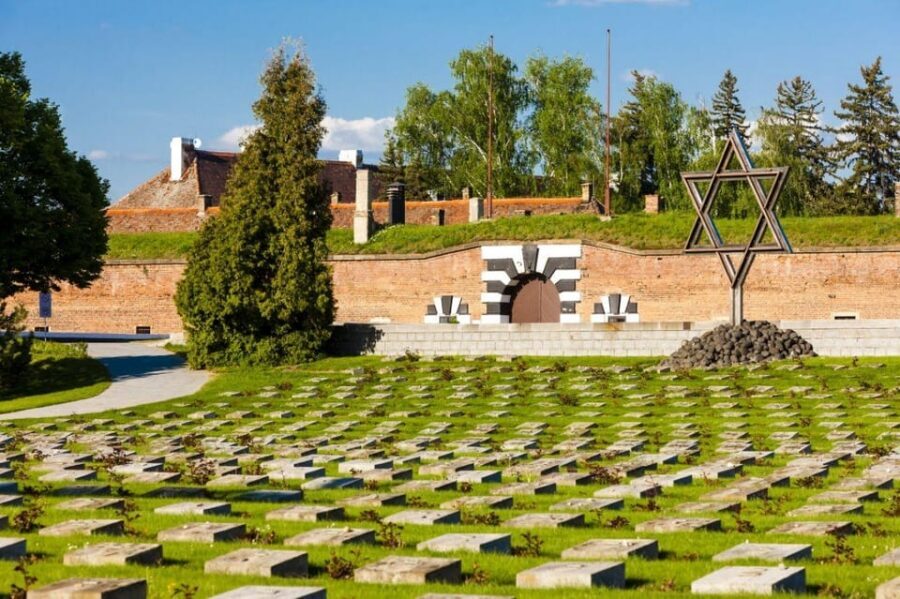
- You’ll visit the National Jewish Cemetery and crematorium area as part of the route.
- Guides switch between languages, since the live tour is offered in Italian, German, English, and Spanish (and can run bilingual).
Prague pickup to Terezín: what that first hour gives you
Your day starts at Na Příkopě 23, where you’ll meet your group before boarding an air-conditioned coach for the drive out. That ride matters more than you might think. You’ll hear context about WWII and the Holocaust in the Czech lands, plus how the Nazis operated in this region—so when you arrive, the sites don’t feel like isolated rooms.
This is one of those tours where the pacing is built-in: you’re not spending half the day figuring out transport. The round trip is about 1 hour each way, so the rest of your time is reserved for the Terezín visit itself. And because the coach is air-conditioned, it’s a comfort you’ll appreciate if your day happens to be hot.
One practical note: hotel pickup is not included. That’s normal for day trips from Prague, but it does mean you should plan to arrive at Na Příkopě 23 a bit early, grab water if you need it, and be ready to leave on time.
You can also read our reviews of more tours and experiences in Czechia.

Large Fortress museum: the former all-boys school as the gateway
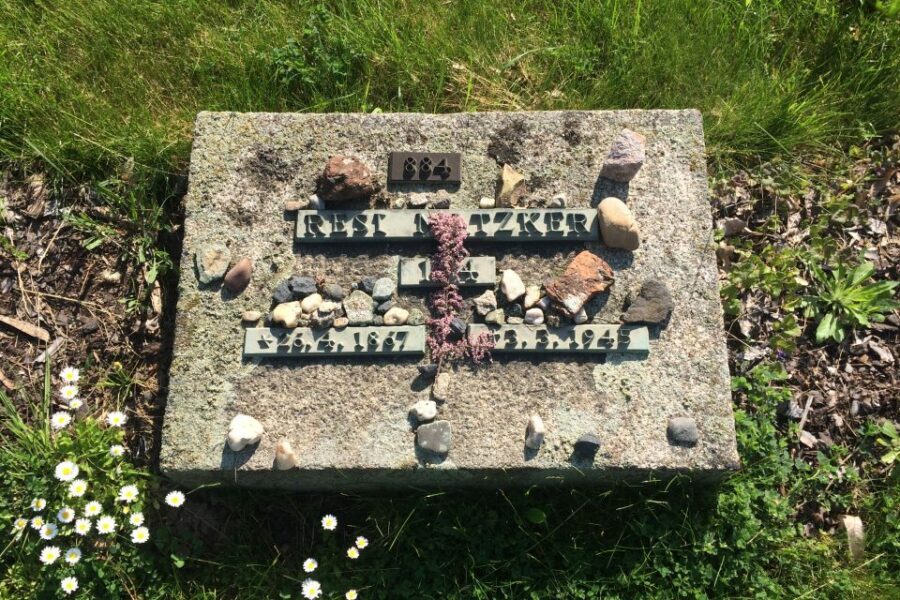
The heart of the Large Fortress visit is the museum, set inside a building that was once an all-boys school. That detail can hit hard because it removes any idea of the camp as something far away or abstract. You’re walking through a place meant for education and routine, then learning how it became part of the machinery of confinement.
Here’s what the guided route is designed to do: you’ll learn how Terezín functioned as a holding camp where Jews from different parts of Europe were processed and held. You’ll also get the specific Nazi strategy of using propaganda, including how the camp was exploited during a Red Cross visit in 1944. That part isn’t just trivia. It helps explain how oppression also involved staged appearances and controlled narratives.
Expect a guided pace through museum spaces that explain daily life under the system, including the brutal gap between what the Nazis wanted people to see and what prisoners actually experienced. The tour also includes viewing a film, which you’ll likely encounter before moving on to the cemetery and crematorium area.
Jewish Ghetto Museum and the propaganda lesson that sticks
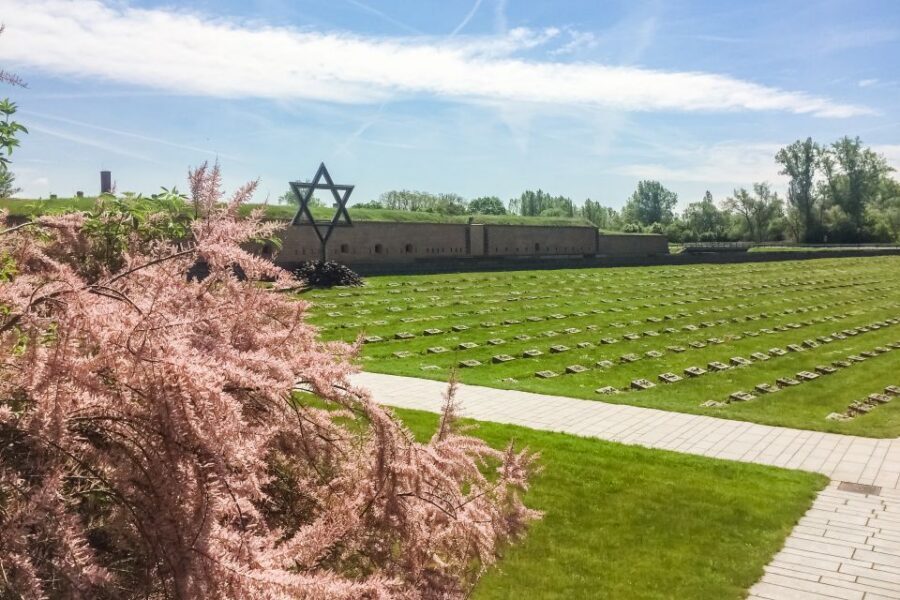
After the museum portion in the Large Fortress, the route carries you to the Jewish Ghetto Museum. This is where the story narrows from the system level into the human level—family life, separation, and what daily existence was like under extreme control. It’s also where the museum focus can feel especially intense, since one floor is dedicated to children, and the impact of that choice tends to linger long after the visit.
What I think is valuable about including the Jewish Ghetto Museum here is simple: it keeps you from turning the trip into a checklist of sites. Instead, you’re constantly reminded that the goal of the Nazis wasn’t only imprisonment. It was domination—complete with records, control points, and cruel sorting.
You’ll also see how Nazi propaganda tried to manipulate outside perception. Knowing that a camp like this could be staged for international eyes makes the terror feel both more systematic and more disgusting. And because you’re guided, you’re less likely to miss the connections between what’s shown on the walls and what the guide is explaining out loud.
National Jewish Cemetery and crematorium: a pause built into the route
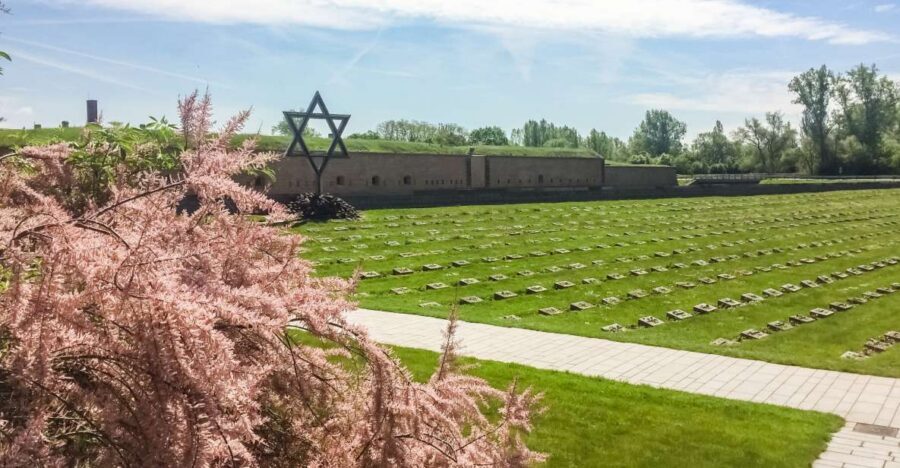
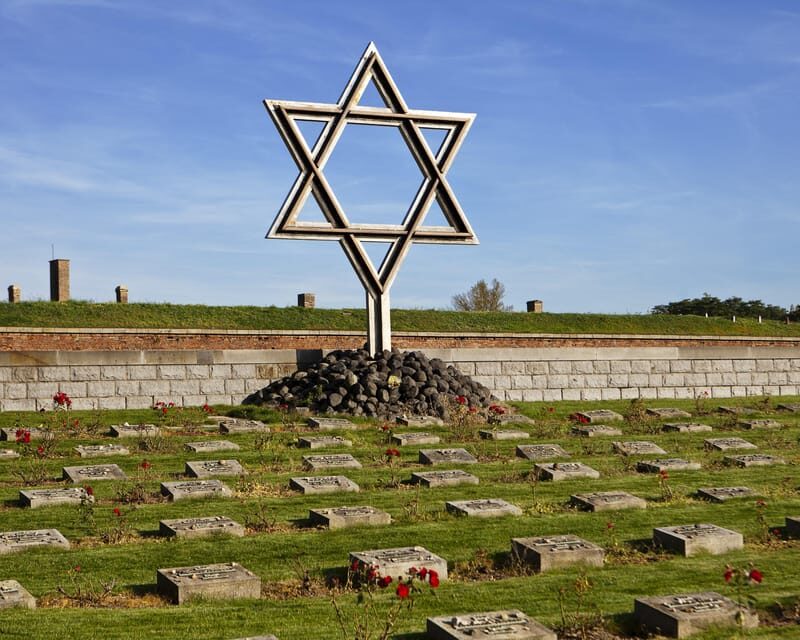
From the Large Fortress museum area, you’ll move onward to the National Jewish Cemetery and the crematorium portion of the site. This stop is different from the museum spaces. The atmosphere shifts. You get time to absorb a kind of silence that’s hard to replicate elsewhere.
The cemetery visit matters because it anchors everything you learned earlier. You’re not only hearing about policy and prison operations—you’re being brought back to loss. Guides typically frame this area with care, and it’s often the moment where many people feel a stronger need to slow down and process.
One important scheduling consideration: the crematorium is closed on Saturdays. If your trip date is a Saturday, plan mentally for the change. The rest of the route still covers the core sites, but the crematorium visit may not happen the way it does on other days.
If you’re someone who likes to read every label, this is also a good place to go at your own pace when your guide offers a moment. Even small pauses can make the story land better.
Crossing to the Small Fortress: where the Gestapo prison becomes concrete
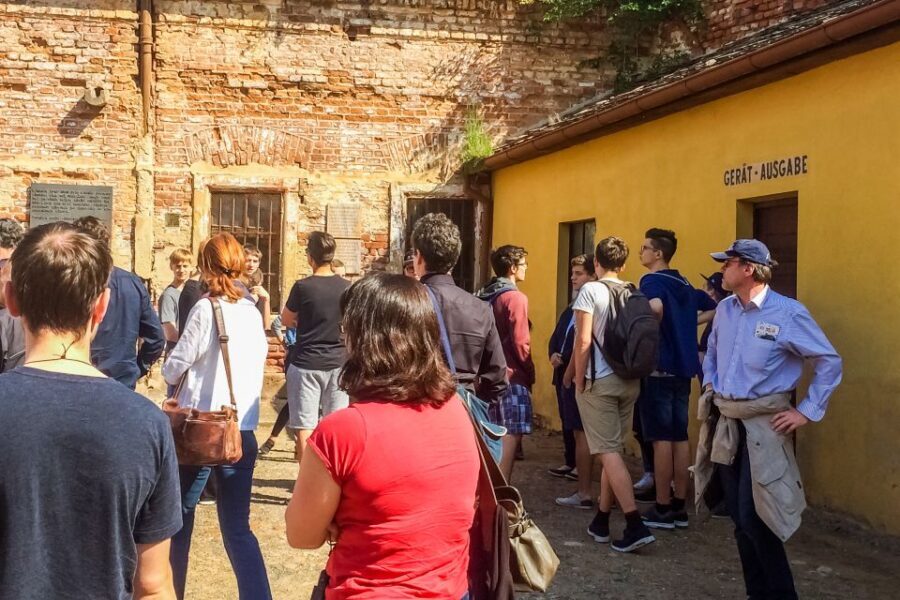
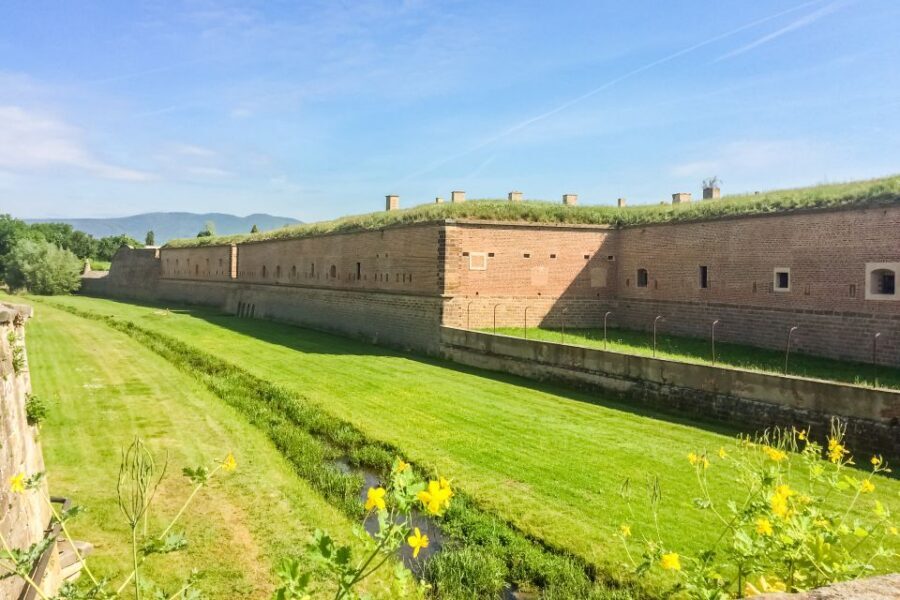
Then comes the shift to the Small Fortress, across the river. This is where the tour becomes explicitly prison-focused, and it’s often the part that people remember most vividly. You’re touring the conditions for prisoners held in the Small Fortress, described as an authentic Gestapo prison, and the guide uses the layout to explain how custody worked in practice.
A standout detail included in this visit is the cell connected to Archduke Franz Ferdinand’s assassin. That specific reference gives you an unexpected bridge to wider European history, even though the focus remains on what the Nazis did to people once they were trapped inside Terezín’s system.
The Small Fortress tour also covers execution-related history, including firing squads organized by the Gestapo. This isn’t presented as spectacle. It’s explained as part of a brutal enforcement method—terror used to break resistance and control individuals through fear.
Practical tip: bring the right attitude for this part. Photos and quick scanning won’t help you process. Stay present, listen carefully to the guide’s framing, and give yourself permission to feel uncomfortable.
The History of Terezín film: Czech audio, English subtitles
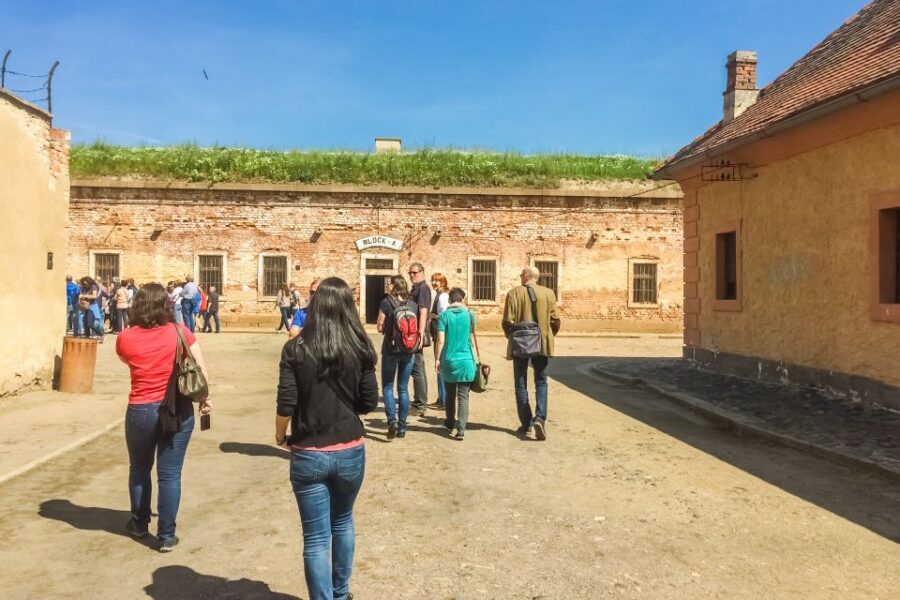
Midway through the Large Fortress experience, you’ll watch History of Terezín in Czech, with English subtitles. This is more than filler. It’s a tool for understanding how the Nazis tried to tell a different story and how Terezín’s legacy is remembered.
Films can also be easier on your brain than constant walking and reading, especially when you’re dealing with heavy content. Even if you’re the type who usually skips video, this one tends to help because it puts the different pieces into a single narrative thread.
One planning note: since your full day is only about 5 hours, there’s little slack. When the film starts, settle in and let it do its job. You’ll have less chance to reorient afterward as you move to the cemetery and then the Small Fortress prison route.
Language and guide style: what to look for during a bilingual day
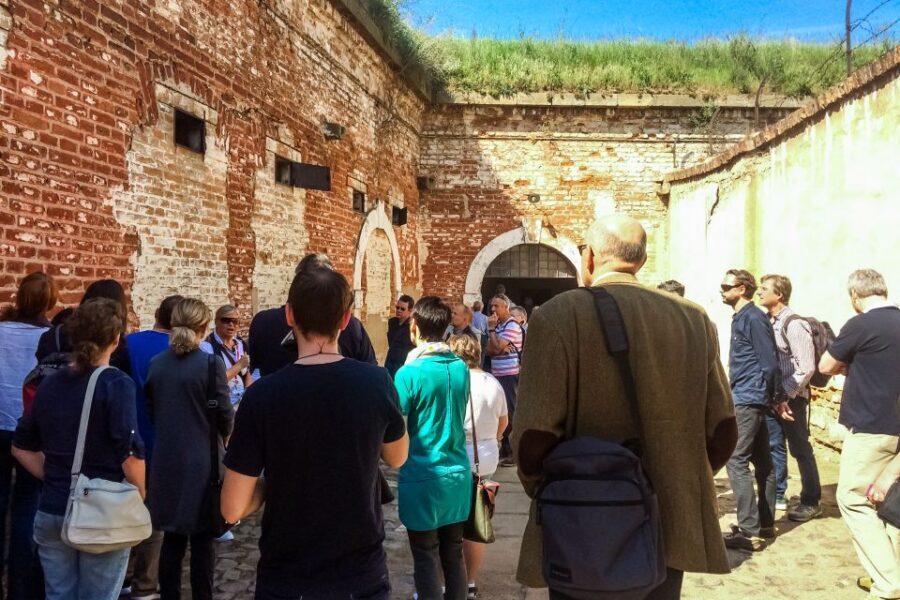
The live tour guide is offered in Italian, German, English, and Spanish, and the tour can be bilingual. That matters because this subject is so sensitive that you want the explanation to be clear—not just correct.
From past departures, it’s clear that guides often switch languages smoothly to keep groups together. Names that have appeared for English and Spanish pairings include Sofia, Stefan/Stepan, Remy, Jacob, and Rebecca—and people consistently praise how the guides kept everyone on track, addressed questions, and handled the topic with care.
If you’re choosing which language to join, pick based on comfort, not confidence. You’re going to hear details that you’ll want to understand fully the first time. A guide who can toggle between languages is great, but your best experience comes when you can follow naturally.
Also, don’t underestimate the soft skills: many reviews point out compassion and pacing, especially when groups included people with mobility needs. That’s a reminder that good tour leadership here isn’t about speed—it’s about keeping the group together and treating the material respectfully.
Price and value: is $66 worth it for 5 hours?
At $66 per person for a 5-hour day trip, the value comes from what’s included, not from the discount promise. You’re paying for guided interpretation and entry to key parts of the site. The tour includes:
- Entry to the Large Fortress and its museum
- Entry to the Small Fortress (the prison)
- A live guide
- A ticket to the Kingdom of Railways in Prague that can be used any time after the tour
That Kingdom of Railways perk is small compared with the emotional cost of Terezín, but it’s a smart balancing move for a day that can leave you drained. It gives you something lighter to do later without extra planning.
Food and drinks are not included, so think of this as a “history day” where you’ll want to budget for a snack or meal on either side of the tour. Also, since there’s no hotel pickup, your time and logistics start at Na Příkopě 23.
Finally, the tour timing is realistic. You can learn a lot without it swallowing your entire day. Still, if you want to linger and read every object, recognize the schedule constraints. This is best for people who value guidance and want the whole route covered.
The return to Prague and the Railways ticket perk
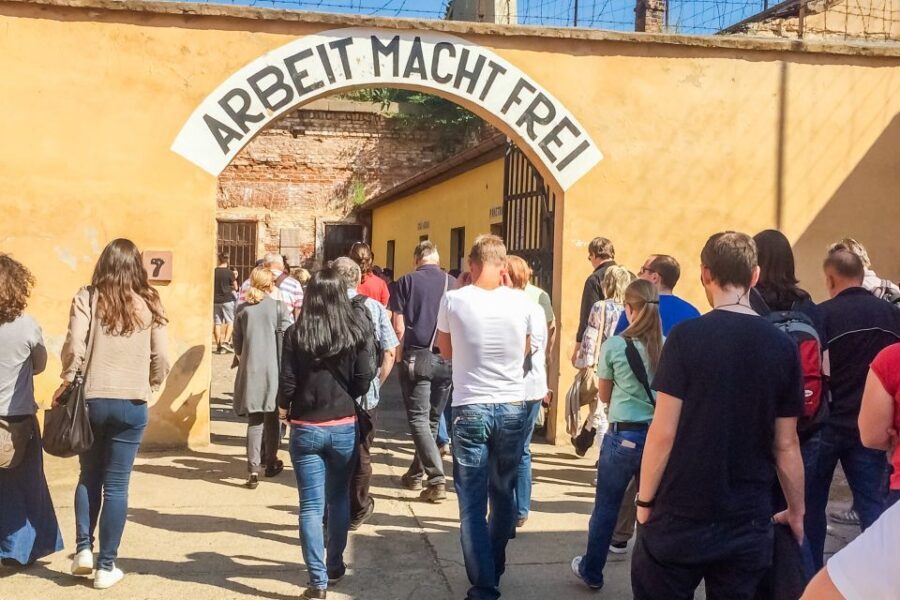
When the tour ends, you’ll board the coach back to Prague and arrive again at Na Příkopě 23. That “back to the center” finish is a practical win. You’re not stuck crossing the city at night, and it’s easier to switch straight into dinner plans.
One extra reason to like this format: the Kingdom of Railways ticket is included and usable any time after the tour. If you’re traveling with kids, or if you just want a low-effort, hands-on diversion later, that’s a helpful add-on.
Also, the day trip structure means you still keep time to explore Prague in the afternoon, instead of spending your entire day on transport. You’ll likely feel a strong emotional afterglow from Terezín, so having a flexible option afterward can help you reset.
Should you book this Terezín tour from Prague?
Yes, if you want a guided, structured day that covers both the Large Fortress story and the Small Fortress prison reality, with museum time, cemetery stops, and the film included. This is the kind of tour that’s worth paying for because good guidance helps you connect facts into meaning without turning the experience into chaos.
Skip or think twice if you’re hoping for lots of unstructured time. This is a 5-hour tour, and the site is emotionally dense. You’ll get the essentials with interpretation, but if you need long stretches to read and reflect quietly, you may wish you had more time on your own.
If you go, do one thing that really helps: treat the schedule as part of the experience. Arrive early enough to settle, wear comfortable shoes, and listen closely—especially when the guide ties the museum areas to the prison spaces.
FAQ
Where is the meeting point for this tour?
The departure point is Na Příkopě 23.
How long is the Terezín day trip from Prague?
The total duration is 5 hours.
What parts of Terezín are included?
The tour includes entry to the Large Fortress and its museum, entry to the Small Fortress (the prison), plus guided visits to those areas, including the Jewish Ghetto Museum and the National Jewish Cemetery.
Will there be a film during the visit?
Yes. You’ll watch History of Terezín in Czech, with English subtitles.
What languages are available for the live guide?
The live tour guide is available in Italian, German, English, and Spanish. The tour can be bilingual.
Is food or drink included in the price?
No. Food and drinks are not included.
Is the crematorium open on Saturdays?
No. The crematorium is closed on Saturdays.
What is the cancellation policy?
You can cancel up to 24 hours in advance for a full refund.