REVIEW · TEREZIN
From Prague: Terezin Concentration Camp Tour
Book on GetYourGuide →Operated by Gray Line Czech Republic · Bookable on GetYourGuide
This is not the kind of tour you forget easily. From Terezín Memorial to the Small Fortress, you’ll get a guided, structured look at Nazi persecution and what happened to the people held here. It’s heavy, but it’s also clear and grounded in places you can actually stand inside.
I especially liked the way the tour uses a real, chronological path. A top camp guide can make the history feel understandable without turning it into a lecture, and names like Peter, Victor, and Eva come up again and again for their command of the story and their emotional care. I also appreciate the balanced set of stops, including the Ghetto Museum in the former school building.
One thing to plan for: the day is tightly paced. There’s a lot to cover in about 5 hours including transport, and a few visitors felt the museum or fortress time could feel rushed.
What makes this tour worth your time
- Small Fortress with Gestapo context: you’ll connect imprisonment here to wider Nazi repression.
- Ghetto Museum inside the former Terezín School: exhibits were supported by former prisoners.
- A film to bridge gaps: you’ll watch one on-site as part of the museum experience.
- Crematorium visit is optional: see the crematorium where 35,000 bodies were cremated if you choose to add it.
- Audio guides for multiple languages: you get support beyond the live English guide.
- Guided time plus transport for a set price: $53 includes the guide, museum entrance, and bus/coach.
In This Review
- Why Terezín feels different from a typical history trip
- Prague pickup, rough roads, and a 5-hour rhythm
- Terezín Memorial + Ghetto Museum: learning in the right order
- Small Fortress: the prison of the Prague Gestapo
- Crematorium option: when you should add it
- Price and value: what you get for $53
- Who should book this tour (and who might reconsider)
- Tips to make the day easier on you
- Should you book the Terezín Concentration Camp tour from Prague?
- FAQ
- Where is the meeting point in Prague?
- How long is the tour from Prague?
- What is included in the $53 price?
- Is there an audio guide?
- Is lunch included?
- Is the crematorium visit included?
- When is the crematorium closed?
- Are there fees for taking photos or recording video?
Why Terezín feels different from a typical history trip
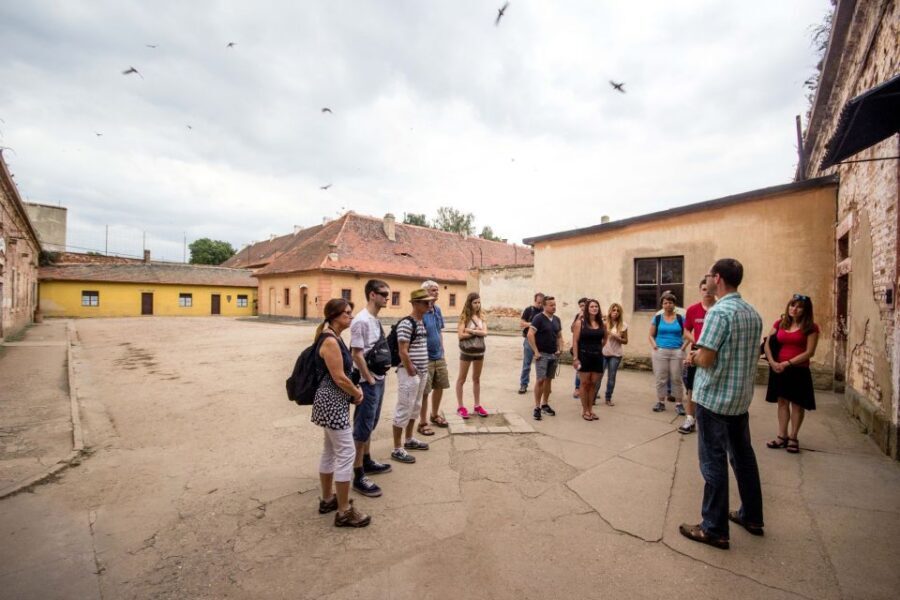
If you’re picturing concentration camps as a few dark photographs, Terezín will correct that idea fast. This is a real place with real buildings and layouts. The guided approach matters because you’re not just looking at ruins—you’re learning how Nazi policy worked through the ghetto and camp system.
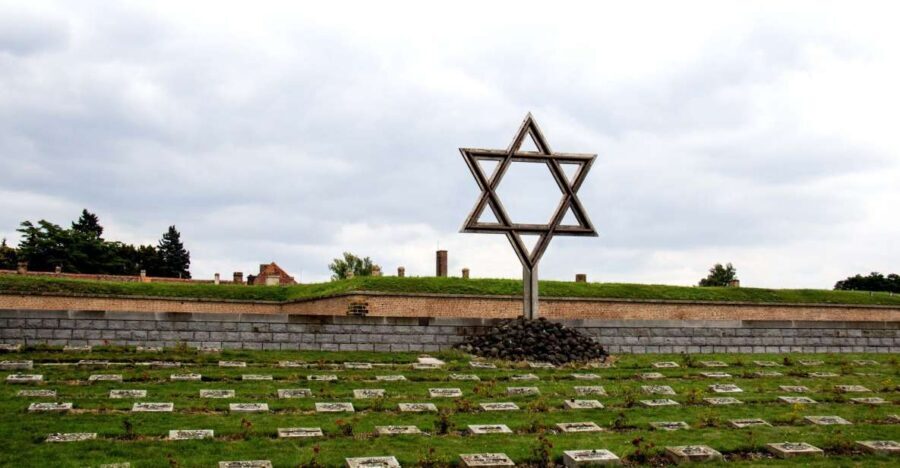
The scale is part of why the site hits hard. Terezín held more than 150,000 Jewish prisoners, and you’ll also see evidence tied to mass death, including the crematorium, where 35,000 human bodies were cremated. Even if you already know the basics, seeing the physical setup makes the history feel less abstract.
The tour is built around three main locations: the Terezín Memorial and Ghetto Museum, the Small Fortress, and (optionally) the crematorium. That structure gives you a path you can follow, instead of bouncing around and hoping it all clicks. And you’ll learn about Nazi political and racial persecution in World War II, including what happened to Czech prisoners transferred to other camps within the Third Reich.
Prague pickup, rough roads, and a 5-hour rhythm
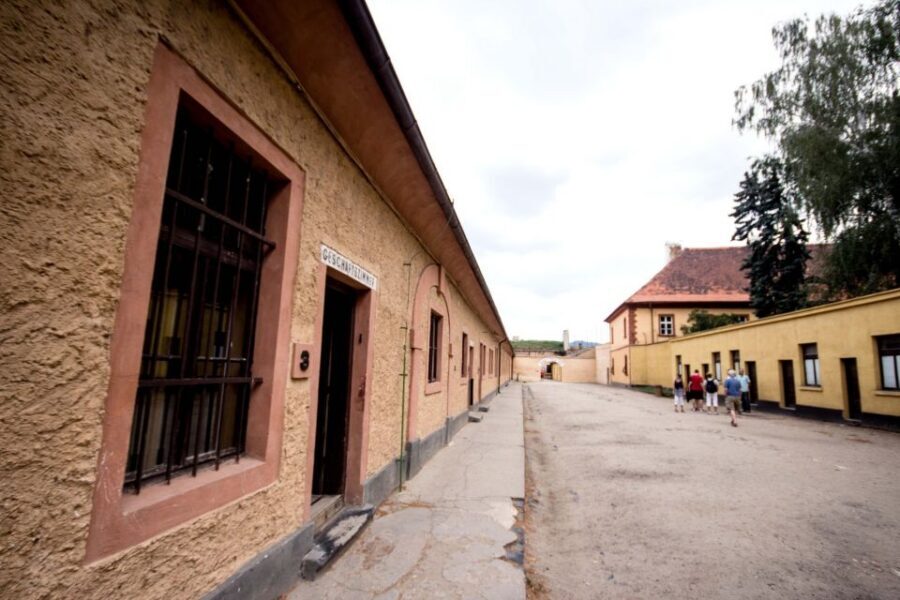
This is a classic day trip: you start in Prague, you travel to Ústí nad Labem / Terezín area, and you come back the same way. The meeting point is at Revoluční 25, Prague 1 – Staré Město. Plan to arrive a bit early. One recurring practical complaint is that the meeting point can be hard to spot if you’re relying on signage.
The total duration is 5 hours, and transport takes about 1 hour each way. Once you’re at the site, you get a 3-hour guided portion at the Memorial–Ghetto Museum area. After that, there’s about 1 hour back on the bus/coach.
The bus ride itself is described as comfortable, but roads can be rough, so don’t be surprised if you feel a jolt or two. If you’re prone to motion sickness, take the usual precautions. The tour also includes express security, which helps you avoid waiting in a regular line.
A small practical tip from on-the-day experience: if you’re planning to use your phone during explanations, consider using earbuds. Some groups reported trouble hearing the driver’s or guide’s audio clearly when phone audio wasn’t managed well.
You can also read our reviews of more tours and experiences in Terezin.
Terezín Memorial + Ghetto Museum: learning in the right order
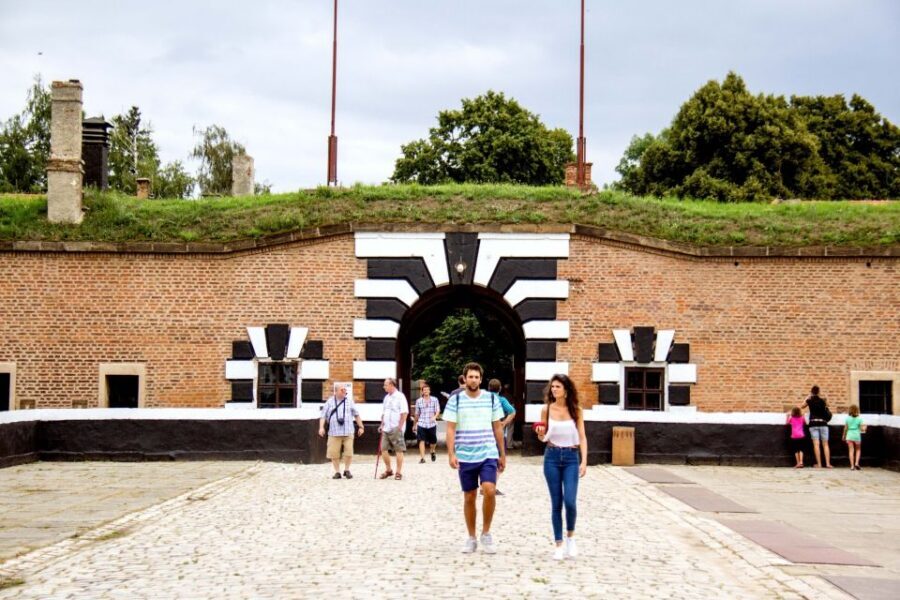
At the Memorial and Ghetto Museum, you’ll travel with an English live guide who sets the tone and gives you the framework for everything you’ll see next. This is the part of the tour that helps you connect policies to personal fates, and places to outcomes.
A key detail here is that the Terezín Memorial was built in memory of victims of Nazi political and racial persecution. It’s also described as the only site of its kind in the Czech Republic, which makes this stop feel unusually focused and intentional.
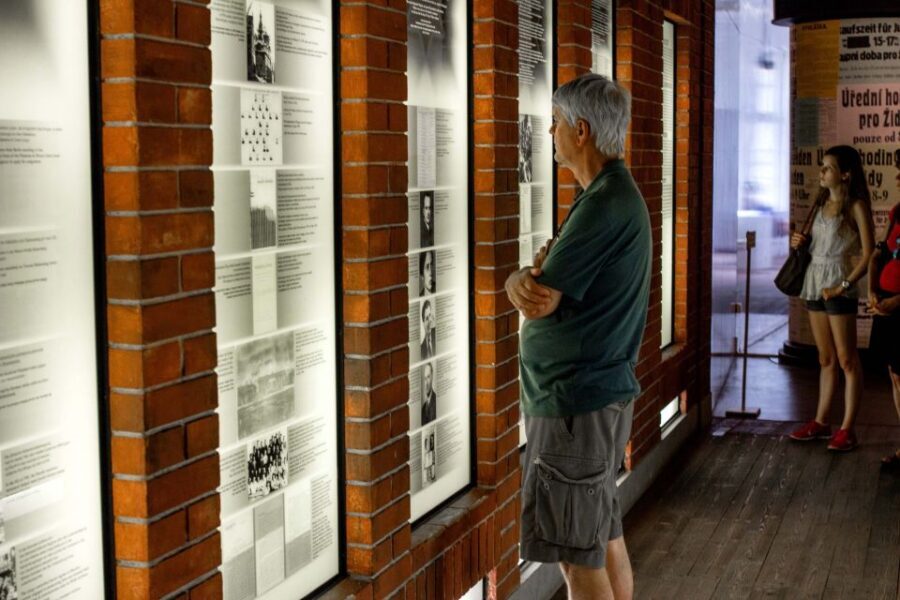
Then comes the Ghetto Museum, housed in the building that used to be the Terezín School. That choice matters. A school is a powerful symbol, and the exhibits are arranged with assistance from former prisoners of the Terezín Ghetto. You’re not looking at history that was assembled only from documents; you’re seeing a layout shaped by people who lived it.
There’s also a film included at the museum. For many visitors, that film helps you adjust from facts and dates into human understanding. Even if you think you already know the story, the film can give your brain a bridge so the visuals and site details make more sense.
What to keep an eye on during this stop:
- How the museum explains day-to-day life under the ghetto/camp system.
- How the guide connects persecution to what happens later, including transfers.
- The way the museum’s former-school setting makes the experience feel sharper and more personal.
One downside to be aware of: the time here can feel limited. A few visitors wanted more time to read and absorb in the museum spaces. If you tend to take your time in museums, you might feel the pace is fast even though the guide keeps it organized.
Small Fortress: the prison of the Prague Gestapo
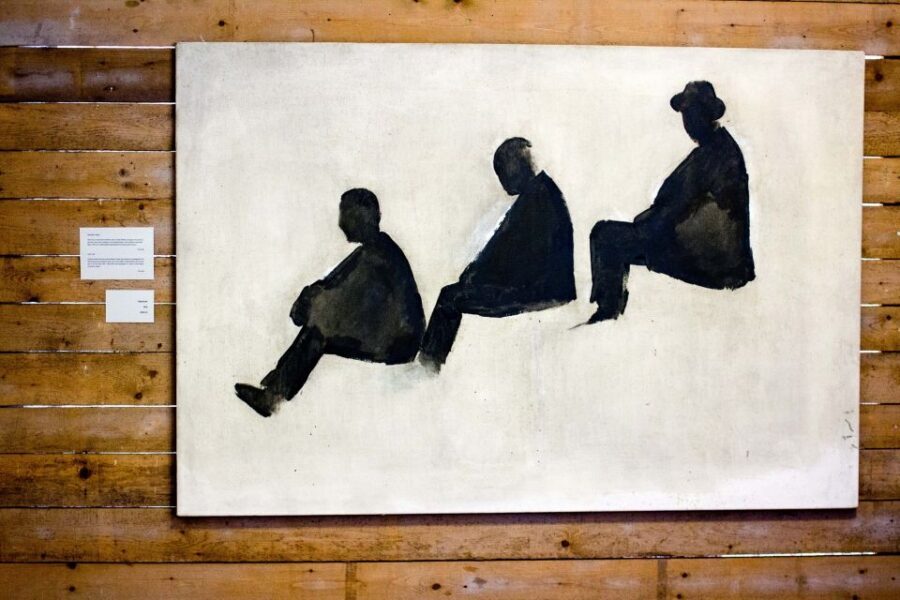
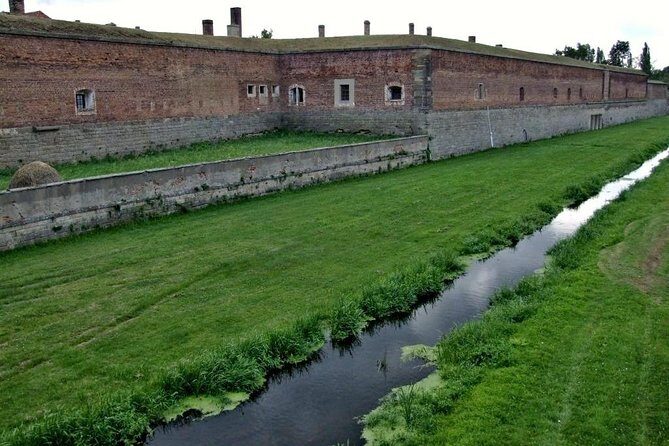
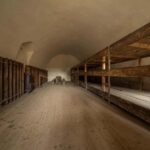
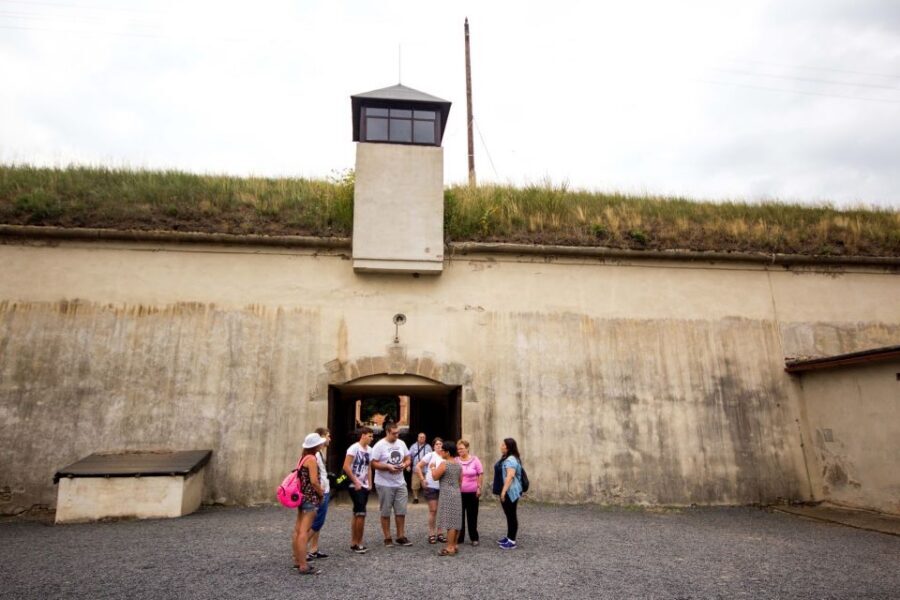
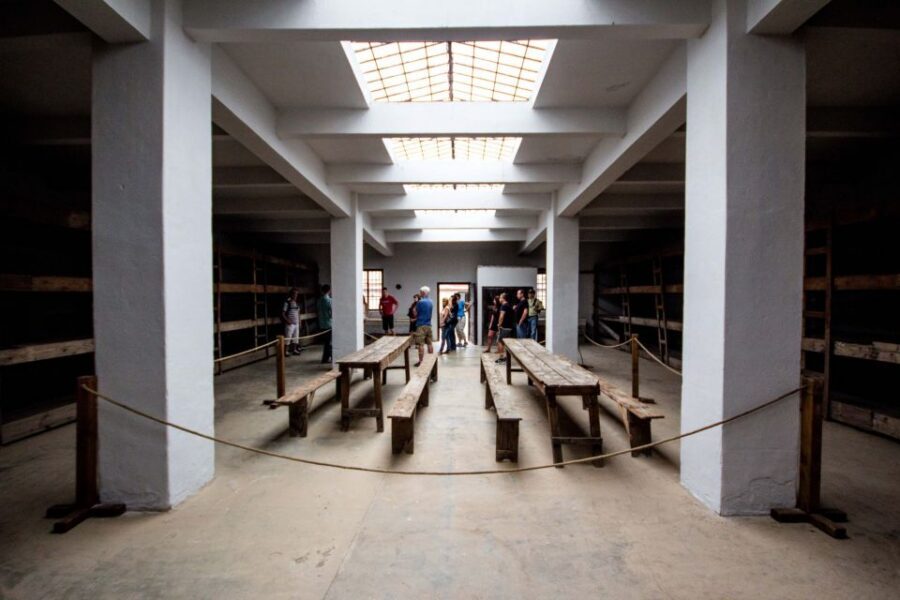
If the Memorial–Museum area gives you context, the Small Fortress gives you pressure. This section served as a prison for the Prague Gestapo, and it changes the feel of the tour immediately.
You’ll be guided through the fortress area while the guide explains imprisonment within Nazi repression. It’s not just about what happened here. It’s about what the fortress represents in the larger system—how Czech people were targeted, held, and then moved through the machine of the Third Reich.
This is often described as a highlight. In the feedback, camp guides like Peter get singled out for being a fountain of information, sometimes emotional, and always focused on making sure you understand what you’re seeing. Other guides are praised too, including Victor and Mark in different contexts, with multiple people emphasizing clarity of presentation.
That said, the Small Fortress stop can also be the hardest part for some groups—not because of content, but because of delivery. A couple of visitors mentioned difficulty understanding a guide who spoke quickly or had an accent that was challenging. If you’re sensitive to fast speech, you might want to be ready to ask questions immediately or use the audio guide (available in several languages) as backup while listening to the live guide.
Time is another reality check: even when the tour is well-run, you may not get to wander slowly room to room. One visitor wished they had more time to explore parts of the fortress, including a small gift shop area they didn’t reach due to the schedule.
Crematorium option: when you should add it
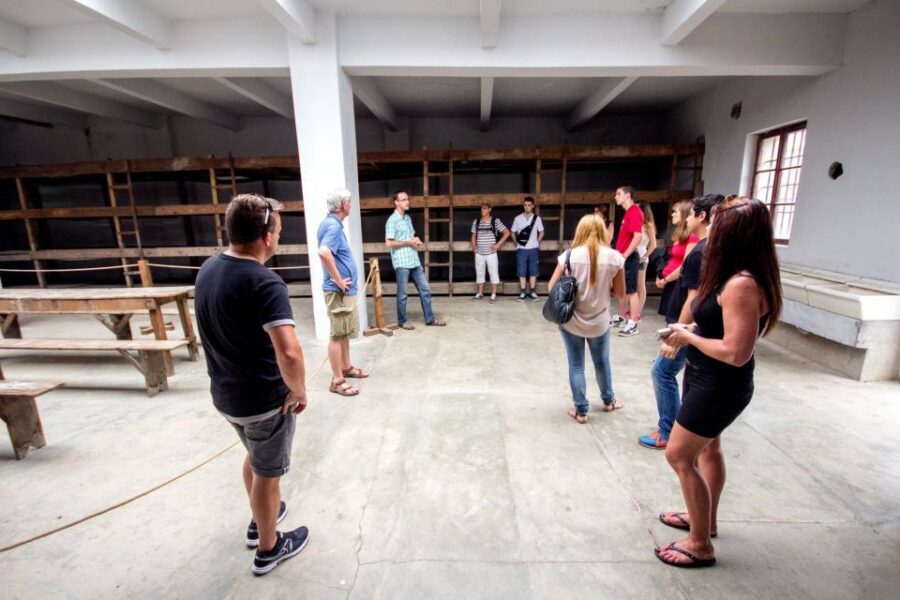
The crematorium visit is the one stop where your decision matters. The tour data is clear: visiting the crematorium at Terezín is optional and not included in the standard guided experience.
You’ll see it described as the place where 35,000 human bodies were cremated. That’s a heavy detail, and the optional nature is there for a reason. If you feel you can handle it and want the full picture of what happened here, add it. If you know you’ll struggle with that kind of exposure, it’s okay to skip and focus on other parts of the site.
Two practical notes you should know:
- The crematorium in Terezín is closed on Saturdays, so if you’re visiting on a Saturday, plan on skipping it unless the operator confirms something else.
- Because it’s not included, your time allocation can change depending on whether you choose to add it.
Even when people do add it, some visitors felt the crematorium portion was brief compared with what they wanted. So if you’re choosing to see it, mentally prepare for it being time-managed, not leisurely.
Price and value: what you get for $53
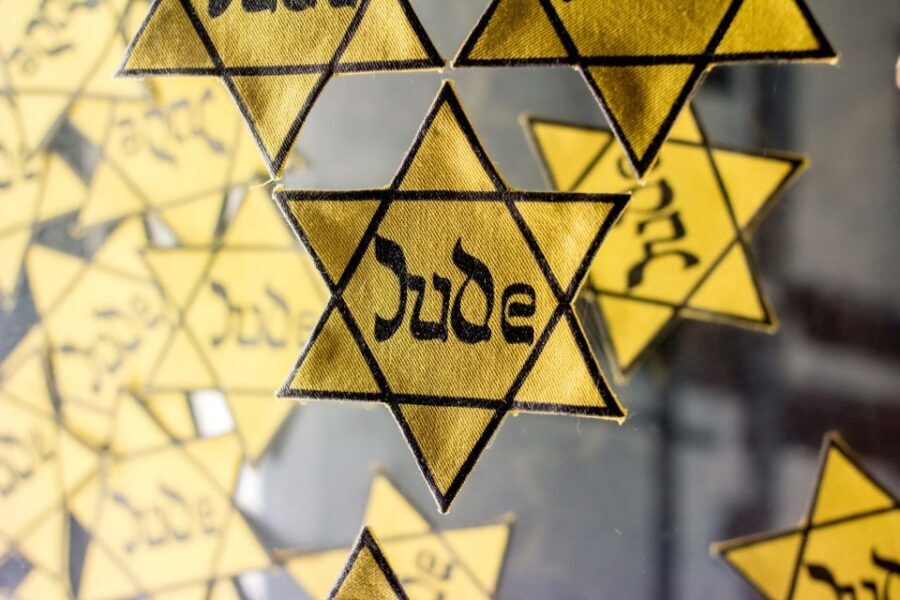
At $53 per person, you’re paying for a structured, guided half-day with real transportation costs folded in. The tour includes:
- Museum entrance fee
- Guide
- Transportation
It also includes audio guidance options in several languages: French, Russian, Italian, German, Spanish, and Czech.
That mix is part of the value. You’re not just getting a bus ride and an hour of wandering. You’re getting guided interpretation at key locations and audio support to reduce gaps.
What’s not included: lunch and hotel drop-off. Plan to eat before or after. Also remember that the crematorium is optional and not included, so if you want that add-on, you may need to budget for it separately.
Then there are the small extras that can catch you off guard:
- Photography in interiors is charged by the Memorial.
- Photography/video outdoors in the Small Fortress is charged at 50 CZK per recording equipment, including phones.
If you care about filming or photos, it’s worth keeping cash or a card ready and deciding in advance where you’ll actually record.
For some travelers, these extra costs are just part of being there. For others, they’re enough to skip filming entirely and focus on seeing.
Who should book this tour (and who might reconsider)
I think this tour is a strong fit if you:
- want a guided explanation so the history stays readable,
- care about Czech/Nazi history beyond the postcard version,
- prefer a fixed itinerary when the topic is emotionally intense.
This tour might feel less ideal if you:
- need a slow museum pace with lots of reading time,
- have trouble with fast-speaking guides or thick accents,
- want more free time to roam independently.
The good news is that the tour is built to be understandable, with audio support and live guiding. The main friction tends to be time pressure rather than confusion.
Also, bring the right expectations about what type of camp you’re visiting. One helpful clarification you may see reflected in guides’ explanations: Terezín is often discussed as a concentration camp/ghetto system rather than a simple “extermination camp” story. The site still shows mass death through the crematorium, so it’s not sanitizing anything—but it may shape how the guide frames the purpose of the camp.
Tips to make the day easier on you
This isn’t a “power through and grab photos” kind of outing. It’s intense and best done with a calm head.
A few practical ways to get more out of it:
- Arrive at Revoluční 25 with extra time. If signage is unclear, you’ll feel less stressed.
- If you rely on your phone during explanations, use earbuds so you can hear clearly and avoid distracting audio.
- If you’re sensitive to pacing, plan your expectations around the fact that you’ll have guided time blocks. You won’t get to take hours alone in every room.
- If you want the crematorium, check what day you’re going. It’s closed on Saturdays.
And one emotional tip, because it matters: go in ready to feel something. The best guides aim for respectful clarity, even when the subject is heartbreaking. It helps if you treat the visit like a memorial, not like another museum stop.
Should you book the Terezín Concentration Camp tour from Prague?
Yes, if you want a focused, guided day trip that connects the dots across Terezín Memorial, the Ghetto Museum, and the Small Fortress—with audio support and scheduled interpretation. The overall value is strong for the price because you’re paying for transport plus guided time plus entrance.
I’d book it especially if you’re comfortable with a serious, structured experience and you trust that the guide will pace the story in a respectful way. If you’re more of a “read every label slowly” person, or you get frustrated by time pressure, consider whether you might need extra time on-site elsewhere.
Either way, do yourself a favor: plan for a short, heavy day. Bring patience for the schedule, and make room in your brain for the details you’ll see and hear.
FAQ
Where is the meeting point in Prague?
You meet your guide at Revoluční 25, Prague 1 – Staré Město.
How long is the tour from Prague?
The total duration is 5 hours, including the transfer time.
What is included in the $53 price?
The price includes the museum entrance fee, a guide, and transportation.
Is there an audio guide?
Yes. Audio guides are included in French, Russian, Italian, German, Spanish, Czech.
Is lunch included?
No, lunch is not included.
Is the crematorium visit included?
No. Visiting the crematorium is optional and is not included in the tour.
When is the crematorium closed?
The crematorium in Terezín is closed on Saturdays.
Are there fees for taking photos or recording video?
Yes. Photography in interiors is charged by the Memorial. Outdoors in the Small Fortress is charged at 50 CZK per recording equipment, including mobile phones.