REVIEW · TEREZIN
Terezin concentration field excursion
Book on GetYourGuide →Operated by Los Torres s.r.o. · Bookable on GetYourGuide
Terezín hits harder than you expect. This 6-hour excursion in Ústí nad Labem-style time gives you a structured walk through the Terezín Memorial sites, from the ghetto to the fortress areas, with clear context and respectful guidance. I particularly like how the stop-by-stop approach connects the places to what happened there, and how Spanish guides (often including Eric, based on recent feedback) keep explanations direct and considerate.
One drawback to flag up front: this is heavy subject matter. If you’re looking for a light sightseeing day, this won’t match the mood, and you should plan for a slower pace and a more emotional itinerary, especially around the memorial spaces.
In This Review
- Key things I’d focus on
- Why Terezín feels different from a typical memorial visit
- Meeting in Prague’s orbit: V Celnici 4 and the opening ride
- Terezín Memorial and Ghetto Museum: names, facts, and the human scale
- The main fortress as the Jewish ghetto: seeing how the walls controlled life
- National cemetery and the ghetto vs. field explanation
- Following the same route as prisoners: from administrative courtyard to Arbeit Macht Frei
- Casamatas de la Fortaleza, the prisoners’ area, and the shooting field
- What you’re paying for: $68 for a guided, access-included 6 hours
- Who this excursion fits best (and who should reconsider)
- Should you book this Terezín concentration field excursion?
- FAQ
- FAQ
- Where is the tour meeting point?
- What time does the tour start?
- How long is the excursion?
- How much does it cost?
- Is there a guide on the tour?
- What language is the tour guide?
- What’s included in the price?
- Is the tour wheelchair accessible?
- Are pets allowed?
- Can I cancel and get a refund?
- Is there a reserve now, pay later option?
Key things I’d focus on
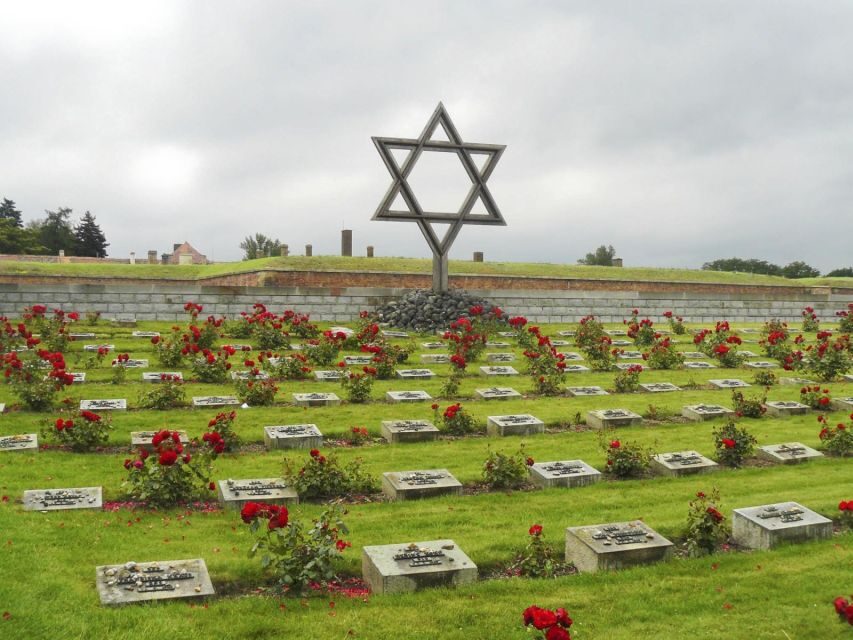
- The memorial’s mission and educational focus, built to commemorate victims of Nazi political and racial persecution.
- The fortress that became the Jewish ghetto, so you see how a military site was repurposed for confinement.
- The smaller fortress tied to the Lecca resistance field, giving a different lens beyond the ghetto story.
- Walking routes tied to prisoners’ paths, including the administrative courtyard concept and the prisoners’ areas.
- Terezín explained in sequence, so the ride and early museum stops set you up for what you’ll see later.
- A Spanish live guide, which makes the experience feel coherent and consistent throughout.
Why Terezín feels different from a typical memorial visit
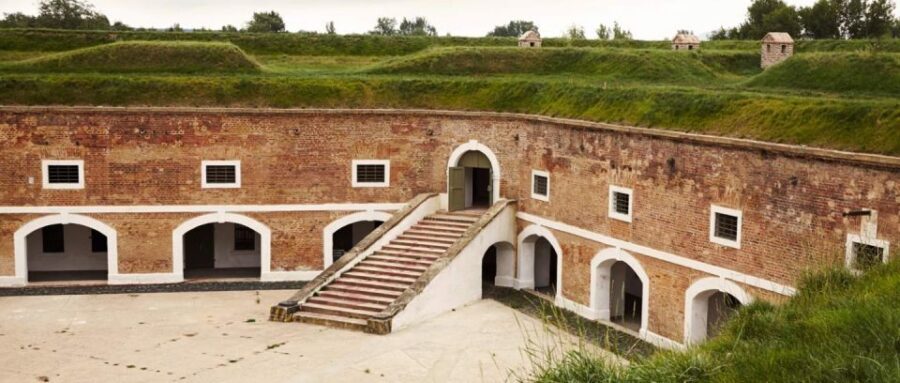
Most memorials you visit are about one idea. Terezín is about a system, run step by step, place by place. The Terezín Memorial (described as the only institution of its class in the Czech Republic) doesn’t just point at ruins. It’s organized around commemoration of the victims of Nazi political and racial persecution during the occupation of Czech lands in World War II, with museum work, research, and education tied directly to the sites you’ll walk through.
What I like about this tour format is that it doesn’t throw you into the deep end without context. You start with explanations meant to help you interpret what you’re seeing, then you move into the main fortress areas and the places connected to prisoner life and control.
You can also read our reviews of more tours and experiences in Terezin.
Meeting in Prague’s orbit: V Celnici 4 and the opening ride
You’ll meet at V Celnici 4 and get going at 9:00. That early start matters here because it sets a calm rhythm. The group gets time to absorb the background before you reach the fortresses.
On the way, you pass the monument to the Anthropoid Operation. This is a small but meaningful way to anchor your day in Czech history before you focus on Terezín. The guide then uses the ride to add historical and technical details that later connect to what happened at Terezín. It’s the kind of lead-in that helps you read the fortifications as buildings with purpose, not just stone.
Practical tip: if you’re traveling from Prague, wear layers. You’ll be in transit and then outside for parts of the visit. This doesn’t need to be an uncomfortable day, but you should be ready to move.
Terezín Memorial and Ghetto Museum: names, facts, and the human scale
At the Terezín Memorial – Ghetto Museum, the day gets serious in the best way: you’re guided through the story with structure. You’ll have a photo stop and then a guided tour inside.
The museum focus is on knowing names, facts, and ways. That phrasing matters. It’s not only about big-picture WWII events. It’s about people, documented realities, and the way the site functioned during the occupation. When you’re walking among places that once carried out dehumanizing policies, this kind of grounding helps you avoid turning the visit into just architecture spotting.
The tone across the experience (especially with the Spanish-language guidance) is practical and respectful. Based on feedback, people consistently praise guides for being clear and respectful when explaining life during Terezín’s use as a concentration site. That matters because the subject requires language that doesn’t sound mechanical.
If your Spanish is limited: you can still benefit from the tour’s structure, but you’ll likely feel the difference in comprehension. This is a live Spanish guide experience, so consider whether you’re comfortable following spoken history.
The main fortress as the Jewish ghetto: seeing how the walls controlled life
After you leave the museum areas, you head into the main fortress, where the fortress itself was used as the Jewish ghetto. This is one of the tour’s core highlights because you don’t just read about the ghetto system. You see the built environment that shaped daily reality.
You’ll also revisit the idea of confinement through the lens of where things occurred. The tour includes stops that connect the physical site to the roles it played: administrative and control areas, then movement and prisoner spaces.
One of the most useful things here is how the guide keeps returning to function. You’re not left wondering what something was for. You get told why that part mattered, and that makes the fortress feel less like a “static ruin” and more like a machine that was operated.
National cemetery and the ghetto vs. field explanation
You’ll continue to the national cemetery, and this is where the tour starts helping you sort out key terms. The guide explains the differences between the ghetto and the field.
That distinction can be easy to blur if you’ve only read a few articles. On the ground, it helps you understand the system as separate phases and separate functions under Nazi control. It also gives you a clearer mental map before you follow prisoner-like routes deeper into the camp area.
You’ll spend time listening to explanations tied to figures, motives, and methods in the cemetery complex. It’s not just memorial time. It’s interpretive time, designed to give you a better sense of intent and process.
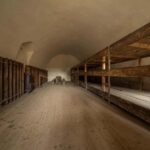
Following the same route as prisoners: from administrative courtyard to Arbeit Macht Frei
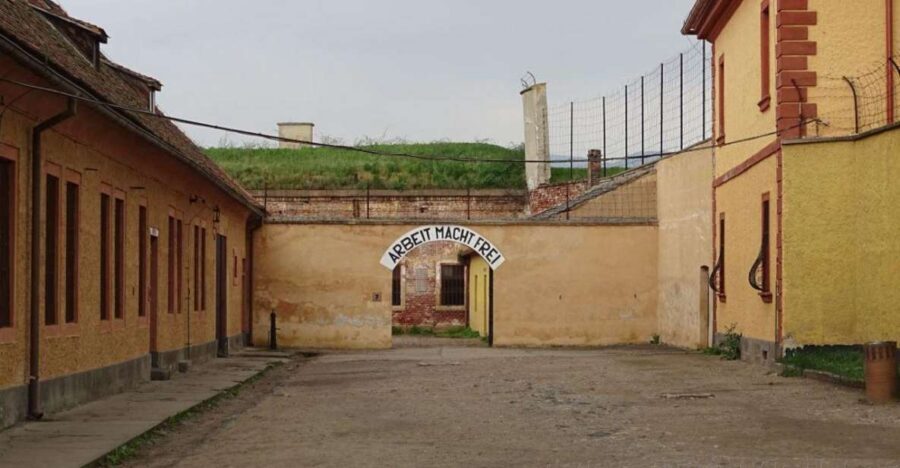
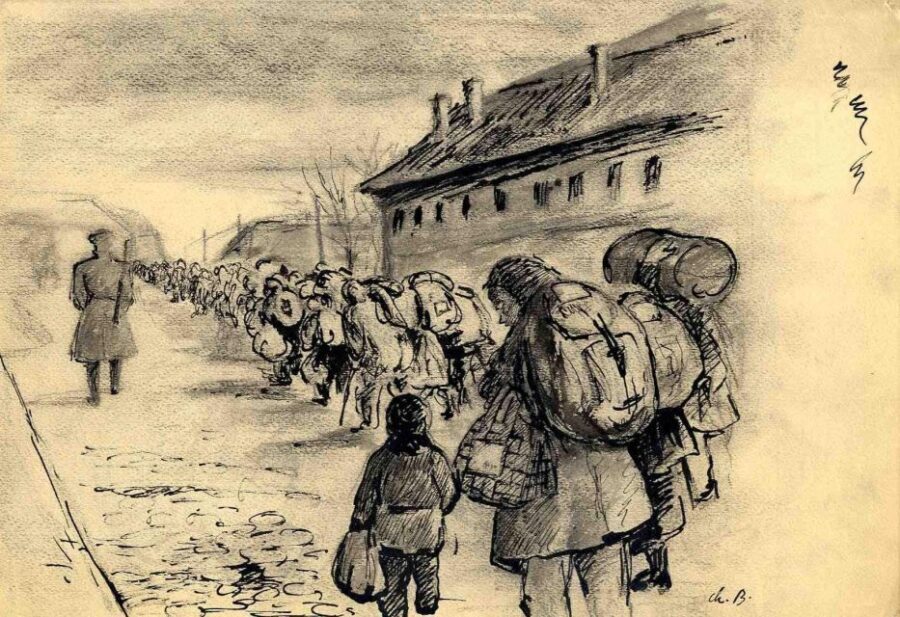
This part of the visit is guided with the idea of walking the route prisoners followed. You enter the concentration camp area following the same flow, beginning in the administrative courtyard.
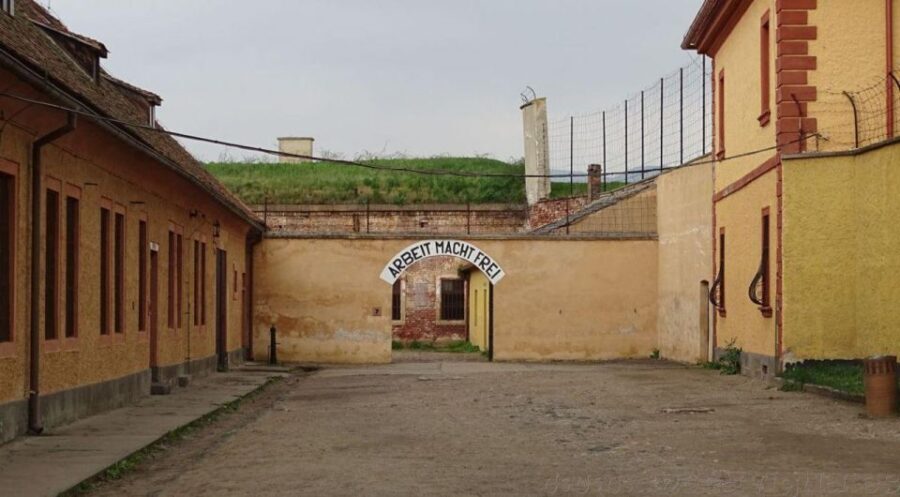
The tour then moves you past Arbeit Macht Frei. Even if you’ve seen that phrase before, experiencing it as part of a guided route helps you understand it as part of a coercive system, not a museum slogan.
From there, you reach the area for prisoners. This section is one of the reasons I think this excursion is worth the money: the guide’s framing turns your feet into context. You’re not only looking at buildings; you’re tracking how the system moved people and controlled them.
A heads-up for your own comfort: expect quiet pacing and reflective moments. There are areas where you may feel stuck in thought. That’s normal. Don’t treat it like an all-purpose walking tour.
Casamatas de la Fortaleza, the prisoners’ area, and the shooting field
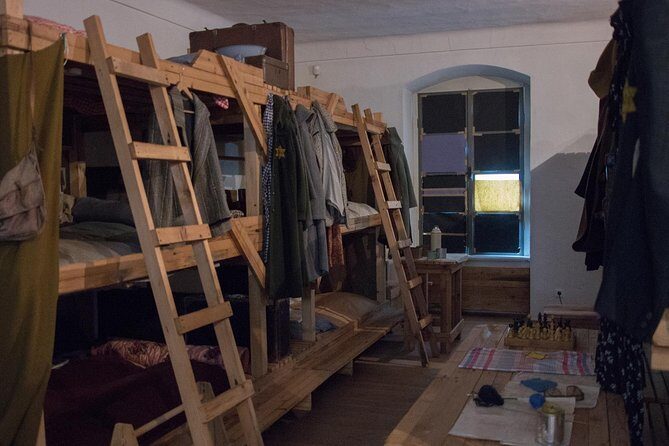
Next comes the Casamatas de la Fortaleza. These enclosed fortress spaces help you understand the reality of confinement—how walls, corridors, and rooms shape what people can do and how control is enforced.
After that, you reach the shooting field and then a portion of the residential area. This sequence matters because it moves you across the system: confinement and control, then execution spaces, then where daily life was framed under occupation.
I also like that this tour doesn’t over-sensationalize. It keeps the focus on the facts your guide is giving you and the spatial logic of what you’re walking through. That makes it easier to stay respectful while still learning.
If you tend to rush on tours: resist that urge today. The value here is in comprehension, not speed.
What you’re paying for: $68 for a guided, access-included 6 hours
Let’s talk value, not just price. At $68 per person, you’re paying for:
- A live guide service
- Round trip transportation
- Entries to the memorial facilities
- A full 6-hour program with stops that build on each other
For a day with guided interpretation plus transport plus entrance fees, this sits in the category of “you’re buying time and context.” You’re not left to figure out the route, the terms, or which parts matter most. And because the day is organized in sequence—from ride context to museum to fortress spaces—you get a coherent narrative rather than a set of disconnected sites.
Is it cheap? No. But it’s not a sightseeing bargain either. It’s a guided memorial visit, and the guide component is central to the experience.
Who this excursion fits best (and who should reconsider)
This tour fits best if you want a structured memorial visit and you appreciate clear historical framing. It’s also a good match if you like learning through place-based explanation—how built spaces functioned in practice.
You might reconsider if:
- You want a casual day with lots of free time and a relaxed pace.
- Spanish narration is a dealbreaker for you (the guide is live Spanish).
- You’re sensitive to highly difficult subject matter and might find the content overwhelming.
On the positive side, the experience is described as wheelchair accessible, so mobility shouldn’t automatically rule it out. Still, wear comfortable shoes. Even with access, you’ll be moving through multiple fortress and memorial areas.
Should you book this Terezín concentration field excursion?
Yes, if you want a guided day that treats the sites seriously and helps you understand the difference between the ghetto system and the concentration/camp-related spaces. The main draw is the sequencing: you’re set up on the ride, grounded in the museum, then led through the fortress and camp areas in a way that follows the logic of what prisoners experienced.
Book it if:
- You appreciate a clear Spanish-language guide.
- You want guided access with transportation and entries handled.
- You’re okay with a reflective, heavy itinerary.
Skip it if:
- You’re trying to balance this with “fun plans” the same day.
- You don’t feel ready for difficult history presented on-site.
FAQ
FAQ
Where is the tour meeting point?
The meeting point is V Celnici 4.
What time does the tour start?
The itinerary begins at 9:00 in the morning.
How long is the excursion?
The duration is 6 hours.
How much does it cost?
It costs $68 per person.
Is there a guide on the tour?
Yes. You get a live tour guide.
What language is the tour guide?
The live guide language is Spanish.
What’s included in the price?
Included are guide service, round trip transportation, and entries to the facilities.
Is the tour wheelchair accessible?
Yes, the experience is wheelchair accessible.
Are pets allowed?
No, pets are not allowed.
Can I cancel and get a refund?
Yes. You can cancel up to 24 hours in advance for a full refund.
Is there a reserve now, pay later option?
Yes. There is a reserve now & pay later option so you can book and pay nothing today.
If you tell me your Spanish level and what kind of day you want (quiet learning vs. more general sightseeing), I can help you decide if this is the right fit for your trip.