REVIEW · PLZEN
Pilsen: Brewery Museum Entrance with a Glass of Beer
Book on GetYourGuide →Operated by Pilsner Urquell Brewery · Bookable on GetYourGuide
A beer museum that feels like time travel. In Plzeň, the Brewery Museum sits inside a preserved 15th-century house, and you’ll walk through how Czech beer was made, served, and drunk long before modern breweries ruled the world. The day ends with a 0.3l Pilsner Urquell beer voucher and a proper taste.
What I really like is how hands-on the experience feels for a museum. You’ll see medieval-style spaces, learn beer customs from the past (yes, including the reed), and spot standout details like the Gothic malt house and the famous claim about the smallest jug in the world. The only real drawback to plan for is that the SmartGuide audio can be fiddly at times—when that happens, don’t worry, there are also good signs in multiple languages to keep you moving.
In This Review
- Key points that make this visit worth your time
- Brewery Museum in Plzeň: a 15th-century setting that does half the work
- Inside the preserved brewing house: what you’ll actually see
- Medieval beer habits: the reed, the cellars, and why it felt different
- Gothic malt shop and the threshing-yard process
- Authentic pub life: early-20th-century drinking culture
- Your Pilsner Urquell tasting: 0.3 liters, voucher rules, and where to redeem
- Price and scheduling: fitting this into a 1-day Plzeň plan
- Where to go: the Brewery Museum meeting point in central Plzeň
- Languages and SmartGuide: how to get English or German
- Who should book this beer history stop
- Should you book the Pilsen Brewery Museum with a glass of beer?
- FAQ
- How much does the Brewery Museum entrance with a Pilsner Urquell beer cost?
- How long is the experience?
- What’s included with my ticket?
- Do I get the beer tasting if I’m under 18?
- How do I take the tour in English or German?
- Where can I redeem the Pilsner Urquell beer voucher?
- Is there free cancellation and a reserve-and-pay-later option?
Key points that make this visit worth your time
- A real preserved 15th-century house that shapes the whole atmosphere of the visit
- Medieval beer drinking through a reed, which makes the past feel practical, not just decorative
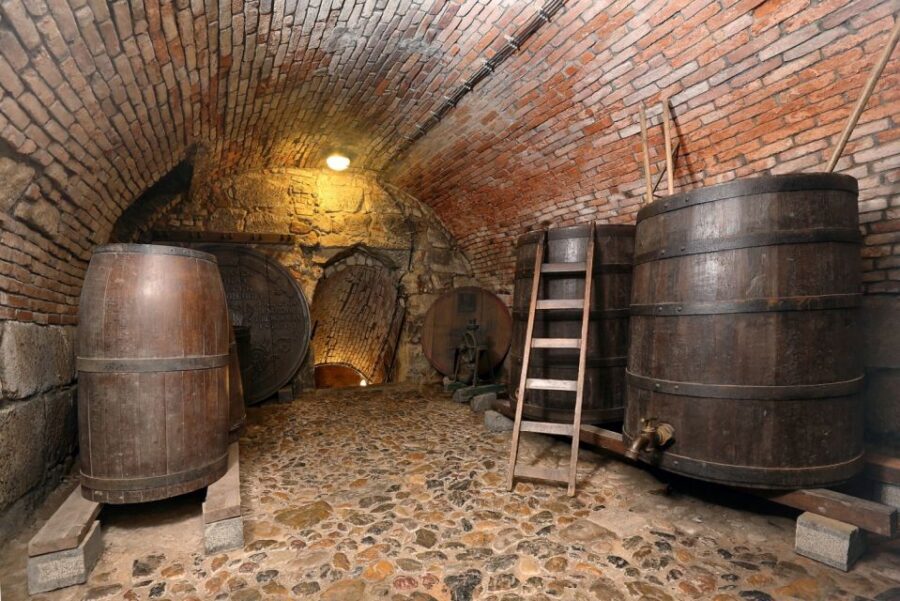
- Medieval cellars hidden under the brewing house, where “how they did it” becomes obvious
- Late Gothic malt shop and the threshing-yard process (grain steeping and germination)
- An authentic view of beer pub life from the early 1900s, not just old machinery
- A measured 0.3l Pilsner Urquell tasting tied to the tour, with 18+ rules
Brewery Museum in Plzeň: a 15th-century setting that does half the work
If you want Czech beer history without museum-stuffed talking points, this is a smart stop. The setting matters. You’re not looking at beer culture in a generic modern hall. You’re moving through a preserved building from the 1400s, and that instantly makes the topic feel more grounded—like you’re walking around in the same kind of walls where beer life happened.
I also like that the museum keeps its focus. You’re there for beer: the techniques, the rituals, and the serving culture. The tour is designed like a storyline, moving through time so you don’t feel lost in facts. And because the Pilsner Urquell tasting is built into the experience, you finish with a result, not just information.
One practical note: this is not a “slow stroll with optional detours.” It’s structured. Expect to follow the flow of the visit, look at what’s in front of you, and listen/watch as you go. It’s ideal if you like learning while walking instead of sitting.
You can also read our reviews of more food & drink experiences in Plzen

Inside the preserved brewing house: what you’ll actually see
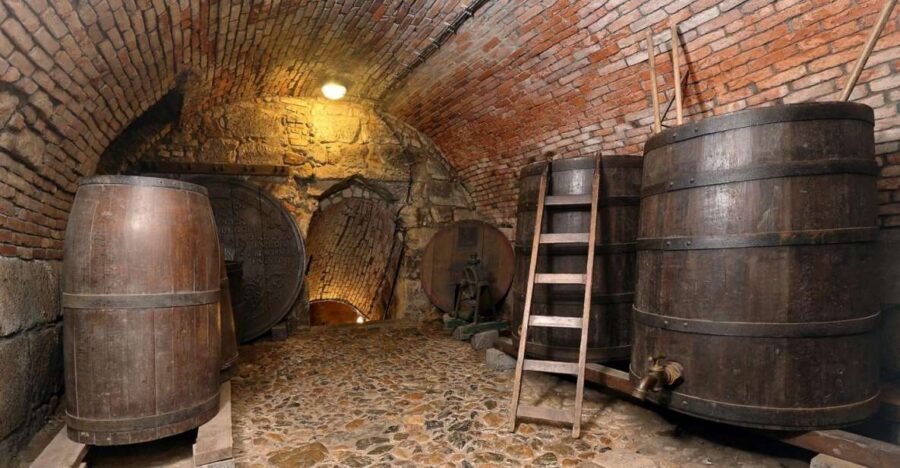
This museum is based in a professional setting inside a 15th-century house preserved in its original form. That sounds like a technical detail, but in practice it means the building itself helps you understand beer production. When you move through rooms designed for brewing work, storage, and serving, the story clicks faster.
Here’s the kind of content you can expect as the tour progresses:
- You’ll learn about a beer-making legend and the bigger story behind Czech beer.
- You’ll see how beer production and drinking habits changed across centuries.
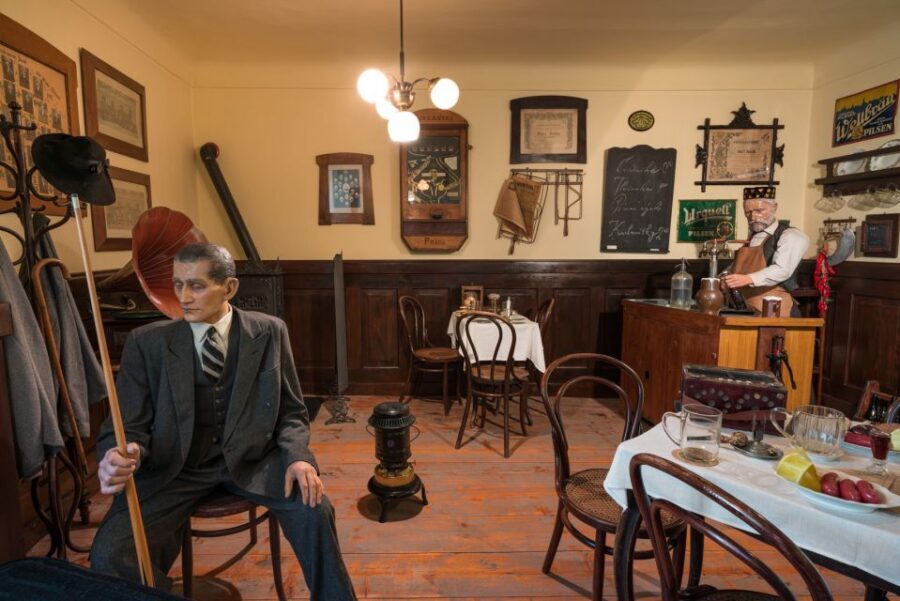
- You’ll step into spaces that represent older beer pubs, including models or recreations of early-20th-century drinking environments.
The “what” is the obvious part—beer and history. The “why it matters” is that the museum shows beer as a daily system. You’re not just tasting a drink. You’re seeing the whole chain: grain preparation, brewing, storage, and the ways people consumed beer socially.
Medieval beer habits: the reed, the cellars, and why it felt different
One of the most memorable things you’ll hear about is how people in medieval times drank beer through a reed. It’s a small detail, but it’s the kind that explains the era better than a long lecture would. You’re seeing how ordinary needs shaped the ritual of drinking.
That reed detail also gives you a better lens for everything else. It’s a reminder that beer wasn’t just a beverage for fun. It was a practical part of life, shaped by what people needed and what their world allowed. When the tour frames beer that way, the history stops feeling like a trivia contest.
Then comes the part that tends to make people pay attention: medieval cellars hidden under a 15th-century brewing house. Cellars matter because beer production depends on storage conditions. Even if you don’t know brewing science, you can still understand what a cellar represents: cool, controlled space where the process could continue and beer could hold up.
This is where the museum’s structure pays off. You don’t just hear the history; you’re standing in the kind of architectural logic that made the history possible.
Gothic malt shop and the threshing-yard process
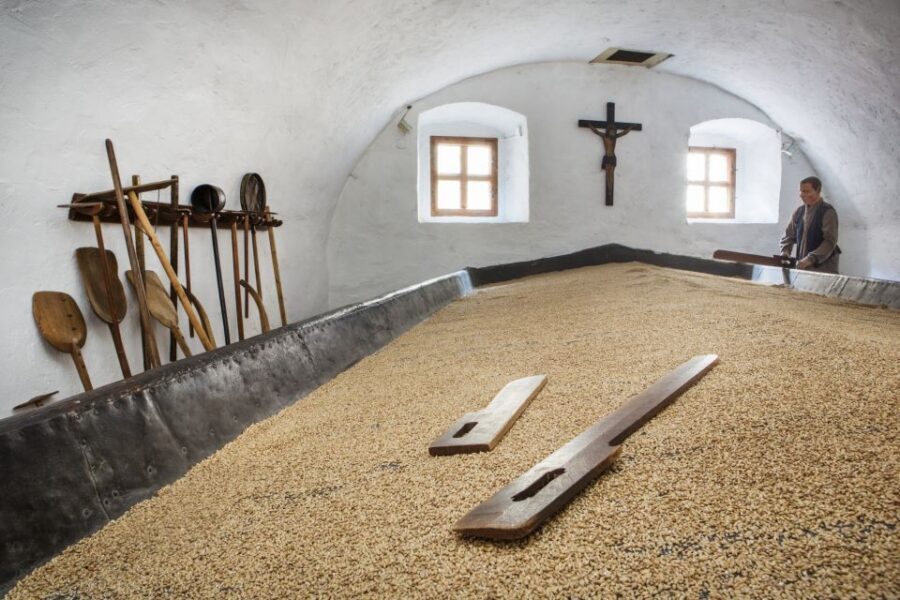
If your brain likes “show me how,” this section is for you. The tour includes the late Gothic malt shop, which is connected to the threshing-yard area where key steps in grain preparation happened.
You’ll learn about:
- Grain steeping (so the grain could begin the right transformation)
- Germination (the step that helps create what brewing needs later)
This isn’t just a technical detour. Malt preparation is one of the main reasons beer tastes the way it does. By walking through the malt shop and seeing the layout tied to these steps, you’ll get a clearer picture of why Czech beer became known for certain qualities.
Also, keep an eye out for the museum’s standout novelty: the smallest jug in the world. It’s listed as a highlight for a reason. Even if you’re not a collector type, that little moment helps break the heaviness of history and gives you something concrete and visually satisfying to remember.
Authentic pub life: early-20th-century drinking culture
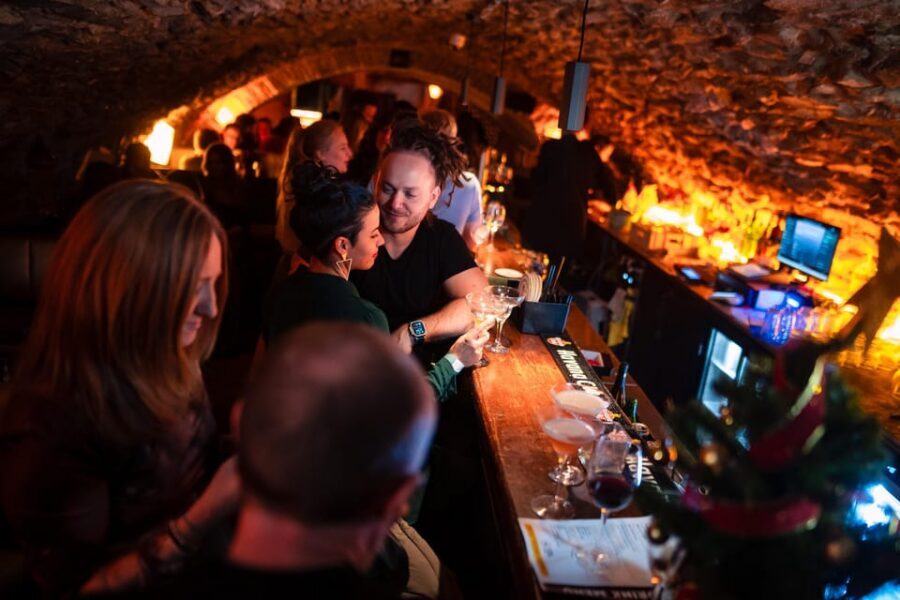
One reason I like beer museums is that they don’t have to stop at machines. This one includes a look at what Czech pubs looked like in medieval times and also features authentic beer pubs from the beginning of the 20th century.
That matters because it shows how beer culture works beyond production. Brewing is one side of the story. The social setting is the other. When you see pub life from a later period, you get a sense of continuity and change—how people drank, gathered, and treated beer as part of everyday identity.
This section can be surprisingly “useful travel knowledge.” Once you’ve seen how pubs were set up in the past, it helps you notice what’s still carried forward in modern Czech bars: layout, serving style, and the way beer is woven into social rhythm.

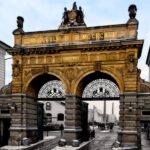


Your Pilsner Urquell tasting: 0.3 liters, voucher rules, and where to redeem
The tour includes a tasting tied to Pilsner Urquell—a 0.3l pour. If you’re 18 or older, you’ll receive a beer voucher at the end of the tour exchangeable for that tasting.
The redemption locations named for the voucher are:
- Na Spilce
- U Salzmannů
- Na Parkánu
This is a good setup because it lets you keep your evening flexible. You’re not forced to drink immediately at the museum. You can plan the tasting around the rest of your day in Plzeň.
If you’re traveling with minors, make note of the age rule: the voucher beer tasting is only for visitors 18+, and school groups with minors won’t be provided the beer tasting. If you’re booking as a group, this is the kind of detail that can save last-minute disappointment.
Also remember: the tasting is specifically measured at 0.3 liters, so you should treat it as a taste and not a full beer crawl starter kit.
Price and scheduling: fitting this into a 1-day Plzeň plan
At $7 per person for entrance plus the tasting, this can be excellent value for a short visit. You’re not just paying for a room full of labels. You get the guided story through preserved spaces and you end with a beer tasting included in the price.
Duration-wise, plan for a 1-day experience. In a city like Plzeň, that’s the sweet spot. You can pair it with other central sights without feeling like you’re trapped in one attraction all day.
For timing, I’d suggest building a buffer. You want time to stop, read signs, and actually look at the details (like the malt shop elements and the small-jug moment). If you rush, you’ll miss the best part: the way the buildings help explain the process.
Where to go: the Brewery Museum meeting point in central Plzeň
Meet at the Brewery Museum, 301 14, Veleslavínova 58/6, Vnitřní Město, 301 00 Plzeň-Plzeň 3, Czech Republic.
This is a location designed for visitors who want an easy on-ramp into the Plzeň beer story. Since it’s a museum experience, you don’t need special planning beyond getting there on time and being ready to follow the guided route.
One more thing: the museum uses the SmartGuide system for language support, so have your phone ready.
Languages and SmartGuide: how to get English or German
You can download the SmartGuide application as a foreign visitor to take the tour in English or German. The key step is at the ticket office: you receive a SmartGuide QR code and then activate the content by scanning that code along with your ticket (including an e-ticket).
Here’s the practical advice: if the app acts up, don’t stall your day. There are also signs in multiple languages. From my perspective, this is the kind of attraction where you won’t feel totally stuck even if the audio has hiccups.
Who should book this beer history stop
This museum visit is a great match if you:
- Want Czech beer history with a strong sense of place (real rooms, not just exhibits)
- Like tours that move through time in a logical order
- Enjoy details like beer-making steps and how people drank socially
- Want a included tasting without turning it into a long bar crawl
It might be less ideal if:
- You need wheelchair access, since it’s not suitable for wheelchair users
- You’re looking for a hands-on brewing class (this is more historical and interpretive than workshop-style)
For most visitors, though, it’s a strong value because it blends architecture, story, and a real beer moment at the end.
Should you book the Pilsen Brewery Museum with a glass of beer?
Yes—if you want an efficient, high-impact way to understand Czech beer culture in Plzeň. For $7, you get admission plus a 0.3l Pilsner Urquell tasting, and you’ll walk through preserved spaces that make the history feel tangible.
I’d book it especially if you’re the type who likes learning by moving: cellars, malt rooms, pubs, and the “how it worked” details. If you’re sensitive to accessibility issues, double-check your mobility needs first. And if you rely heavily on audio, keep the Plan B mindset: signs are there, and the story still works.
If your Plzeň day is short and you want something more meaningful than a quick photo stop, this is a solid bet.
FAQ
How much does the Brewery Museum entrance with a Pilsner Urquell beer cost?
It costs $7 per person.
How long is the experience?
The experience is listed as 1 day.
What’s included with my ticket?
Your ticket includes entrance to the Brewery Museum and a Pilsner Urquell beer tasting of 0.3 liters (via the voucher process for eligible visitors).
Do I get the beer tasting if I’m under 18?
No. Beer tasting vouchers are only issued to visitors aged 18 or older. Minors won’t receive the beer tasting, including for school groups with minors.
How do I take the tour in English or German?
Foreign visitors can use the SmartGuide app. You’ll scan the SmartGuide QR code from the ticket office together with your ticket (or e-ticket) to activate the English or German content.
Where can I redeem the Pilsner Urquell beer voucher?
The voucher can be exchanged for the tasting at Na Spilce, U Salzmannů, or Na Parkánu.
Is there free cancellation and a reserve-and-pay-later option?
Yes. You can cancel up to 24 hours in advance for a full refund, and you can reserve now & pay later.