REVIEW · PLZEN
Pilsen: Old Town Guided Walking Tour
Book on GetYourGuide →Operated by DH Travel s.r.o. · Bookable on GetYourGuide
Plzeň looks best when you walk it, not rush it. This Pilsen Old Town guided walking tour strings together the city’s top sights into one easy 2-hour plan, with entrance fees handled. I especially like how the route mixes big landmarks with street-level atmosphere. A good consideration: the Great Synagogue is closed on Fridays and Saturdays, so you’ll miss that stop on those days.
Second thing I like: the tour is led by a live English guide, and the guidance comes with practical context. If you get Radim, you’ll likely appreciate his clear explanations plus extra tips on local food and what to try in town.
One possible drawback to plan around: you need comfortable walking shoes and you’ll be moving at a walking pace for the full 2 hours. If your goal is a slow, sit-down tour, this format may feel a bit brisk.
In This Review
- Key things to know before you go
- A 2-hour Old Town sweep that stays on your feet
- Where to meet your guide: stadium fan shop, not the cathedral
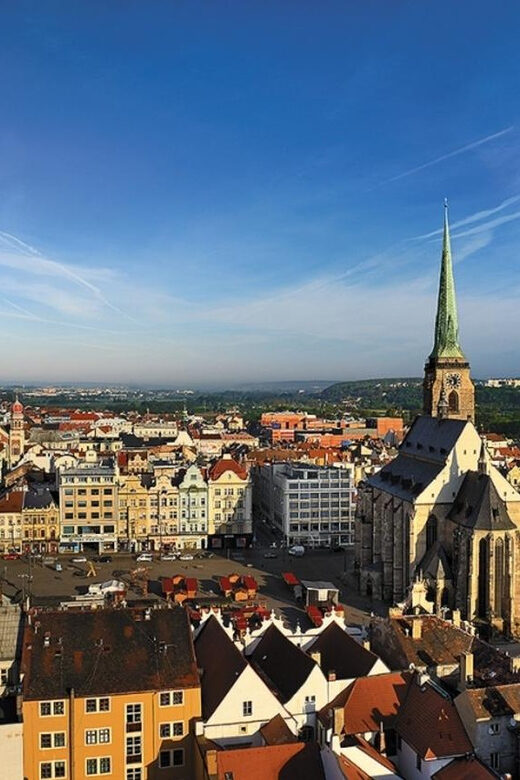
- St. Bartholomew’s Cathedral: the stop that sets the tone
- Pilsen City Hall: where civic power shows in stone
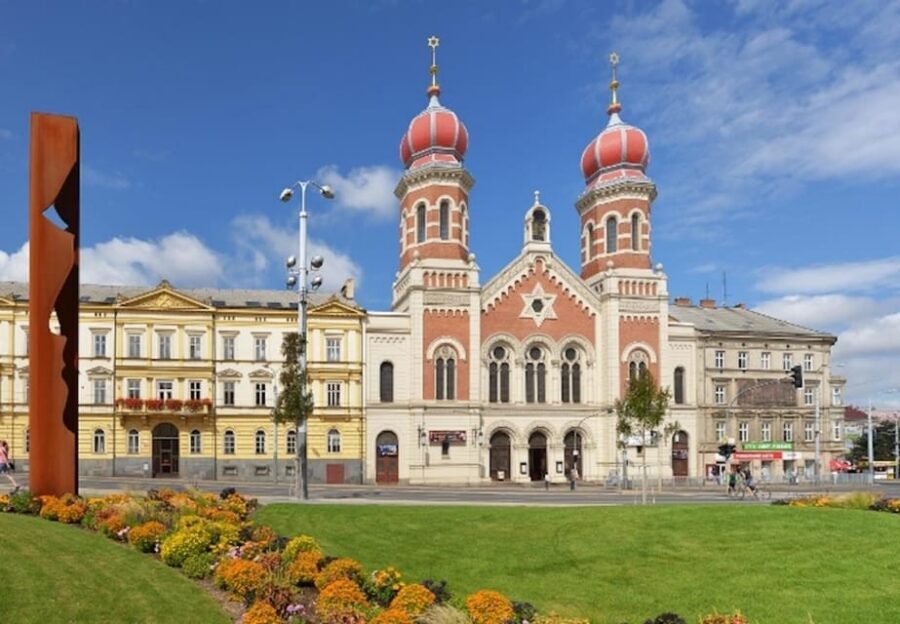
- Great Synagogue: major history, but only some days
- Mill Race: the quieter stop with a practical story
- Pilsen’s medieval roots and beer role, explained on your route
- The guide: live English, real engagement, and local food tips
- Price and value: what $58 includes and why it matters
- Logistics that actually affect your experience
- Who this walking tour suits best
- Should you book the Pilsen Old Town Guided Walking Tour?
Key things to know before you go
- 2 hours gives you a focused Old Town sweep without eating your whole day.
- Entrance fees included for St. Bartholomew’s Cathedral all days, plus the Great Synagogue when it’s open.
- English live guide makes the history easy to follow and ask questions about.
- Great Synagogue closure on Fridays and Saturdays affects the exact stops you’ll see.
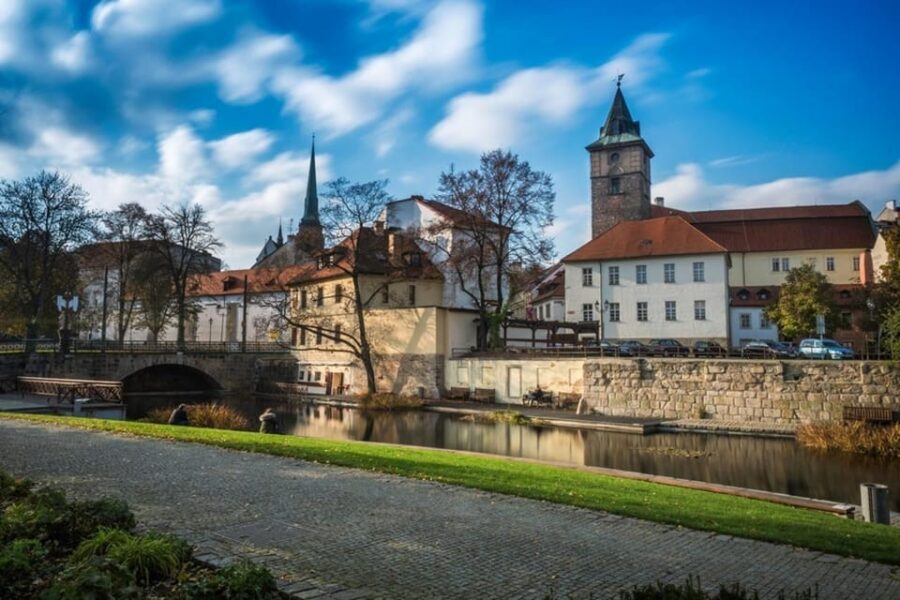
- Mill Race is included, so you get beyond just churches and town buildings.
- Meet at the stadium fan shop so you avoid hunting for the guide near the center.
A 2-hour Old Town sweep that stays on your feet
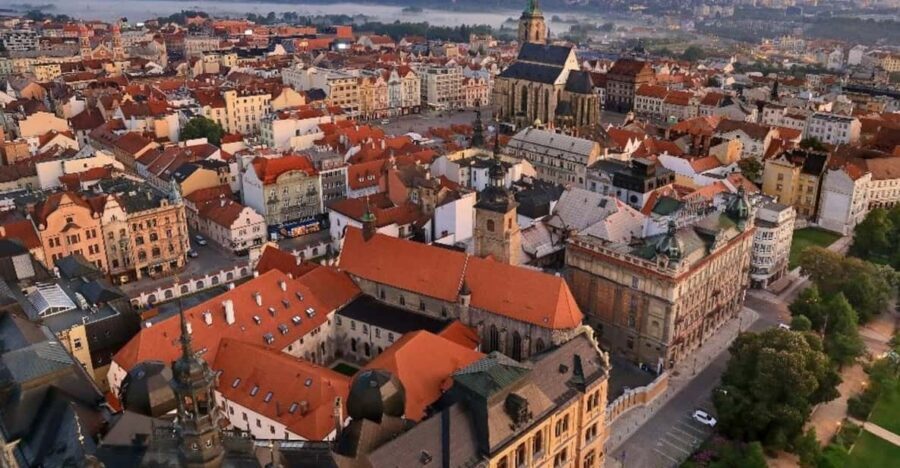
This is the kind of tour that works when you have limited time in Plzeň but still want the “main sites” with real meaning behind them. At 2 hours, you get a tight route through the historic heart while your guide connects the dots across eras.
I like that the pace is built for sightseeing, not museum marathons. You’ll spend enough time to register what you’re looking at, then move on before boredom kicks in.
You can also read our reviews of more tours and experiences in Plzen.
Where to meet your guide: stadium fan shop, not the cathedral
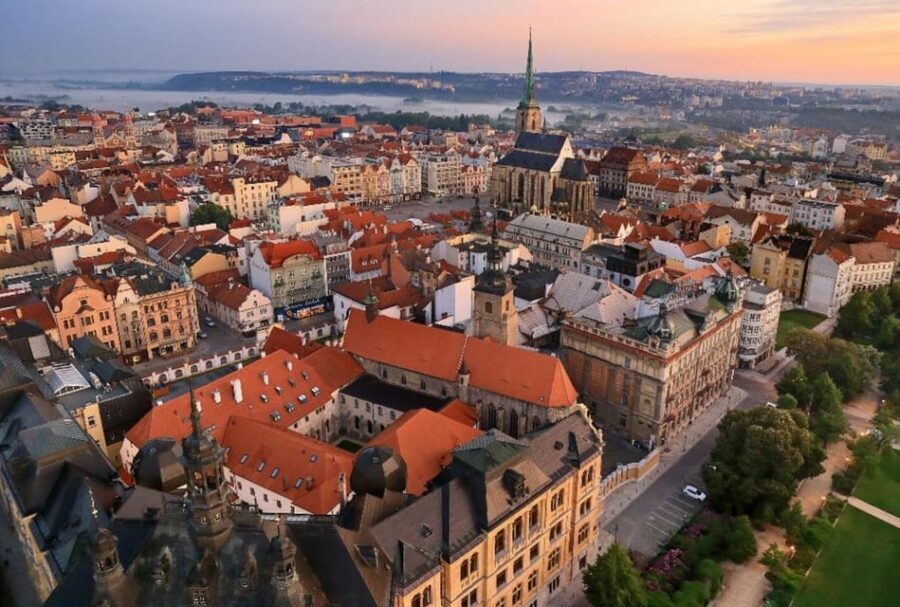
Your guide waits in front of the football stadium, specifically in front of the fan shop. That matters more than it sounds. In Plzeň, like many Czech cities, the Old Town can feel compact until you start searching for a specific meeting spot.
I suggest doing one quick check the moment you arrive: identify the stadium side with the fan shop before you wander. It saves time and keeps the start calm.
St. Bartholomew’s Cathedral: the stop that sets the tone
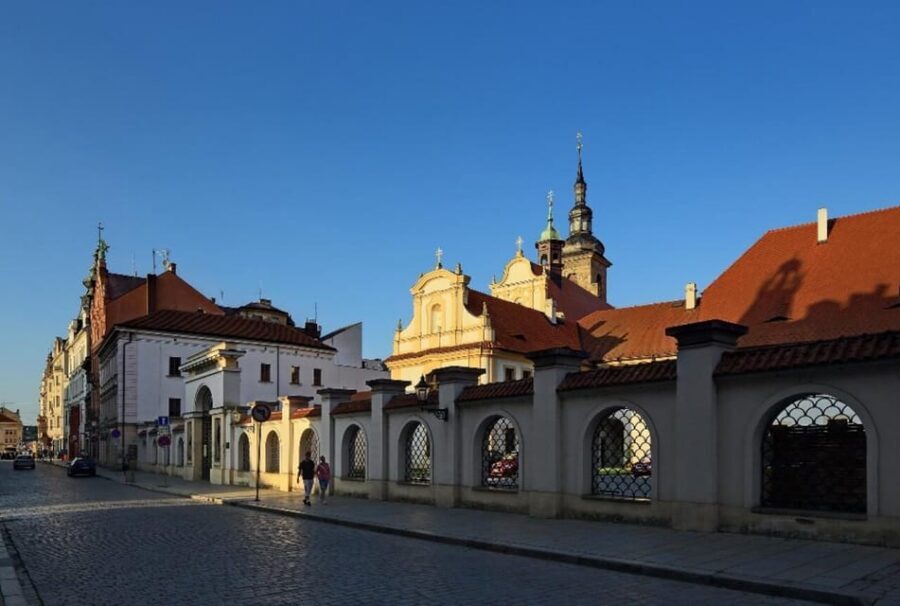
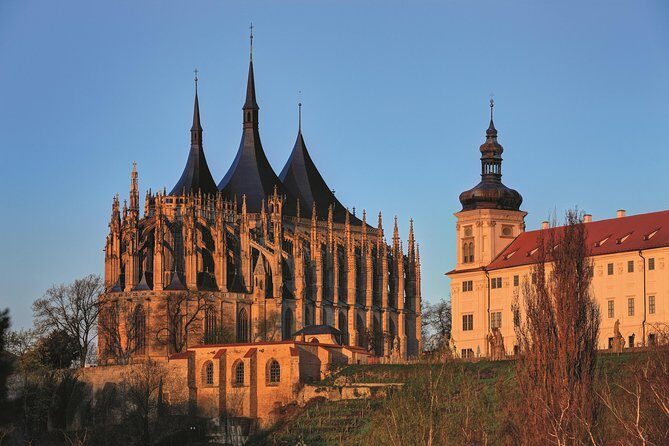
The tour includes entrance to St. Bartholomew’s Cathedral, and it’s included all days. This is the kind of landmark that changes how you understand a town. Once you see the scale and style up close, the surrounding streets and buildings start to make more sense.
When you’re inside, watch for how the space feels designed for ceremony and gathering. Even if you do not go deep into architectural theory, you’ll pick up the mood fast: this is a centerpiece, not a quick photo stop.
Why it’s valuable: a cathedral visit early in the tour anchors everything else you’ll see. After that, Pilsen’s civic buildings and synagogue architecture won’t feel random; they’ll feel like different threads in the same urban story.
Small consideration: cathedrals can be visually intense. If you prefer quiet slow viewing, arrive with a mindset to take in the big moments first, then let the details come second.
Pilsen City Hall: where civic power shows in stone
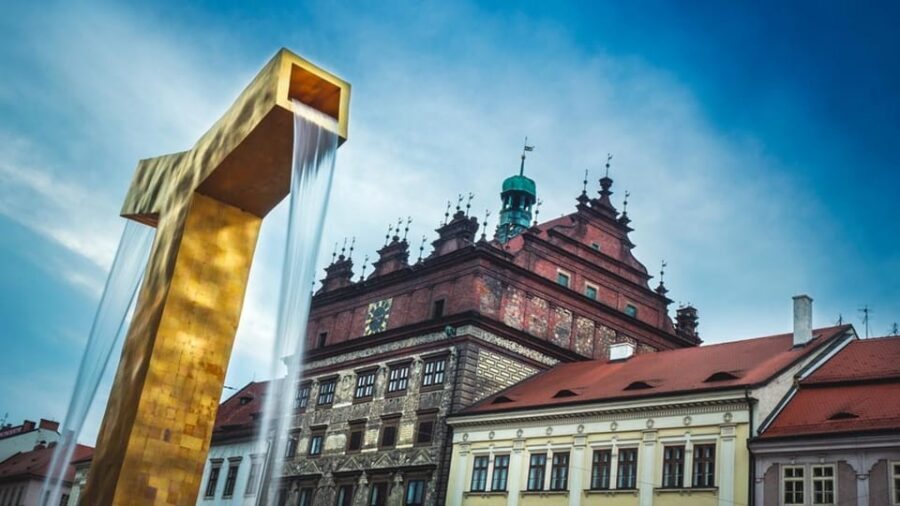
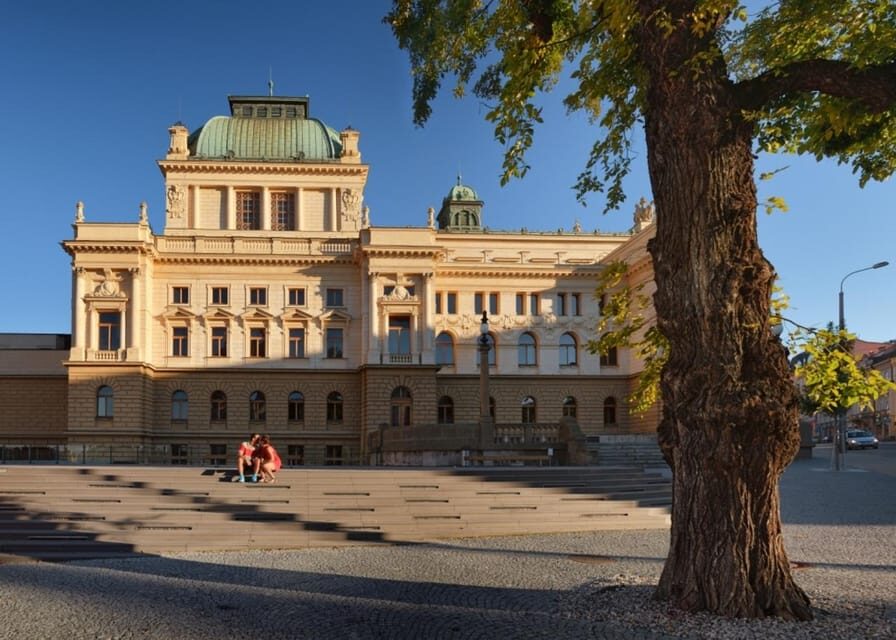
Another key stop is Pilsen City Hall. This is where the “who ran the place” story becomes physical. If St. Bartholomew’s Cathedral is about religious life and community focus, the City Hall is about organization, decisions, and the city’s public face.
I like this pairing because it prevents history from becoming one-note. You’re not only looking at places of worship. You’re also seeing how the city expressed authority and identity through civic architecture.
What to do while you’re there: take a minute to look for the building’s most formal elements. Even without a guide pointing everything out, you’ll feel the difference between this kind of building and everyday streetscapes.
Great Synagogue: major history, but only some days
The tour includes entrance to the Great Synagogue, but there’s a clear rule: it’s closed on Fridays and Saturdays. So if your dates land on those days, your experience will still include other historic highlights, but this particular stop won’t be available.
This is one of those moments where timing affects value. If you care about Jewish heritage and want to see inside, plan your Pilsen visit for a day when it’s open.
Why this stop matters: the tour frames it as part of the city’s wider role in important historical events. That context changes the visit. Instead of treating it like a standalone attraction, you understand it as part of how Pilsen developed socially and culturally over time.
Mill Race: the quieter stop with a practical story
You’ll also visit Mill Race. I love when a walking tour includes something functional like this because it reminds you cities run on systems. Waterways, mills, and the flow of resources often explain why a town grew where it did.
Even if Mill Race is not the flashiest stop, it gives you a different angle on Pilsen. It connects everyday mechanics to larger city life, especially when the guide later ties the story to Pilsen’s brewing era.
What you’ll likely notice: the area feels less like a monument and more like infrastructure. That’s good. It makes the tour feel grounded.
Pilsen’s medieval roots and beer role, explained on your route
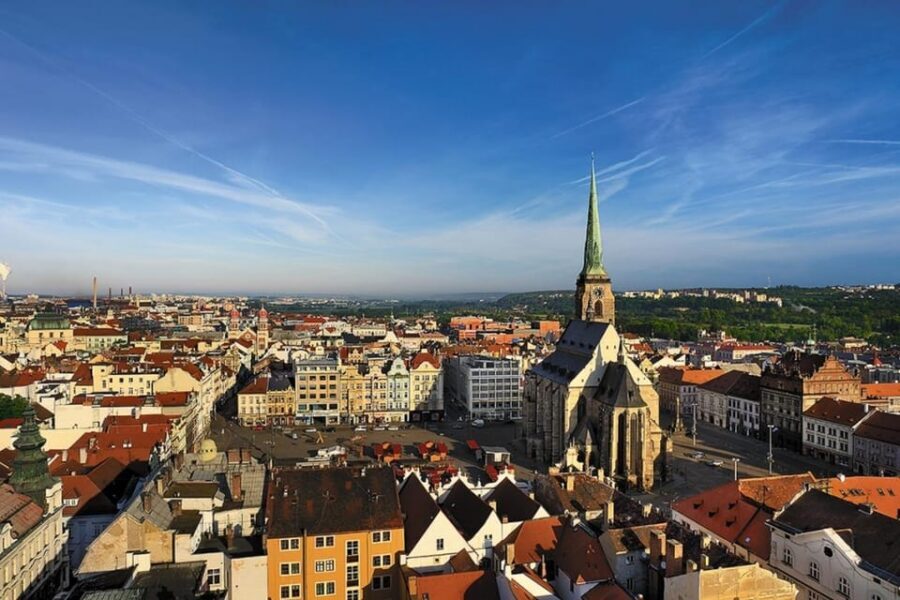
One thing this tour does well is linking big eras without turning into a lecture. You’ll hear how Pilsen’s story runs from medieval roots into its role in beer brewing and other significant historical events.
You can think of it as a timeline you walk through. Churches and civic buildings show how communities formed and governed. A synagogue and a water system show how society worked and how the city powered daily life. Then the brewing connection helps you understand why Pilsen became famous beyond the region.
If you like beer culture, this kind of context is extra useful. You’ll be able to connect a brand you might recognize with the city that shaped the brewing tradition in the first place.
The guide: live English, real engagement, and local food tips
This is a live tour with an English-speaking guide. The value here is not only language. It’s the flexibility to ask questions and get answers tied to what you’re actually standing next to.
In the info you have, the guide name Radim shows up in strong feedback. If you happen to be guided by him, I’d expect clear English and thoughtful responses. The other standout is that he offers gastronomy tips too, which is a smart add-on if you’re trying to eat well the same day.
Even if you don’t care about food, those suggestions help you move beyond tourist menus. They can also point you toward places to try after the tour, when the city feels freshest.
Price and value: what $58 includes and why it matters
The price is $58 per person for a 2-hour guided walk. That might sound like a lot until you look at what’s included.
Here, entrance fees are part of the deal. You get entry to St. Bartholomew’s Cathedral and entry to the Great Synagogue when it’s open. That inclusion matters because it removes a common travel headache: you don’t have to figure out separate tickets while you’re already on a tight schedule.
Also, you’re paying for interpretation. Two hours in a guided format is a good trade when you want context fast, without assembling your own mini itinerary on the fly.
How I’d judge the value: if you plan to see those interiors anyway, the included entries make the price easier to justify. If you were only after exterior photos, then the cost would feel harder to swallow.
Logistics that actually affect your experience
A few practical points help you enjoy the tour more.
- You should expect a steady walking pace for the full 2 hours.
- Transport from Prague is not included, so plan your own ride into Plzeň.
- The tour is wheelchair accessible, which is a comfort factor if mobility needs are part of your planning.
One more thing: because the synagogue is closed on certain days, consider what you want most. If the Great Synagogue is a priority, pick your day carefully.
Who this walking tour suits best
This tour is a strong fit if you want:
- A fast, organized introduction to Plzeň Old Town
- A guided explanation of key landmarks like St. Bartholomew’s Cathedral and Pilsen City Hall
- A route that touches religious and civic architecture, plus the Mill Race
- A connect-the-dots story about medieval Pilsen, brewing influence, and major historical events
It may not be ideal if:
- You hate structured tours and prefer to roam freely without stops
- You want a long sit-down style visit at each location
- You’re visiting on a Friday or Saturday and the Great Synagogue interior is the main reason you came
Should you book the Pilsen Old Town Guided Walking Tour?
I’d book it if you’re the type of traveler who likes your sightseeing with context. The short 2-hour format keeps you focused, and the fact that entrance fees are included makes it feel more complete than a pure exterior stroll.
Choose it especially if you want a first-time plan that covers major landmarks in a logical order, including the cathedral, civic architecture, and the Mill Race. If the Great Synagogue is on your must-see list, double-check your day: Fridays and Saturdays are a no-go for that interior.
If you want an efficient way to understand Plzeň beyond beer bottles and quick photos, this is a solid way to do it.