REVIEW · PRAGUE
Prague Art Nouveau and Cubism Walking Tour
Book on GetYourGuide →Operated by insightcities.com · Bookable on GetYourGuide
Prague hides its style secrets in plain sight. I love the way this tour teaches you to spot Art Nouveau details fast, from ginkgo-leaf façades to the lighting and ornament that make interiors feel theatrical. I also love the Lucerna bar stop, plus the chance to see how elegant cafés and hotels helped shape Prague’s modern social life. One watch-out: the pace is brisk, so if you want lots of slow, careful photo time, you may want to ask for an extra moment.
This is a smart, walkable way to connect architecture to people. You’ll start at a famous Prague landmark and move through the city’s late-19th and early-20th-century design thinking, then pull it forward into Prague’s Cubist and Rondocubist language. The tour is 3 hours, and it’s designed so you’re not just staring at buildings—you’re learning how to read them.
The guides are serious about this stuff. In past groups, I’ve seen names like Robert, Vadim (including Vadim Erent), and Bonita pop up, and their common trait is clear: they can explain style changes without turning it into a lecture. If you’re picky about comfort, note that you’ll be outside for much of the walk, though good guides often steer you into warmer interiors when possible.
In This Review
- Key Things I’d Mark on Your Prague Map
- What This 3-Hour Art Nouveau and Cubism Walk Teaches You
- Starting at the House of the Black Madonna and Grand Café Orient
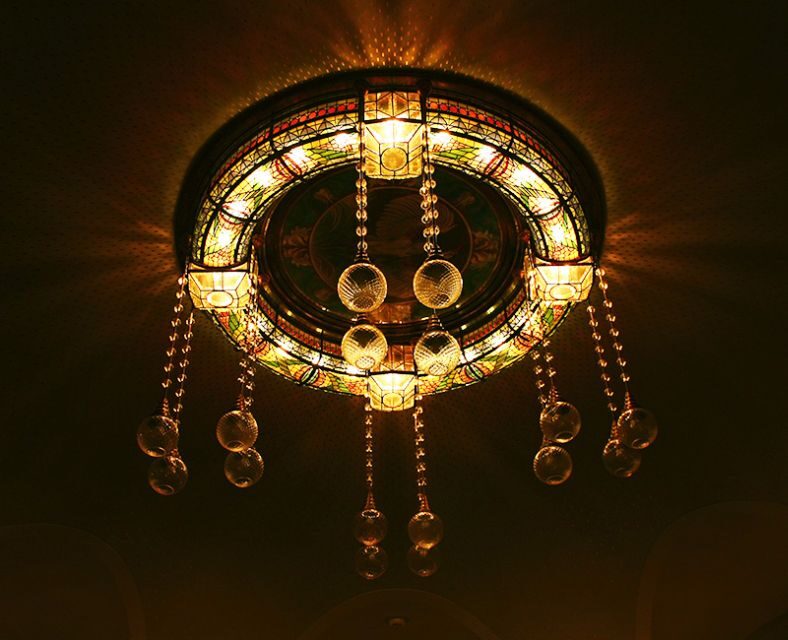
- Spotting Art Nouveau Details Like Ginkgo Leaves and Ornate Light Fixtures
- Why Art Nouveau Shows Up in Hotels, Bars, and Restaurants
- Lucerna Bar and Grand Hotel Europa: Interiors That Explain the Look
- Cubism in Prague: From Modern Style to a National Identity
- Pacing, Breaks, and Getting Good Photos Without Losing the Thread
- What You Really Get From the Guide (Beyond the Buildings)
- Price and Value: Is $123 Worth It?
- Who This Tour Suits Best (and Who Should Think Twice)
- Should You Book This Prague Art Nouveau and Cubism Tour?
- FAQ
- FAQ
- How long is the Prague Art Nouveau and Cubism Walking Tour?
- Where do we meet for the tour?
- Is the tour in English?
- What are the main highlights during the walk?
- Does the tour include Cubism architecture stops?
- What’s included in the experience?
- Can I cancel if my plans change?
- Is there a way to book without paying immediately?
Key Things I’d Mark on Your Prague Map
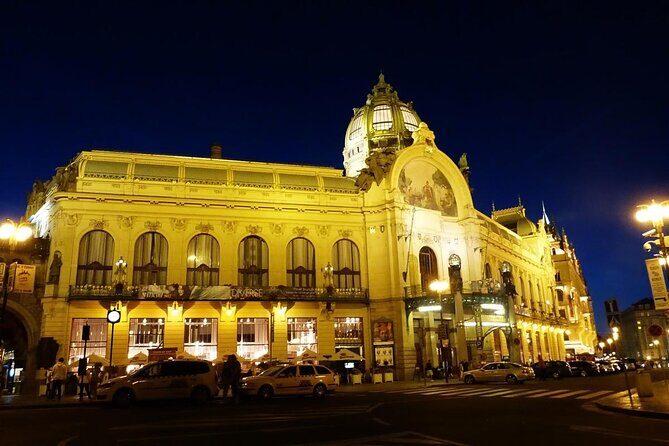
- Ginkgo-leaf Art Nouveau clues you can spot on façades and connect to broader design influences
- A café-and-hotel viewpoint on how pre-war social elites actually lived the style
- Lucerna bar and Grand Hotel Europa as the best places to see how ornament becomes atmosphere
- Cubism contrasts that help you understand Prague’s modern identity, not just its pretty exteriors
- Professor-level storytelling in English, with a pace that keeps you moving and engaged
What This 3-Hour Art Nouveau and Cubism Walk Teaches You
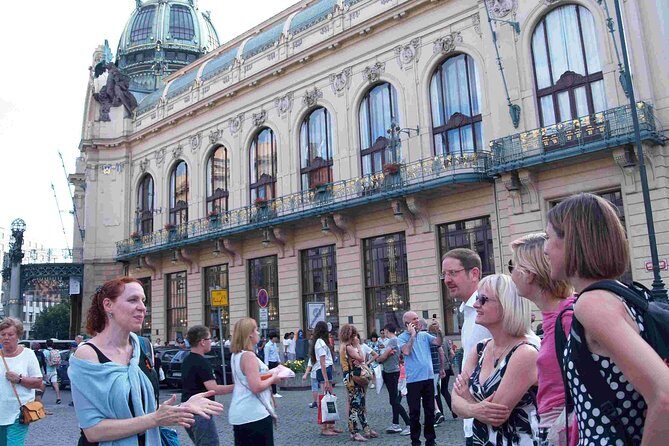
Art Nouveau in Prague isn’t just decorative. It’s a full visual language that showed up as the city moved from older styles into a modern, confident era. Near the end of the 19th century, the look spread across Europe, and Prague grabbed it early—then made it its own. On this tour, you don’t just hear the label. You learn the clues.
You’ll get a set of recognition skills you can use the moment you turn a corner. For example, you’ll learn what to look for in façade ornament, how certain botanical shapes (like those ginkgo-leaf motifs) became signature, and how other cultural influences—sometimes described as oriental in the design conversation—filtered into Czech Art Nouveau. You’ll also notice how the style shows up where people gather: hotels, cafés, restaurants, even transport-related buildings.
Then comes the contrast. Prague Cubism—and especially the forms linked to Rondocubism—can feel like the same city but with different rules: geometry, angles, and a sculptural rhythm that still manages to feel elegant. The tour’s value is that it doesn’t treat these movements like museum categories. It frames them as modern statements people wanted to live inside.
You can also read our reviews of more walking tours in Prague


Starting at the House of the Black Madonna and Grand Café Orient
Your meeting point is the House of the Black Madonna on Ovocný 19, at the downstairs area in front of Grand Café Orient. It’s a strong start because this building sits at the intersection of Prague’s meaning and its architecture.
From the first stop, you’ll be nudged to see the city as a series of design eras layered in the same neighborhoods. That matters because Prague is easy to enjoy but hard to read if you don’t know what you’re looking for. Starting here gives you a baseline: you can spot how the city shifts visually as you move through the walking route.
Also, because you begin at a café landmark, the tour naturally links architecture to daily life. This isn’t only about how grand buildings look; it’s about who used them and why. In Prague, the cafés and hotels weren’t just places to sit—they were stages for social identity, business talk, and the pre-war pleasures of a growing industrial city.
Spotting Art Nouveau Details Like Ginkgo Leaves and Ornate Light Fixtures
Here’s the best reason to take this walk instead of wandering alone: the guide teaches you a checklist. When you have one, Prague’s façades stop being noise and start being readable.
Art Nouveau clues you’ll be trained to notice include:
- Ginkgo biloba leaf shapes carved or expressed in façade ornament
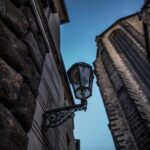
- Elaborate interior lighting that feels like part sculpture, part mood setting
- Decorative elements that reflect far-reaching influences beyond Prague’s borders
The lighting detail is a big deal because it shifts Art Nouveau from “nice outside” to “dramatic inside.” Even if you only catch glimpses from doorways or hallways, you’ll start understanding why these buildings so often became hotels, cafés, and public meeting places. The style wasn’t only for private homes; it was for welcoming and impressing.
And the guide’s timing helps. You won’t be stuck at one corner until your feet file a complaint. Instead, you’re moving from visual clue to visual clue, learning the pattern by repetition. If it’s cold or rainy, you may also get small inside moments that help you warm up and see details closer—this is where the tour can feel especially practical.
Why Art Nouveau Shows Up in Hotels, Bars, and Restaurants
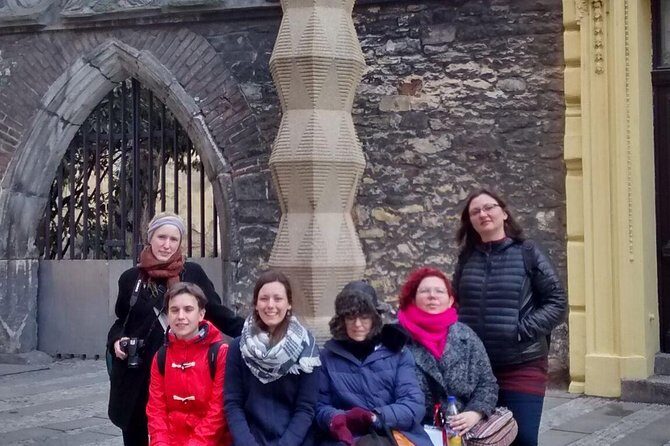
One of the tour’s smartest ideas is its focus on public spaces. Art Nouveau looks like it belongs in brochures, but it lived where people spent their money and time—cafés, restaurants, hotels, and stylish venues for meeting strangers and doing business.
The guide connects that to the pre-war social elite: these were people who frequented cafés and restaurants, dressing themselves with the same confidence they wanted to see in their surroundings. In practical terms, that means Art Nouveau became a citywide “welcome mat.” Hotels and bars were where the look could be experienced fully: entryways, staircases, mirrors, and lighting all work together to make a statement.
That’s why you’ll see so much Art Nouveau in places you could otherwise miss on a quick Prague sprint. If you’ve only got time for Old Town photo stops, you’d probably skip over the kind of elegant doorways and interior atmospheres that this style created. The tour does the “slow down” work for you.
Lucerna Bar and Grand Hotel Europa: Interiors That Explain the Look
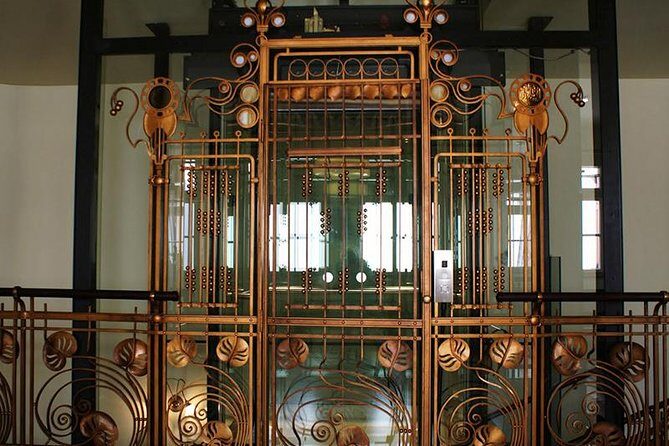
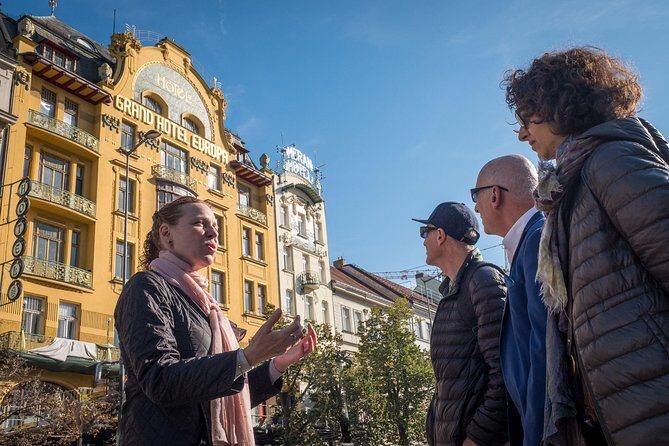
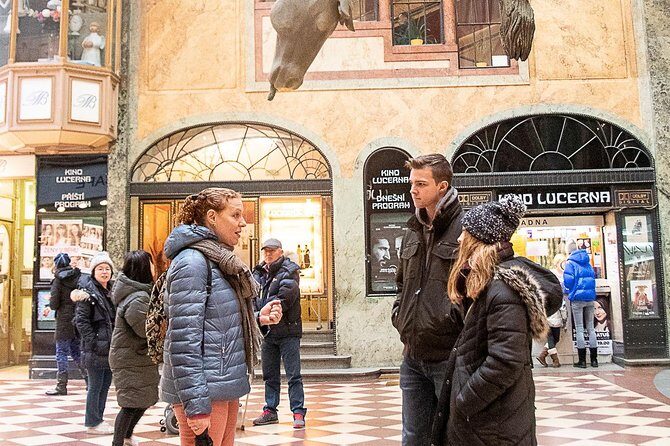
Two major highlights are Lucerna bar and the Grand Hotel Europa. These stops are where Art Nouveau shifts from an exterior style into an atmosphere.
Lucerna bar is the kind of place where you quickly understand why people cared about design. The décor and lighting don’t sit quietly—they frame conversation. You feel how late-19th/early-20th-century modern life wanted to look: polished, theatrical, and confident that beauty is a practical pleasure, not just a luxury.
Grand Hotel Europa brings that same idea into a more grand, composed setting. This is where you’ll see elegance as architecture, not just decoration. The guide helps you read the details, so it doesn’t become a vague “pretty building.” Instead, you connect the look to the era’s push for sophistication and a city identity that felt modern.
If you’re the type who gets impatient with tours that only point, this tour is often better. The pacing keeps you moving, and the guide’s focus on specific elements means you’ll leave with your eyes trained. You’ll start spotting the style even after the tour ends.



Cubism in Prague: From Modern Style to a National Identity
Prague Cubism can be the surprise you didn’t expect. Even if you think you know Prague from postcards, Cubist architecture changes your sense of what “modern” looked like in Czech lands.
In the walk, the guide draws parallels between Art Nouveau and Cubism. That’s important, because the movements can feel totally different at first glance. But the tour frames them as part of the same larger story: people using design to claim identity, energy, and progress.
Two named stops in this conversation include:
- House of the Black Madonna (already your start point, later used again as part of the style story)
- Bank of the Legions (linked to Cubist and Rondocubist themes in the guide’s route)
The Bank of the Legions is especially useful for understanding the “modern sophistication” angle. Cubism isn’t only about angles; it’s about how Prague wanted to look forward—while still expressing something uniquely Czech. Rondocubist forms add another layer, giving Cubism a rounded, almost rhythmic quality rather than just sharp geometry.
If you like architecture that feels intellectual, Cubism will click. If you prefer softer styles, you’ll still get something out of it because the guide helps you translate the visual language into human meaning: this was design as a social and cultural message.
Pacing, Breaks, and Getting Good Photos Without Losing the Thread
Three hours sounds short, but the route is packed enough that pacing matters. The tour is built to keep you moving rather than lingering at every corner for ten minutes. That’s good for stamina, and it’s also good for learning. If you’re switching between eras, you need constant context.
The practical reality: you’ll be outdoors enough that cold weather can slow your comfort. Still, the better guides manage the temperature factor by getting you indoors for detail looks and short warm-up moments when possible. That kind of flexibility can make the difference between enjoying the tour and feeling like your hands turn into frozen bread.
For photos, I’d plan to be efficient. One guide style that shows up in past experiences is “get the shot, then keep going.” If you want slow, careful frames, ask politely while you’re there—don’t save it for the end, because the tour’s rhythm won’t wait. You’ll get good opportunities, just not a long photo retreat at every stop.
What You Really Get From the Guide (Beyond the Buildings)
This tour earns its price by using expert guides who can explain why these buildings exist, not just what they look like. The tour’s guide profile is intentionally academic and editorial—professors, doctoral students, historians, journalists, art critics, and published authors. That mix matters, because it usually results in explanations that are both accurate and human.
In past groups tied to this experience, guides like Robert, Vadim Erent, and Bonita have been praised for clear explanations and humor. That balance is rare. Architecture tours often fail in one of two ways: either they’re too vague, or they drown you in terminology. Here, the goal is recognition and context—so when you see a façade with ginkgo motifs or lighting that looks almost ornamental in its own right, you understand what it’s doing.
You’ll also appreciate how the tour connects design to social behavior: where people went, what they wore, how cafés and hotels became stages for modern life. That perspective gives Prague a pulse. It stops feeling like a photo set and starts feeling like a place where style mattered to everyday experiences.
Price and Value: Is $123 Worth It?
At $123 per person for a 3-hour guided walk, this isn’t a bargain-bucket price. But it can be good value if you care about architectural reading rather than just city sightseeing.
Here’s the value math I use:
- You’re paying for expert interpretation, which you can’t easily buy with a free map app
- The tour includes time spent in key interior-forward stops like Lucerna bar and Grand Hotel Europa, not just exterior photo points
- The format helps you build a repeatable skill set: you’ll spot Art Nouveau and Cubism clues later on your own
If your plan is mostly to hit major landmarks quickly, you might not feel the payoff. But if you’re interested in design, style, and how Prague became modern without losing identity, this tour is one of the more efficient ways to learn.
Also, the ability to do private or small groups can raise value if you hate crowd noise and want more room for questions. Even if you don’t do private, the small-group feel usually means the guide can tailor pacing and explanations.
Who This Tour Suits Best (and Who Should Think Twice)
This walk is a strong fit if you:
- enjoy architecture and want to learn patterns you can spot on your own
- want context for how modern Prague took shape before the world changed again
- like guides who explain details clearly, with humor, and keep the group moving
It may be less ideal if you:
- hate walking for 3 hours and prefer heavy use of public transit
- want long, unhurried photo sessions at every stop
- are only interested in medieval Prague and feel indifferent to early-20th-century design
The key is your curiosity. If you want your brain fed as much as your camera, you’ll leave happy.
Should You Book This Prague Art Nouveau and Cubism Tour?
Yes—if you want Prague with meaning. This tour helps you see the city’s style shifts like a timeline you can actually follow, not as random pretty buildings. The most compelling reason to book is the blend of Art Nouveau recognition with Cubist context, and the fact that you get interior-forward stops like Lucerna bar and Grand Hotel Europa.
If you book, I’d go in with one intention: learn the clues. When the guide points out ginkgo-leaf motifs, lighting design, and Cubist form, try to repeat it in your head as you walk. That small effort turns a nice tour into a skill you’ll keep.
FAQ
FAQ
How long is the Prague Art Nouveau and Cubism Walking Tour?
It lasts 3 hours.
Where do we meet for the tour?
You meet at the House of the Black Madonna / Grand Café Orient, downstairs at the front doors, on the square at Ovocný 19, Prague 1.
Is the tour in English?
Yes. The tour guide provides the experience in English.
What are the main highlights during the walk?
You’ll focus on Art Nouveau features in Prague, learn about the pre-war social elite who visited cafés and restaurants, and visit the Lucerna bar and the Grand Hotel Europa.
Does the tour include Cubism architecture stops?
Yes. The walk includes discussion of Prague’s Cubist and Rondocubist architecture, with examples such as the House of the Black Madonna and the Bank of the Legions.
What’s included in the experience?
Included is a 3-hour guided walking tour.
Can I cancel if my plans change?
The tour offers free cancellation up to 24 hours in advance for a full refund.
Is there a way to book without paying immediately?
Yes. You can reserve now and pay later.