REVIEW · PRAGUE
Private Half-Day Tour To Terezin Concentration Camp
Book on GetYourGuide →Operated by LucyTours Prague · Bookable on GetYourGuide
Terezín is heavy, and this tour helps you read it. A private, guided half-day from Prague brings you through both major areas—Small Fortress and Big Fortress—with a local guide who turns the site into clear, human-scale history.
Two things I really like: you get a true private walkthrough (not a rushed herd), and the stops are arranged to follow how the Nazis used the fortress system—from prison cells, to the ghetto, to the crematorium. One thing to keep in mind: the emotional weight plus the fixed 5-hour timing means you may not have time to wander every extra room or floor on your own.
In This Review
- Key highlights before you go
- Private Pickup and a Plan That Respects the Site
- Small Fortress: From Administrative Court to Cell Blocks
- Big Fortress: The Ghetto, the Transports, and the Math of Survival
- Museum of the Ghetto: Why the Children Take the First Floor
- Hidden Chapel/Synagogue: The Meaning of a Hidden Room
- Magdeburg Barracks and the Everyday You Can’t Unsee
- Crematorium Outside the Walls: The Last Stop That Makes Sense of Everything
- Price and Value: Is $316 per Person Worth It?
- Who Should Book This Tour (and Who Might Want a Different Style)
- Should You Book This Private Half-Day Terezín Tour?
- FAQ
- How long is the Private Half-Day Tour To Terezin Concentration Camp?
- What is included in the tour price?
- Is pickup included?
- Is this a private group tour?
- Which languages are available?
- Is the tour wheelchair accessible?
- What stops does the tour include?
- What is the price per person?
- Can I cancel for a refund?
- Is there a pay-later option?
Key highlights before you go
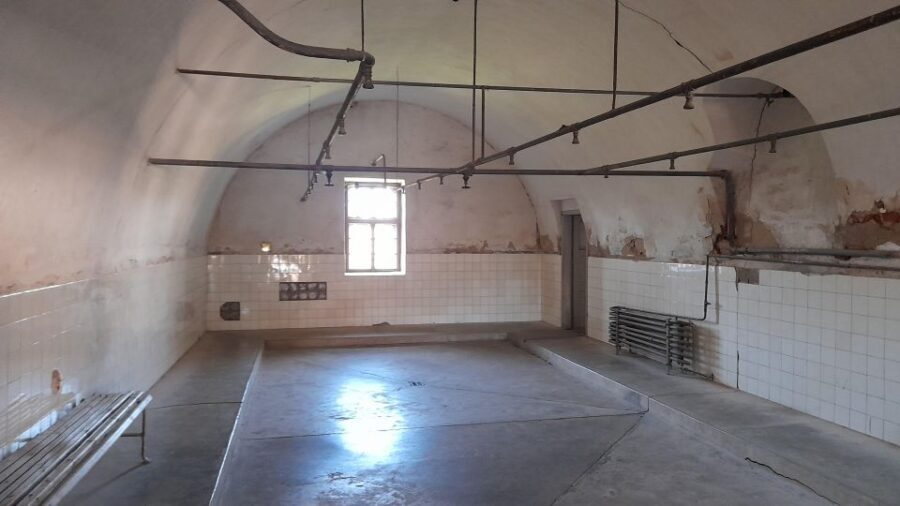
- Small Fortress route includes administrative court, commander’s office, mass cells, solitary cells, wall tunnels, and the shooting range
- Big Fortress context covers the ghetto for Jews and the transports from Terezín to extermination camps
- Museum for the boys’ barracks focuses heavily on children, then moves to the extermination-camp story
- Hidden chapel/synagogue is shown as a space hidden because Jewish religious signs were banned
- Crematorium outside the walls closes the tour with the final fate of many victims
- Guide-led translation: English, Spanish, French, Russian, Italian, Czech, German, with pickup included anywhere you choose
Private Pickup and a Plan That Respects the Site
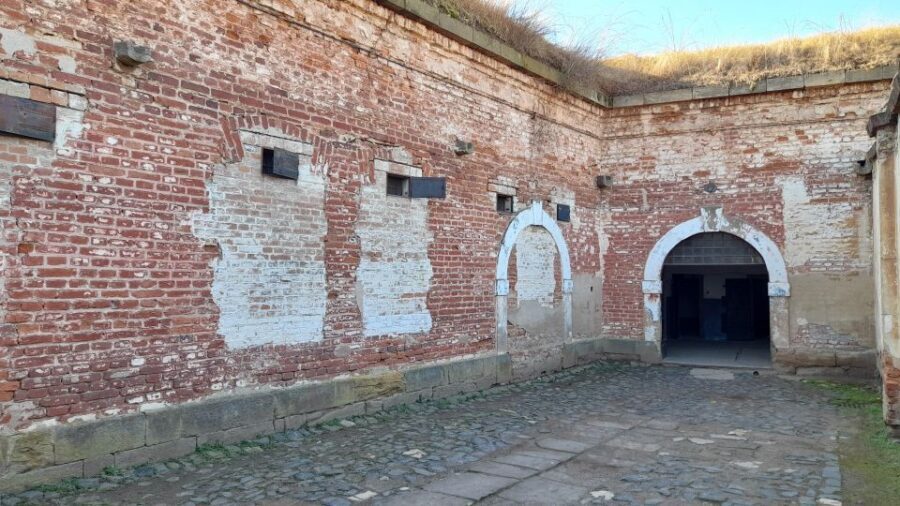
This tour is built around the idea that Terezín can’t be “one quick stop.” You start with pickup included, so you’re not spending precious time figuring out trains, buses, or where to meet. It’s also private, so the pacing stays closer to what the place demands—slow enough to take things in, structured enough that you don’t miss the important connections.
The route focuses on two different parts of the fortress system. That matters, because Terezín wasn’t one single story. The site includes a Gestapo prison function (the Small Fortress) and a ghetto function (the Big Fortress), with different daily realities and different kinds of suffering.
You also get a live guide in your chosen language. Names you might see for this tour include Eva, Petr, and Peter. The common thread is a tone that blends facts with a respectful sense of what you’re standing in.
You can also read our reviews of more private tours in Prague


Small Fortress: From Administrative Court to Cell Blocks
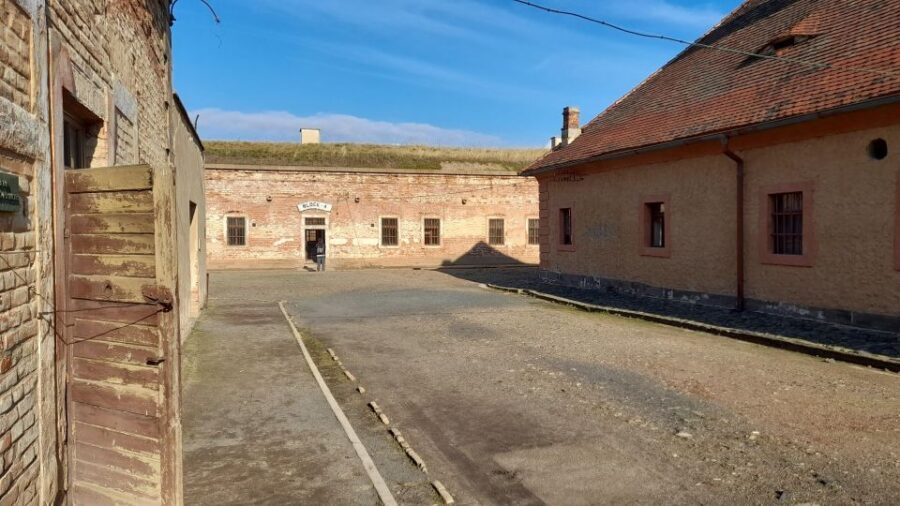
The Small Fortress is where the system feels like pure control. The tour starts at the administrative court, where prisoners arrived. That opening moment is useful: it helps you understand that what followed wasn’t random. You’re guided through the entry process, then toward the offices and the command structure behind the imprisonment.
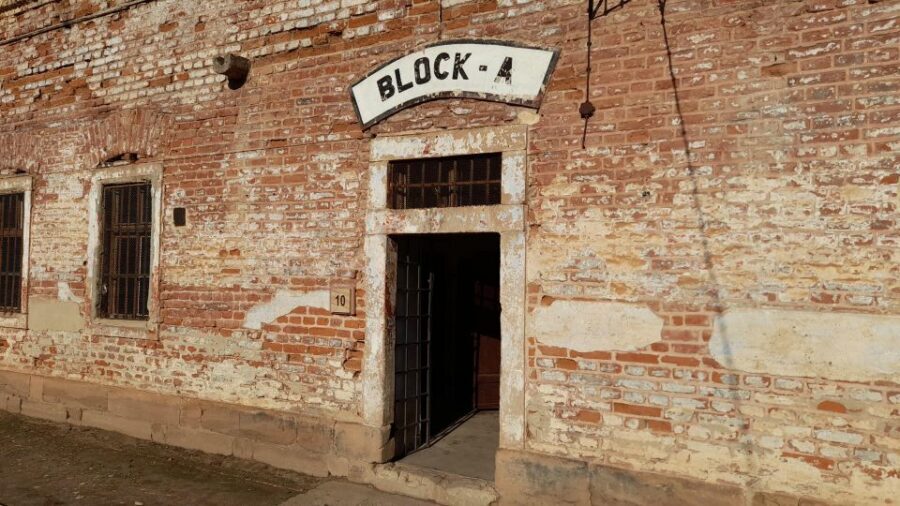
From there, you move into the prison’s internal layout. You’ll see the commander’s office and then walk through the men’s section, including mass cells, a Jewish cell, and solitary cells. The cell variety is important, because it shows different degrees of confinement and isolation inside the same fortress.
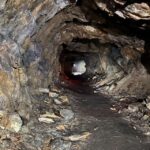
A few more stops make the site feel more complete. You’ll walk through wall tunnels, see the shooting range, and visit the fourth courtyard, where larger mass cells were later built because space ran out. Even if you know the broad story of WWII, these details help explain how the Nazis squeezed people into every available space and kept processing them.
One stop that can hit hard is a short 10-minute Nazi propaganda film shown for the International Red Cross. It’s only a few minutes long, but it frames the cruelty: the camp wasn’t just imprisonment—it also included lies aimed at outside observers.
Big Fortress: The Ghetto, the Transports, and the Math of Survival
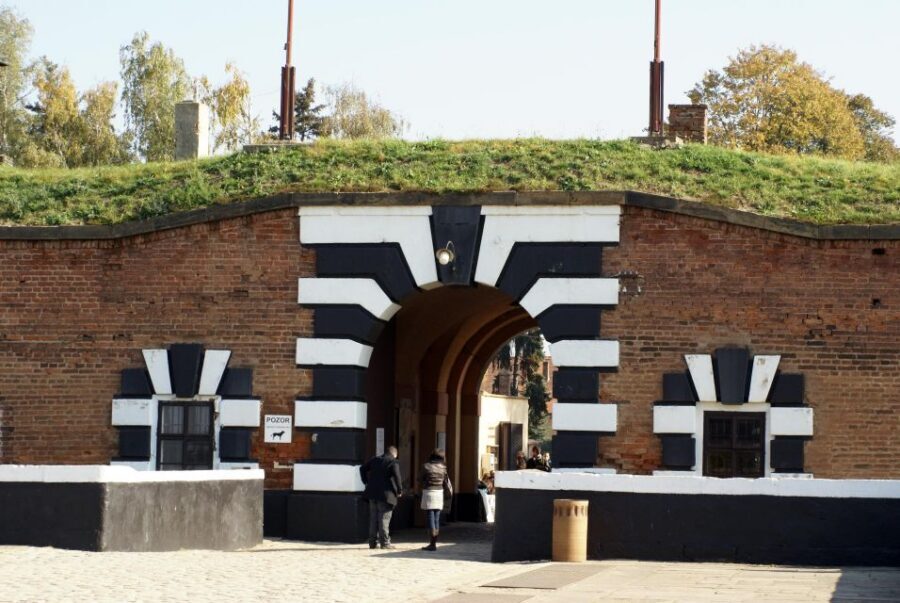
About a mile away from the Small Fortress, the Big Fortress shifts the story from “prison” to “ghetto-concentration camp.” You visit with your guide in a way that keeps the geography meaningful rather than just transferring you to the next ticketed site.
The Big Fortress served as a ghetto for Jews starting in late November 1941. Over about 3.5 years, around 155,000 Jews passed through it. Then the tour tackles the transports in clear numbers: 63 transports left Terezín for extermination camps in Poland, carrying 87,000 prisoners, and only 3,600 survived the war.
That’s not “history trivia.” It’s the kind of context that changes how you look at buildings. It turns the place into an explanation of policy—how the Nazis used the fortress system as a funnel, moving people onward while also allowing the ghetto to exist long enough for disease and hunger to do their work. In the ghetto itself, around 35,000 people died, mostly from sickness and lack of nutrition.
This is where having a good guide really helps. The site contains a lot of space, but the meaning comes from linking the physical locations to the human outcomes.
Museum of the Ghetto: Why the Children Take the First Floor
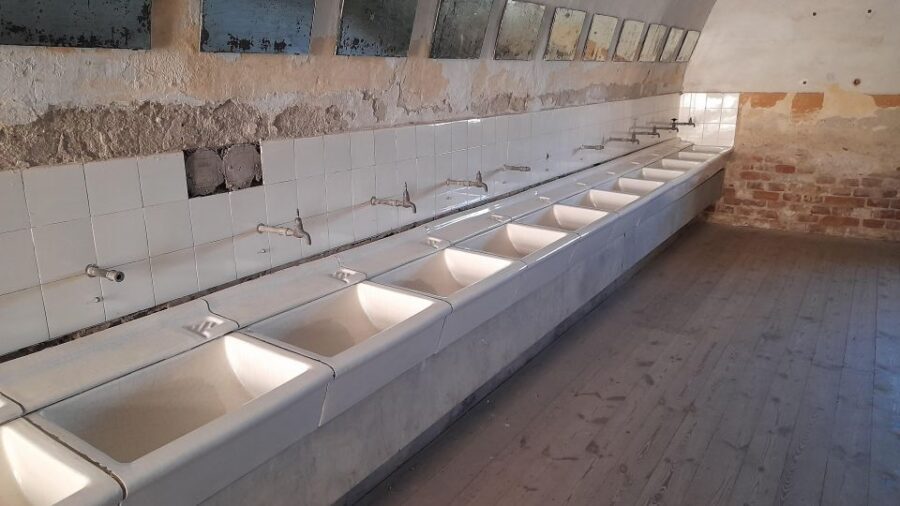
After walking through the Big Fortress, the tour goes to the Museum of the Ghetto in former barracks for boys. This is one of the best ways to soften the shock without watering it down. The museum helps you step back, understand the timeline, and connect what you saw in the courtyards and barracks to daily life.
The ground floor is dedicated to the children who lived and perished in Terezín. That choice is both emotional and practical. It prevents the visit from becoming only numbers and buildings. You’re pushed to remember that families were not abstract “victims”—children had routines, names, education, and culture, even inside a system designed to destroy them.
The museum then moves into the last phase of the story: the extermination camps. That layout matters for how your brain absorbs the visit. Instead of jumping between “prison” and “later,” you’re walked through a progression.
One consideration: museums in these sites often have more rooms than you can cover in a fixed time. If you’re the type who wants to read every display or see additional floors, ask your guide what’s included in your 5-hour plan and where you can quickly focus.
Hidden Chapel/Synagogue: The Meaning of a Hidden Room
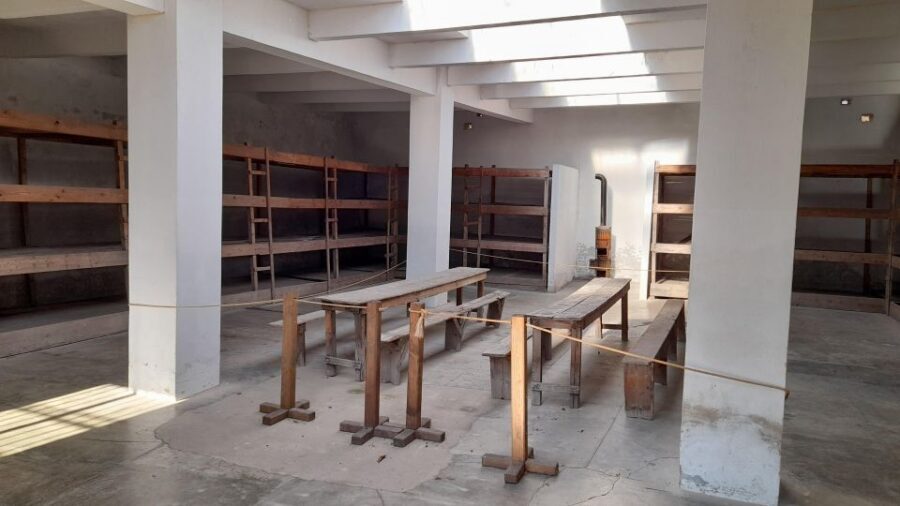
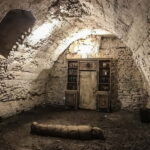
Next comes one of the most striking parts of the Big Fortress story: the hidden chapel, also described as a hidden synagogue. Jewish religious practice was restricted, and any visible signs were banned by the Nazis. So this synagogue was hidden in a storage room, and the secrecy itself becomes part of the lesson.
Standing in a space like this forces you to think about resistance in quiet forms. It’s not only about escape or rebellion. Sometimes survival includes preserving identity in whatever way you can—keeping faith alive when the system tries to erase it.
The tour also takes you onward to the barracks area known as the Magdeburg barracks. Here you’ll learn what dormitories looked like and hear about culture in the ghetto, including the fact that many Jewish prisoners were accomplished artists. That detail matters, because it disrupts the idea that concentration camps were only about forced labor and despair. People still created, performed, studied, and made meaning, even under extreme conditions.
A few more Prague tours and experiences worth a look


Magdeburg Barracks and the Everyday You Can’t Unsee
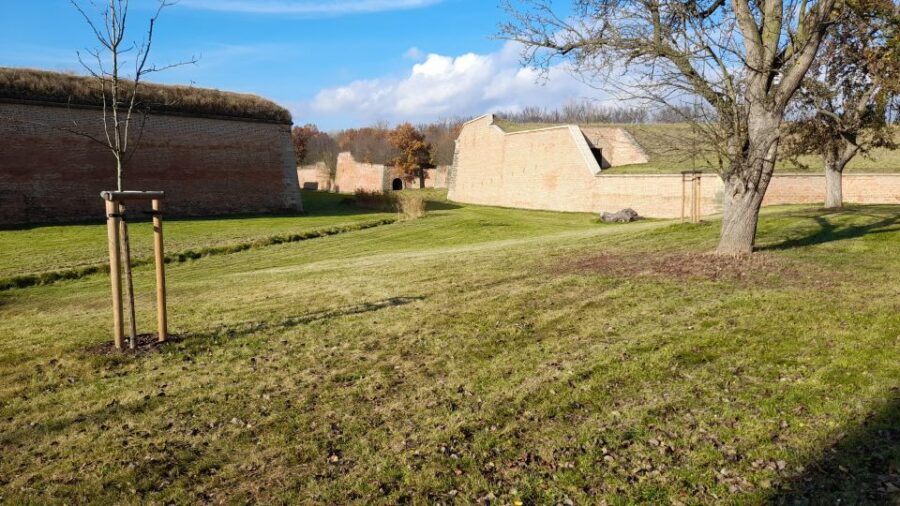
The Magdeburg barracks stop is where the visit becomes less about one building and more about how a whole community functioned under pressure. You see what dormitory life looked like, and you’re given context about culture in the ghetto—again emphasizing that this place contained art and talent alongside persecution.
This is also a good moment to slow down. When you’re told that artists were among the prisoners, it changes your attention. You start noticing how people might have kept routines, taught skills, or held onto identity through creativity.
If you’re sensitive to emotionally difficult spaces, it helps to plan your day with rest. A 5-hour private tour is intense, and Terezín doesn’t offer an easy “break” inside the walls. The site is more like a guided walk through grief than a sightseeing circuit.
Crematorium Outside the Walls: The Last Stop That Makes Sense of Everything
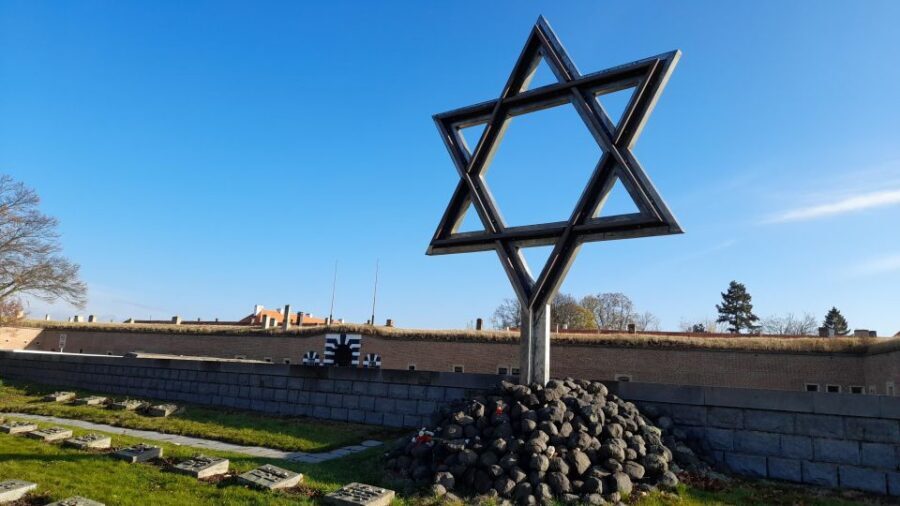
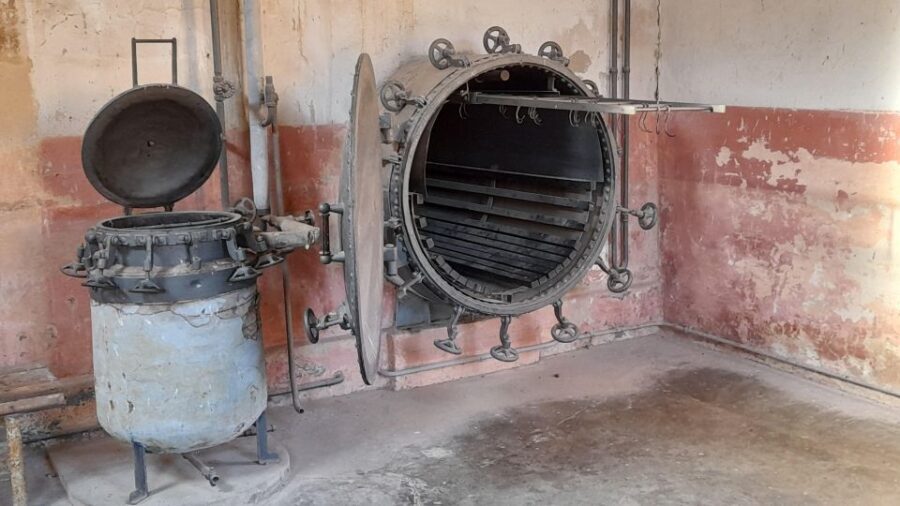
The tour ends at the crematorium, located outside Terezín’s walls. It was built in 1942, and victims’ bodies were cremated there. Next to it is a mass graveyard.
This final stop can feel like the sharpest point in the arc. Earlier you learn about imprisonment, transports, and deaths from disease and hunger. At the crematorium, the story becomes painfully specific about what happened at the end of the pipeline.
The value of placing this last is that it ties the visit together. You’re not leaving with random fragments. Instead, you’re closing the loop: the fortress system functioned as a machine with stages—imprisonment, containment, movement, and elimination.
Price and Value: Is $316 per Person Worth It?
$316 per person is not cheap, but with a private half-day, you’re paying for several things at once. You’re getting a private guide, plus a driver and a car/minivan, and you also include the entrance fee to the Terezín Memorial. On a half-day format from Prague, this is often what makes the difference between a stressful “get there somehow” trip and a controlled, respectful visit.
The biggest value is time and focus. A private guide can adjust pace, answer questions in your language, and keep you moving through the key stops that explain the fortress system. In a place like this, missing one critical area because your group got stuck waiting is more than inconvenient—it changes how you understand the story.
If you’re traveling as a pair or small group, the value can improve because you’re effectively buying a guided experience rather than splitting a larger tour. If you’re solo, it can still be worth it when your priorities are clarity, pacing, and language support.
Who Should Book This Tour (and Who Might Want a Different Style)
This tour fits best if you want structure and context. You’ll get a clear route through both fortresses, the ghetto museum, the hidden synagogue, and the crematorium. If you care about understanding how these places worked as part of WWII policy, you’ll likely appreciate the guided flow.
You might also like it if you’re traveling with someone who needs interpretive help—someone who wants the facts, but also wants a human tone. The guides connected with this tour (including Eva, Petr, and Peter) seem to bring warmth and patience, and they often add local perspective. One example from guide style is sharing lived experience as a Czech citizen before, during, and after the Velvet Revolution, which helps you place the WWII memory in a longer national story.
If you prefer total self-guided wandering with zero structure, this may feel too scheduled. And if you want to spend extra time reading every museum panel without time pressure, you’ll need to plan for that either before or after the guided portion.
Should You Book This Private Half-Day Terezín Tour?
I’d book it if you want the clearest version of Terezín in one sitting—Small Fortress, Big Fortress, the museum, the hidden synagogue, and the crematorium—without logistics stress. The private format and language options make the visit more accessible, and the pacing helps you connect the buildings to the larger story.
I’d think twice if you’re fragile emotionally on busy itineraries or if you’re the type who needs long stretches of independent browsing. In that case, you may feel squeezed by the 5-hour window.
But for most people planning a trip from Prague, this is a strong choice: it’s focused, guided, and designed to help you understand what you’re seeing—not just look at it.
FAQ
How long is the Private Half-Day Tour To Terezin Concentration Camp?
The tour lasts 5 hours.
What is included in the tour price?
It includes a private tour guide, a driver, car/minivan transportation, and the entrance fee to the Terezin Memorial.
Is pickup included?
Yes. The guide will pick you up at any place that suits you, such as your hotel, a square, or the airport.
Is this a private group tour?
Yes, it’s a private group tour.
Which languages are available?
The tour guide is available in English, Spanish, French, Russian, Italian, Czech, and German.
Is the tour wheelchair accessible?
Yes, it is listed as wheelchair accessible.
What stops does the tour include?
You visit the Small Fortress and the Big Fortress, including the Museum of the Ghetto, the hidden chapel/synagogue, Magdeburg barracks, and you end at the crematorium outside the walls with the mass graveyard nearby.
What is the price per person?
The price is $316 per person.
Can I cancel for a refund?
Free cancellation is available up to 24 hours in advance for a full refund.
Is there a pay-later option?
Yes. You can reserve now and pay later, keeping your travel plans flexible.