REVIEW · PRAGUE
Dresden City Tour & Bastei Bridge from Prague
Book on Viator →Operated by Bohemia Adventures · Bookable on Viator
Bastei Bridge makes the whole trip feel cinematic. You start with easy pickup in Prague, then trade the city for the Elbe canyon viewpoints in Saxon Switzerland, and finish with Dresden’s rebuilt architecture and an Advent-season Christmas market. The big thing to think about: it’s a long day (about 9 to 10 hours), so you’ll want comfortable shoes and a patient mindset for transit.
In This Review
- What I Like Most (and What Might Not)
- Key Details Up Front: What Makes This Tour Tick
- A Fast Route to Germany: Prague to Saxon Switzerland and Dresden
- 7:30 Pickup, About 6 p.m. Back: How the Day Really Moves
- Saxon Switzerland National Park: Elbe Canyon Views from the Bastei Area
- Bastei Bridge and Neurathen Walk: The Photos, the Ruins, and the Footwork
- Pirna Lunch in a Local German Restaurant: More Than a Break
- Dresden Zwinger, Royal Palace, and the Art You Can Still See
- Dresden Time on Your Own: Shops, Coffee, and WWII Context
- Advent Christmas Market in Dresden: The Seasonal Payoff
- Price and Value: Why $211.72 Can Make Sense for a Long Cross-Border Day
- Who This Trip Fits Best (and Who Should Consider Something Else)
- Should You Book This Dresden and Bastei Day Trip?
- FAQ
- What time does the tour start, and when do we return to Prague?
- Does the tour include pickup from my hotel?
- Is this tour available in English?
- What’s included in the price besides transport?
- Do I need a passport for this trip to Germany?
- Will the tour run in bad weather?
- How long is the day trip, roughly?
- How big is the group?
- If the Gemäldegalerie Alte Meister is closed, what will we see?
- Are there vegetarian or allergy-friendly lunch options?
What I Like Most (and What Might Not)
I like that the day trip is built around “get there, show up, enjoy” logistics: the itinerary handles the driving, you get free Wi‑Fi on the way, and the group stays small (up to 20 people). I also like the mix of nature + city, because Bastei gives you those postcard views, while Dresden gives you the walking-around payoffs. If you hate crowds or don’t enjoy scenic stairs and paths, plan to take the walk slower and be ready for some uneven footing.
Key Details Up Front: What Makes This Tour Tick
- Small-group size (max 20): You get easier pacing and more responsive guiding.
- Guides who manage timing: Many guests highlight smooth flow and smart photo moments.
- Bastei Bridge + Neurathen area: Famous viewpoint walk inside Saxon Switzerland National Park.
- Lunch in Pirna: A local German restaurant stop with choice-friendly ordering.
- Dresden Zwinger complex + Royal Palace: You still see the key power-and-royalty setting even when gallery access changes.
- Advent-only Christmas market: A real seasonal add-on if your dates line up.
You can also read our reviews of more city tours in Prague


A Fast Route to Germany: Prague to Saxon Switzerland and Dresden
This is a classic “cross-border day” tour done the practical way. You’re leaving Prague early, heading into Germany’s Saxon Switzerland region, then continuing to Dresden—without having to organize train changes, private transfers, or your own pacing.
The value here is that the day has structure. You don’t just get dropped at viewpoints and told good luck. You’re routed to the places that make people schedule this trip in the first place: the canyon vistas around Bastei, a proper lunch stop, then Dresden’s major sights (with time to look around on your own after).
And because it’s a small group, it feels more like traveling with a guide who cares about timing than a big bus shuffle.
7:30 Pickup, About 6 p.m. Back: How the Day Really Moves
Meet time is 7:30 am in central Prague, with pickup from your address in the city center. You’ll go back to the same area in the late afternoon, with return around 6 p.m. (the schedule is approximate).
That early start matters. It helps you get more usable light and better touring flow at Bastei. It also helps explain why the day feels full: you’re using daylight hours for nature, then saving Dresden for the afternoon when you can still enjoy a walk and shop.
On the drive, you’ll get free Wi‑Fi and route info. Bring some snacks or at least water expectations in your own habits—your tour includes bottled water, but the day is long enough that you’ll still feel better if you travel prepared.
Saxon Switzerland National Park: Elbe Canyon Views from the Bastei Area
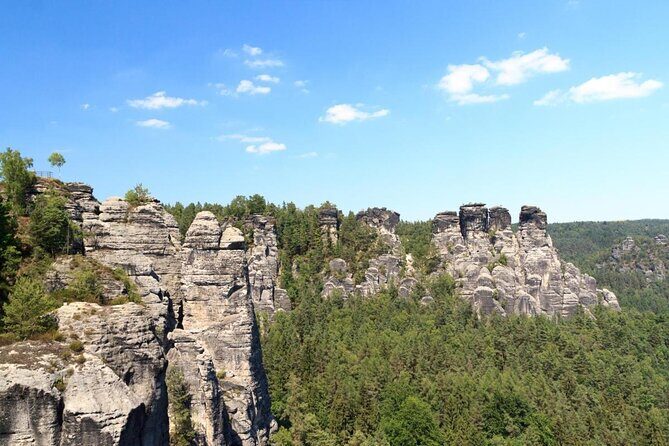
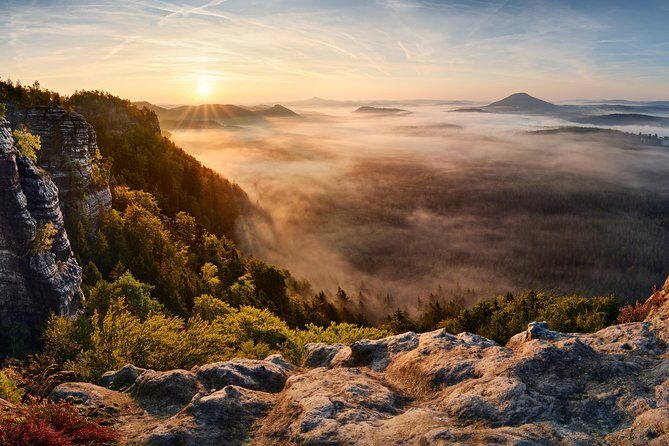
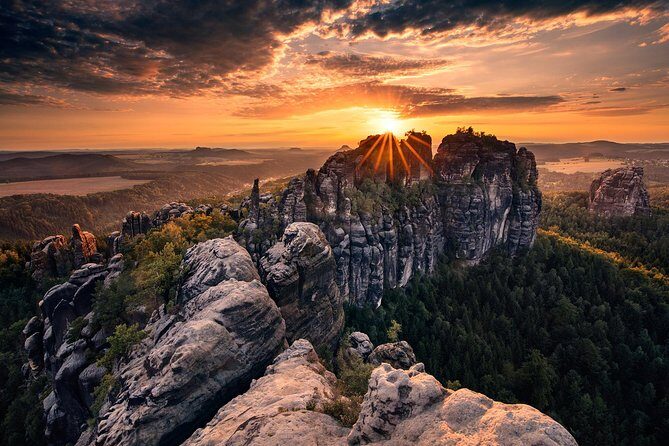
Once you reach Saxon Switzerland National Park, the focus shifts to the Elbe canyon—famed for its deep sandstone walls and dramatic rock formations. This part is why you’re coming at all: the viewpoints are the kind of place where your brain does a quick reset.
At this stage you’ll stop near the canyon overlooks, including the Neurathen viewpoint area. The idea is simple: you get your first big “wow” early, before you commit to the main Bastei walk.
What I like about this setup is that it prevents the day from feeling like one long scramble. You get a view, you get context, and then you move into the more famous bridge walk.
A practical note: you’ll be in outdoor terrain. The tour operates in all weather conditions, so dress for real conditions, not postcard weather.
Bastei Bridge and Neurathen Walk: The Photos, the Ruins, and the Footwork
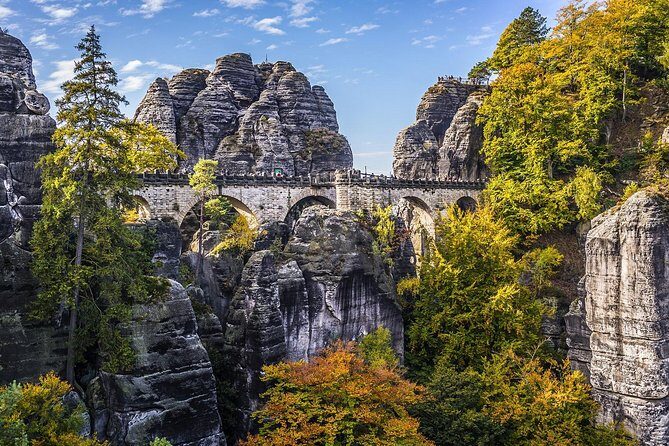
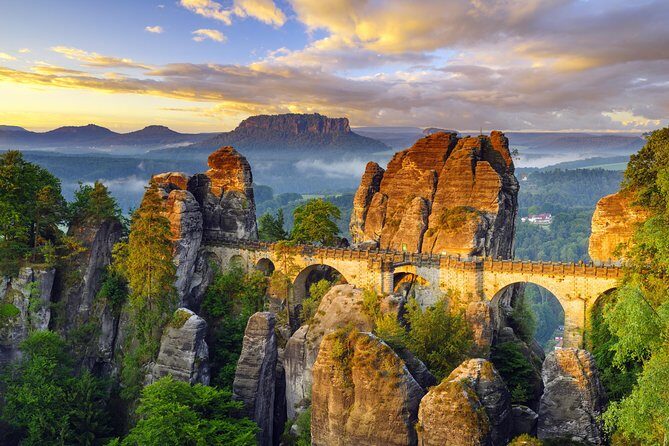
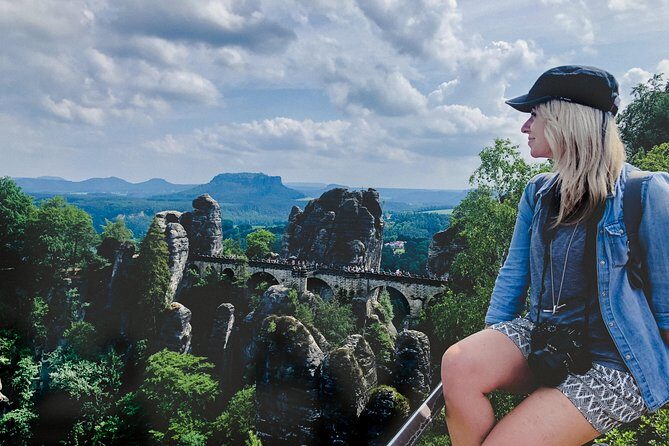
The highlight here is the Bastei Bridge itself. This is the famous sandstone bridge over the Elbe canyon, connecting viewpoints and rock formations in a way that makes photography easy—once you’re there and the angles are right.
You also get time at Bastei to explore the surrounding viewpoints on the right bank of the river Elbe. There’s more than just the bridge: you can walk across and explore the area connected with old Neurathen rock castle ruins.
Time on this portion is listed around 30 minutes, but don’t confuse “30 minutes” with “30 seconds.” People who care about photos tend to love this stop because the guide can help the group move efficiently while still leaving you time to stop, frame, and breathe.
Footwork consideration: you can expect paths and steps. Some guests found the hike easy; others described it as strenuous or crowded depending on conditions and crowd levels. So bring sturdy shoes and take it slow if you’re not used to walking on uneven terrain.
One more tip that shows up again and again in guest feedback: guides often help with photo moments—some even bring extra help like trekking poles. You won’t want to rely on that, but it’s a good sign that your guide is watching for what you need.



Pirna Lunch in a Local German Restaurant: More Than a Break
After the canyon walking, you head to Pirna for lunch. This is one of those stops that makes the whole day feel more civilized, because it turns a sightseeing sprint into an actual meal break.
Lunch is in a local German restaurant, and it’s built to be choice-friendly. The tour notes options for vegetarian, vegan, allergies, and meat lovers, with a main course and a drink of your choice.
If you’re used to tours where lunch is a sad sandwich moment, this is where the experience feels better. You get a proper pause before Dresden.
A small practical point: the day is busy, so use lunch to refill your energy, not just your stomach. Plan for a full meal so you don’t crash during the Dresden walking.
Dresden Zwinger, Royal Palace, and the Art You Can Still See
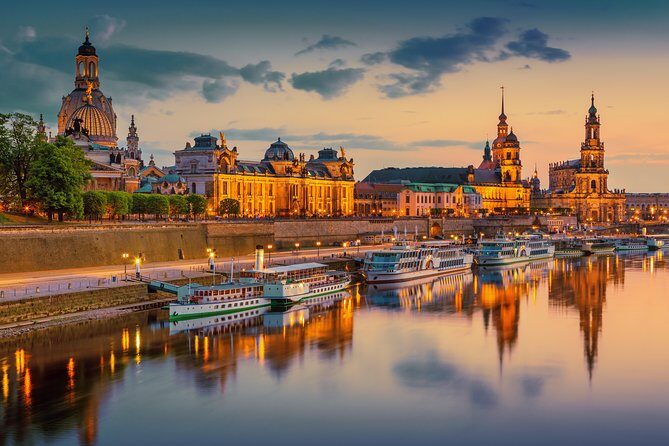
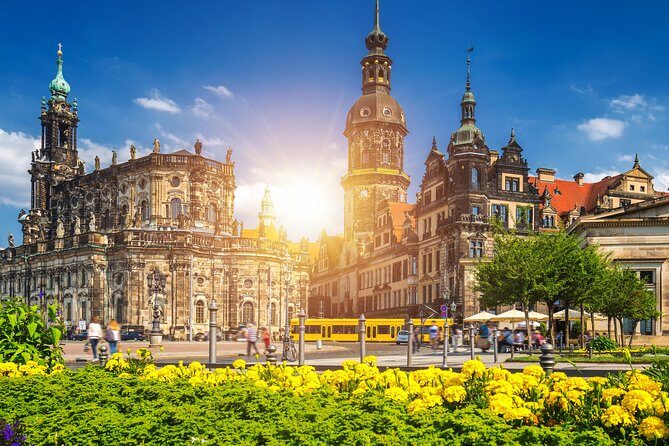
Next comes Dresden. The city is known for rebuilt architecture and a story that includes royal power, war destruction, and then reconstruction. Your stop centers on the Zwinger area.
The tour includes about 2 hours here, with special handling if you’re traveling during a time when the main gallery is closed. The Gemäldegalerie Alte Meister is noted as closed until February 28, so you’ll visit the Royal Palace instead. That’s a key detail because it keeps the stop from turning into dead time.
What to expect in this part is less “wandering and hoping” and more a structured look at major rooms and monuments. The Royal Palace is described as a hub of power for Saxon princes and kings, originally mentioned as a castle complex in the 14th century and developed into a four-wing palace structure in the 15th century.
If you like architecture, this stop will land. Dresden’s rebuilt style gives you a chance to compare what you saw in Prague with a different national flavor.
If you’re more art-focused than architecture-focused, it helps that the tour still gives you an alternative when one museum component is closed.
Dresden Time on Your Own: Shops, Coffee, and WWII Context
After the Zwinger/Royal Palace stop, you get time for Dresden on your own. The schedule gives around 1 hour for independent exploring.
This isn’t meant to be a full Dresden deep-dive. It’s more of a controlled opening so you can do the human stuff: check out shops, grab coffee, find a quick ice cream, or simply walk a few streets and soak up the rebuilt city feel.
Also, Dresden’s story includes heavy World War II history, and the guided parts of the day are set up to give you context so the architecture doesn’t just look pretty. It has meaning, especially once you hear what was destroyed and then rebuilt.
Use your free hour for the “I want to remember this” tasks: a few photos at your own pace, a quick snack, and one small souvenir you’ll actually use later.
Advent Christmas Market in Dresden: The Seasonal Payoff
If your dates line up with Advent, you’ll add the Dresden Christmas Market stop. It runs about 1 hour, and it’s listed as included during the Christmas period.
This is where the tour’s winter identity shows. It turns the day from nature + city into a nature + history + seasonal atmosphere combo. People tend to remember this stop the most because Dresden Christmas markets have a reputation that matches what you feel on arrival: it’s lively, it’s photogenic, and it’s a different mood from the canyon.
If you don’t travel in December, you simply won’t get this seasonal add-on. The rest of the day still works, but the “Christmas magic” element is the time-specific extra.
Price and Value: Why $211.72 Can Make Sense for a Long Cross-Border Day
At $211.72 per person, you’re paying for much more than transport. You’re paying for:
- early pickup and return drop-off in Prague
- a comfortable, fully outfitted vehicle
- planned stops with admission included for key areas
- a German lunch with drink
- bottled water and walking gear in the park
- free Wi‑Fi during the drive
- guide time to connect nature and city into a coherent day
The value question is simple: would you realistically organize all of that alone for the same effort? In theory, you can build your own route via trains and buses, but the timing risks and day length add up fast—especially with canyon viewpoints that reward smart timing.
Also, group size helps your money feel more grounded. With a max of 20 people, you’re not fighting for attention like you would on a huge bus.
One more thing: mobile ticketing is included. That saves time at the spots where you’d otherwise be hunting for the right proof.
Who This Trip Fits Best (and Who Should Consider Something Else)
This tour is ideal if you:
- want a Germany day trip without overnight planning
- like nature scenery but also want a real city stop
- appreciate a guide who helps keep the day moving and makes photo opportunities easier
- travel in a group size that stays under control (max 20)
Based on strong guest feedback, the guides often add personality and humor while staying on schedule. Names that came up include Vladimir, Ondřej, Robert, Míša, Mirek, Erik, Jirka, Filip, and Misu—and the common thread is pacing and staying flexible when people want extra time for photos or questions.
Who might hesitate:
- If you’re very sensitive to long days, expect tired legs by late afternoon.
- If you want full freedom without guided time, the set itinerary may feel structured.
Still, for a first visit to Dresden plus Saxon Switzerland from Prague, it’s a solid match.
Should You Book This Dresden and Bastei Day Trip?
I’d book it if you want the best “one day” mix: canyon views from Bastei, a proper lunch break in Pirna, and then Dresden’s major sights plus an Advent market option in winter.
I would not book it only if you hate walking over uneven ground, or if you’re the type who needs total spontaneity and doesn’t like set stop times.
If you’re planning a trip to Prague with limited days, this is one of those tours that feels efficient without being rushed in the key scenic moments.
FAQ
What time does the tour start, and when do we return to Prague?
Pickup starts at 7:30 am in central Prague. The return is around 6 p.m. (the duration is approximate), so plan for a full day out.
Does the tour include pickup from my hotel?
Yes. The tour offers pickup from your address in Prague center and drops you off at the same place.
Is this tour available in English?
Yes. The tour is offered in English.
What’s included in the price besides transport?
The tour includes a German lunch, bottled water, walking gear in the park, mobile ticketing, and admission tickets for the listed stops. Christmas market admission is included during the Advent period.
Do I need a passport for this trip to Germany?
Yes. A current valid passport is required.
Will the tour run in bad weather?
It operates in all weather conditions, and you are also informed that the experience requires good weather. If it’s canceled due to poor weather, you’ll be offered a different date or a full refund.
How long is the day trip, roughly?
It runs about 9 to 10 hours total.
How big is the group?
This experience has a maximum of 20 travelers.
If the Gemäldegalerie Alte Meister is closed, what will we see?
If the gallery is closed (it’s noted as closed until February 28), you’ll visit the Royal Palace instead.
Are there vegetarian or allergy-friendly lunch options?
Lunch is described as able to accommodate vegetarian, vegan, allergy needs, and also meat lovers, with a main course and a drink of your choice.