REVIEW · PRAGUE
World War II 4WD Tour from Prague with Lunch
Book on GetYourGuide →Operated by Offroadsafari.cz · Bookable on GetYourGuide
Underground WWII still has fingerprints. This Prague day trip pulls you into the Sudetenland story through original sites you can see and touch. It’s not just photos and dates; it’s the kind of tour where the past feels physically close.
I love the chance to start in an authentic WWII underground shelter packed with original items. I also really like the small-group feel (max 6) and the way your guide, Martin, will answer questions about Czech history, traditions, and today’s democracy.
One drawback: the subject is heavy and you’ll be spending plenty of time outdoors. Bring comfortable shoes and outdoor clothing, and note it’s not suitable for wheelchair users.
In This Review
- Key things I’d plan around before you go
- The Prague-to-Sudetenland 4×4 ride: why this tour works
- The first big moment: an underground WWII shelter you can touch
- Guided facts you actually remember: the forced labor and petrochemical story
- Bunkers, shelters, and tunnels: why concrete can tell a story
- What to watch for on these stops
- RAF and US bombing: how the air war shows up on the ground
- Lunch in the middle of it all: Czech meal, unlimited beer
- Timing and flow: what the 7 hours actually feel like
- Price and value: is $293 per person worth it?
- Who this tour suits best (and who should skip it)
- Should you book this WWII 4WD tour from Prague?
- FAQ
- What’s the duration of the WWII 4WD tour from Prague?
- Where do you get picked up and dropped off?
- How big is the group?
- Is lunch included, and what does it include?
- What language is the tour guide?
- What kind of vehicle is used?
- What should I bring for the day?
- Is the tour wheelchair accessible?
Key things I’d plan around before you go
- Underground shelter access where you can see and touch original WWII objects and paperwork
- A small group (max 6) that keeps the pace human and your questions welcome
- 4×4 countryside driving that connects Sudetenland sites beyond the obvious viewpoints
- WWII industry and forced labor (Totaleinsatz) explained where it happened, not just in theory
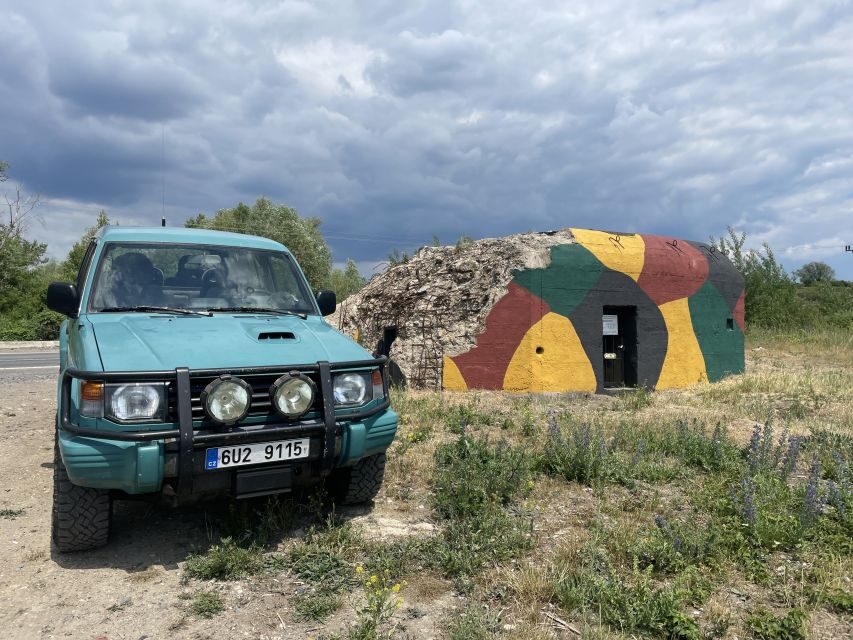
- Lots of concrete remnants: bunkers, shelters, and air-raid spaces, both Czech and Nazi-built
- Lunch with unlimited Czech beer plus a real sit-down meal break
The Prague-to-Sudetenland 4×4 ride: why this tour works
This is a 7-hour, Prague-based tour that gets you out of the city and into northwest Bohemia (the Sudetenland region) in a 4×4. The big win here is how the format matches the sites. Many of the most important remnants are spread out, and a regular bus-and-walk route just can’t cover the same ground.
You’ll also notice the pacing is built for questions. Martin guides you through what you’re seeing and then stays open to follow-ups—things like how the Czech lands experienced Nazi occupation, what democracy looks like afterward, and how Czech traditions fit into the bigger story. It helps a lot if you’re the type who wants to connect events to real life instead of just collecting facts.
Finally, the small group size changes the vibe. With up to 6 guests, you’re not shouting over a crowd, and stops feel more like a conversation than a checklist.
A few more Prague tours and experiences worth a look


The first big moment: an underground WWII shelter you can touch
The day begins at your hotel pickup in Prague, then you shift into guided mode right away. For about the first hour, Martin sets the context so the sites make sense as you go.
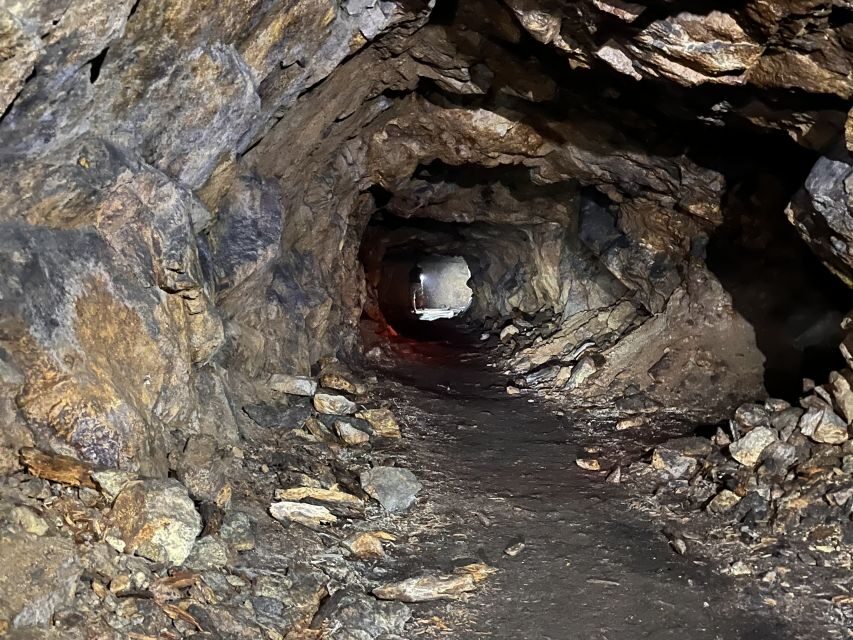
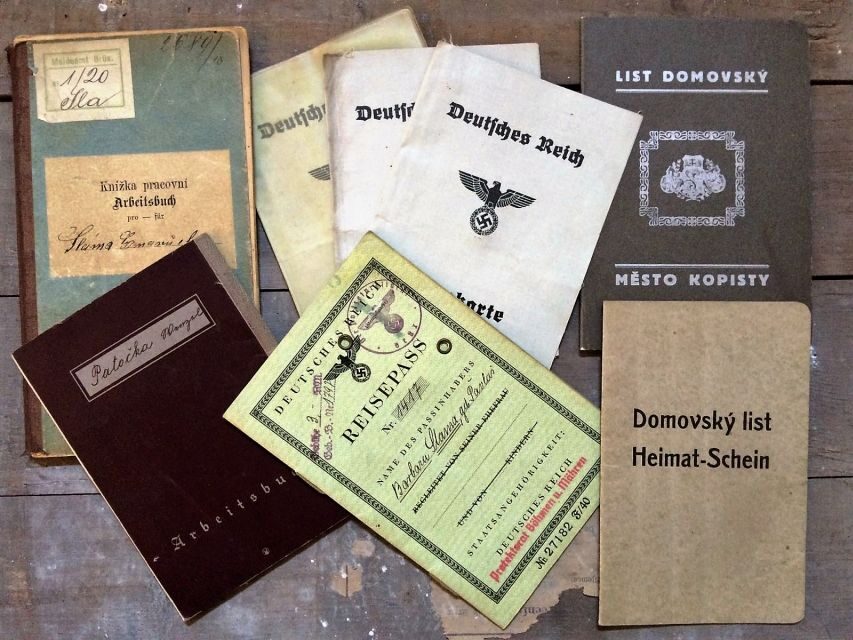
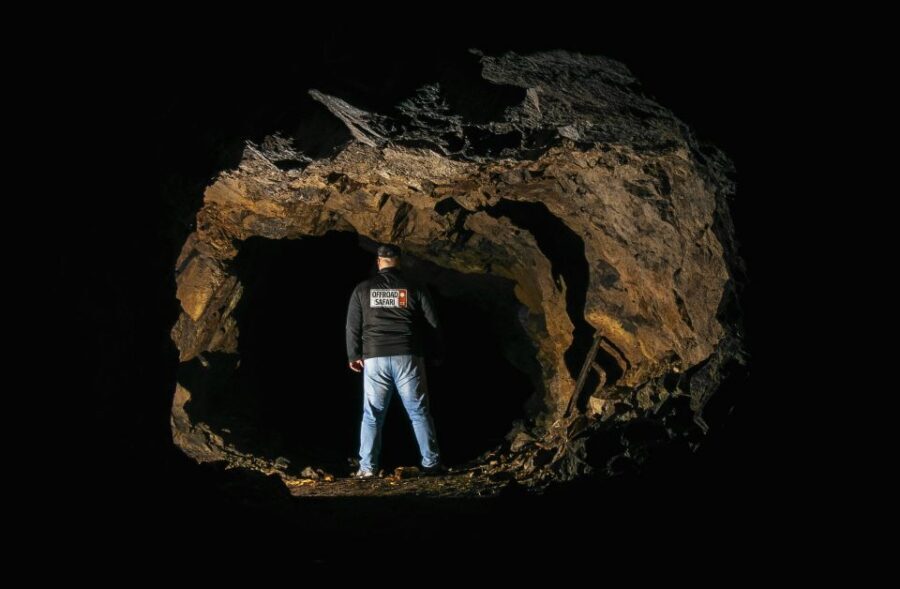
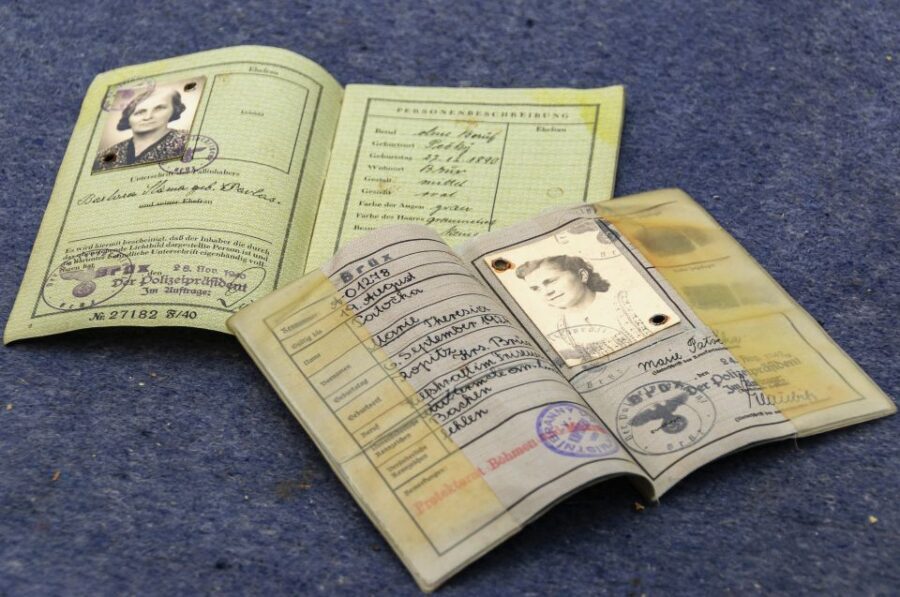
Then comes the highlight start: an authentic WWII underground shelter stuffed with original material. This is where you’re not just looking—you’re guided through items you can actually see up close and touch. Expect original-looking documents, maps, and personal IDs, plus evidence and artifacts tied to wartime life.
That tactile element matters. Written history can stay abstract. But holding something that was part of daily wartime systems (IDs, papers, maps) gives your brain a handle on how bureaucracy and fear worked together. It’s also a strong way to prepare you for what you’ll see later above ground: bunkers, shelters, tunnels, and industrial sites.
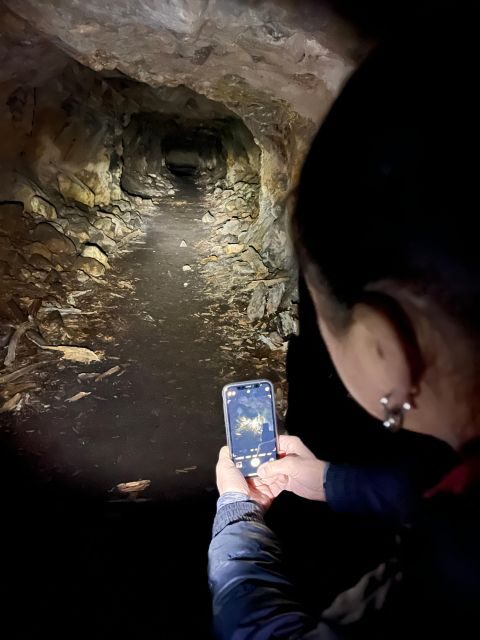
Practical note: this is still a WWII setting, so plan for the emotionally heavy side of the story and for environments that aren’t designed like modern museums. Comfortable shoes and outdoor layers help you stay steady.
Guided facts you actually remember: the forced labor and petrochemical story
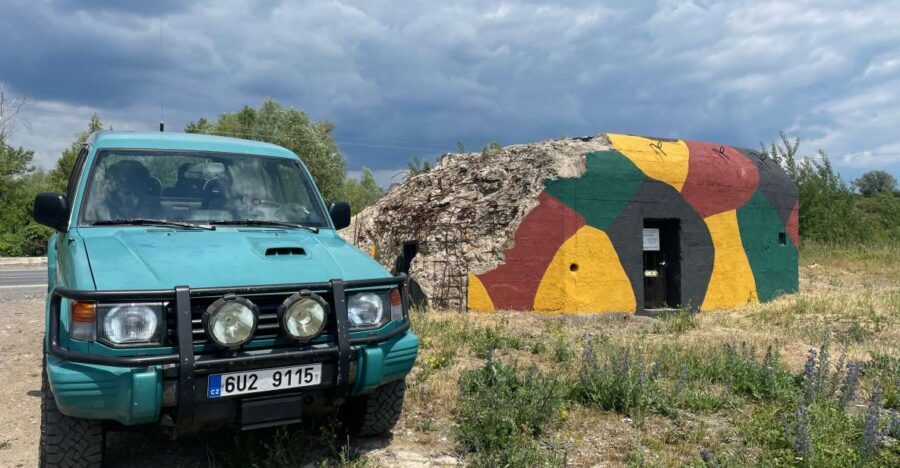
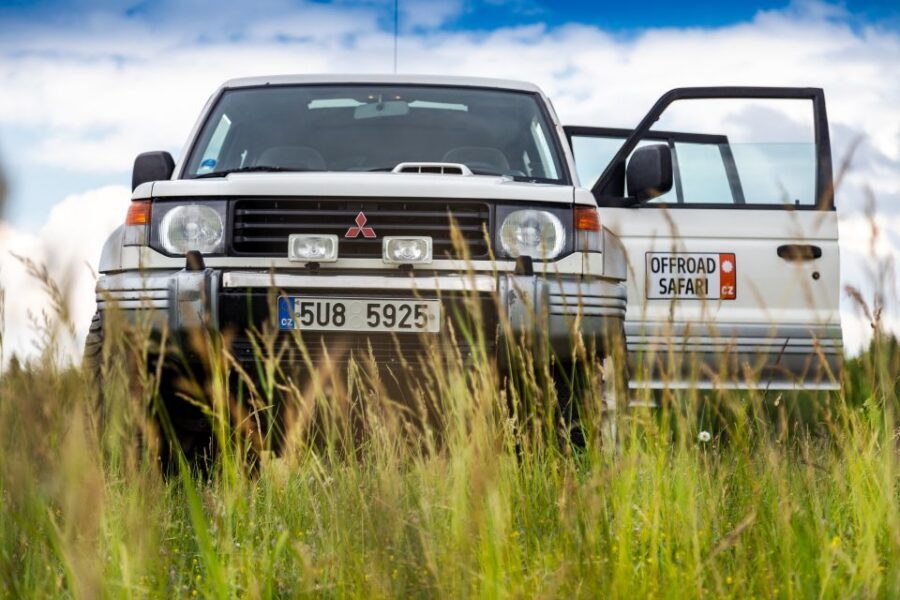
After the underground start, the tour turns into countryside driving in the 4×4. This is not scenic sightseeing in the usual sense. You’re traveling through the setting where Nazis built and ran major war-related industry, including a large petrochemical factory powered by POW and forced labor (Totaleinsatz).
This is one of the most useful parts for you if you want more than “the war happened.” Martin’s explanations are built to help you understand how the occupation functioned day to day: factories, labor systems, and the way civilians and prisoners were pulled into the war machine.
Why I like the way this is presented: it connects industry to landscapes and structures you can later recognize. When you see bunkers and shelters, you’re not guessing why they exist. You can connect them to what the factory and nearby operations needed—protection, air-raid survival, and control.
Also, the drive gives you time to ask follow-ups without feeling rushed. If you’re curious about Czech history beyond the WWII chapter—how the region’s politics changed—this is the right time to ask.
Bunkers, shelters, and tunnels: why concrete can tell a story
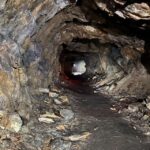
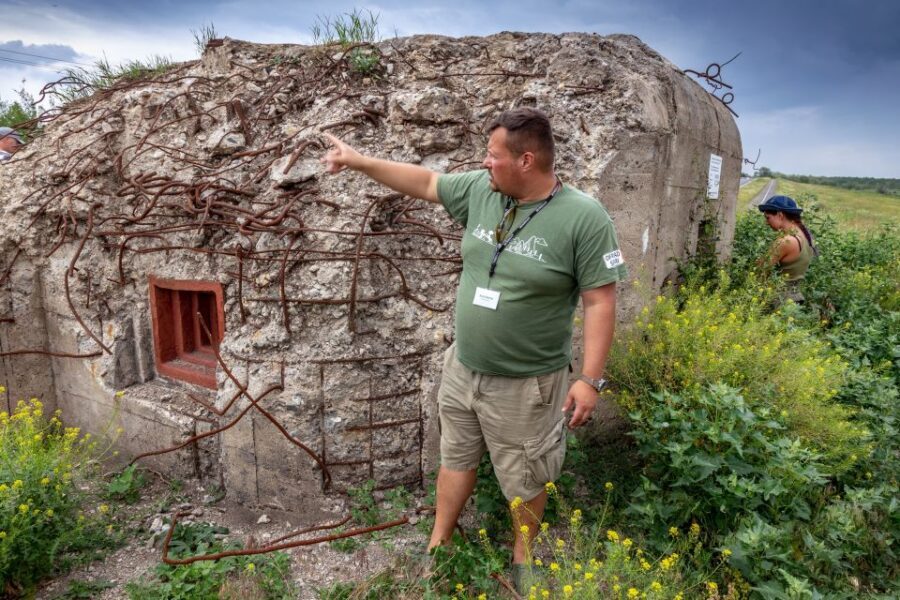
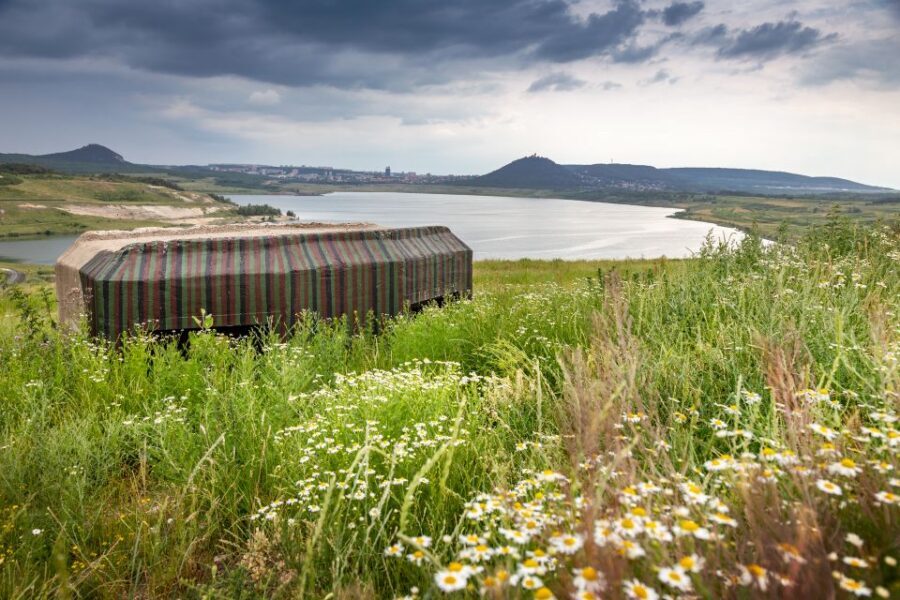
One of the standout themes is variety. You’ll visit many different bunkers and shelters and also underground areas—tunnels and other protective spaces. The point isn’t only to see one dramatic bunker. It’s to understand that wartime defenses came in multiple types, shaped by function and by who built them.
The tour also includes sites that are both Czech and Nazi-made, which is important. It reminds you that local infrastructure and local building efforts didn’t start from zero; WWII overlapped with earlier defensive needs and then got reshaped by occupation priorities.
You’ll also see the remnants of former wartime operations tied to camps and air-raid infrastructure, including an air raid shaft. Even when the structures are damaged, the layout and purpose can still be read. Martin helps you do that reading—what to focus on, what the parts likely did, and how the systems fit together.
What to watch for on these stops
- Look for how structures connect: defense wasn’t just one building.
- Pay attention to clues about air threats—air-raid spaces often signal where bombing risk was taken seriously.
- Don’t treat the shelters as just “cool WWII ruins.” They were part of a daily survival plan for people under occupation.



RAF and US bombing: how the air war shows up on the ground
The Sudetenland and nearby industrial areas were targets during major bombing campaigns. The tour explains why: Nazis needed fuel production and related industry, and the Allies aimed to disrupt it.
You’ll learn about bombing raids involving the R.A.F. and US forces (8th and 15th flying army), and how those strikes affected the ground reality. Martin shares stories tied to the air war, including downed pilots and what happened when aircraft went down.
This is also where the tour’s inclusion of shut down aircraft debris becomes more than a photo-op. It gives you physical scale to the air war’s consequences. You can understand the conflict wasn’t happening only in the sky; it landed in forests, fields, and industrial zones.
If you’re the kind of traveler who likes history but gets bored when it stays too theoretical, this portion usually clicks. The tour uses the remains you can still see to translate the air war into something graspable.
Lunch in the middle of it all: Czech meal, unlimited beer
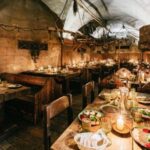
After several stops and explanations, you get a proper break: lunch in a local restaurant. The lunch is a la carte and includes unlimited Czech beer during the meal. Bottled water is also available on board during the rest of the day.
What I appreciate here is that the lunch isn’t treated as a filler. It’s a real stop where you can reset your head. If you’ve been absorbing heavy topics all morning, sitting down with local food and a cold beer helps you process the day without getting numb.
From what’s been reported about the meal quality, this is one of those lunches that tends to land well. In short: you’re not just given something quick so you can keep moving.
Timing and flow: what the 7 hours actually feel like
The day is built as a full arc:
- Prague pickup
- Guided start (around an hour) to set the stage
- Extended exploration period (around two hours) where you really get into the underground shelter experience
- Lunch (around an hour)
- Another short visit stop (around 30 minutes)
- Back to Prague
Even with multiple visits, the day doesn’t feel like a sprint. It’s structured to give you enough time at the key stops where the meaning is densest, while the driving does the connecting work.
Still, do plan for a long day. You’re on a 4×4, you’re outside for parts of the time, and you’ll likely do some walking around the concrete and terrain. If you don’t love uneven ground or if you want a strictly seated experience, this may feel like too much.
Price and value: is $293 per person worth it?
At around $293 per person for a 7-hour tour, this isn’t a bargain-basement excursion. But value comes from where the money goes.
You’re paying for:
- Small-group access (max 6), which changes how much you can ask and how much time you get at each stop
- 4×4 transportation to reach scattered WWII sites
- A guided experience that goes beyond general WWII narration
- A lunch that includes unlimited Czech beer, plus bottled water
- Entrance to, and time inside, an underground shelter with original items you can see up close
If you’re the type who wants a guided day focused on specific WWII remnants in the Sudetenland—bunkers, shelters, tunnels, tunnels, and industrial context—then the price can feel fair because you’re not paying for generic sightseeing. You’re paying for access, interpretation, and a format that matches the sites.
Who this tour suits best (and who should skip it)
This tour is designed to work across ages: it says it suits kids from 8 up to 99, and it doesn’t limit the experience based on body size. That suggests the operator expects a range of guests and keeps the pace workable.
You’ll likely enjoy it most if you:
- want WWII history tied to the exact structures and settings where it happened
- like hands-on details (like original documents and items)
- prefer a small group and direct Q&A with Martin
It may not be the best match if you:
- need wheelchair accessibility (it’s listed as not suitable)
- want a light, casual day with minimal heavy content
- dislike outdoor walking or being in varied terrain for a full day
Should you book this WWII 4WD tour from Prague?
If you want a WWII day trip that feels real—not just a lecture and a few stops—this one is worth serious consideration. The underground shelter start, the chance to see original WWII documents and personal IDs, and the way Martin explains the Sudetenland and Czechoslovakia under occupation all point to a tour that’s built around understanding, not spectacle.
I’d book it if you’re comfortable with heavy history and you’re happy spending time outside and exploring concrete remnants. If you’re sensitive to occupation-era topics or need high accessibility accommodations, you’ll probably want to look for a different type of Prague tour.
If your goal is a guided 4×4 route through Sudetenland bunkers, shelters, tunnels, bombing evidence, and an actual Czech lunch with beer, this is one of the more focused ways to do it from Prague.
FAQ
What’s the duration of the WWII 4WD tour from Prague?
The tour lasts 7 hours.
Where do you get picked up and dropped off?
You’re picked up and dropped off at your hotel in Prague.
How big is the group?
The group is limited to a maximum of 6 guests for the best enjoyment.
Is lunch included, and what does it include?
Yes. Lunch at a local restaurant is included, and Czech beer is included during lunch.
What language is the tour guide?
The tour is guided in English.
What kind of vehicle is used?
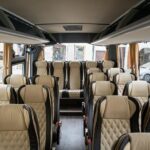
Transport is done in a 4×4 vehicle.
What should I bring for the day?
Bring comfortable shoes and outdoor clothing.
Is the tour wheelchair accessible?
No, it’s listed as not suitable for wheelchair users.