REVIEW · PRAGUE
Communism & Nuclear Bunker Tour + 70s Canteen Lunch (own expense)
Book on Viator →Operated by Prague Extravaganza Tours · Bookable on Viator
Cold War Prague can feel like a movie set. This tour puts the story on real streets and then takes you underground. You start at the Powder Tower and walk through the moments that shaped Czechoslovakia, from independence and Nazi occupation to the communist era, Prague Spring, and the Velvet Revolution. Then you finish with the rare chance to visit a 1950s nuclear bunker and see how governments planned for the worst.
I especially love two things: the small-group size (max 10) that keeps questions flowing, and the way the guide connects big political events to everyday life. You get stops tied to places like secret police headquarters streets, Narodni Street, and Wenceslas Square—so history doesn’t stay abstract.
One drawback to plan for: it’s not recommended for claustrophobic travelers, and the bunker visit involves going down into narrow underground spaces.
In This Review
- Key things to know before you go
- Powder Tower start: turning Prague’s streets into a Cold War timeline
- Republic Square and Old Town Square: independence, occupation, and the 1948 shift
- Wenceslas Square for 1968 and 1989: Prague Spring to the Velvet Revolution
- The 70s worker canteen stop: budget your lunch and try kofola
- Inside a real 1950s nuclear bunker under Prague: what the visit feels like
- Mobility and claustrophobia reality check
- Expect interactive, not just display cases
- Price and value: why $35.07 can work if you budget food
- Who should book this communism and bunker tour
- Practical tips for your best experience
- Should you book this tour?
- FAQ
- How long is the communism and nuclear bunker tour?
- What’s the group size and language?
- What does the price include?
- Where do you start and end the tour?
- Is it suitable for claustrophobic travelers?
- Is free cancellation available?
Key things to know before you go
- Small group, big discussion energy: max 10 people, so you can ask questions without yelling over a crowd
- Concrete Cold War access: a real nuclear bunker from the 1950s, with an included museum/bunker fee
- Local 70s canteen pause: you’ll be able to try drinks like kofola, plus a working-class lunch (own expense)
- History tied to specific Prague corners: Old Town Square, Narodni Street, and Wenceslas Square all matter
- Underground has real constraints: narrow spaces and claustrophobia risk; it’s an active visit, not a quick gallery stop
Powder Tower start: turning Prague’s streets into a Cold War timeline
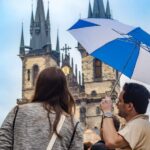
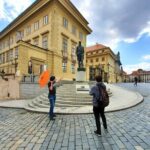
You meet at the Powder Tower on Náměstí Republiky, right where Prague’s Old Town and New Town energies overlap. The guide holds a blue umbrella, and that matters here—once you’re in motion, it’s an efficient walking route and you’ll want to stay with the group.
What makes this tour work is pacing. You don’t just hear dates. You get a sense of what the state wanted people to believe, what people did instead, and how the city’s central landmarks became stages for power. Along the way you’ll also pass through areas that many sightseeing routes skip, including shopping arcades and streets linked to the secret police.
If you like history told in plain language, I think you’ll appreciate the style used by guides such as Klara or Leo in past tours. The best part is how the story keeps snapping back to daily reality: school, workplaces, propaganda, fear, and survival.
A few more Prague tours and experiences worth a look
Republic Square and Old Town Square: independence, occupation, and the 1948 shift
The tour begins with Republic Square, where you’re set up with the “why” behind Czechoslovakia’s position in European power politics. You learn how the country declared independence in 1918, and why Hitler had strong interest in taking it first. That framing helps you understand why later events didn’t happen in isolation—big wars and big borders kept pushing everyone around.
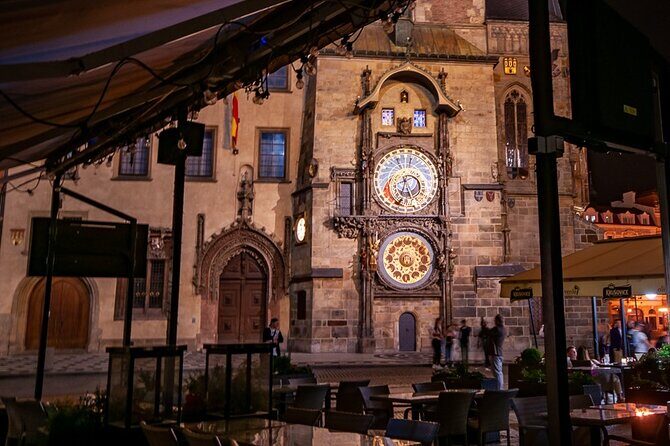
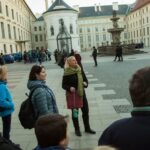
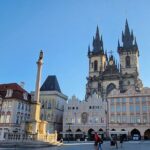
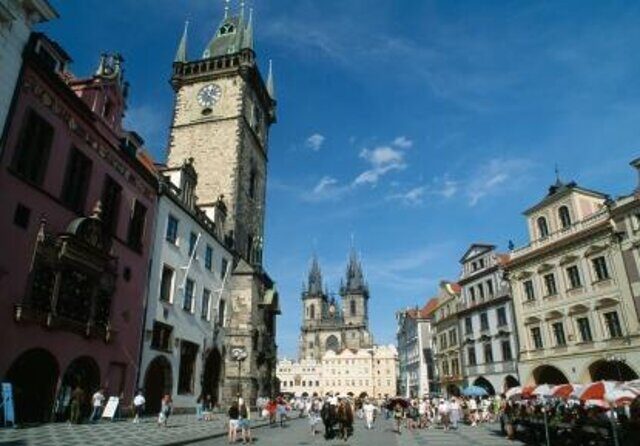
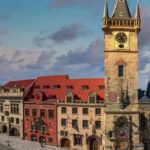
Then you move into Old Town Square (Staroměstské náměstí), and the tone changes. This is where the tour connects the monumental with the frightening. In 1948, communist party leaders celebrated their victory here, and the guide points out how public space was used to broadcast power.
One of the most talked-about parts of the tour is the focus on the 1950s era of fear: working camps, manipulated trials, collectivisation, and the secret police’s reach into daily life. Even if you already know the broad storyline, you’ll likely notice how specific the human pressure points are—how the state reshaped work, trust, and even what you could safely say.
You also get a glimpse of Stalin’s monument story tied to the square. It’s the kind of detail that makes you look at familiar buildings differently, because you start seeing them as tools of ideology, not just architecture.
Practical note: these city-center stops are short (think 15–20 minutes each), so if you like to linger for photos, plan on grabbing pictures quickly and then rejoining the guide’s next point.
Wenceslas Square for 1968 and 1989: Prague Spring to the Velvet Revolution
Next is Wenceslas Square, and the tour uses it like a timeline marker. In August 1968, the Prague Spring occupation took place largely around Wenceslas Square and nearby Vinohradska Street. You’ll hear how the Soviet military action crushed democratic hopes during that brief blossoming period.
Then the tour shifts forward again to November 1989, when protests against the communist regime spread. The guide ties this to the Velvet Revolution, including who mattered in shaping modern Czech history, with Václav Havel highlighted as a key figure.
Between these moments, the route also passes by other meaningful places. You’ll hear about Narodni Street and the massacre by state police on 17 November 1989, and you’ll encounter references to the secret police headquarters area on Bartolomejská Street and even the Kotva shopping mall zone as part of the city’s evolving landscape.
Even if you only remember a few names and dates, the value is that you leave with a cause-and-effect picture: reforms get crushed, pressure builds, protests erupt, and then the old system collapses faster than people thought possible.
The 70s worker canteen stop: budget your lunch and try kofola
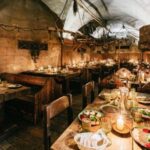
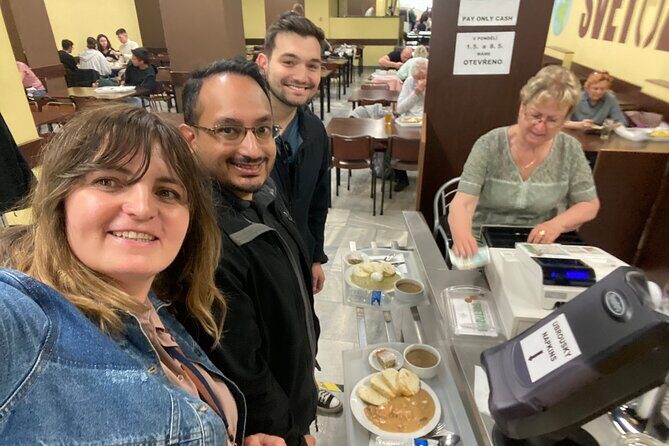
After the political stops, you get a break at a local worker’s canteen styled as a 1970s place. This is the “slow down” moment in the tour, and it’s surprisingly useful. History gets heavy fast, and a lunch pause turns the walk into something more human.
Here’s the key practical point: food and drinks are not included in the tour price. You’ll pay on your own for items like beer or Czech sodas such as kofola. The tour gives you a chance to sample this kind of everyday culture rather than just learning about it.
What to expect at the table depends on what’s on offer that day, but I recommend you go with something simple and local. In past experiences, diners have ordered dishes like pork on paprika with potatoes, which fits the working-class vibe the canteen is known for.
If you want to make this smoother:
- Bring a bit of spending money for drinks and lunch.
- Keep it flexible. This is a canteen, not a plated restaurant experience.
- Use the time to ask your guide about daily life under communism, because the relaxed setting often makes questions easier.
Inside a real 1950s nuclear bunker under Prague: what the visit feels like
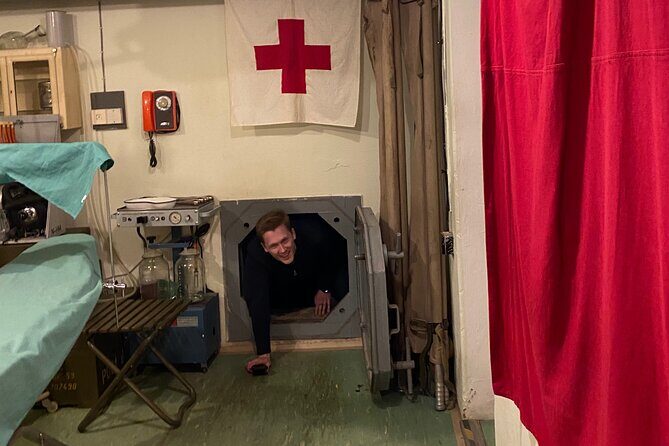
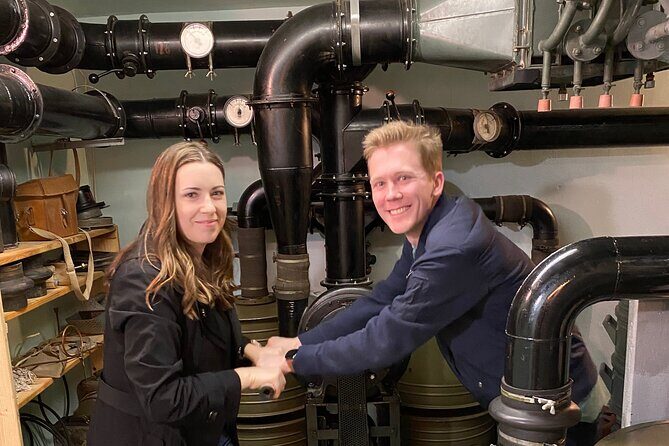
The finale is the star: a real nuclear bunker dating from the 1950s. The Cold War Museum/bunker admission fee (10 EUR) is included, so you’re not juggling add-ons for the underground part.
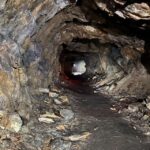
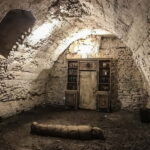
One more reason this ending works: it’s a walk into a space where fear becomes physical. You’re not just hearing about plans made in case of catastrophe—you’re standing in the environment built for that possibility. People often describe the bunker as eerie and very real, and that reaction makes sense once you’re down there.
Mobility and claustrophobia reality check
This is where you need to be honest with yourself. The tour is not recommended for claustrophobic travelers, and the bunker isn’t a wide-open museum hall.
From on-the-ground descriptions, the route to the deeper level includes an elevator going one level down, then a walk of about 30 steps to a second level below. Even with that manageable setup, it’s still underground, narrow, and active. If you have concerns about confined spaces or stairs, treat this as a “consider carefully” stop.
Expect interactive, not just display cases
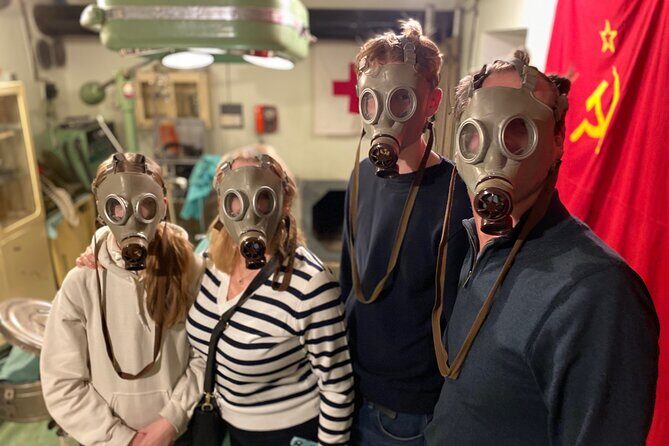
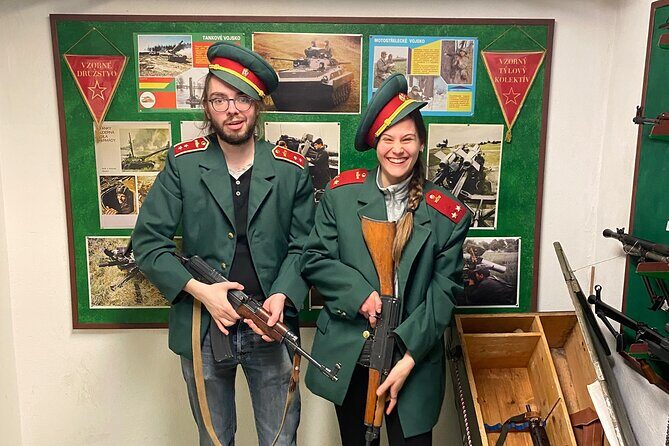
This bunker experience tends to feel more hands-on than typical exhibits. Some participants have reported trying on gas masks and taking part in secret police style role-play moments, and the tour may include replica gear interactions during the bunker portion. It’s a good match if you learn best by doing rather than just reading placards.
Price and value: why $35.07 can work if you budget food
At $35.07 per person for about 3 hours 30 minutes, you’re paying for three big components:
1) a guided walk through key sites across the city center
2) the included Cold War Museum/bunker entry fee
3) a guided route with context that links the political story to specific Prague locations
The only major extra cost is the canteen meal, since food and drinks are not included. That changes the value equation in your favor. If you eat there, you’re adding a modest, flexible spend. If you skip lunch or keep it light, you still get the walking and bunker without a big budget surprise.
Also, the max 10 people group size matters. At this price point, a small group often means better pacing and more back-and-forth, and that’s exactly what the reviews highlight. You’re not packed into a herd for 3.5 hours.
Who should book this communism and bunker tour
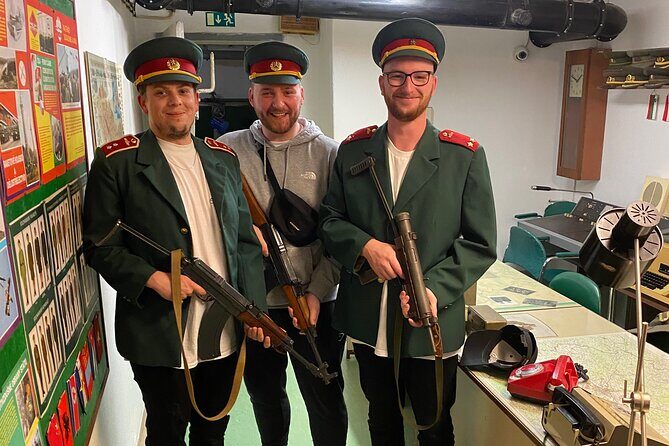
This is a strong fit if:
- You want context for Prague beyond medieval scenes.
- You like history connected to real places (not just a list of facts).
- You’re curious about how totalitarian systems affected everyday life, not only leadership headlines.
- You’re comfortable with underground spaces and can handle a short set of steps.
You might skip it if you:
- Have claustrophobia concerns.
- Prefer light, entertainment-first sightseeing.
- Want a purely surface-level history overview (this tour focuses on how the system worked and what people lived through).
If you’re a history buff, this is the kind of add-on that genuinely changes how you see Prague’s center. If you’re not a history person, you’ll still likely like it because the guide uses stories and a steady route that makes the timeline easier to hold in your head.
Practical tips for your best experience
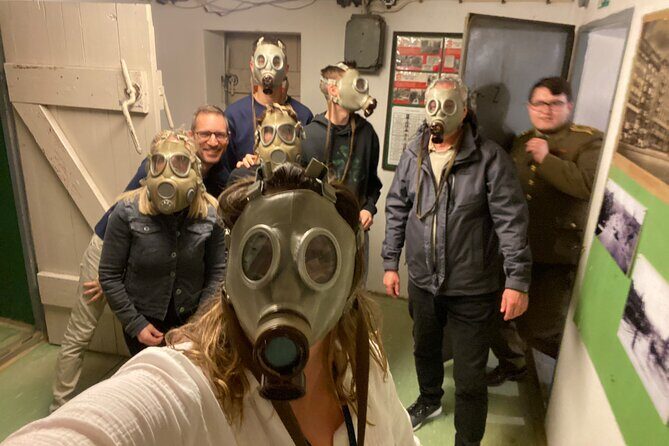
A few things will make the tour feel smoother from start to finish:
- Wear comfortable walking shoes. You’re covering multiple city-center locations in a short time.
- Bring cash or a card for the canteen lunch and drinks, including options like kofola.
- If you care about photo stops, keep your camera ready but stay close when the guide is pointing something out. The story moves fast.
- Ask questions when the guide pauses. This is where the tour often turns from information into understanding.
- For the bunker portion, plan to take it slowly if you’re sensitive to confined spaces or have limited mobility.
Should you book this tour?
I’d book it if you want Prague with teeth. This tour gives you a focused, guided route through Czechoslovakia’s big political turning points, and then it ends in a real 1950s nuclear bunker, which is the part most other tours can’t replicate.
If you’re on the fence, use this simple check: are you comfortable with underground spaces and a serious topic? If yes, the value is strong, the group size helps, and the final bunker visit is the kind of experience that stays with you long after you’ve walked out into daylight.
FAQ
How long is the communism and nuclear bunker tour?
It runs for about 3 hours 30 minutes (approx.).
What’s the group size and language?
The tour has a maximum of 10 travelers, and it’s offered in English.
What does the price include?
The price includes a local guide, the Cold War Museum/bunker admission fee of 10 EUR, and the bunker entry is included in the tour portion. Food and drinks are not included.
Where do you start and end the tour?
You start at the Powder Tower, Nám. Republiky 5, Staré Město and you finish at the upper part of Václavské náměstí.
Is it suitable for claustrophobic travelers?
It’s not recommended for claustrophobic travelers.
Is free cancellation available?
Yes. You can cancel up to 24 hours in advance for a full refund. If you cancel less than 24 hours before, the amount paid is not refunded.