REVIEW · PRAGUE
Prague: 2-Hour Old Town and Jewish Ghetto Walking Tour
Book on GetYourGuide →Operated by McGee's Trips & Tickets · Bookable on GetYourGuide
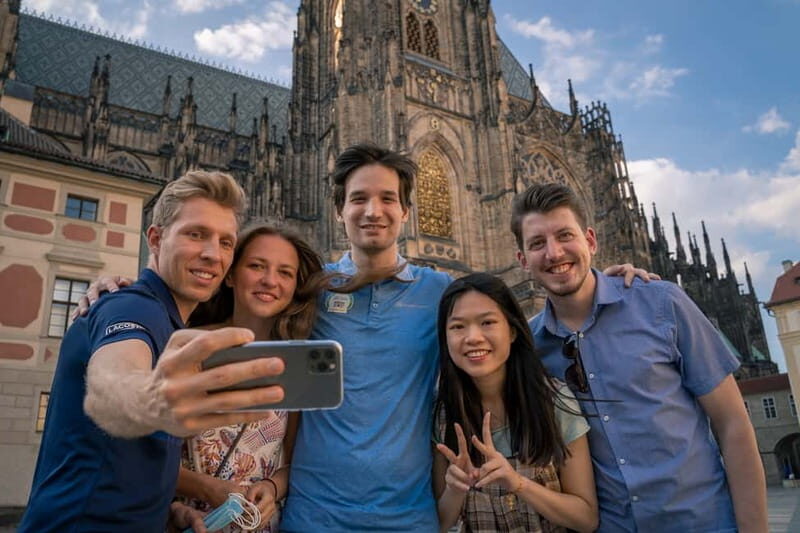
Old Town has a way of moving fast. This 2-hour walk keeps you oriented with Old Town Square classics and Josefov synagogue stops, tied together by clear stories about Bohemia and the Czech Republic. One note: it is a compact route with mostly outdoor viewing, so there are no interior visits.
I like that you get interpretation, not just sightseeing. You’ll hear how symbols on the Prague Astronomical Clock work, and you’ll connect Jan Hus, Charles University, and Estates Theatre to what Czech people remember about their identity. The trade-off is simple: with a maximum group size of 15, the pace stays brisk to fit everything in.
You start behind Týn Cathedral at 7 Týnská, then finish at Staroměstské náměstí. If you want a first-time-or-refreshing introduction that feels grounded (not like a quiz tour), this one is a strong pick for your schedule.
In This Review
- Key Points Worth Caring About
- Old Town in Two Hours: How This Route Feels Practical
- Meeting at Týn Cathedral and Getting Oriented Immediately
- Jan Hus to the Astronomical Clock: The Old Town Square Story You Can Repeat
- Charles University and Estates Theatre: Prague’s Education and Culture Links
- House of the Black Madonna and St. James: Small Corners With Big Meaning
- Kafka’s Prague: From Monuments to the Writer’s City
- Josefov: Walking the Former Jewish Ghetto With Synagogues Still in View
- Why These Stops Matter Together: Bohemia and Czech Identity in One Walk
- Price and Group Size: Is $23 Good Value for Prague?
- Who Should Book This Old Town and Josefov Walk?
- Should You Book This Tour?
- FAQ
- How long is the Prague Old Town and Jewish Ghetto walking tour?
- How much does the tour cost?
- Where does the tour start?
- Where does the tour end?
- What’s included in the tour?
- Are interior visits included?
- What languages are available?
- How big is the group?
- Is a private group available?
- Can I cancel for a refund?
Key Points Worth Caring About
- Astronomical Clock symbols explained in a way you can actually picture on your own later
- All the key Old Town monuments in a tight, logical route
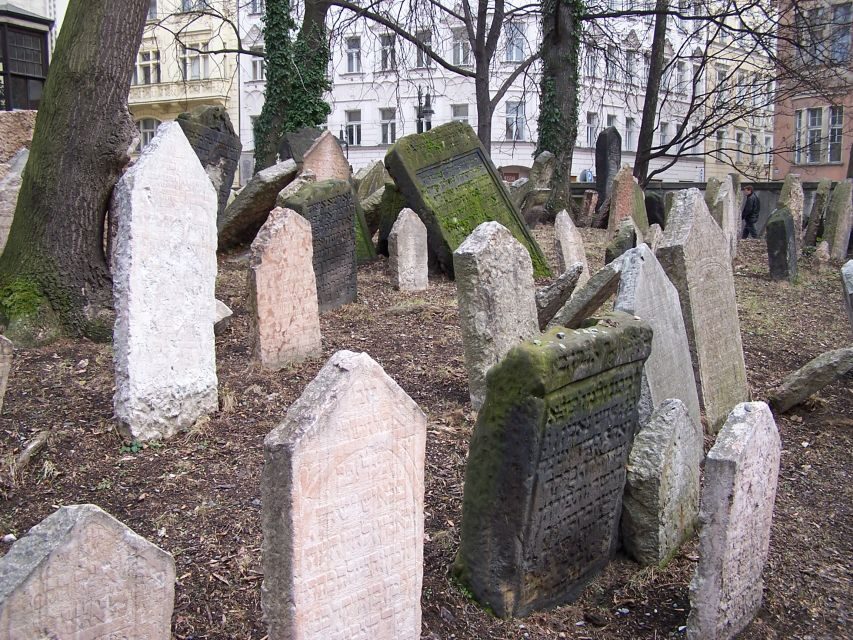
- Josefov synagogues and the Old Jewish Cemetery area linked to the ghetto story
- Franz Kafka’s birthplace spotlight and the nearby cultural sites that shaped Prague
- Education and culture stops like Karolinum (Charles University) and Estates Theatre
Old Town in Two Hours: How This Route Feels Practical
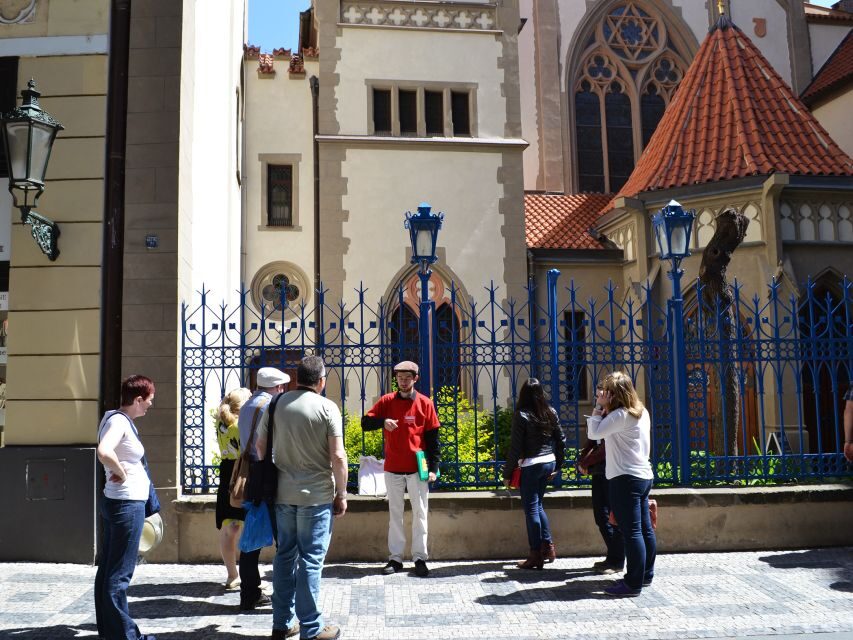
Prague can be a lot. The main sights are gorgeous, but they’re also packed closely enough that you can get “photo-blind” after an hour. This tour solves that with a small-group format (up to 15 people) and an intentionally short duration that keeps you moving while still making sense of what you’re seeing.
What I like most is that the guide doesn’t treat the Old Town and Josefov neighborhoods like two separate worlds. You get the big monuments in the center, then you gradually shift your attention to Josefov, where the Czech story includes Jewish life, later suffering, and the way the city rebuilt itself after the ghetto was destroyed in the early 20th century.
For many people, the best value here is not a new ticket or an entry fee. It’s meaning: you leave with a map in your head, and with specific details you can point to as you wander afterward.
You can also read our reviews of more walking tours in Prague



Meeting at Týn Cathedral and Getting Oriented Immediately
You meet at 7 Týnská 627/7, standing behind Týn Cathedral. The meeting instruction is clear: look for the big wooden door of building number 7.
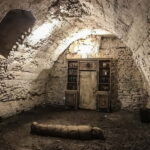
From the first steps, the tour helps you get your bearings. You begin at Dům U Kamenného zvonu, a stop that works as a “street-level” introduction before you step into the best-known landmarks. It’s the kind of start that helps you stop thinking in terms of random buildings and start thinking in terms of a city with layers.
A quick pacing reality check: because it’s only 2 hours, the guide will keep the route moving. If you want long sitting breaks or slow photo stops, you might find yourself wishing for extra time at your favorite facade.
Jan Hus to the Astronomical Clock: The Old Town Square Story You Can Repeat
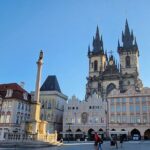
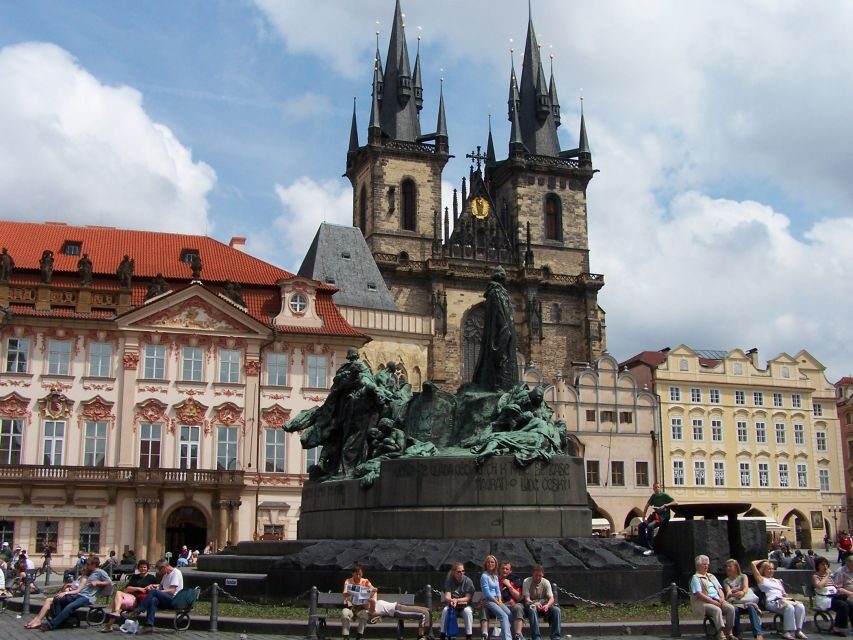
You’ll spend guided time around the most recognizable political and cultural touchstones of the center, including the Jan Hus Monument. Hus matters because he’s tied to Czech pride and religious history, so the guide’s job is to connect the statue to the why—not just the where.
Then comes the moment everyone notices: the Prague Astronomical Clock. This is where the tour earns its keep. The highlights you’re promised include learning about the curious symbols on the clock, and that kind of explanation changes your experience. Instead of staring at an ornate mechanism with no context, you can understand how it communicates.
The guide also brings in the “human scale” of Old Town Square. You’re not only looking at stone; you’re learning about the life of the man on the big monument in Old Town Square (Jan Hus) and why Czechs still feel connected to that past.
Charles University and Estates Theatre: Prague’s Education and Culture Links
Old Town isn’t only about medieval drama. You also get the evolution into a city that shaped education and culture across Central Europe.
A major stop is Charles University, including the Karolinum complex of buildings from the 15th century. Even if you walk past universities at home without thinking twice, a Prague stop here works because it grounds the city’s intellectual life in a physical place. It helps you see why people speak about Prague as a long-running center of learning.
Next, you go to the Estates Theatre (Stavovské divadlo) in the historic theater district. The promise here is specific: admire the façade of the 18th-century venue. Since interior visits aren’t included, you experience it as architecture and atmosphere first, with the guide filling in what this kind of theater meant in its time.
If you like connecting arts to politics and civic life, this part of the route is especially satisfying. If you prefer purely scenic wandering, you may find you’re learning more than you’re daydreaming.
House of the Black Madonna and St. James: Small Corners With Big Meaning
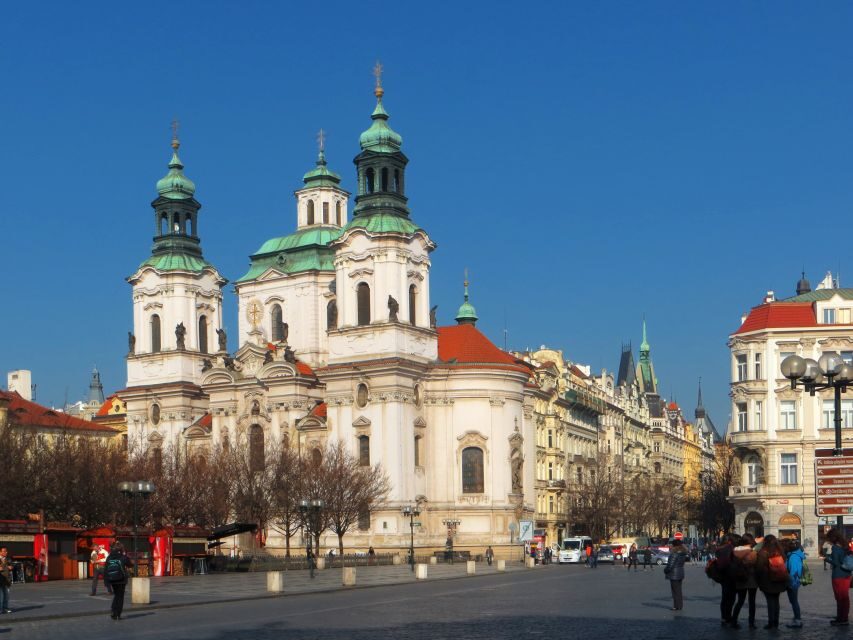
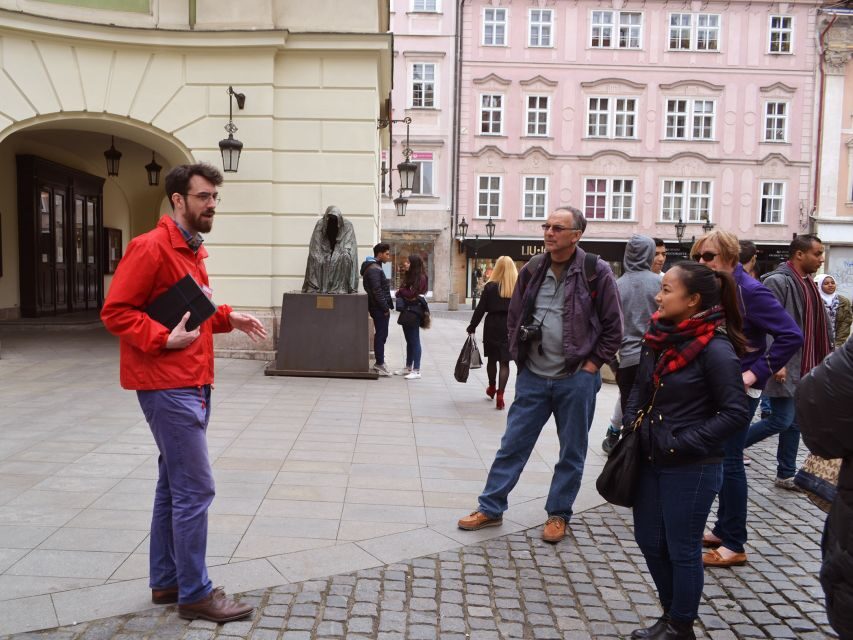
The tour doesn’t stay only on the obvious postcard lines. You also visit the House of the Black Madonna, which gives you a different flavor of Prague: the sense that icons and stories cling to buildings.
You’ll also stop at Church of St. James, Prague. The value of these moments is that they’re not only about a single viewpoint. They add variety to the city picture, and they let the guide connect Christian symbolism, civic pride, and Central European cultural influence in a way that feels grounded.
This is the section where your route begins to feel like a guided walk through belief, not just architecture. Even if you’re not the museum type, the explanations tend to make the streets feel more legible.
A few more Prague tours and experiences worth a look



Kafka’s Prague: From Monuments to the Writer’s City
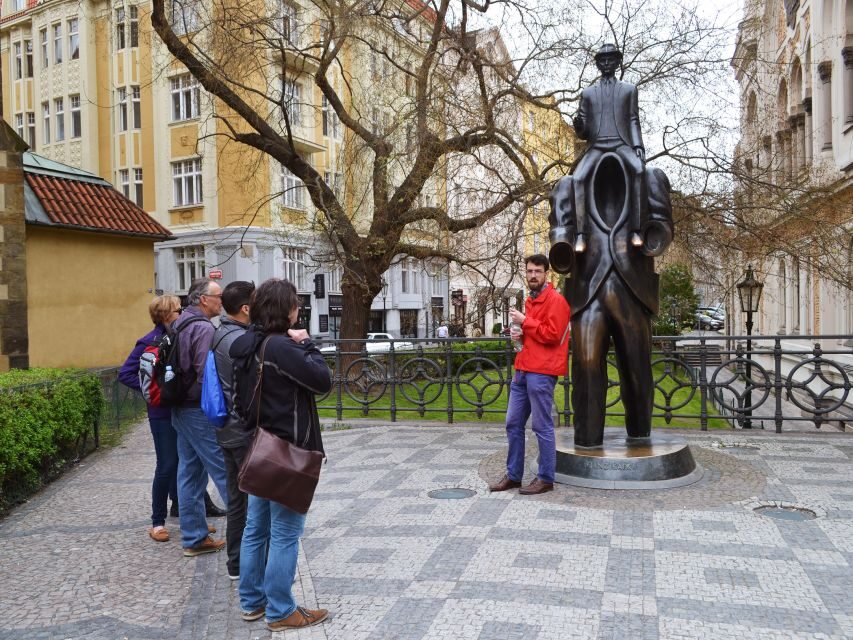
A highlight you’re promised is the birthplace of Franz Kafka. You’ll see the Franz Kafka monument, and the guide uses it as a thread to tie Prague’s intellectual life to its physical locations.
Kafka is one of those names that can feel like a distant literature-school topic. On this tour, the point is to keep him tied to the city. When the guide points out connections between the cultural institutions you’ve already seen and the neighborhoods you’re walking through, you get a better sense of why Prague mattered to thinkers and writers, not just rulers.
This part is short by necessity, but it’s one of the clearest “why Prague matters” moments on the walk. If you’re a Kafka fan, you’ll likely feel like you’ve finally placed him on the map.
Josefov: Walking the Former Jewish Ghetto With Synagogues Still in View
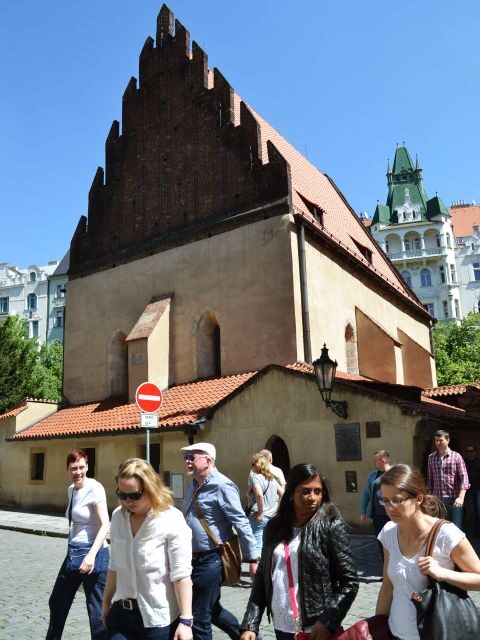
Then you shift into Josefov, the tiny quarter that was once the Jewish ghetto. It’s surrounded by the Old Town, which is exactly why this part hits you: the physical proximity makes the story harder to ignore.
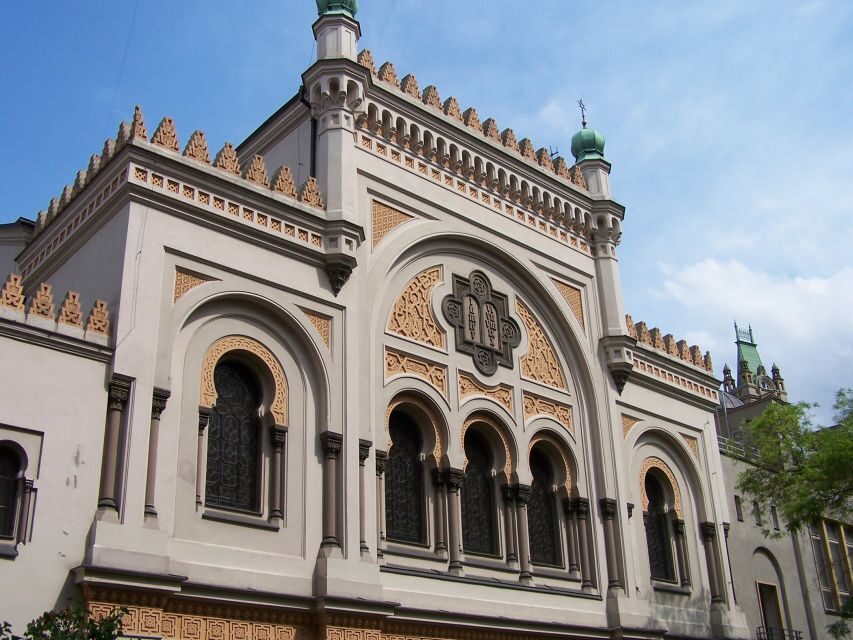
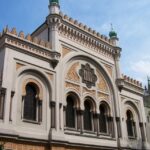
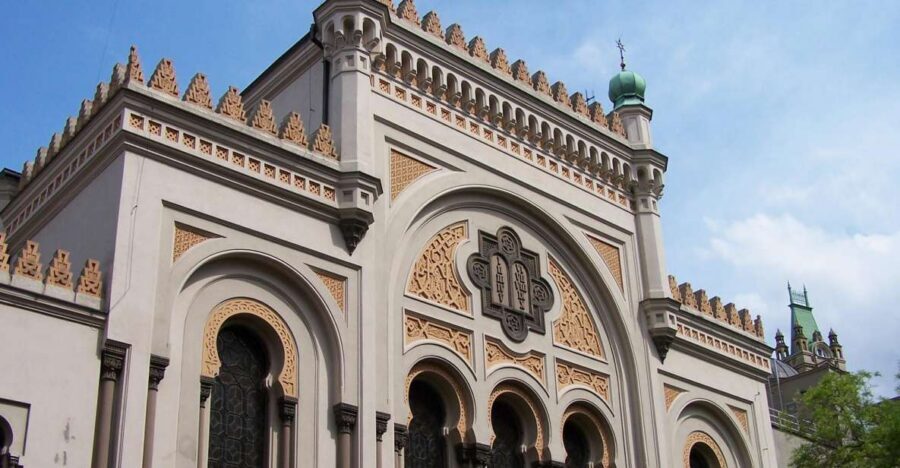
You’ll see several surviving synagogues in the area, including Maisel Synagogue, Klausen Synagogue, Old-New Synagogue, and the Spanish Synagogue. The tour also includes the Old Jewish Cemetery area.
A key promise here is learning about the cramped conditions before the ghetto was destroyed in the early 20th century. That’s the moral weight of the route. The guide’s job is to keep the story human: what it means to live in restricted space and what it means for a city to change when a community is displaced.
Because interior visits aren’t included, you’re mostly absorbing what’s visible from outside and through the guide’s explanation. For many people, that works well—especially when you’re moving on foot and trying to absorb multiple sacred spaces in a short time.
One small practical consideration: this area can feel emotionally heavy. If you prefer cheerful historical walks only, you might want to keep your expectations balanced and give yourself a moment to process before you move on.
Why These Stops Matter Together: Bohemia and Czech Identity in One Walk
The tour weaves a theme: Bohemia and the Czech Republic as a place shaped by ideas, faith, and political change. You’re not just collecting sights—you’re building a timeline.
You see that timeline through a few recurring categories:
- Reform and religious identity (Jan Hus and the broader context around it)
- Education and civic culture (Charles University and Karolinum)
- Arts and public life (Estates Theatre)
- Faith communities and their survival (Josefov synagogues and the ghetto story)
This is also where good guiding makes a difference. The reviews attached to real people include guides such as Allen, Radek, Dana, Martin, and Krystoff, and the common thread is how they connect architecture to the life of the city. You end up learning why Czechs care about these places, not just what the buildings look like.
If you’ve been to Prague before and felt like you saw a lot but understood little, this is a strong fix. If it’s your first visit, it’s a smart foundation.
Price and Group Size: Is $23 Good Value for Prague?
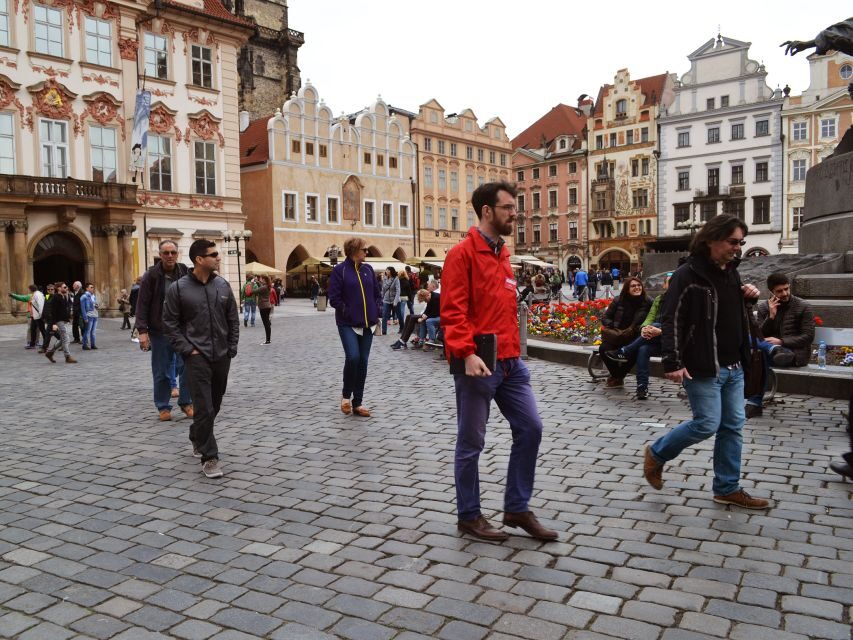
At $23 per person for a 2-hour guided walking tour, this is priced like an efficient introduction rather than a full-day deep dive. The value is in what’s included: you get a live English guide, plus the route coordination that keeps you from guessing your way through Old Town and Josefov.
This kind of walking tour tends to be worth it when:
- you want context for famous landmarks (not just pictures)
- you like short, structured routes
- you’d rather spend your time learning than researching
The group size matters too. With a maximum of 15 people, you usually get a more conversational experience than with huge crowds. If you’re traveling with questions, this format is more forgiving.
The main reason it might not feel like value is if you already know the story well and only want quiet time at each stop. Since interiors aren’t included, it’s also best for people who are happy with exterior viewing plus guidance.
Who Should Book This Old Town and Josefov Walk?
I think this tour fits best if you’re:
- visiting Prague for the first time and want the main Old Town landmarks plus Josefov in one outing
- the kind of traveler who reads a plaque and actually wants the explanation behind it
- interested in Czech identity, education, and the way history shows up in street-level places
- comfortable walking a compact route in a small group
It might not be the best match if you:
- need lots of downtime between stops
- strongly prefer interior visits and long stays inside churches or synagogues
- want only light, celebratory sightseeing without heavier historical context
If your idea of a great walking tour is clear stories, tight routing, and an end result that makes wandering afterward easier, I’d book it.
Should You Book This Tour?
Yes, I’d recommend it—especially if you’re short on time. You’re getting Old Town Square power sites, Charles University and Estates Theatre as cultural anchors, and Josefov synagogues and cemetery-linked history, all in a manageable 2 hours with an English guide.
It’s also the kind of tour where the guide’s skill matters. The presence of guides like Allen, Radek, Dana, Martin, and Krystoff in the tour history suggests consistency in storytelling style. If you choose one guided outing to reduce confusion and add meaning quickly, this is a practical way to do it.
FAQ
How long is the Prague Old Town and Jewish Ghetto walking tour?
It lasts 2 hours.
How much does the tour cost?
The price is $23 per person.
Where does the tour start?
You start at 7, Týnská 627/7, behind Týn Cathedral. Look for the big wooden door of building number 7.
Where does the tour end?
It finishes at Staroměstské nám., 110 00 Staré Město, Česko.
What’s included in the tour?
The only listed inclusion is a guide.
Are interior visits included?
No. Interior visits are not included.
What languages are available?
The tour runs with a live English guide.
How big is the group?
The group is limited to a maximum of 15 people.
Is a private group available?
Yes. Private group available is listed.
Can I cancel for a refund?
Yes. Free cancellation is available up to 24 hours in advance for a full refund.