REVIEW · PRAGUE
Stories of Jewish Prague Walking Tour
Book on Viator →Operated by Insight Cities · Bookable on Viator
Jewish Prague tells its story in footsteps. This 3-hour walking tour threads medieval beginnings through wartime collapse and communist-era change, starting at the Old-New Synagogue in the Josefov neighborhood. You also get a real historian guide, plus morning or afternoon departures if you’re juggling a tight schedule.
I especially love how the route connects architecture to daily life. You’ll hear why the community’s earliest era included Christians brought in to help build the synagogue in the late 1200s, then you’ll move to the later “golden age” scene shaped by Mordechai Maisel and his Renaissance Town Hall.
One thing to plan for: the tour is history-focused and can feel talk-heavy at times, so if you’re hoping for more practical, ritual-focused explanations, bring your questions—and expect the visit length to land around the stated 3 hours, not an exact stopwatch promise.
In This Review
- Key things to know before you go
- Old-New Synagogue to the Jewish Quarter: where the story starts
- Mordechai Maisel and the “golden age” street-level impact
- Medieval customs, religion, and social life—what you’ll actually get
- Maria Theresa, the Edict of Toleration, and the “reversal” story
- Nazi-era decimation and the political pressure points before invasion
- Communist-era life and the Jewish community today
- Guide quality: small-group, big difference (and why names matter)
- Price and entrance fees: what $126.03 really means
- Getting there and making the timing work
- Who should book this tour?
- Should you book Stories of Jewish Prague Walking Tour?
- FAQ
- How long is the tour?
- How much does the tour cost?
- Is it only for adults, or can students participate?
- What’s included in the price?
- What entrance fees should I budget for?
- Where does the tour start?
- How big is the group?
- What language is the tour offered in?
- Do I get a ticket on my phone?
- Is there free cancellation?
Key things to know before you go
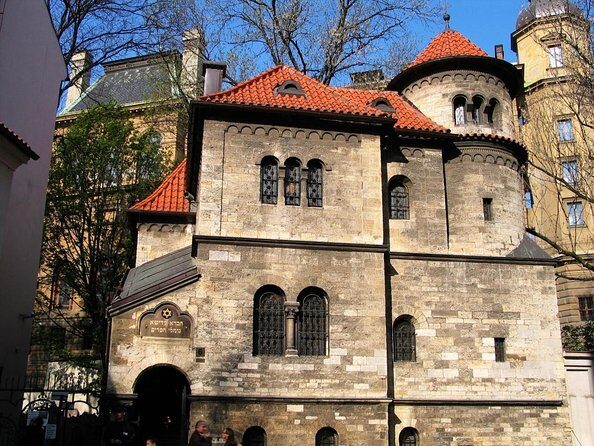
- Small group (max 8) means you can ask questions without shouting over a crowd
- Old-New Synagogue first sets the tone with centuries of continuity and change
- Mordechai Maisel’s “golden age” adds civic and charity context, not just dates
- A full timeline runs from medieval customs to Maria Theresa, Nazi devastation, and communist-era life
- Local historian guides can be excellent at bringing people and places into focus (Martina, Petr, Katerina Prusova, Bonita are names you may get)
Old-New Synagogue to the Jewish Quarter: where the story starts
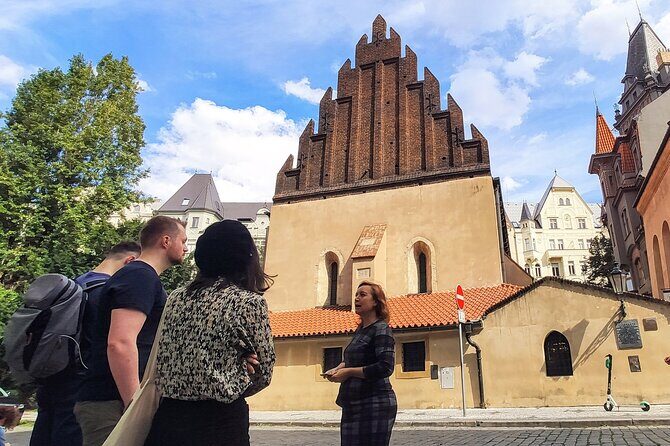
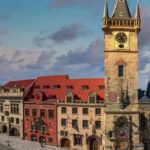
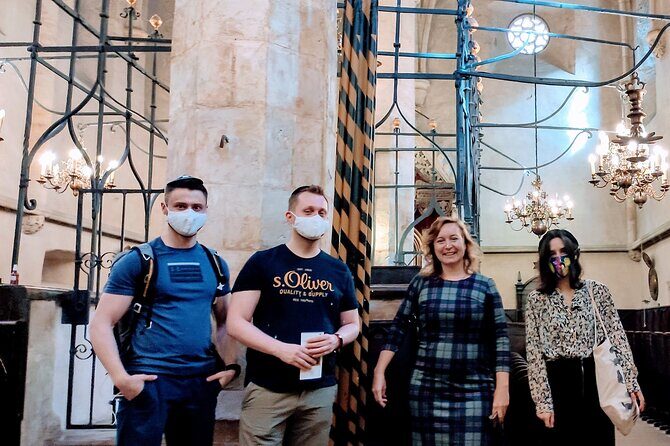
Most good Prague history tours let you see stones. This one starts with a stone that still works. You begin at the Old-New Synagogue, widely noted as the longest functioning synagogue in Europe. Even if you’ve seen synagogue buildings elsewhere, this one hits differently because it’s tied to a long, living timeline rather than a single “museum moment.”
From there, you’re guided onto a route through the Jewish Quarter designed to make the neighborhood feel like a sequence, not a pile of landmarks. The early stops matter because they set up the key idea of the tour: Prague’s Jewish community didn’t appear fully formed. It grew, organized itself, and built cultural routines that shaped how people lived block to block.
You’ll also hear medieval details that don’t feel like trivia. One of the tour’s most interesting threads is the note that local Jews hired Christians to help build the synagogue in the late-13th century. It’s a small detail, but it’s a big lesson in how communities operated in real life—cooperation, constraints, and the way history often moves through ordinary hands.
Practical note: you’ll be walking and standing through several stops. If you dislike shoe pressure, I’d wear your most comfortable pair and plan to take it slow at your own pace.
You can also read our reviews of more walking tours in Prague



Mordechai Maisel and the “golden age” street-level impact
A major highlight is the stop connected to Mordechai Maisel, one of the most important figures tied to the neighborhood’s later flowering. You’ll learn about the Renaissance Town Hall that Maisel built and how the “golden age” wasn’t just cultural—it was civic. You also get the story of how Maisel used his own money to pave neighborhood streets and support charity.
This part is valuable because it changes how you look at a historic district. Instead of thinking the Jewish Quarter is only preserved ruins, you start seeing how local leadership improved the everyday environment for the people living there. Streets, maintenance, charity—these are the unglamorous pieces of community survival.
If you like your history grounded in human scale, this is where the tour tends to click. It gives you a sense of who had influence, what they did with it, and how community leaders could act like both politicians and patrons.
Medieval customs, religion, and social life—what you’ll actually get
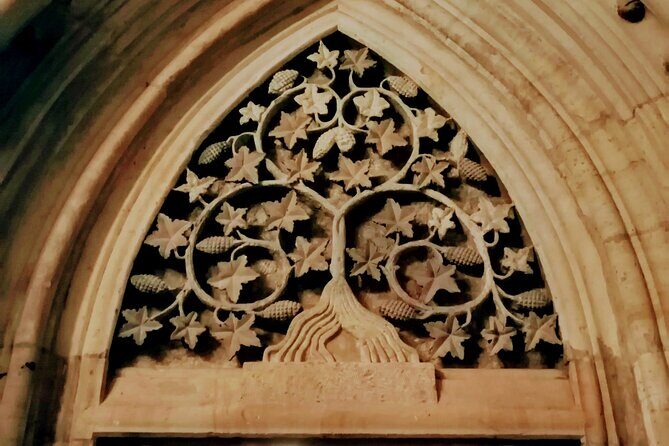
The tour doesn’t just point at buildings. It includes an explanation of Jewish religious and social customs during the medieval period as you move along the route. That matters because the Jewish Quarter is a physical place, but it also represents rules, rhythms, and relationships that shaped how daily life unfolded.
That said, the tour’s biggest strength is historical context. In other words, you’ll likely come away with a clear map of “what happened and why,” more than a step-by-step guide to synagogue practice. If ritual detail is your top priority, it helps to be ready with questions—your historian guide can often tailor follow-ups to what you want to understand.
Maria Theresa, the Edict of Toleration, and the “reversal” story
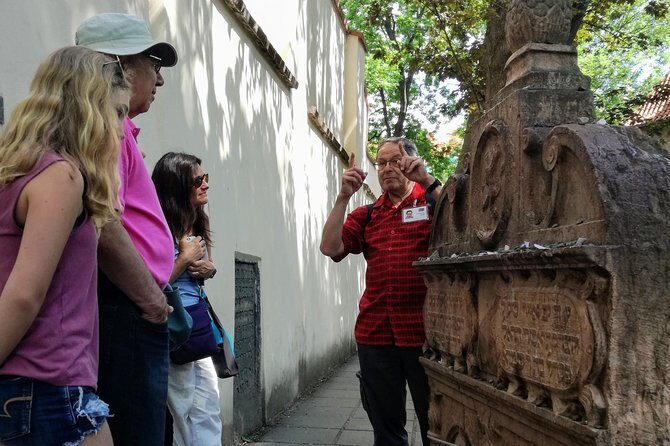
No walking tour can make painful history painless, but a good guide can make it coherent. One of the tour’s strongest segments covers the years when Empress Maria Theresa expelled the entire community, then her son reversed the order with the Edict of Toleration.
This is one of the clearest “before and after” arcs in the Jewish Quarter story. You’ll see the logic of how policy can flip the conditions of community existence—suddenly, dramatically, and with real consequences for families. Then the reversal gives you a reminder that history isn’t a straight line. Power changes hands. Rules shift. People adjust again.
I like the way this theme threads through the route: it’s not treated like a standalone lecture. Instead, it’s anchored to the neighborhood you’re standing in, so the timeline feels less abstract.
Nazi-era decimation and the political pressure points before invasion
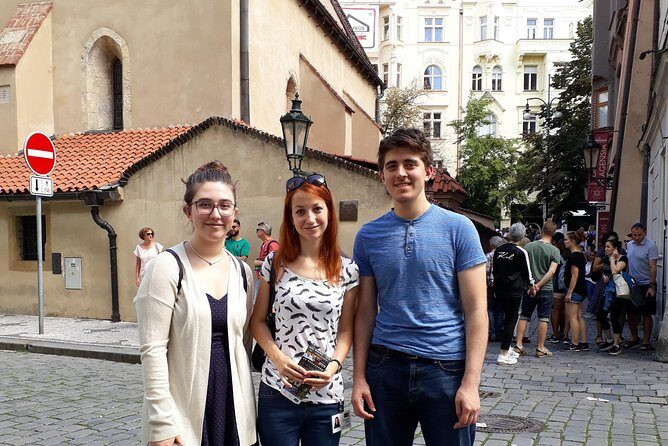
The tour moves into the 20th century with the kind of careful framing you want for this subject. You’ll learn about how Nazi Germany decimated Prague’s Jews, and you’ll also hear about the local politics and ethnic tensions that preceded Hitler’s invasion of Czechoslovakia.
This part is emotionally heavier, and it’s also where the tour earns its “expert insight” label. You’re not just getting a headline. You’re getting the setup—what pressure existed in the region, how tensions hardened, and why the invasion wasn’t random timing. That context helps you understand how communities reach a breaking point.
If you tend to process history better through people than through dates, this is still a strong stop—because the best guides connect policy and violence back to real lives in the neighborhood.




Communist-era life and the Jewish community today
A lot of tours stop at the Holocaust and call it done. This one continues, covering Jewish experience during the Communist era and then ending with a discussion of the Jewish community today.
That ending matters. It keeps the story from freezing in tragedy. You leave with a sense that Prague’s Jewish presence isn’t only a past tense. Even if the community has changed in size and structure, the neighborhood isn’t just a memorial landscape—it’s part of a living cultural reality.
You’ll likely find this closing discussion especially useful if you want to balance grief with understanding: how communities adapt, what survives, and what rebuilding looks like when the political atmosphere shifts again.
Guide quality: small-group, big difference (and why names matter)
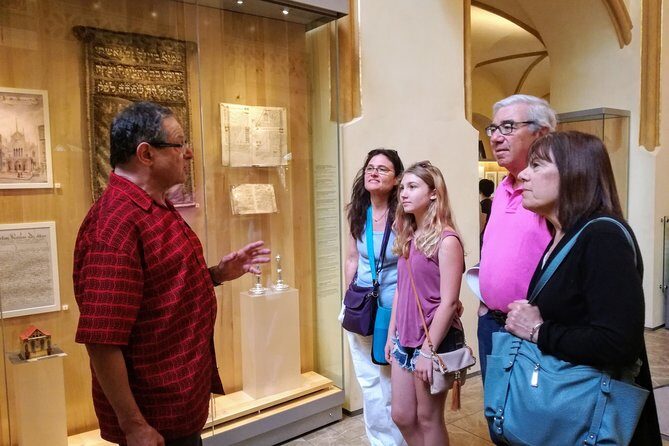
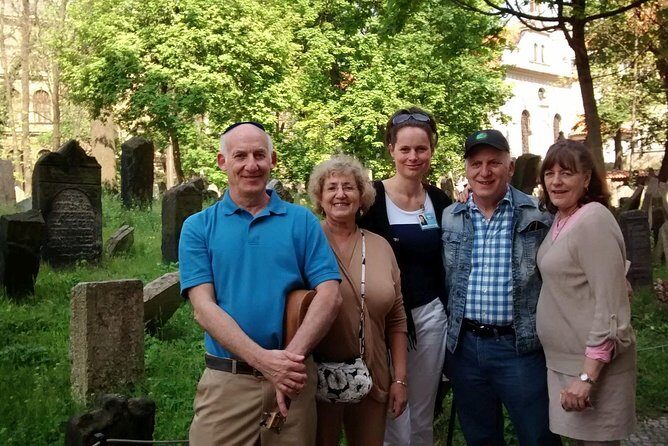
The tour includes a historian guide, and the guide can make or break your experience. In the feedback you provided, multiple guides are mentioned by name—Martina, Petr, Katerina Prusova, and Bonita—and the consistent thread is clarity, warmth, and strong command of the story.
What I like about a historian-led approach is that you’re not stuck with generic talking points. A good guide can explain the Why behind the What—linking medieval building choices, civic leadership, and political reversals into one believable chain.
Also, the group size cap of 8 travelers helps. In a small group, you can hear details without straining your ears through background noise. It also helps you ask: How did this work day to day? What does this building represent? Why did policies hit here first?
One review note that’s useful for your expectations: the tour can be very intellectually framed. If that’s your kind of style, you’ll probably love it. If you prefer a lighter tone, you’ll want to ask your guide to explain things in plain terms.
Price and entrance fees: what $126.03 really means
The tour price is $126.03 per person, and you should view that as paying for expert guiding and a structured walking route. What’s not included are entrance fees to the Jewish Museum and the Old-New Synagogue: 600 CZK for adults and 400 CZK for students.
So your all-in cost will depend on your situation and which entrances your group uses during your time window. If you’re budgeting, I recommend planning for the tour fee plus those entrance tickets. That keeps you from hitting the cash-register moment late in the day.
Also, food and drinks aren’t included. If your day includes other sights, I’d schedule lunch before or after and carry water. Prague walking adds up fast, and you’ll enjoy the history more when your energy stays steady.
For value, I think the small group size and historian guide make a real difference. You’re not just buying a route—you’re buying interpretation and context.
Getting there and making the timing work
You start at Maiselova 38/15, 110 00 Praha 1-Josefov. That’s in the heart of the Jewish Quarter area, so you’re already in the right zone for walking connections. The tour is also described as near public transportation, which is handy because you won’t need a car or long taxi rides to reach the meeting point.
Timing-wise, the duration is listed as about 3 hours, and you can choose a morning or afternoon departure. I’d treat it as a “half-day commitment.” Even if everything runs smoothly, your guide will likely pause for explanation, questions, and movement between stops.
If you have dinner reservations soon after, I’d give yourself breathing room. This isn’t a sprint tour. It’s built for steady walking and discussion.
Who should book this tour?
Book it if you want a walking tour that covers more than surface facts. It’s a strong fit for you if you:
- enjoy history that connects buildings, leaders, and policy
- want a structured timeline from medieval Prague to today
- prefer small groups where you can ask questions
- want a local, historian-led interpretation (you might even meet guides like Martina, Petr, Katerina Prusova, or Bonita)
It may be less ideal if you’re seeking mostly religious-practice instruction or highly hands-on ritual explanation. This is primarily a guided history walk, even when it touches customs.
Should you book Stories of Jewish Prague Walking Tour?
Yes—with one practical caution.
If your goal is to understand how the Jewish Quarter in Prague changed over centuries, this tour is a smart choice. Starting at the Old-New Synagogue, adding the Mordechai Maisel story, and then carrying you through Maria Theresa, Nazi devastation, communist-era life, and the Jewish community today gives you a full arc that most short tours skip.
Just plan your logistics: budget for entrance fees to the Old-New Synagogue and Jewish Museum, wear comfortable shoes, and schedule the tour when you can spare a little extra time if your group runs slightly longer than the 3-hour estimate.
If that sounds like your style of travel—slow enough for real context, small enough for real questions—then you’ll likely find this one worth every step.
FAQ
How long is the tour?
It lasts about 3 hours.
How much does the tour cost?
The price is $126.03 per person.
Is it only for adults, or can students participate?
The tour notes student entrance fees for the Jewish Museum and Old-New Synagogue, but it doesn’t otherwise restrict participation.
What’s included in the price?
A historian guide is included.
What entrance fees should I budget for?
Entrance fees to the Jewish Museum and the Old-New Synagogue cost 600 CZK for adults and 400 CZK for students.
Where does the tour start?
The meeting point is Maiselova 38/15, 110 00 Praha 1-Josefov, Czechia.
How big is the group?
It has a maximum of 8 travelers.
What language is the tour offered in?
The tour is offered in English.
Do I get a ticket on my phone?
Yes, it includes a mobile ticket.
Is there free cancellation?
Free cancellation is available. You can cancel up to 24 hours before the experience starts for a full refund.