REVIEW · PRAGUE
Prague: Clam-Gallas Palace Entry Ticket with Audio Guide
Book on GetYourGuide →Operated by Muzeum Prahy · Bookable on GetYourGuide
Baroque beauty is right there, in quiet luxury. The Clam-Gallas Palace lets you wander a rare, well-preserved Baroque mansion in Prague, using an audio guide so you can go as slow (or fast) as you like. It’s one of those stops where you notice details more when you’re not being hurried.
Two things I really like. First, the palace’s interiors are a feast for your eyes: Carlo Carlone artwork and the workshop of Matyáš Bernard Braun bring the walls to life. Second, the audio guide is genuinely useful, with more text for people who want extra context while still letting you move at your own pace.
One thing to consider: this is not wheelchair-friendly. You’ll be doing stairs, including the ceremonial staircase, and the route isn’t built for people with mobility impairments.
In This Review
- Key Highlights You Should Not Miss
- Why Clam-Gallas Palace Beats a Quick “Walk-By”
- The Baroque Design Mindset: Fischer von Erlach and the Artists Behind the Walls
- Your Self-Guided Route: Starting in the Antecamera and Finding the Piano Nobile
- Golden, Turquoise, Marble, and the “Surprise” Factor of Restoration
- The Ceremonial Staircase and What You Learn About Tight Old Town Space
- Winter Garden Adaptations and the Courtyard Finale
- Piano Nobile vs. Conservatory in the North Wing
- Price and Value: What $8 Gets You (and Why That’s a Good Deal)
- Timing Tips for a 1-Day Palace Visit
- Who This Experience Is Best For
- When You Might Want to Skip It
- Should You Book Clam-Gallas Palace With an Audio Guide?
- FAQ
- Is there a live guide included?
- What languages is the audio guide available in?
- Can I use my smartphone for the audio guide?
- What if I can’t use my smartphone audio?
- Is the ticket valid for more than one day?
- Is the palace accessible for wheelchair users?
Key Highlights You Should Not Miss
- A Baroque palace that still feels intact: built 1713–1718 and preserved at a very high level
- Carlo Carlone decoration you’ll actually see up close inside freshly renovated rooms
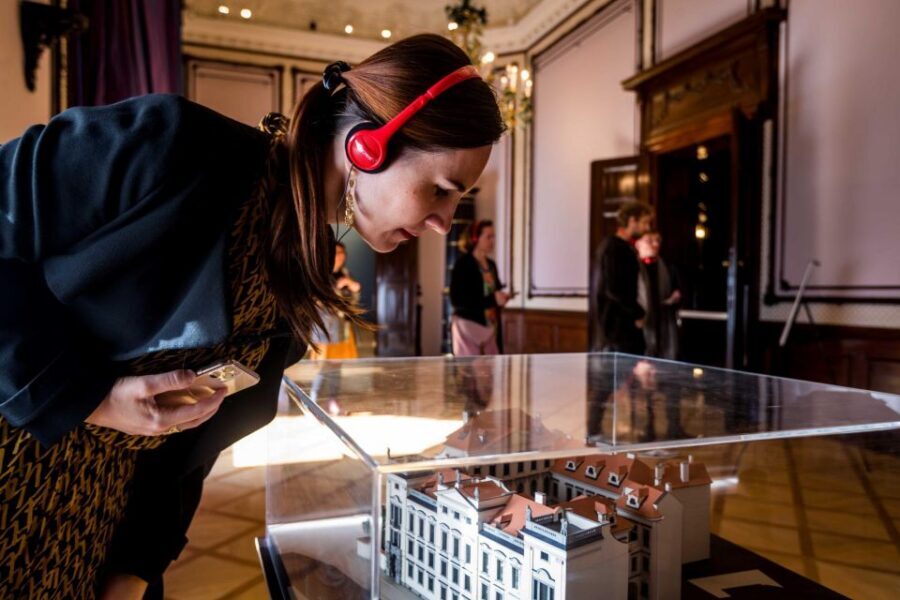
- Self-guided audio with English and Czech, plus the option to use your smartphone
- Piano nobile (noble floor) in the west wing, packed with major showrooms
- Fischer from Erlach’s design solved a tight-city problem that you can spot on the way up
- A graceful courtyard finish when weather cooperates
Why Clam-Gallas Palace Beats a Quick “Walk-By”
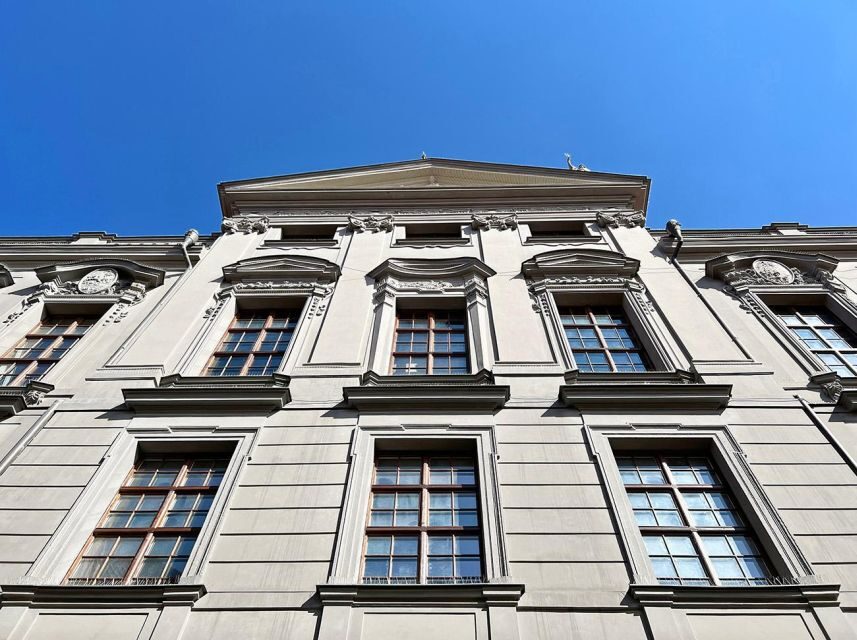
Prague has no shortage of grand sights, but many of them are best from the outside. Here, you get the real payoff: inside rooms that were built to impress, then kept in good shape for centuries. The palace is often described as among the best-preserved Baroque palaces in the world, and what that means for you is a tour that feels cohesive, not like random rooms patched together.
The experience also works because it’s self-paced. That’s a big deal in historic buildings, where you normally end up either racing or getting lost. With your audio guide, you can pause, look at a doorway fitting longer than you planned, then catch up. No stress, no group herding.
And yes, you’ll still get architecture and art. But you’ll also get a sense of how later generations changed the same spaces for comfortable living. That layered feel is what makes this palace more than just a pretty backdrop.
A few more Prague tours and experiences worth a look


The Baroque Design Mindset: Fischer von Erlach and the Artists Behind the Walls
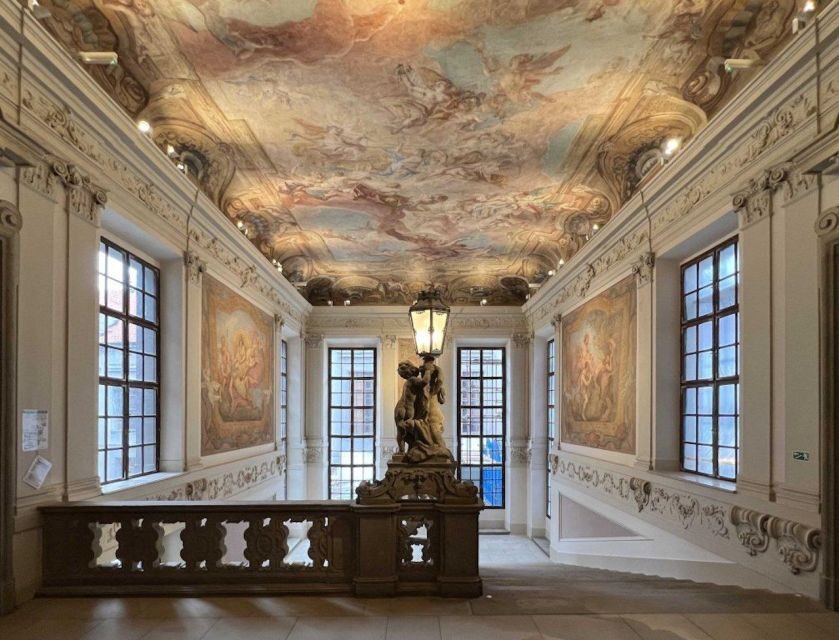
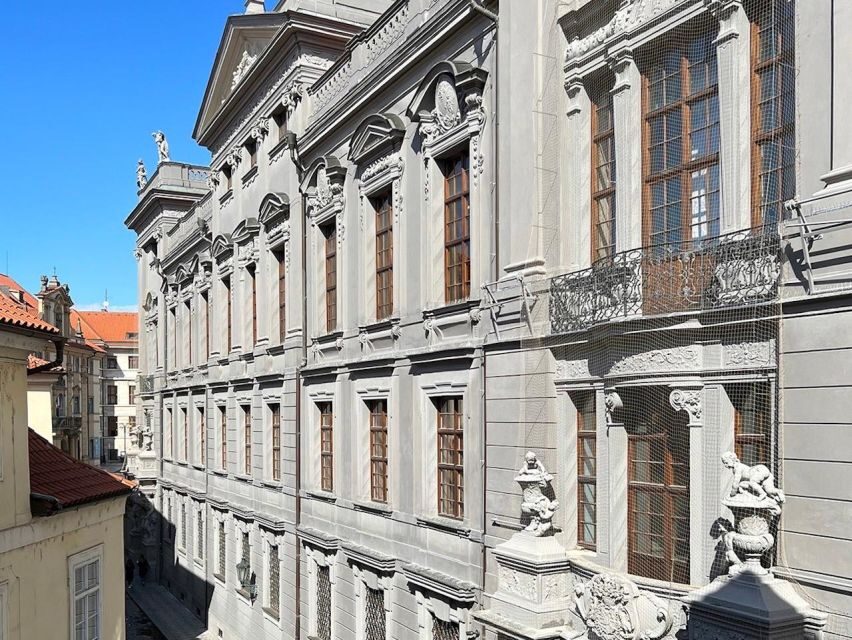
If you like understanding what you’re looking at, this palace delivers. It was designed between 1713 and 1718 by Johann Bernard Fischer from Erlach, a name strongly tied to Baroque Prague’s big architectural ideas. Knowing the architect’s role helps you notice how the building handles challenging city space.
Then the interiors take over. Carlo Carlone, along with the workshop of Matyáš Bernard Braun, decorated the palace, and the result isn’t vague “ornament.” You’re walking through rooms where the decoration is part of the architecture—stucco, sculpture, and painting works that match the grandeur of the setting.
Here’s the practical beauty of it: you don’t need to be an art expert to enjoy it. The audio guide gives you the extra context, but you can still keep your focus on what’s right in front of you—balustrades, wall surfaces, room layouts, and the feeling of the space.
Your Self-Guided Route: Starting in the Antecamera and Finding the Piano Nobile
The tour begins with an entry into the antecamera (anteroom). This room is more than a waiting area. It was adapted for the needs of the palace theater at the beginning of the 19th century. So before you even hit the main showrooms, you’re already seeing the palace adapt to changing tastes.
From there, you move into the arc of the piano nobile—the noble floor—especially in the west wing. This part is the centerpiece for the classic palace experience. As you follow the route, you’ll notice restored elements that make the rooms feel lived-in and designed to host: tiled stoves, hanging lamps, and impressive door fittings.
The next rooms that usually grab attention are the Golden and Turquoise Halls. Their restored details reward slow walking. If you tend to skim galleries, you’ll want to change your pace here. The halls aren’t just about color; they’re about how light and decoration work together on the surfaces.
And a quick tip from how this kind of palace tour tends to go: let the audio guide settle your bearings early on. Then you can go back to looking with your own eyes, not just listening.
Golden, Turquoise, Marble, and the “Surprise” Factor of Restoration
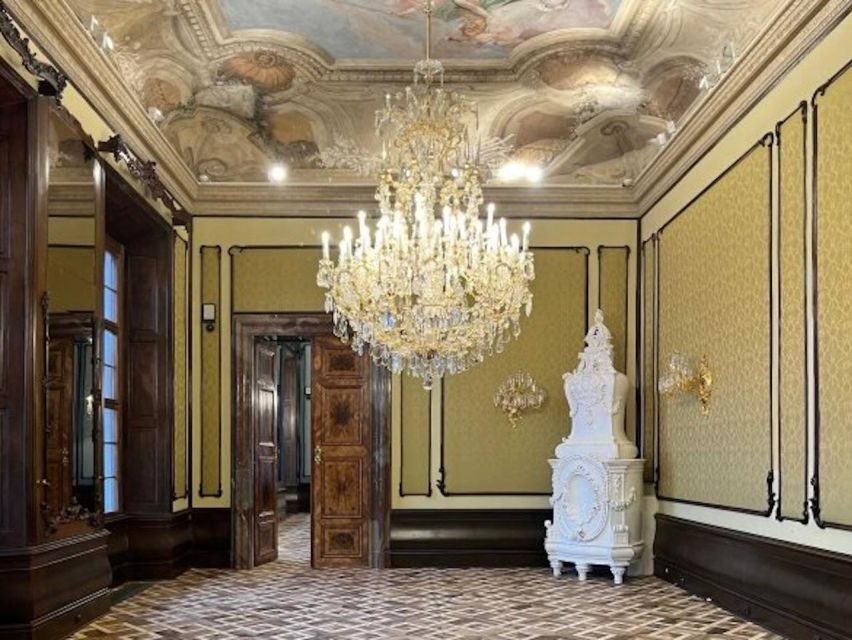
After the Golden and Turquoise Halls, the tour shifts into spaces that feel airy and bright—especially the Marble Hall. It’s described as striking for its airiness and whiteness, but what makes it memorable is the idea of hidden charm. That means you’ll probably catch your favorite detail after a minute or two of looking, not in the first ten seconds.
Right beside it, you’ll also visit the Chinese Lounge, which is noted for a similar sense of surprise. That word matters in practice. Instead of expecting every room to follow one style or one mood, you’ll see how decorative choices create different emotional “stops” along the route.
This is where the palace’s “newly renovated” quality shows up most. Restoration can be hard to read from outside photos, but inside it changes how clearly you can appreciate textures and forms. When you’re walking the route at your own pace, those repaired surfaces feel like they’re still part of the original design, not like modern redecoration.
The Ceremonial Staircase and What You Learn About Tight Old Town Space
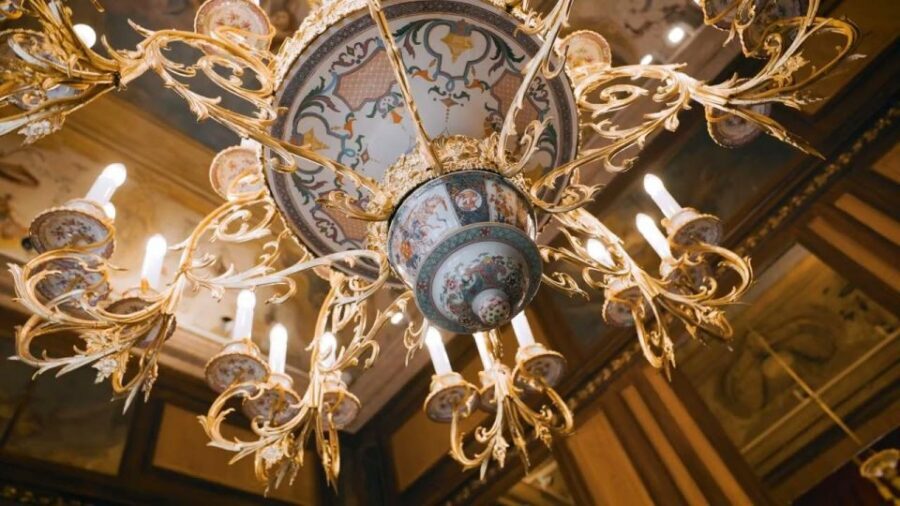
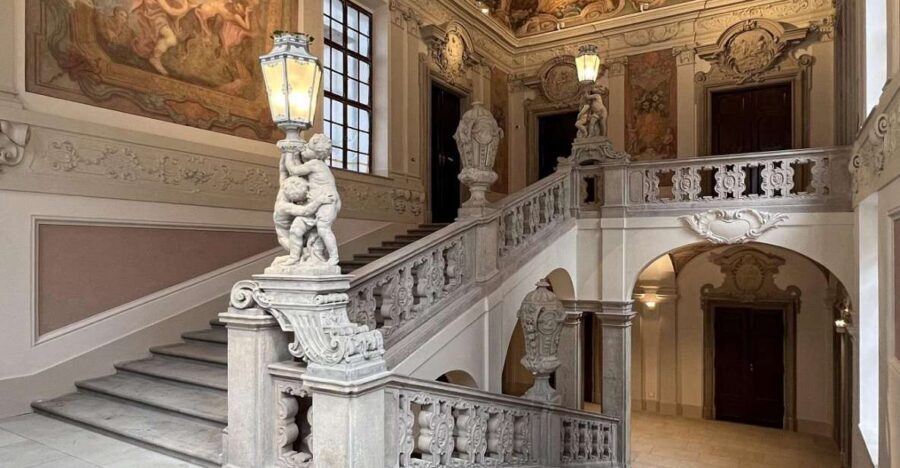
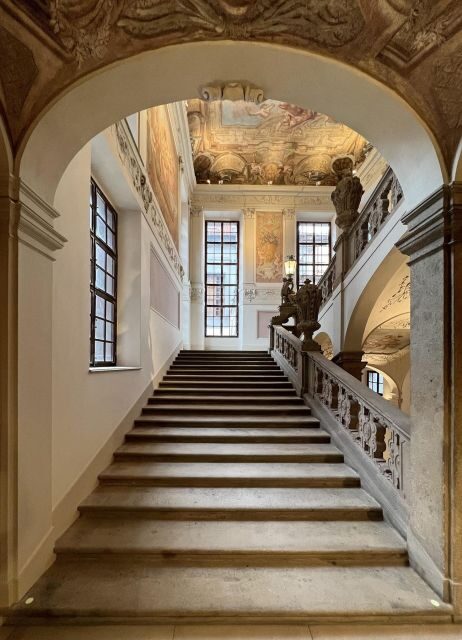
One of the strongest moments on this visit is the ceremonial staircase. You’ll climb up to the 2nd floor, and the route is designed to make you notice the building challenge the architect faced. Specifically, Fischer from Erlach handled cramped old town buildings, and you can see the solution in how the structure works.
As you go up, the focus shifts to more artful detail: sculpture, stucco, and painting works from the first third of the 18th century. It’s not just a “look, a staircase” moment. It’s a controlled transition from grand downstairs display to upstairs artistic intensity.
If you’re visiting with sore legs, plan around it. This is a palace built vertically. Even if you’re not thinking about mobility issues, you should expect a decent climb and time spent pausing for views and decoration.
You can also read our reviews of more guided tours in Prague





Winter Garden Adaptations and the Courtyard Finale
Near the end of the tour, you’ll visit two rooms adapted to a winter garden in the first third of the 19th century. That detail matters because it shows how a Baroque palace kept getting repurposed. You’re seeing not only original grandeur, but also later changes for everyday comfort—an “evolving home” feeling rather than a frozen museum set.
Then, if the weather is fine, you’ll end in the courtyard. This is a nice practical finish. It gives your eyes a break from indoor ornament, and it also helps you appreciate the scale of the palace. If you’re someone who likes to ground a visit by stepping outdoors at the end, you’ll probably like this part.
Piano Nobile vs. Conservatory in the North Wing
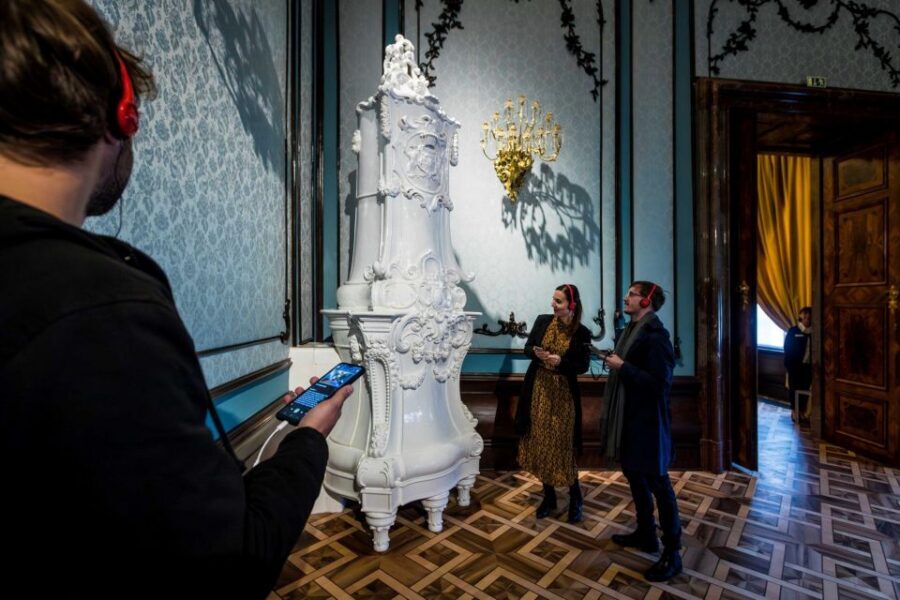
You’ll also have a stop in the conservatory in the north wing. That matters because it spreads the visit beyond a single “main floor” theme. The piano nobile is where the palace shows its full ceremonial confidence. The conservatory adds a different vibe—still elegant, but more connected to later lifestyle and comfort.
Think of it like this: the piano nobile gives you the formal Baroque statement. The conservatory helps you understand how noble life fit within the building over time. Together, they make the palace feel more human and less like a stage set.
Price and Value: What $8 Gets You (and Why That’s a Good Deal)
At about $8 per person, this ticket is priced like a smart add-on to a Prague day, not a once-in-a-lifetime splurge. The key value is that entry includes the audio guide in English and Czech. You’re not paying extra for a guide to explain rooms you’d otherwise have trouble decoding.
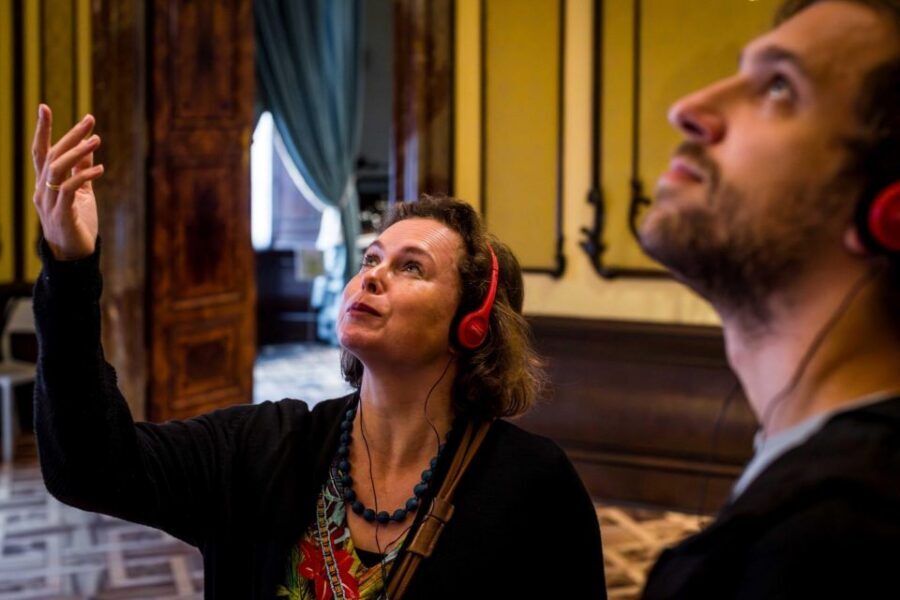
Also, the audio guide is designed for real-world use. You can download it to your smartphone right in the palace. If you can’t manage that, they’ll lend you an audio guide kit on-site. Headphones are available to rent if you don’t have what you need. In other words, the experience doesn’t collapse if your phone battery or Wi-Fi situation goes sideways.
What you won’t get is a live guide. If you love Q-and-A, a live guide can feel better. But if you’re comfortable with self-guided listening and you like moving on your own schedule, this setup is exactly the point.
Timing Tips for a 1-Day Palace Visit
The ticket is valid for one day, and there are starting times. Since you’re self-guided, you should treat this like an “hour-plus to two-hours” type visit rather than a quick stop.
I suggest you:
- Plan at least enough time to hear the audio guide narration for the main rooms.
- Leave breathing room for the Golden and Turquoise Halls and the staircase moment.
- Save your courtyard time for the very end if you’re there on a nicer day.
Also, consider that your visit time affects crowd feel. The experience can feel calmer when you avoid peak hours, and the audio guide benefits when you can hear it clearly.
Who This Experience Is Best For
This palace tour is a strong match if you like:
- Baroque interiors with visible art details
- audio guides that explain what you’re seeing without rushing you
- walking a route where each room has a distinct function or story
It’s also a good fit for solo travelers. You won’t have to negotiate pacing with a group, and the audio guide makes it easier to keep moving when you want to.
When You Might Want to Skip It
If you’re expecting a huge, maze-like palace complex full of endless rooms, you could end up feeling like the palace is lighter than you wanted. The positive experience here comes from enjoying the rooms that are there—especially the main showrooms and staircase moments—rather than from volume.
And again, this isn’t for wheelchair users or people with mobility impairments. The route includes stairs, and that’s the kind of limitation that can’t be fixed by “going slower.”
Should You Book Clam-Gallas Palace With an Audio Guide?
I think you should book this if you want a high-impact Baroque palace visit at a fair price, with the freedom to pause and look. For around $8, you’re getting entry to a palace that’s considered among the best-preserved of its type, plus an audio guide that helps you understand the rooms without needing a live guide.
I’d skip or reconsider if stairs are a problem for you, or if you need a live guide to feel satisfied. And if your ideal palace visit is all about sheer size and endless rooms, this one may feel too focused.
If you’re the type of traveler who likes details—door fittings, ceiling-to-floor drama, and the way architecture adapts across centuries—this is an easy yes.
FAQ
Is there a live guide included?
No. The experience includes a Clam-Gallas Palace entry ticket and an audio guide, but it does not include a live guide.
What languages is the audio guide available in?
The audio guide is provided in English and Czech.
Can I use my smartphone for the audio guide?
Yes. You can download the audio guide to your smartphone while you’re in the palace.
What if I can’t use my smartphone audio?
If you can’t use your smartphone, you can borrow an audio guide kit on-site.
Is the ticket valid for more than one day?
No. It’s valid for 1 day.
Is the palace accessible for wheelchair users?
No. It is not suitable for wheelchair users or people with mobility impairments, and the tour is not set up for those needs. Baby strollers are also not allowed.