REVIEW · PRAGUE
Prague: Communism History and Nuclear Bunker Guided Tour
Book on GetYourGuide →Operated by Prague Special Tours · Bookable on GetYourGuide
Prague’s Cold War basement feels real. This guided look at communism-era Prague pairs city landmarks tied to oppression with a nuclear bunker 50 feet underground, where genuine Cold War equipment and a gasmask workshop make the threat feel immediate.
I also love that the stories come with a human edge, not just dates. One catch: it’s not for everyone, since it involves a fair amount of walking (including stairs) and you should skip it if you’re claustrophobic, especially since there are no toilets at the starting point.
In This Review
- Key Points That Make This Tour Worth Your Time
- Prague Under Communism: What You’ll See Before You Go Underground
- Velvet Revolution Memorial and Wenceslas Square: When Public Space Becomes Political
- The Stalin Statue and Secret Police Headquarters: Understanding Fear in Czech History
- The Tram Transfer to the Bunker: A Quick Shift From City to Reality
- Entering the 1950s Nuclear Bunker: 50 Feet Underground and Designed for 5,000
- Cold War Museum Exhibitions and the Gas Mask Workshop
- Guides With Real Prague Stories: Stan, Ladislav, Pavel, and Maki
- Timing, Steps, and Comfort: How to Make the Day Feel Manageable
- Price and Value: Why This Costs $44 (and What You Get For It)
- Who This Tour Is For (and Who Should Skip It)
- Should You Book This Prague Communism and Nuclear Bunker Tour?
- FAQ
- How long is the Prague Communism and Nuclear Bunker Guided Tour?
- What language is the tour offered in?
- What does the $44 price include?
- Do I get to visit the nuclear bunker itself or only a museum?
- Is there a gas mask activity?
- What stops do we see in central Prague before the bunker?
- How do I get to the bunker?
- Are there toilets during the tour?
- Is the tour wheelchair accessible?
- Is the tour suitable for claustrophobia or medical conditions?
Key Points That Make This Tour Worth Your Time
- A real 1950s nuclear bunker 50 feet below ground with cold war displays and authentic gear
- A guided Prague history walk built around the Velvet Revolution and the politics behind it
- Stalin’s shadow and the secret police era explained in a way you can picture fast
- Cold War museum time plus a gasmask workshop that turns history into a hands-on experience
- Tram transfer outside central Prague so you see more than just the postcard core
- Top guides with lived context like Stan, Ladislav, Pavel, Katerina, and Maki bringing stories to life
Prague Under Communism: What You’ll See Before You Go Underground
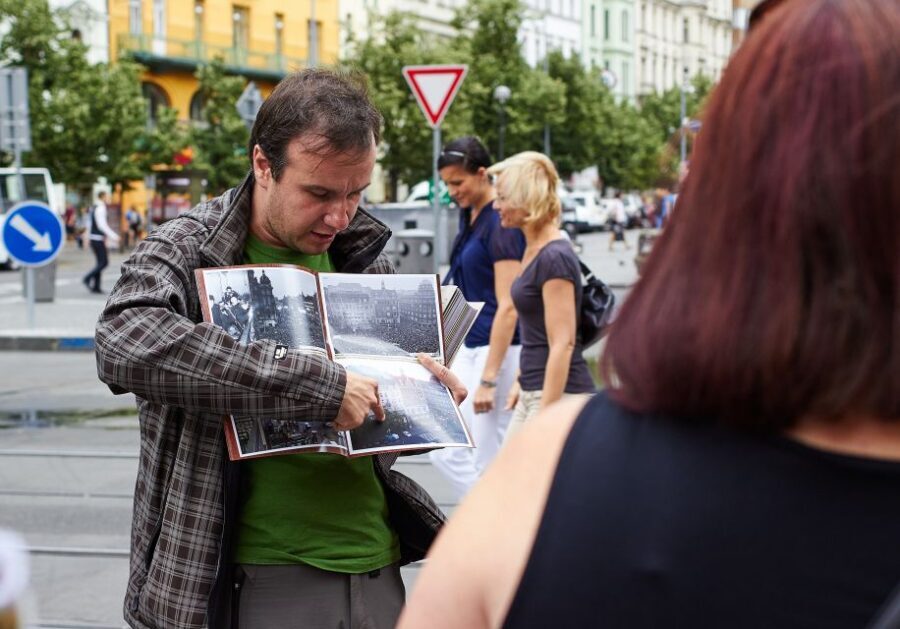
This tour starts with a guided walk that helps you connect the dots across decades of communist rule. You’ll cover well-known Prague spots, but the focus stays on what the system meant for ordinary people—surveillance, fear, and the way daily life could turn political overnight.
You get the best payoff when you treat the city as evidence. The big lesson here is that communism wasn’t only something in textbooks; it shaped behavior, relationships, and even what people dared to say in public. That mindset makes the bunker stop far more powerful once you’re actually underground.
The early part is also where you’ll get orientation. You’ll move through a handful of central landmarks in a tight time window, which means you won’t spend half the day wandering on your own.
You can also read our reviews of more guided tours in Prague
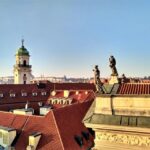
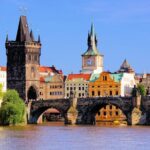
Velvet Revolution Memorial and Wenceslas Square: When Public Space Becomes Political
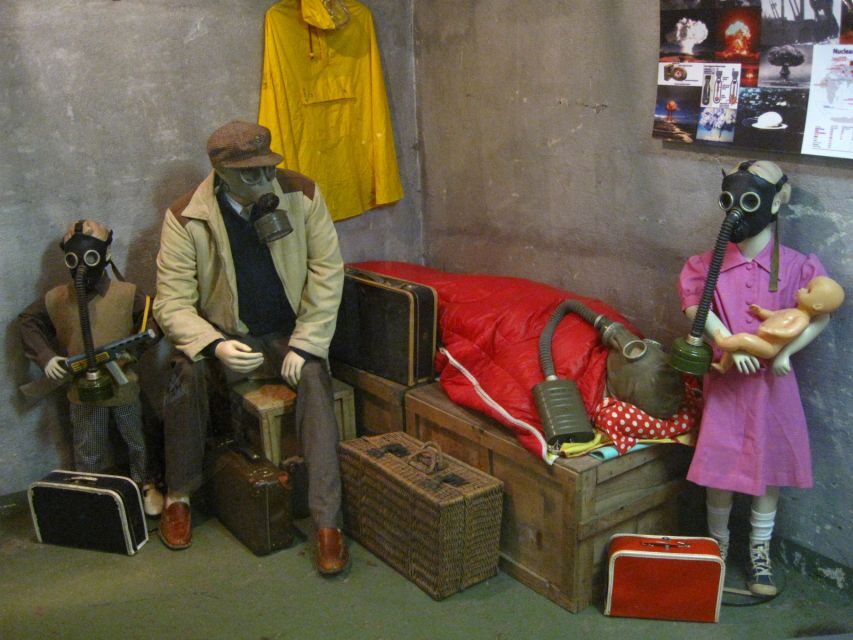
Your guide begins with a short introduction and then shifts into the “why” behind major turning points. The Velvet Revolution Memorial stop matters because it points to the human side of change: not just ideology, but collective pressure and risky decisions.
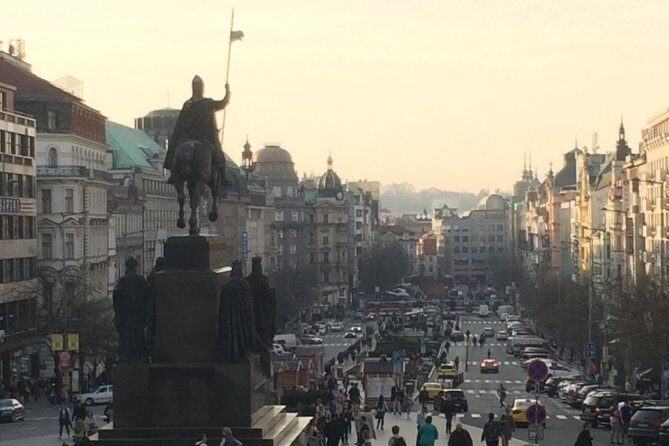
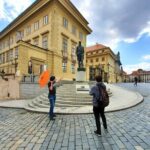
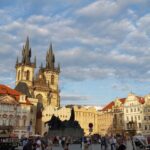
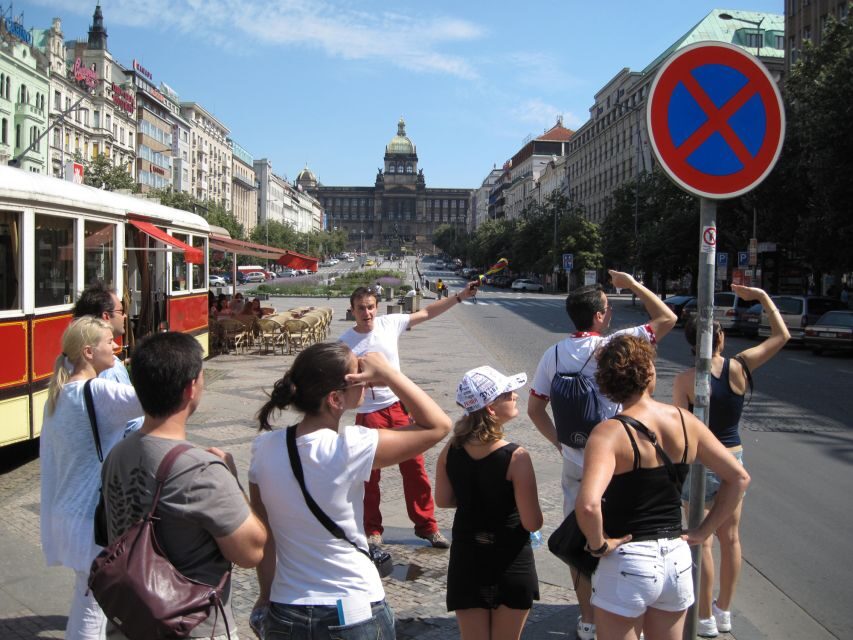
Then you reach Wenceslas Square, a place many people recognize—but fewer understand in the context of power and propaganda. During your walk, expect stories tied to the atmosphere of those decades, including the role of public monuments and intimidation.
A helpful way to think about these stops: they teach you how governments used visibility. In Prague, that can mean statues and official presence in the open, while the real coercion happened elsewhere.
The Stalin Statue and Secret Police Headquarters: Understanding Fear in Czech History
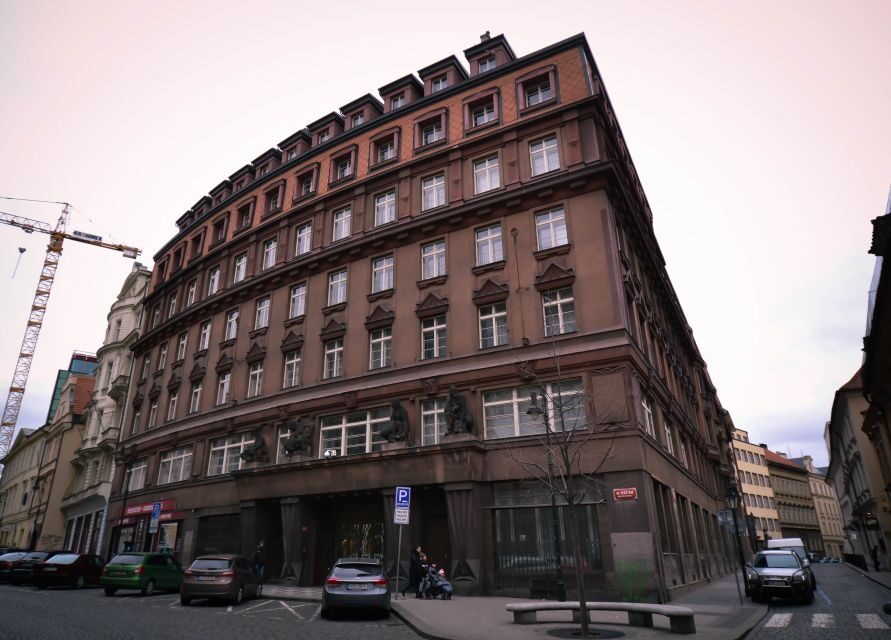
One of the most striking parts of this experience is how your guide connects iconic Cold War symbols to the mechanics of control. You’ll hear about the biggest statue of Stalin ever built and you’ll also get context around the former headquarters of the communist secret police.
Even if you’ve read some European history before, this framing usually changes how you see it. Instead of treating those topics as distant “big events,” you get a sense of how they affected day-to-day decisions: whom to trust, what to avoid, and how quickly rumors could become danger.
You’ll also hear the kinds of stories that rarely make it into casual sightseeing: tales involving spies, political prisoners, cold war refugees, dissidents, and people caught in the system. The point isn’t sensationalism; it’s understanding how paranoia spreads when a state can reach into your life.
The Tram Transfer to the Bunker: A Quick Shift From City to Reality
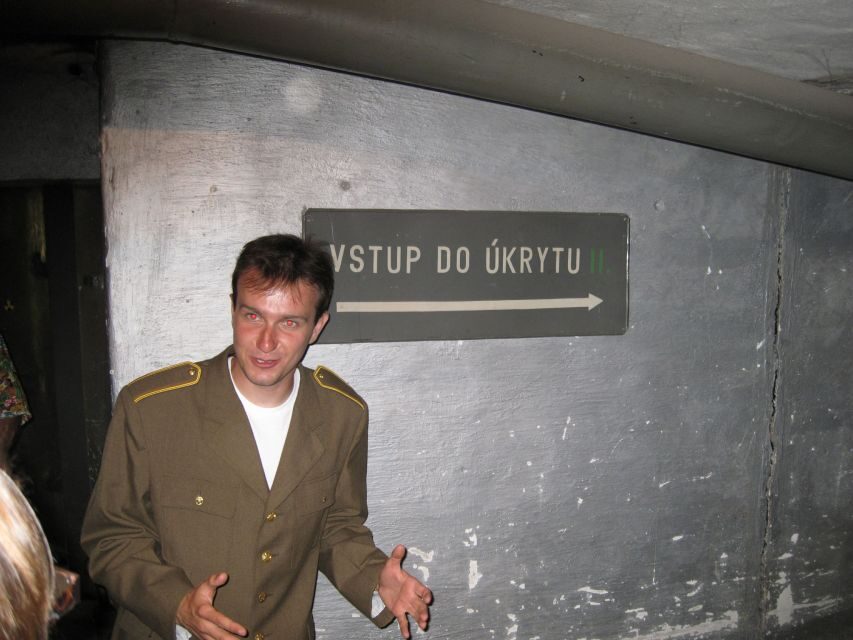
Between the city walk and the underground visit, you transfer by public transportation. The ride is short, but it’s a useful reset. You’re leaving the center and heading toward the setting where the threat was engineered, not discussed.
This is where the tour’s pacing helps. You get context above ground, then you’re physically moved to a place built for survival under nuclear fear—so you can feel how the Cold War wasn’t only speeches and slogans.
I’d treat the transfer as part of the experience, not dead time. Pay attention during the ride; guides often connect the new location to what you just learned about the communist mindset.
Entering the 1950s Nuclear Bunker: 50 Feet Underground and Designed for 5,000
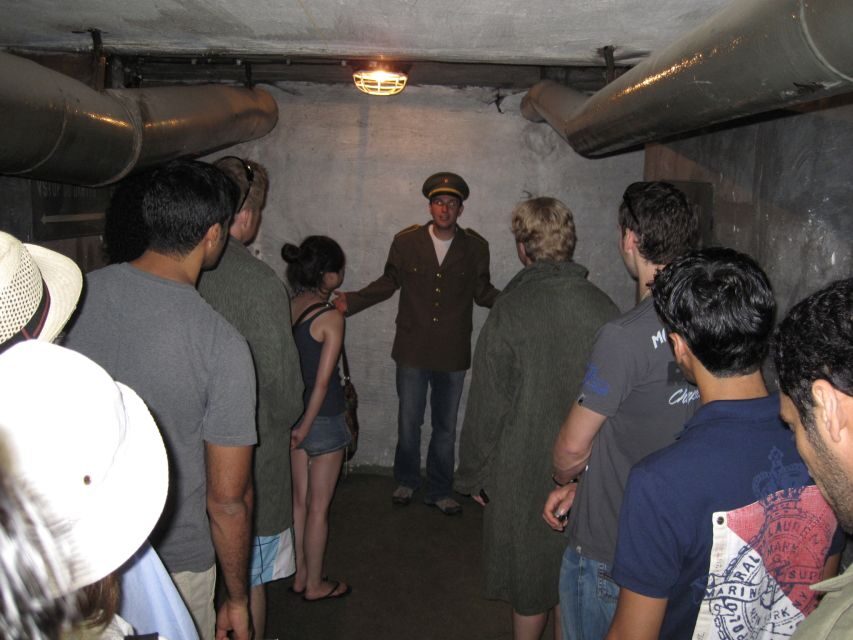
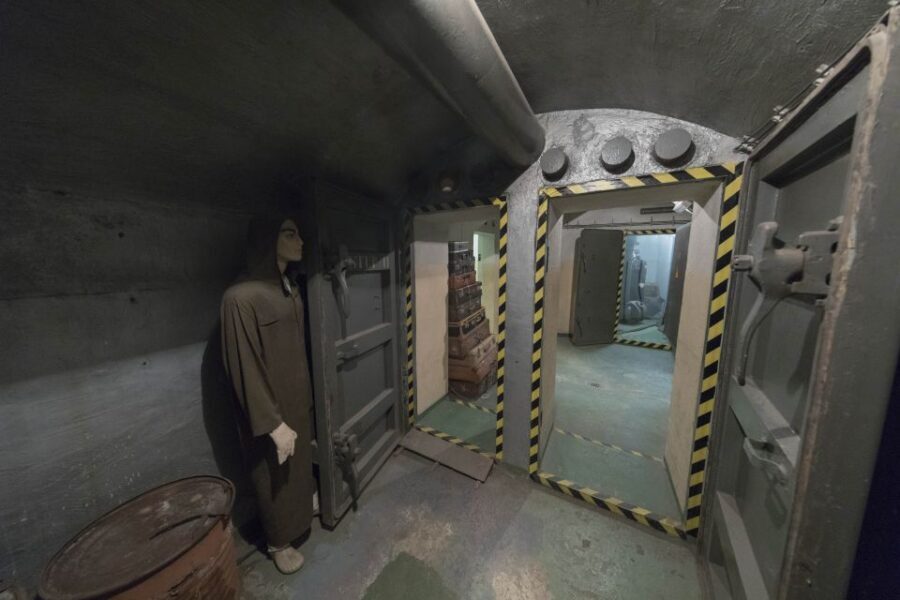
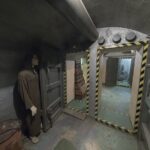
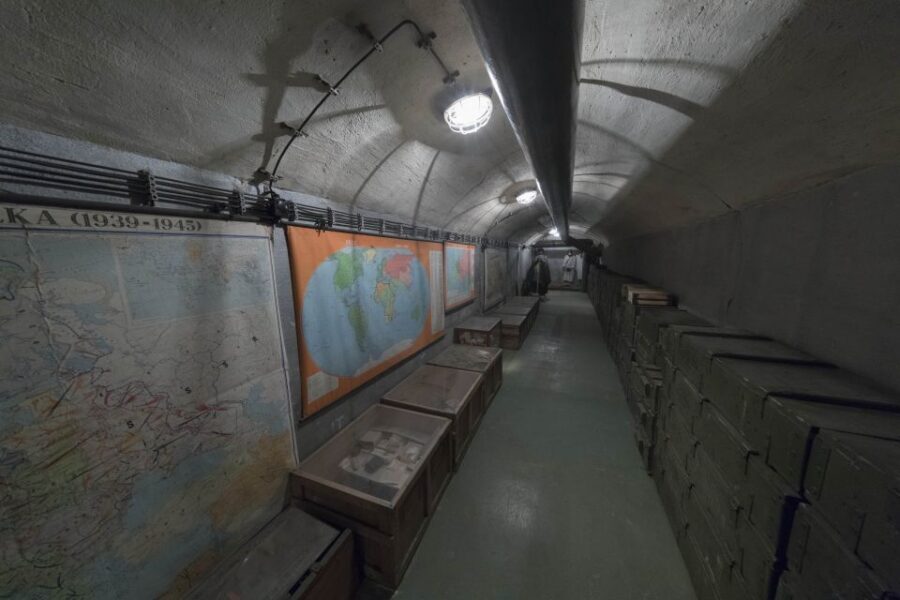
The bunker visit is the core reason to book. This is a real nuclear bunker from the 1950s, positioned about 50 feet underground and designed to shelter up to 5,000 people.
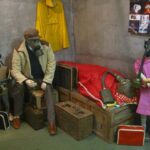
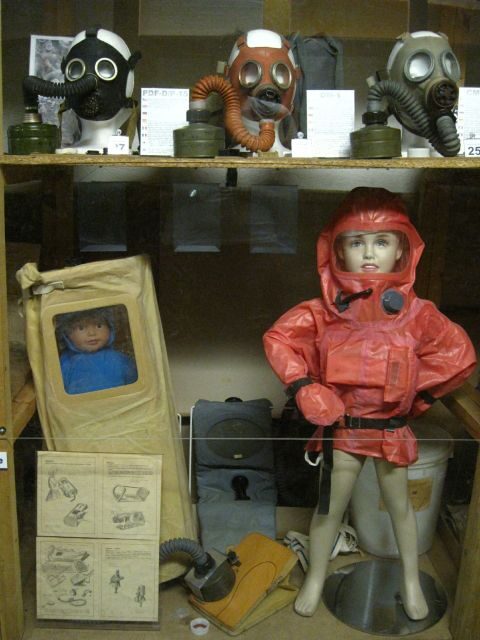
Walking into it changes your sense of scale fast. You’ll see cold war time expositions, genuine equipment, and the kind of prepared-for-worst-case layout that’s hard to imagine until you’re standing in the space. It’s not polished theme-park design; it’s a working slice of fear turned into a museum.
The experience also makes you think about what survival plans meant to the people living at the time. A system that could justify building something like this was also a system that could justify strict control, strict rules, and strict silence.
Important note: this stop involves underground conditions and controlled spaces. The tour is explicitly not suitable if you have claustrophobia or heart issues, and you should take that seriously.
You can also read our reviews of more historical tours in Prague

Cold War Museum Exhibitions and the Gas Mask Workshop
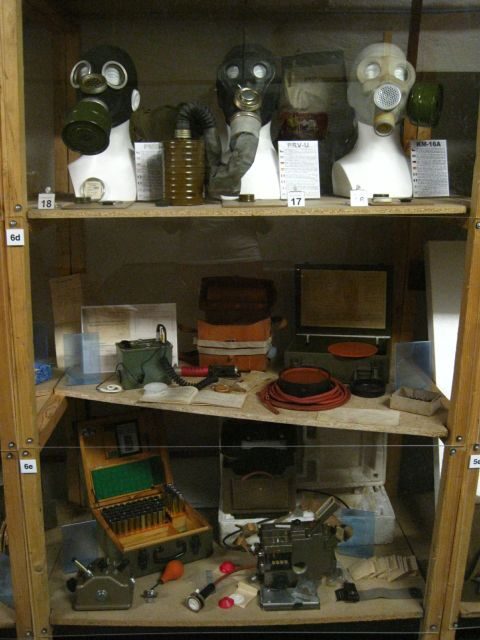
After the bunker portion, the tour continues with time in the nuclear bunker museum and exhibitions. This is where the story broadens from infrastructure to daily reality under Cold War tension—how people trained, how they prepared, and how constant threat became normal.
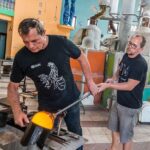
The gasmask workshop is the hands-on highlight. Even if you’re not a history nerd, you’ll understand the point quickly: the Cold War wasn’t only fear of impact; it was fear of exposure and a need to be ready on command. The workshop turns the idea into something you can physically grasp.
You’ll also see artifacts that help the bunker feel distinct from other Prague history sites. One practical tip: if you have respiratory allergies, bring a face mask. There can be dust inside, and a simple mask can make a noticeable difference to comfort.
Photo policy is generally permissive for photos, but video recording isn’t allowed unless you have extra permission. If photography matters to you, use your phone for still shots and ask your guide what’s best in the tighter areas.
Guides With Real Prague Stories: Stan, Ladislav, Pavel, and Maki
A big part of the tour’s strength is the way guides teach it. Many guides build the commentary around lived context and personal anecdotes, which is why the stories tend to land hard—even when the guide adds humor to keep the pace human.
You’ll meet guides such as Stan, Ladislav, Pavel, Katerina, Susanna, Paula, Parvel, and Maki (and others who sometimes use short forms like L). Across the board, the pattern is consistent: you get facts, but you also get the emotional weight of what those facts meant.
The best guides balance seriousness with clarity. That matters here. Communism and Cold War topics can easily turn into a lecture, but the guides on this tour often use humor and interaction to keep you attentive while still treating the subject with respect.
If you’re the type who learns best through story, this is your sweet spot.
Timing, Steps, and Comfort: How to Make the Day Feel Manageable
This tour runs about 150 minutes, with city walk segments plus a longer bunker portion. It’s not a sit-and-watch experience. You’ll be on your feet, and there are stairs involved, especially around the underground site.
Plan for it physically:
- Wear comfortable walking shoes; normal footwear is recommended.
- Assume you’ll be moving at a steady pace for most of the tour.
- Remember there are no toilets at the starting point.
It’s also not set up for mobility needs. The tour isn’t possible for wheelchair users or baby strollers, and it’s not suitable for people with any walking disability or mobility issue. If you’re deciding between this and another Prague history tour, be honest about your walking and stair tolerance.
Language matters too. You’re required to speak the chosen language of the tour (German or English), and you can’t translate during the experience. If your group language plan depends on last-minute translating, pick another option.
Price and Value: Why This Costs $44 (and What You Get For It)
At $44 per person, this tour can feel surprisingly good value because it bundles multiple big components into one day: a live guide, public transportation to and from the bunker, and entry to the nuclear bunker museum and exhibitions.
Many Prague tours charge a similar amount for just a walk, or for a museum ticket with minimal guidance. Here, you get both: a guided communism walk paired with an actual underground site and a gasmask workshop.
You also get skip-the-line entry through a separate entrance. That doesn’t sound glamorous, but it helps keep the day flowing—especially when you’re traveling with a group.
One caution: the bunker exhibits can feel a little tired in places, based on firsthand observations. That doesn’t erase the impact of a real bunker, but it’s worth knowing if you expect museum-level freshness everywhere.
Who This Tour Is For (and Who Should Skip It)
This is a strong fit if you want Prague history that connects politics to real human fear. If you’re curious about the Cold War beyond films and documentaries, you’ll likely appreciate the way your guide explains paranoia, spying, and daily constraints with specific stories.
It’s also ideal if you like tours that stay active. The tram transfer and the mix of above-ground landmarks with the underground bunker keep it from turning into a single museum room.
Skip it if any of these apply:
- You’re claustrophobic.
- You have heart issues.
- You have mobility limitations or rely on a wheelchair/stroller.
- You need frequent quiet breaks; this format isn’t built for that.
- You travel with very young children (it’s not for infants or the smallest children under school age).
If you’re unsure, treat the tour’s safety limitations as part of the design. The experience is intense because the setting is intense.
Should You Book This Prague Communism and Nuclear Bunker Tour?
I’d book this tour if you want one of the most authentic ways to understand Czechoslovakia’s communist and Cold War atmosphere—through real places and real explanations. The bunker alone is rare, and the gasmask workshop adds a practical layer that most history tours don’t offer.
Choose a different option if you’re sensitive to confined spaces or you know you can’t handle walking and stairs. Also, if you only want light sightseeing, this one is not that. It’s serious, and it aims to make you feel the logic of fear.
If that’s your kind of history, the combination of city context plus 50-feet-down bunker time—and guides like Stan, Ladislav, Pavel, Katerina, and Maki—makes it an excellent use of a half day in Prague.
FAQ
How long is the Prague Communism and Nuclear Bunker Guided Tour?
The tour lasts about 150 minutes, and the exact timing can vary by roughly 10 minutes depending on group size.
What language is the tour offered in?
The live guide offers the tour in German or English. You must be able to speak the chosen language of the tour.
What does the $44 price include?
The price includes a live guide, public transportation to and from the bunker, and entry to the nuclear bunker museum and exhibitions.
Do I get to visit the nuclear bunker itself or only a museum?
You visit the real 1950s nuclear bunker and also spend time at the nuclear bunker museum with cold war exhibitions.
Is there a gas mask activity?
Yes. The tour includes a special gasmask workshop.
What stops do we see in central Prague before the bunker?
The tour includes guided stops such as the Velvet Revolution Memorial, Wenceslas Square, and a walk through nearby central areas, then ends around Malé Náměstí.
How do I get to the bunker?
You use public transportation as part of the tour, including a transfer between central Prague and the bunker area.
Are there toilets during the tour?
There are no toilets at the starting point. The tour description does not list toilets elsewhere, so plan accordingly.
Is the tour wheelchair accessible?
No. It is not possible for wheelchair users or for people with mobility impairments, and it involves walking and stairs.
Is the tour suitable for claustrophobia or medical conditions?
No. It is not for people with claustrophobia or heart issues, and it is also not suitable for certain attention and safety-related needs as listed by the operator.