REVIEW · PRAGUE
Prague: Communists and World War II Tour
Book on GetYourGuide →Operated by Fun in Prague · Bookable on GetYourGuide
History hits hardest on these Prague streets. In just two hours, this tour connects the road to World War II with life under Communism. I love walking along streets tied to Nazi occupation and hearing how the Cold War shaped everyday Czech life. I also really like the stop that spotlights the 30-meter tall statue of Stalin, because it makes the ideology feel less abstract. One heads-up: the story is heavy on politics and tragedies, so if you want mostly scenery and light chat, this won’t be your vibe.
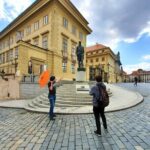
You start in the right spot by Charles Bridge at Křižovnické námesti, looking for your guide with an orange umbrella. The good news is the route is paced for walking, and the guide languages include English (plus German and Russian), so you can follow the turns without stress.
In This Review
- What You Really Get in 2 Hours
- Meeting by Charles Bridge: How to Find Your Guide Fast
- National Street and New Town: From Post-WWI Tension to WWII
- Wenceslas Square: WWII Occupation, Gestapo Control, and the Price of Power
- Republic Square and the Birth of Czechoslovakia Storyline
- The 30-Meter Stalin Statue: When Communism Becomes a Visible Monument
- Jan Palach, Burned Books, Heydrich, and the Road to the Velvet Revolution
- Museum of Communism Coupon: Worth Adding for Deeper Context
- Price and Value: $29 for a 2-Hour Century-Sized Story
- Tour Pace, Group Feel, and the Best Way to Enjoy It
- Who This Tour Suits Most
- Should You Book This Prague Communists and World War II Tour?
- FAQ
- Where does the tour start?
- How long is the Prague Communists and World War II tour?
- Is there a museum connection?
- What languages are available?
- What is the closest public transport stop?
- What should I bring?
- Is there anything I’m not allowed to bring?
- Can I cancel and get a refund?
What You Really Get in 2 Hours
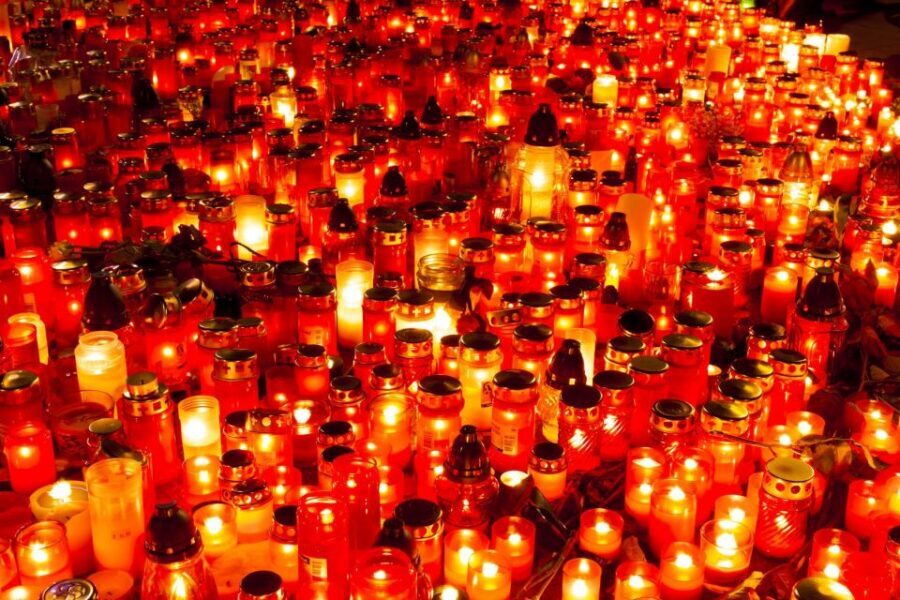
This is a tight, focused Prague history tour that runs through some of the darkest chapters of the 20th century. You’re not just collecting dates. You’re getting the chain of causes and consequences, from World War I to the lead-in to World War II, and then to Communist rule, the Iron Curtain, and the revolutions that eventually broke it.
You’ll move through major Prague spaces—National Street, New Town streets, Wenceslas Square, and Republic Square—while your guide links each place to a political shift. The result feels like putting a map over a timeline. And if you like asking questions, this format works well, because the tour stays conversational and back-and-forth.
Meeting by Charles Bridge: How to Find Your Guide Fast
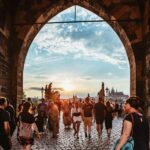
The meeting point is in front of the Charles Bridge at Křižovnické náměstí, next to the Statue Charles IV. The guide holds an orange umbrella, which sounds simple until you realize Prague can be crowded with orange umbrellas doing their own thing. If you’re arriving early, position yourself so you can spot the umbrella first, then confirm the tour name with your guide.
For transit, the closest stop is Staroměstská by tram/subway. Wear comfortable shoes; you’ll be walking through central Prague streets where the surface can be uneven in spots.
You can also read our reviews of more tours and experiences in Prague.
National Street and New Town: From Post-WWI Tension to WWII
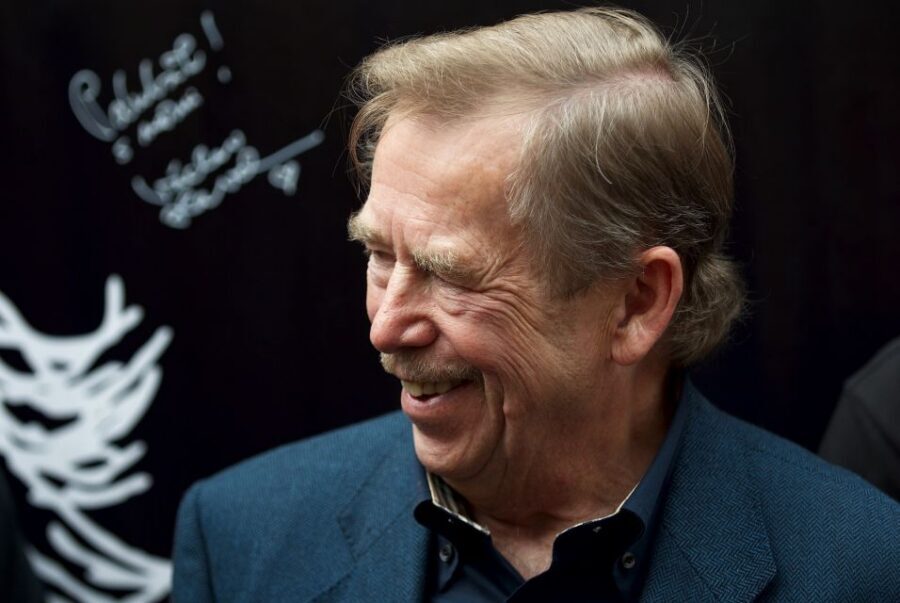
The tour starts by setting context—how the breakup and rebuilding after World War I created fault lines that helped make World War II possible. This matters because it turns Prague from a backdrop into a witness. You’re listening to how political changes, alliances, and nationalism played out across the region, and why Czechoslovakia’s creation and early years were part of a much bigger European story.
As you head through the areas around Národní and into the New Town, the guide’s job is to keep the history grounded in what you can actually see. You’ll hear about the lead-up to WWII while walking on streets that the Nazis once used for control. This isn’t meant to be spooky for the sake of it—it’s a practical way to understand how power leaves marks on a city.
Wenceslas Square: WWII Occupation, Gestapo Control, and the Price of Power
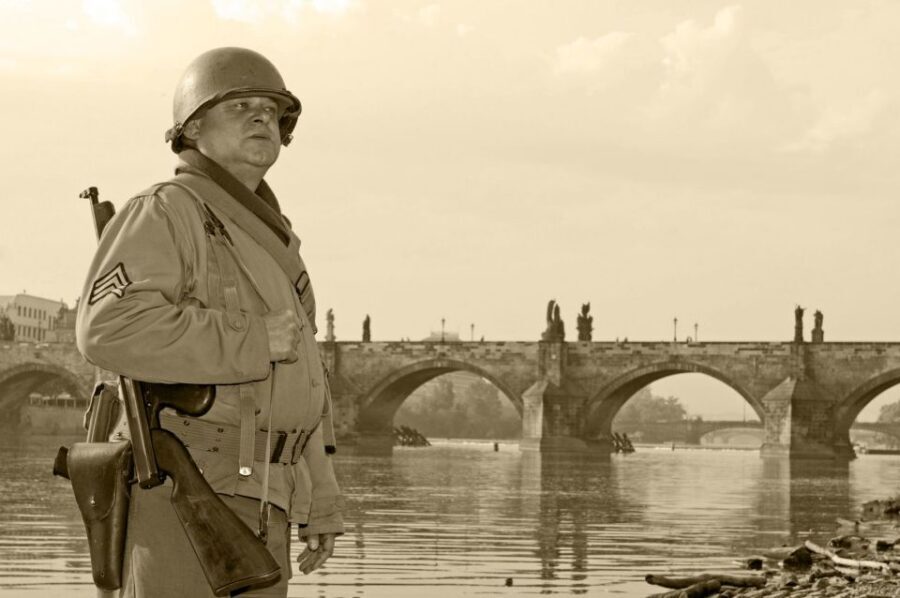
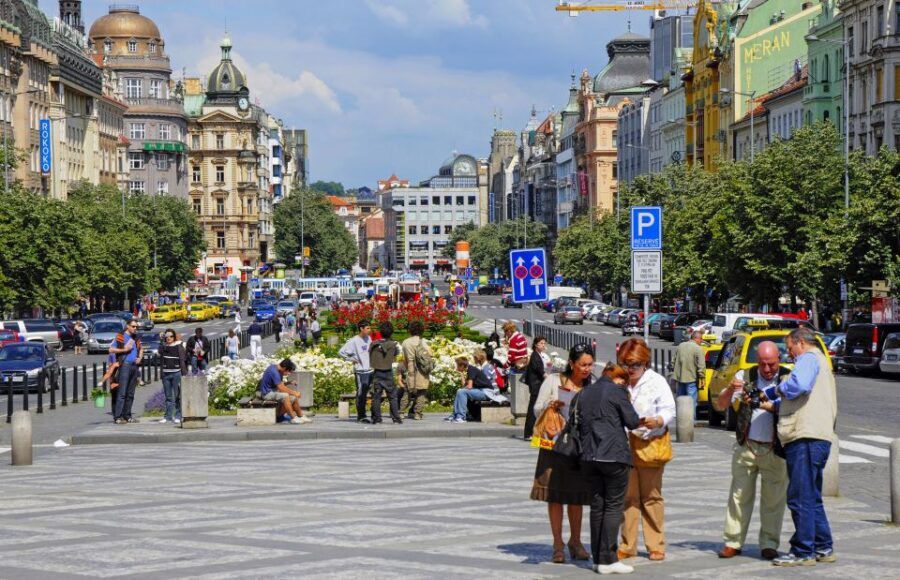
Wenceslas Square is one of Prague’s main stages, and this tour treats it that way. The square becomes a lens for understanding how the Nazi occupation shaped daily life and political reality. You’ll hear about the way German control functioned and how terror and surveillance were enforced through institutions tied to the occupation.
A big value here is how the guide connects the dots between ideology and infrastructure—how systems of control require physical presence, public intimidation, and propaganda. This is also where the tour tends to feel most intense, because you’re not reading about violence; you’re standing in a place where public life has been redirected by it.
Republic Square and the Birth of Czechoslovakia Storyline
The walk continues toward Republic Square, another major Prague hub where political history feels built-in. Here, the guide shifts from occupation and repression toward the dramatic story of how Czechoslovakia came about. This part is especially useful if you’re not already clear on the country’s modern formation. You’ll get the ups and downs of 20th-century political life, including the turning points that changed borders and governance.
I like this section because it’s not just a lecture about rulers. It’s about outcomes—why decisions led to particular realities for ordinary people, and why those realities kept colliding with outside power.
The 30-Meter Stalin Statue: When Communism Becomes a Visible Monument
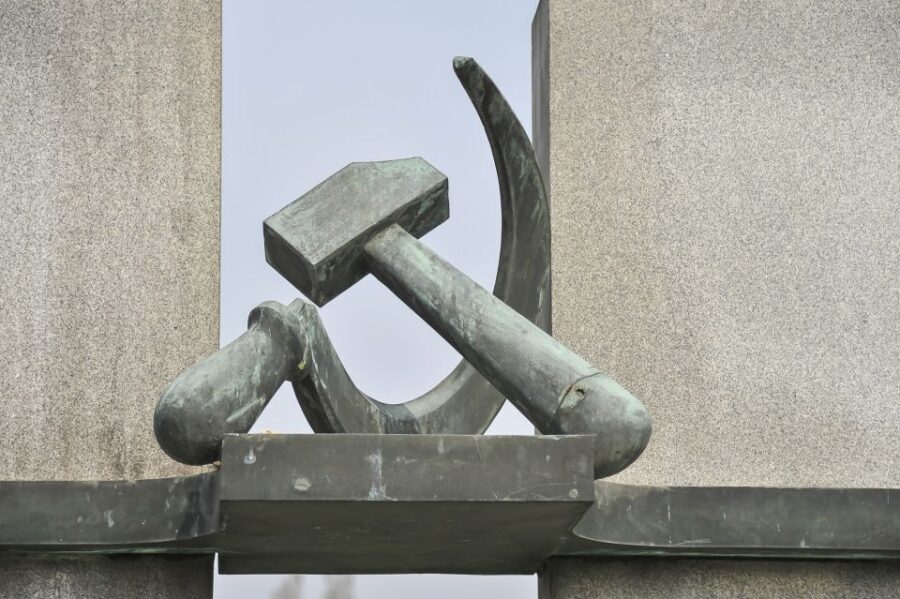
One of the tour’s signature moments is seeing the 30-meter tall statue of Stalin. That alone is worth putting on a Prague history itinerary, because it forces the ideology into physical scale. It’s hard to treat propaganda as “just words” when you’re facing something built to dominate a skyline.
The guide also explains life under Communism after WWII, which is where the tour earns its keep. You’ll hear about the Russian occupation period and the way censorship and control worked through culture and education, including black-listed books that were burned. This isn’t presented like a trivia list. It’s framed as how power tries to control what people are allowed to think.
Jan Palach, Burned Books, Heydrich, and the Road to the Velvet Revolution
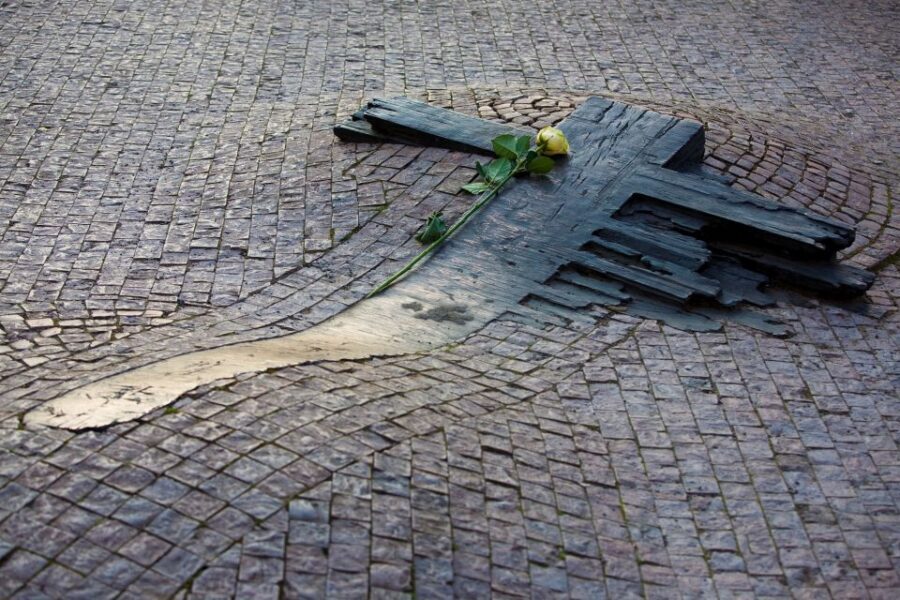
This tour doesn’t shy away from the stories that changed Czech history. You’ll hear why the student Jan Palach set himself on fire, and what that act meant in the fight against repression. You’ll also learn about the role of censorship, including book-burning episodes linked to how Communist authorities tried to manage dissent.
The guide may also cover key figures tied to repression and resistance—names like Reinhardt Heydrich, often referred to in connection with brutal occupation and terror, and Milada Horáková, recognized for her stand against Communism. If those names mean nothing to you right now, that’s fine. The tour’s strength is taking you from unfamiliar to oriented, so later you can read about these events without feeling lost.
Then the story moves forward to the Velvet Revolution, showing how the Cold War era ended through public pressure and political change rather than a clean, quiet transition.
Museum of Communism Coupon: Worth Adding for Deeper Context
You get a 10% discount coupon for the Museum of Communism, and if you choose the option, entry is included as well. Even if you don’t add it, the coupon is a nice safety net. After a walking tour like this, you usually want one more layer: photos, artifacts, and the kind of concrete detail that makes the stories stick.
If you do go to the museum, plan it soon after the walk while the timeline is still fresh in your head. The museum can help you turn the tour’s themes—censorship, propaganda, everyday controls—into something you can point to.
Price and Value: $29 for a 2-Hour Century-Sized Story
At $29 per person for a 2-hour walking tour, the value comes from density and focus. You’re paying for a local guide who connects multiple eras—WWI’s fallout, WWII’s occupation, post-war Communist rule, the Iron Curtain, and then the breakthroughs toward the Velvet Revolution.
This works especially well if you’re spending only a limited time in Prague. Instead of bouncing between scattered sites with no thread, you get one guided storyline tying key city locations to major political events. And since the tour is in central Prague, you’re not wasting your energy on long transfers.
The only trade-off is emotional weight. You’ll walk away with perspective, but it’s not a casual stroll. If you’re traveling with people who only want upbeat history, you’ll need to set expectations up front.
Tour Pace, Group Feel, and the Best Way to Enjoy It
This is a walking tour, so your comfort matters. Bring comfortable shoes, keep water in mind for the warmer months, and avoid late snacks right before the start so you can stay attentive.
About group size: the tour can be small at times, which makes Q&A easier. You’ll also get the guide language options: German, Russian, and English. If you’re an active question-asker, this style of tour is a good match, because the guide has room to answer instead of rushing to cover points at the expense of understanding.
One practical annoyance: orange umbrellas can be hard to distinguish when there are several. If you’re picky about exact meeting points (I get it), arrive a few minutes early and confirm you’ve got the right guide before you start walking.
Who This Tour Suits Most
This works best for you if you want:
- A guided way to understand how WWII and Communism shaped modern Czech identity
- A politically focused Prague experience tied directly to specific locations
- A route that helps you make sense of the 20th century without needing a textbook
It might not fit if you’re mainly looking for architecture, rivers, and casual photo stops. Prague has plenty of that. This tour aims for meaning, not postcard perfection.
Should You Book This Prague Communists and World War II Tour?
I’d book it if you want a shortcut to understanding Prague’s modern story. The combination of WWII lead-up, Nazi occupation context, Communism under the Iron Curtain, and the Velvet Revolution thread makes the city feel more human and more understandable. And the standout visual—the 30-meter Stalin statue—keeps the narrative from staying purely theoretical.
Skip it if you’re avoiding heavy topics or you prefer a lighter, purely sightseeing pace. Otherwise, this is one of the more worthwhile ways to connect central Prague landmarks with the turning points that still echo in Czech life.
FAQ
Where does the tour start?
It starts at Křižovnické námesti, in front of Charles Bridge, next to the Statue Charles IV. The guide will hold an orange umbrella.
How long is the Prague Communists and World War II tour?
The tour lasts 2 hours.
Is there a museum connection?
You receive a 10% discount coupon for the Museum of Communism. An entry ticket for the Museum of Communism is included if you select that option.
What languages are available?
The live guide offers tours in German, Russian, and English.
What is the closest public transport stop?
The closest tram or subway station is Staroměstská.
What should I bring?
Bring comfortable shoes since it’s a walking tour.
Is there anything I’m not allowed to bring?
Alcohol and drugs are not allowed.
Can I cancel and get a refund?
Yes. You can cancel up to 24 hours in advance for a full refund.