REVIEW · PRAGUE
Prague: House at the Golden Ring Entry Ticket
Book on GetYourGuide →Operated by Muzeum Prahy · Bookable on GetYourGuide
Prague’s past turns 3D here. The House at the Golden Ring ticket gives you hands-on city models plus a multimedia view of Prague under Rudolf II, all focused on how the city looked and ran centuries ago. I especially like the mix of tangible displays (actual architectural models) and tech (video mapping, interactive visuals) that helps the story stick fast.
One thing to plan for: most audio/dialogue is in English, and that can be a deal-breaker if you were hoping for French support.
In This Review
- Key highlights you should care about
- House at the Golden Ring: Prague’s 14th- and 16th-century city models in one ticket
- Ticket value at about $8: why this feels like a bargain
- Medieval Town exhibit: Charles IV’s Prague, from urban agglomeration to St Vitus
- Charles Square, stone bridges, and those dramatic stops for Charles’s life
- Multimedia View of Prague under Rudolf II: the 9-metre animation and Sadeler Prospect
- From Prehistory to the Tailcoat: an interactive digital costume exhibition
- Your visit flow: how to plan time and keep it from feeling like homework
- Should you expect a quiet, old-school museum experience?
- Who this is best for (and who may want to skip)
- Should you book the House at the Golden Ring entry ticket?
- FAQ
- How long is the House at the Golden Ring entry ticket experience?
- How much does the ticket cost?
- What language is available for the experience?
- Is this ticket limited to one exhibition or multiple?
- Do I need to be a history expert to enjoy it?
- What does the Medieval Town exhibition show?
- What is included in the Rudolf II multimedia part?
- Is there an interactive part in the museum?
- Are the displays in English?
- Can I cancel if plans change?
Key highlights you should care about
- Charles IV’s Prague, built in models: you’ll see how the urban landscape and landmarks changed under the House of Luxembourg
- Vyšehrad, Prague Castle, and St Vitus Cathedral featured: religious and state roles show up in the way the exhibits are staged
- Virtual admin and bridge building: presentations cover how town systems worked and how the medieval bridge took shape
- Charles’s life events staged as “dramatic stops”: birth, arrival in 1333, coronation, and burial are woven into the timeline
- Rudolf II era hits hard with a 9-metre animation: plus the Sadeler Prospect image of Prague “swarming with people”
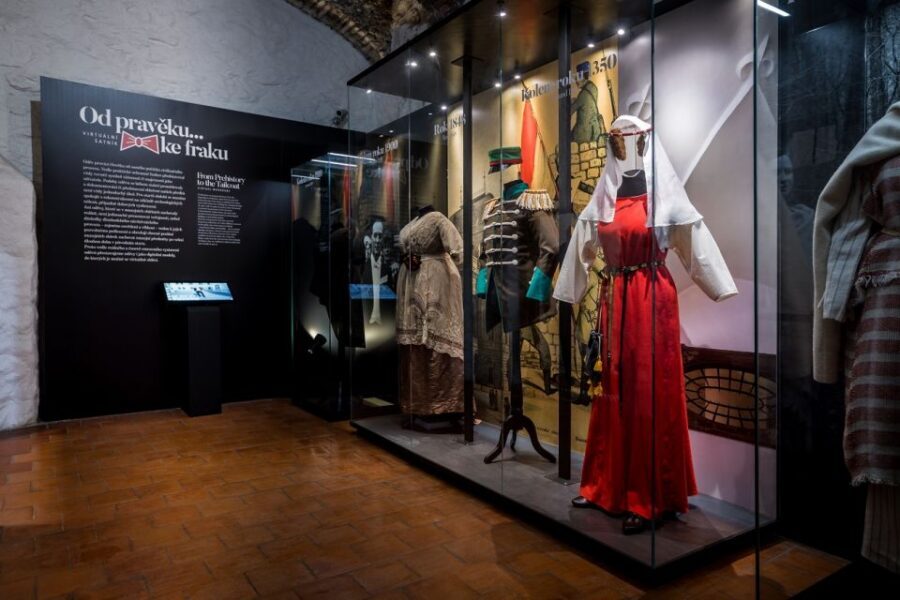
- From Prehistory to the Tailcoat: an interactive digital costume exhibition that adds a human, day-to-day angle
House at the Golden Ring: Prague’s 14th- and 16th-century city models in one ticket
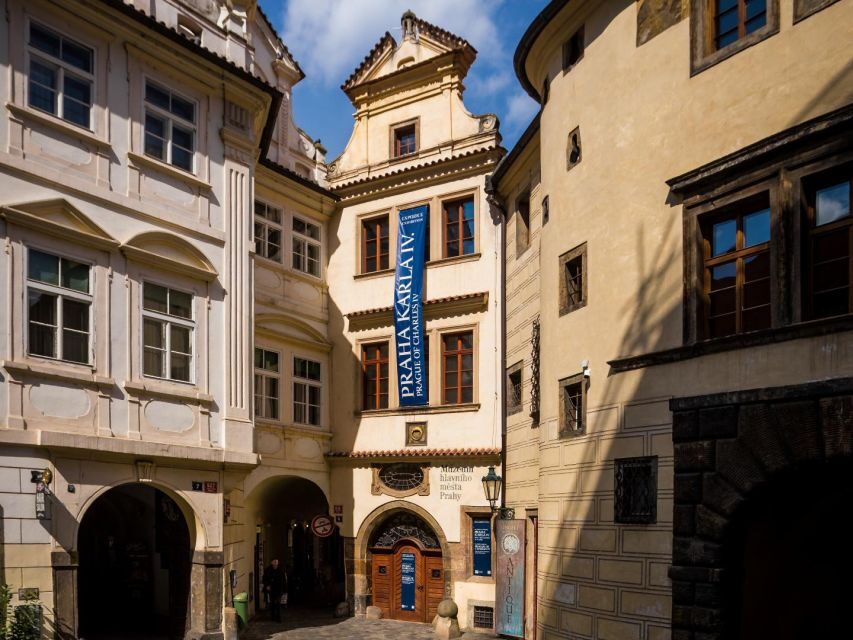
The House at the Golden Ring entry ticket is a smart way to see Prague beyond postcards. This museum focuses on two big time slices: the Prague shaped by Charles IV (House of Luxembourg) and the Prague atmosphere under Rudolf II. Instead of asking you to read your way through centuries, it shows you the city as a machine: buildings, space, ceremonies, daily life, and the people moving through it.
What makes it click for first-timers is the structure. One part gives you real, physical context (models and artifacts). Another part turns that context into motion and atmosphere (multimedia, animations, video mapping). That combo is great if you want a clean mental map of medieval Prague fast.
A few more Prague tours and experiences worth a look


Ticket value at about $8: why this feels like a bargain
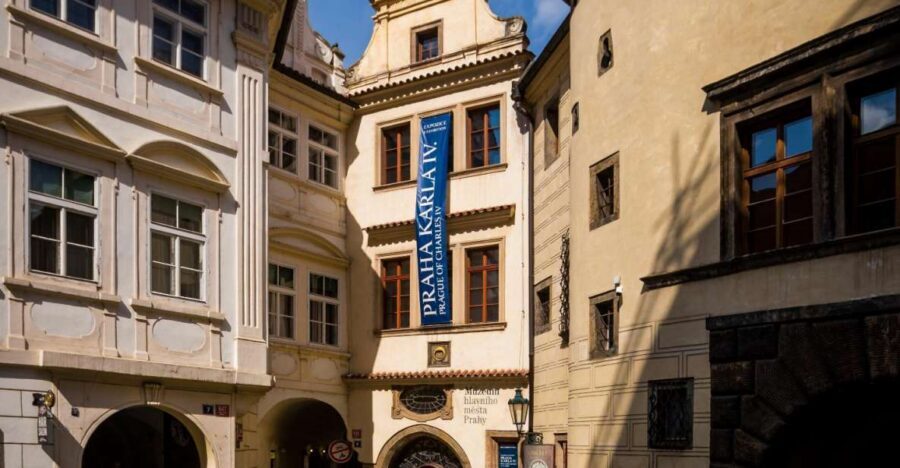
At about $8 per person, you’re paying for an all-in museum experience that can easily stretch to a couple of hours. That price-to-time ratio is the big win. If you’ve spent the day sightseeing outdoors and your brain needs a structured reset, this works well because it’s packed with visual interpretation rather than long text.
It’s also the kind of ticket that benefits you even if you only catch part of it. Some exhibits are designed like “explainers” you can absorb quickly, while the animation sequences give you that wow-factor payoff. You’re not locked into one slow room.
That said, it’s not a classic art museum with a few masterpieces you can skim in 15 minutes. If you only want minimal screens and strict chronology, you might feel the pace is heavier than you expected.
Medieval Town exhibit: Charles IV’s Prague, from urban agglomeration to St Vitus
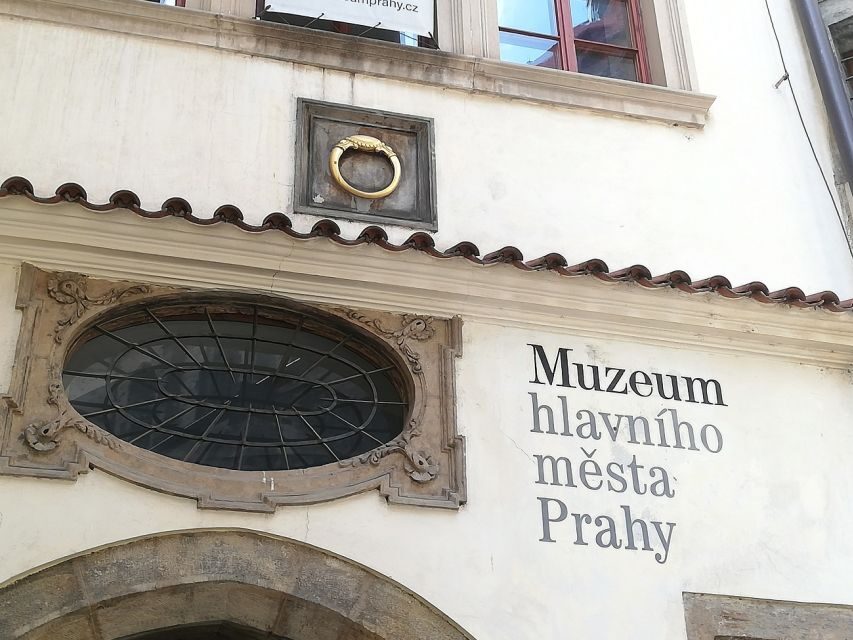
The heart of the experience is the Medieval Town section, which centers on what Prague looked like and how it functioned during Charles IV’s reign. The museum uses virtual and tangible models of buildings connected to Charles IV’s projects. Instead of showing one landmark at a time, it aims to show the whole urban idea: how districts relate, how the metropolis grew, and how key sites fit into state and religious power.
You’ll see model presentations covering major anchors like Vyšehrad, Prague Castle, and St Vitus Cathedral. These aren’t treated as isolated “pretty buildings.” The exhibits frame them as sites used for religious and state purposes, which helps you understand why rulers invested in them.
Two practical things I’d highlight for your visit:
- The “space” story matters. The museum doesn’t only tell you what Charles IV did; it shows how the skyline, links, and built areas shift the sense of a city.
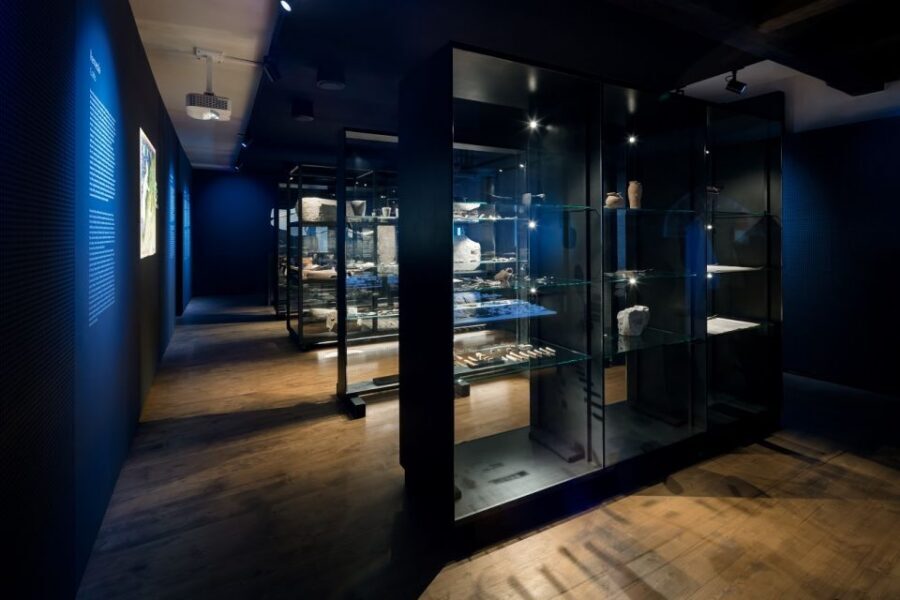
- The displays cover more than monuments. You get a look at everyday life through archaeological findings and original objects drawn from major Czech institutions.
The museum also includes presentations that show systems of town administration and the mechanics of medieval bridge construction. That’s an extra layer that’s especially useful if you’re the type who likes to understand how cities actually worked, not just what they looked like.
Charles Square, stone bridges, and those dramatic stops for Charles’s life
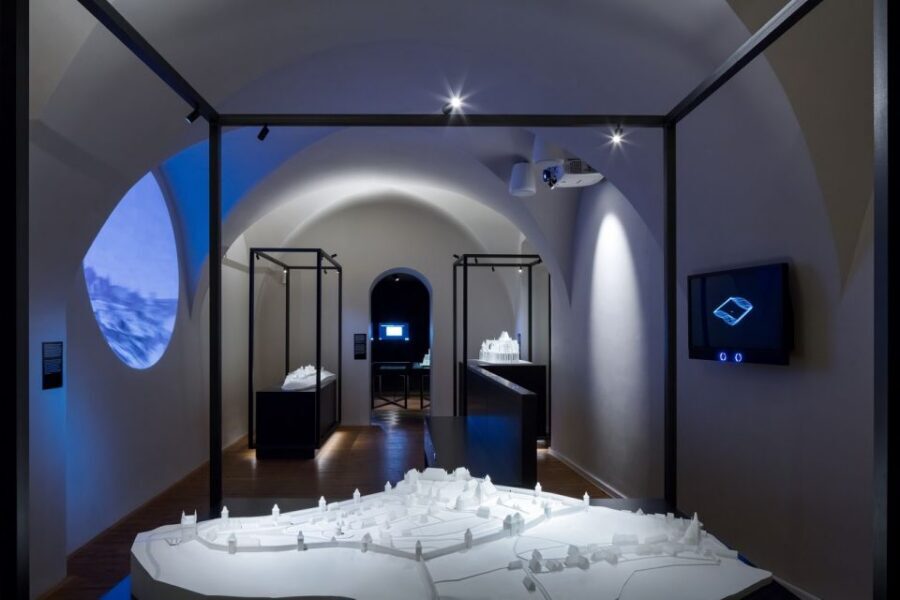
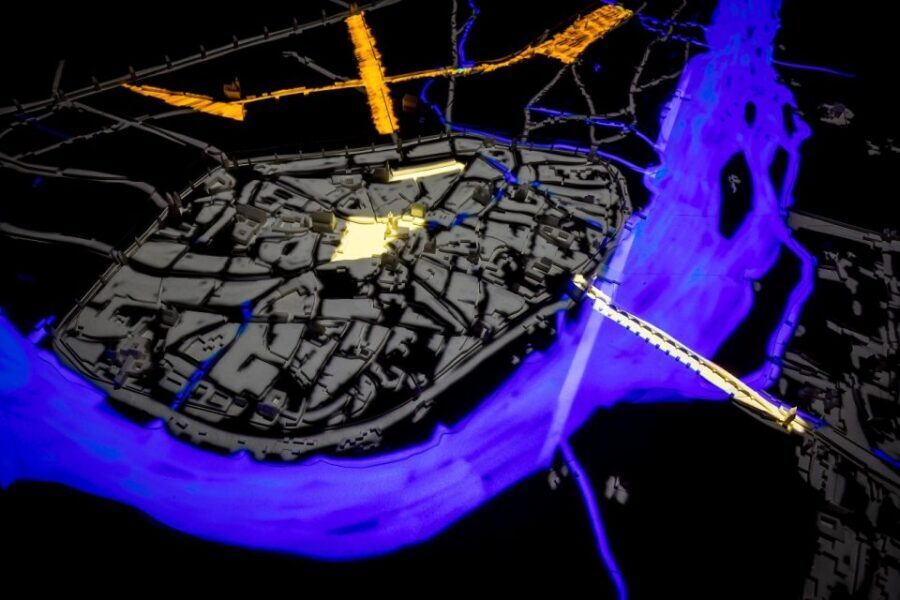
The multimedia portion sharpens the timeline with built-in narrative moments. The museum uses video mapping and presentations of Prague’s model—especially around Charles Square and its vicinity—to present 14th-century urban development.
Then the experience shifts into “you are there” mode with dramatic stop points linked to major events:
- Charles’s birth
- his arrival to Prague in 1333
- his coronation
- his burial
It’s a clever way to keep the story from becoming abstract. Instead of memorizing dates, you’re tracking a ruler’s life against the city’s transformation.
You’ll also see coverage of the stone bridge and other structures that help show how the metropolis changed under Charles IV and other House of Luxembourg rulers. For me, this is where the museum earns its ticket price: it connects architecture to real historical momentum.
Multimedia View of Prague under Rudolf II: the 9-metre animation and Sadeler Prospect
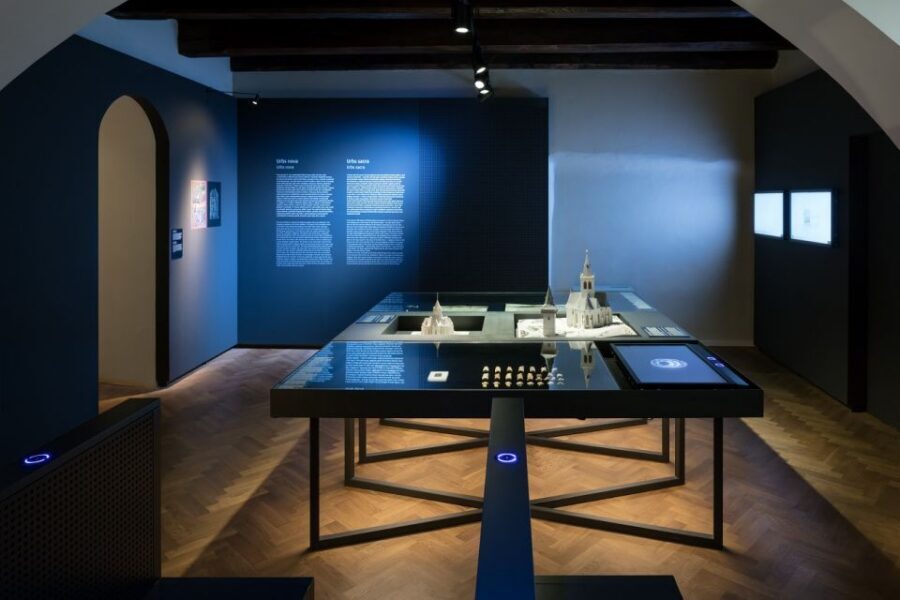
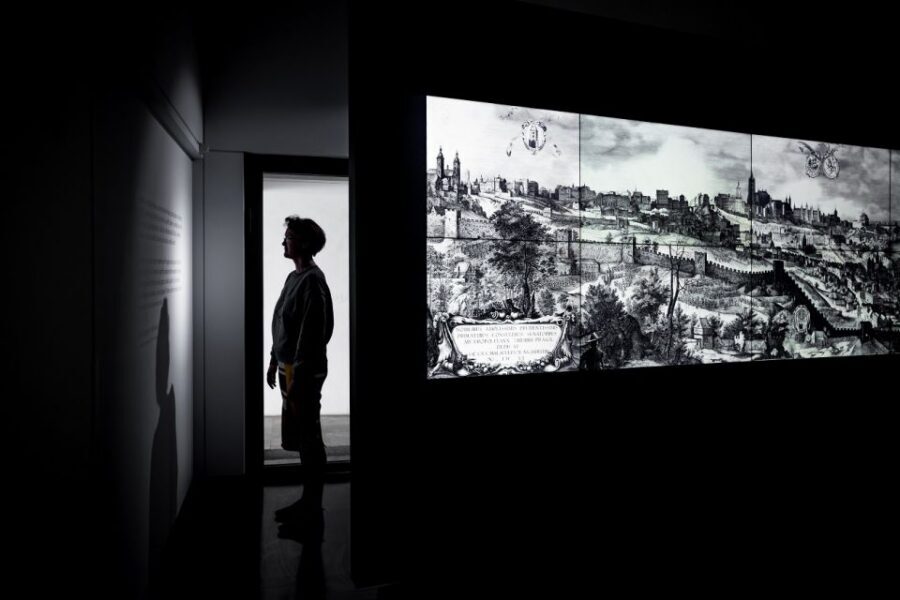
If Charles IV is the “how the city formed” section, Rudolf II is the “what it felt like” section. The Multimedia View of Prague During the Rule of Rudolf II includes a nine-metre animation presenting life in Prague during the Rudolfine era.
The museum doesn’t just show empty streets. It gives you an image of a city with motion and emotion, with an outcome called the Sadeler Prospect. The idea is an image of Prague swarming with people, capturing joys and worries in the way the city is portrayed.
This section is the most likely to impress even if you’re not a diehard history person. Animations like this work because they compress big historical atmosphere into a short, graspable experience. You leave with a stronger feeling for the period than you would from reading about it later.




From Prehistory to the Tailcoat: an interactive digital costume exhibition
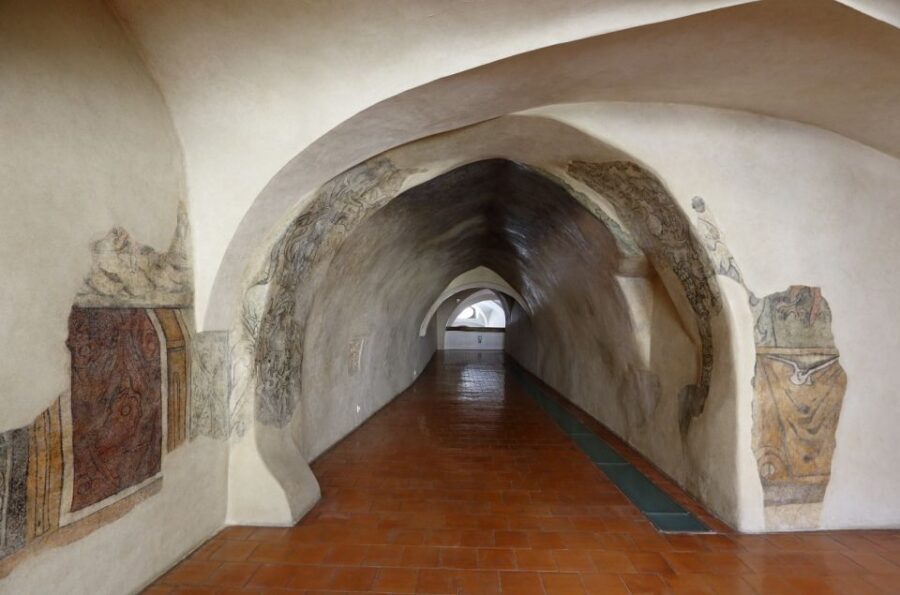
One of the smartest design choices here is that the museum won’t let everything stay “political and architectural.” The included digital exhibition—From Prehistory to the Tailcoat—focuses on clothing and costumes through an interactive format.
This is where you get a more human scale. Costumes are a fast way to imagine class, identity, and daily life. Even if you only spend part of your time here, it changes the whole balance of the visit. You start thinking about what people wore, not only what rulers built.
If you like hands-on exhibits—especially ones that let you click through visuals rather than stand still reading panels—this digital costume show is likely to be one of your favorites.
Your visit flow: how to plan time and keep it from feeling like homework
This museum is built for absorbing information through multiple modes: artifacts, models, videos, mapping, and interactive displays. That can feel wonderful, but it also means the visit can sneak up on you.
A realistic plan is about 1.5 to 2 hours if you want a full pass without rushing. If you’re especially drawn to the Charles IV and Rudolf II framing, you might stretch longer, but it’s not necessary to do everything to get value.
My practical suggestion: start with the Medieval Town context, then go into the multimedia animation sequences for payoff. Doing it that way keeps the Rudolf II atmosphere from feeling like a separate world. The museum’s whole goal is to show Prague as something that changes with power—and the exhibits connect those dots for you.
Also, if you’re sensitive to screen-heavy experiences, pace yourself. Take breaks after the big animation moments. That keeps the story enjoyable rather than draining.
Should you expect a quiet, old-school museum experience?
It’s not a traditional museum with calm rows of text. The strong point is interpretation through media. You’ll see exhibits mixing:
- video and animation
- video mapping tied to city models
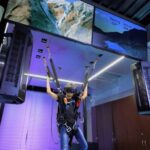
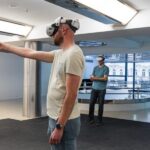
- interactive digital components
- physical models and original items
That makes it feel modern and a bit playful. It’s also why some people find it “insanely cheap” for the amount you get, and why other people feel it’s “a bit dull” if they want a lighter touch with screens.
If you’re very history-driven, especially into how cities evolve under specific rulers, you’ll likely feel rewarded. If you’re in Prague for a quick cultural hit and you prefer classic museum formats, you might want to treat this as one stop rather than your only museum.
Who this is best for (and who may want to skip)
This ticket is a great match if you:
- want a fast mental map of medieval Prague through Charles IV’s urban development
- like multimedia that explains rather than just decorates
- enjoy models and reconstructions, not only paintings or artifacts behind glass
- appreciate costume and everyday-life angles via an interactive digital exhibit
It’s less ideal if:
- you need French dialogue or a language other than English in the guided/interactive components
- you dislike screen-based storytelling and prefer almost entirely physical displays
- you only have time for very short museum visits and want minimal “setup time”
Should you book the House at the Golden Ring entry ticket?
Yes, if you want value and a structured look at Prague’s past that uses actual reconstructions. For around $8, you’re getting multiple exhibitions, physical models, and big multimedia moments including the nine-metre Rudolf II animation.
Book it if your ideal museum day includes a mix of architecture, rule-by-rule history, and a human touch (costumes). If you know you’re picky about language (English-only dialogue) or you strongly dislike interactive tech, you may be happier choosing a different museum format.
FAQ
How long is the House at the Golden Ring entry ticket experience?
It’s listed as valid for 1 day, with you planning to check availability for starting times.
How much does the ticket cost?
The price is listed as about $8 per person.
What language is available for the experience?
English is listed as the language, including the instructor language.
Is this ticket limited to one exhibition or multiple?
It includes the Medieval Town exhibition, the Multimedia View of Prague During the Rule of Rudolf II exhibition, and From Prehistory to the Tailcoat.
Do I need to be a history expert to enjoy it?
No. It uses models, videos, and interactive elements focused on major events and eras, which can work even if you’re not deeply focused on history.
What does the Medieval Town exhibition show?
It shows Prague as it developed under Charles IV, including virtual and tangible models of important buildings and areas, plus presentations about town administration and medieval bridge construction.
What is included in the Rudolf II multimedia part?
You get the Multimedia View of Prague During the Rule of Rudolf II exhibition, including a nine-metre animation and the Sadeler Prospect image concept.
Is there an interactive part in the museum?
Yes. The ticket includes an interactive digital costume exhibition called From Prehistory to the Tailcoat.
Are the displays in English?
The available language is English, and dialogues are indicated as English.
Can I cancel if plans change?
Free cancellation is listed as available up to 24 hours in advance for a full refund.