REVIEW · PRAGUE
Prague: Psychiatric Hospital and Abandoned Cemetery Tour
Book on GetYourGuide →Operated by McGee's Ghost Tours · Bookable on GetYourGuide
Prague has a talent for turning history into something you can walk through. This Bohnice Psychiatric Hospital tour pairs a still-working clinic with a tense walk past an abandoned cemetery, so you’re learning and looking at the same time. I especially like how the guide threads the story of mental health treatment across eras, and I like that you also get real atmosphere on the abandoned cemetery promenade rather than just facts on a screen. One thing to think about: this is dark material, and the tour is not recommended for small children.
You’ll spend about 3 hours on your feet, with a mix of guided explanation inside the hospital and a slower, creepier segment outdoors. The tour runs with a live English guide (and you may hear extra nuance depending on the group), and the pacing is designed for walking—so bring shoes that can handle uneven, damp ground.
In This Review
- Key things to know before you go
- Stepping Into Bohnice: A real psychiatric hospital setting outside Prague
- What you learn: medieval rituals, lobotomies, and the Rosenham experiment
- Inside the wards: stories of patients who shaped the institution
- The cemetery promenade: why it feels so unsettling
- How the 3 hours actually flow (and how to get the most out of it)
- Price and value: what $32 buys you in Prague
- Getting there from the city: metro to bus to the hospital gate
- Practical tips: shoes, water, and pacing through heavy topics
- Who this tour is for (and who should skip it)
- Book it or not? My honest take
- FAQ
- How long is the Prague Psychiatric Hospital and Abandoned Cemetery Tour?
- Where does the tour start?
- Is the tour guided, and what language is it in?
- What do I need to bring?
- Is the tour suitable for children?
- Is it mostly indoors or outdoors?
- How do I get there by public transport?
Key things to know before you go
- A still-functioning psychiatric clinic is part of the experience, not just a museum setting
- The “treatment history” lesson covers major shifts over time, including medieval practices and later methods like lobotomies
- The Rosenham experiment gets explained in a way that connects directly to how people are labeled
- Bohnický ústavní hřbitov (the abandoned institutional cemetery) is where the mood turns
- Guide storytelling is a highlight, with Tina mentioned by name in multiple standout accounts
Stepping Into Bohnice: A real psychiatric hospital setting outside Prague

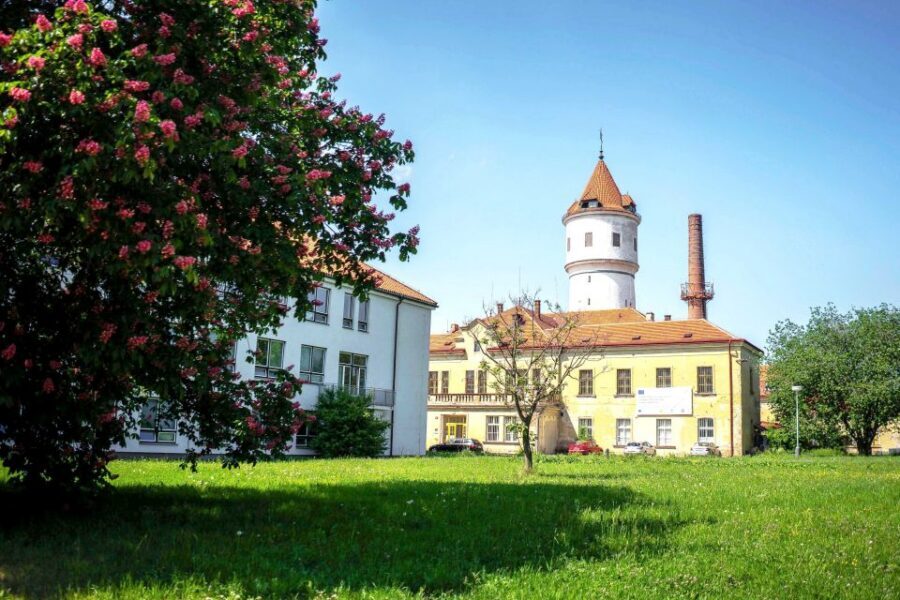
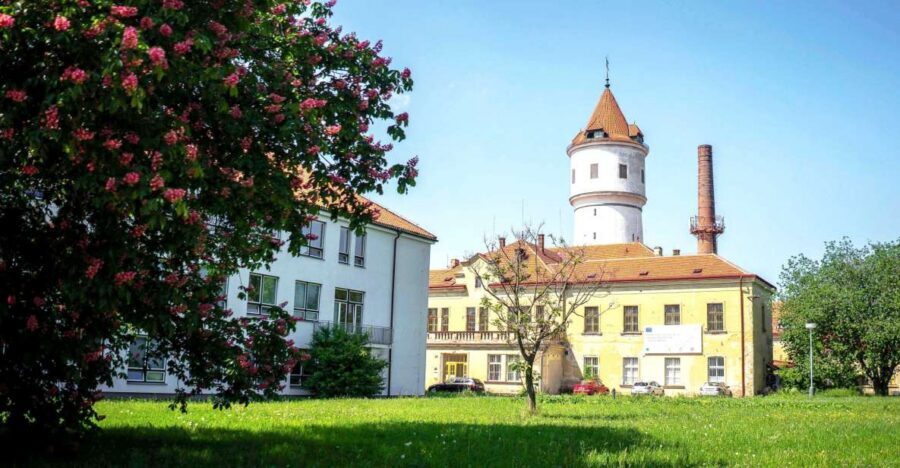
If you’ve only ever thought about psychiatry as something from textbooks, this tour changes the angle fast. Bohnice Psychiatric Hospital sits on the outskirts of Prague, and the visit keeps its grounding: you’re not touring a set. You’re guided through a place that still operates, so the atmosphere stays real.
I like that this is built like a conversation with the past. The guide points out what changed, what stayed cruel, and what people believed at the time. It’s not “scare tourism.” It’s history with teeth.
One practical note: because the setting is active and because stories include past and current patients, you should come ready for emotional weight. The tour provider explicitly advises it’s not suitable for small kids, and that guidance makes sense once you’re there.
You can also read our reviews of more tours and experiences in Prague.



What you learn: medieval rituals, lobotomies, and the Rosenham experiment
The core value here is the way psychiatry’s methods are placed in time order. You get an introduction to how European thinking about mental illness evolved, from early approaches that mixed mystic ideas with attempts to control behavior. Then you move forward to treatment methods that, by today’s standards, can feel shocking or incomprehensible.
The tour also puts famous case studies into perspective. One major highlight is the Rosenham experiment, which challenges how diagnosis can be applied. Even if you only know the name, the guide helps you connect it to the bigger theme: people can get classified, and those labels can shape what happens next.
This matters because the tour doesn’t treat psychiatry as one straight line. You’ll hear that different eras had different “answers,” often based on fear, imperfect science, and social pressure. That’s what makes the history stick—and what makes the hospital walk feel more than spooky scenery.
Inside the wards: stories of patients who shaped the institution
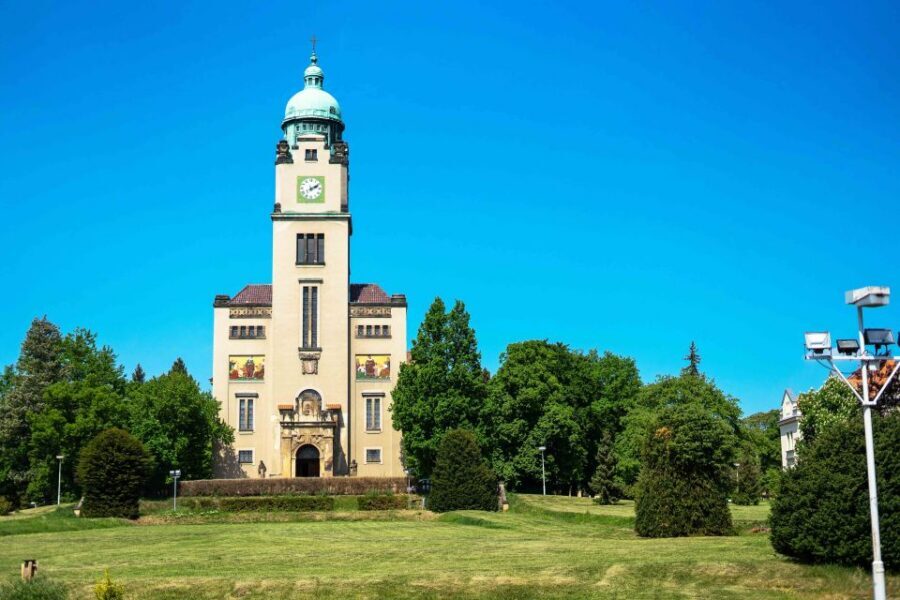
This is not just architecture and hallways. The guide shares stories about infamous people who occupied the wards, and you’ll hear about both past and current cases. That mix is part of the tour’s intensity: it keeps the conversation anchored in real consequences, not tidy textbook summaries.
I appreciate the balance in the storytelling. You’re shown how the institution functioned, while still learning that the human side is messy. People weren’t just “cases.” They were families, reputations, and lives disrupted by systems that didn’t always have humane answers.
Because the tour includes a still-working hospital environment, it can also feel unpredictable in the moment. The experience may include sights connected to daily life in the wards, and that’s exactly why adults often find it so memorable. Just know your own comfort level going in.
The cemetery promenade: why it feels so unsettling
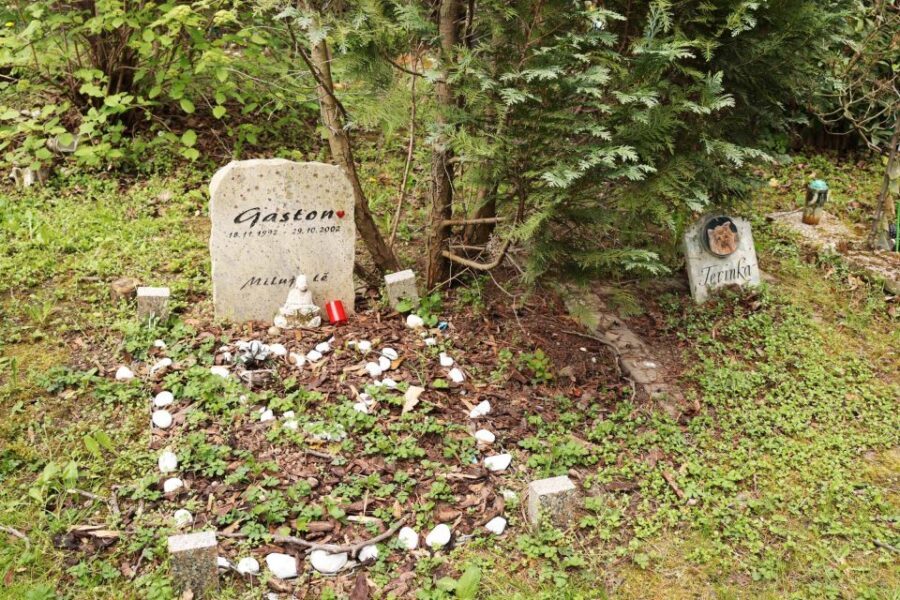
The mood shift happens when you move toward Bohnický ústavní hřbitov, the abandoned institutional cemetery connected to the hospital. The promenade around the graveyard area is eerie in a very specific way: it doesn’t just look haunting, it feels organized around loss.
What makes this portion special is that it’s not a generic “creepy walk.” The guide connects the cemetery to the wider history of how institutions handled stigma—how society stored its most difficult stories at a distance. You pass the graveyard setting and learn about the people who were once laid to rest there, including patients and those connected to the darker side of the institution’s world.
I’d also call out this practical angle. Outdoor segments like this tend to be where you notice the weather, the ground, and your own pace. One visitor noted that the tour worked even in the rain, which tells you the route is designed to keep moving rather than canceling your experience at the first cloud.
How the 3 hours actually flow (and how to get the most out of it)
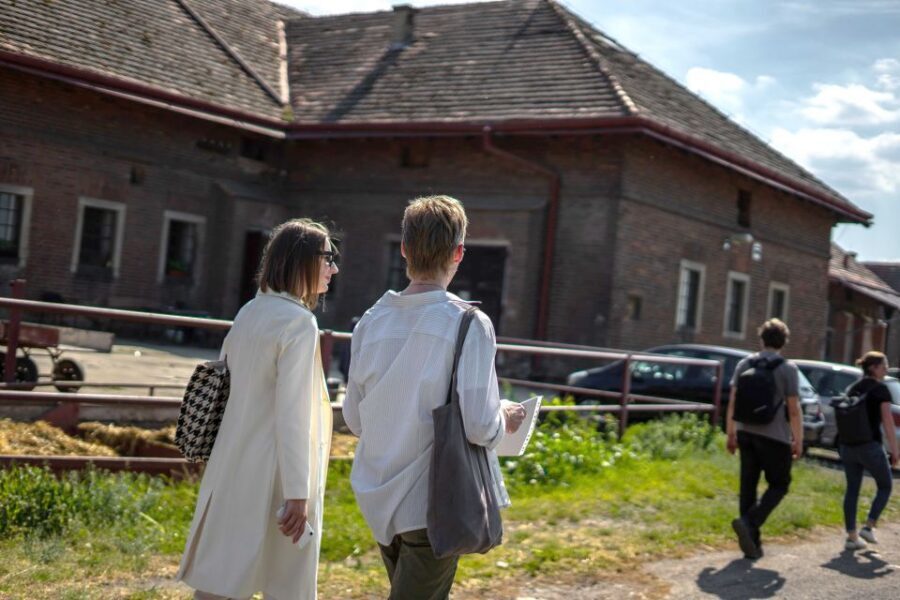
The tour runs for 3 hours, with a guided hospital portion and then a shorter cemetery segment. Your time is structured so you get the “why” before you get the “where.”
- Start at the hospital gate in Bohnice (Ústavní 91, Praha 8). Plan to arrive a little early so you’re not rushing your shoes and your nerves at the same time.
- Hospital walk: about 2.5 hours
This is where the guide explains psychiatry’s changing methods—medieval thinking, later treatment attempts, and examples like the Rosenham experiment. You’ll also hear stories tied to the wards and the institution’s reputation over time.
- Cemetery pass: about 30 minutes
This is the slowest-feeling part, even though it’s shorter. You’re moving along an eerie promenade around the abandoned graveyard, with the historical meaning built in as you go.
My biggest tip for making it land is simple: don’t try to “power through.” Let your brain process the shifts between eras. The tour’s lesson is that psychiatry changed—but the impact on individuals often did not soften quickly.






Price and value: what $32 buys you in Prague

At $32 per person for a roughly three-hour walking experience, this tour sits in a “serious value” category—not because it’s cheap, but because it delivers something most ghost-story tours don’t: a real institutional setting tied to treatment history.
You’re paying for three things that combine well:
- a live guide who connects psychiatry history to a specific place
- time inside and around a still-functioning psychiatric hospital
- the atmosphere of an abandoned cemetery promenade, which is hard to replicate on your own
If you want a pleasant evening tour with light banter, this is probably not your best match. If you want a grounded, thought-provoking walk with real context and a strong guide, it’s priced like something that assumes you’re choosing substance over spectacle.
Getting there from the city: metro to bus to the hospital gate
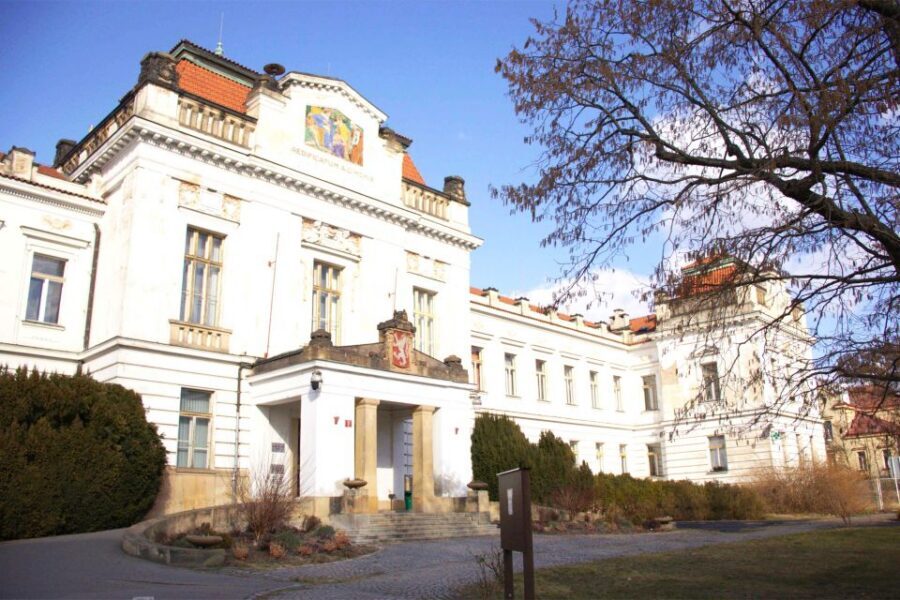
This part is manageable, but you’ll do best if you follow the route exactly once.
Public transport route
- Take metro line C to Kobylisy.
- Exit the metro in the direction of Katastrální úřad.
- Walk to the bus station and take bus 177 (direction Poliklinika Mazurská) or bus 200 (direction Sídliště Bohnice).
- Get off at Katovická.
- Turn around and walk in the opposite direction to the first crossroad.
- Turn left onto Ústavní street and continue until you reach the metal gate with number 91.
Taxi
From the city center, a Bolt or Uber ride is roughly 350 CZK (about €15), give or take.
One extra practical suggestion worth taking seriously: a guest specifically recommended using Uber both ways to keep things simple—especially if you don’t want to wrestle with return timing after a heavy, longer walk.
Practical tips: shoes, water, and pacing through heavy topics
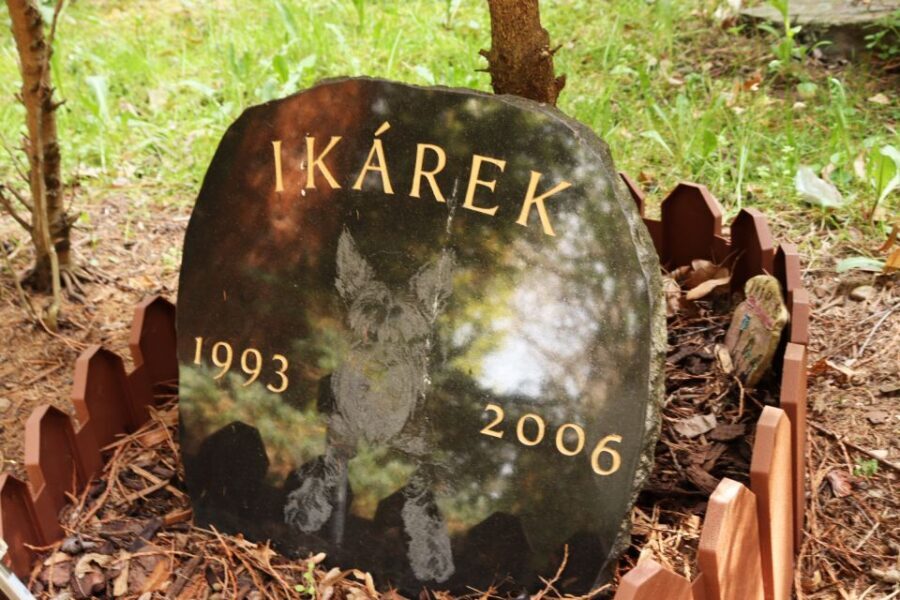
This is a walking tour, so the basics matter. Bring comfortable shoes—really. The setting is outdoors for part of it, and cemetery paths and hospital grounds aren’t optimized for fragile soles.
Also bring a reusable water bottle. Even in cool Prague weather, your pace can jump once the guide starts connecting the history to what you’re seeing.
On the emotional side, I’d treat this like a serious museum visit: not a casual stroll. The tour includes dark historical facts about psychiatry and notes it’s not recommended for small children. If you’re sensitive to mental health themes or institutional abuse stories, you’ll want to plan breaks for yourself before and after.
Who this tour is for (and who should skip it)
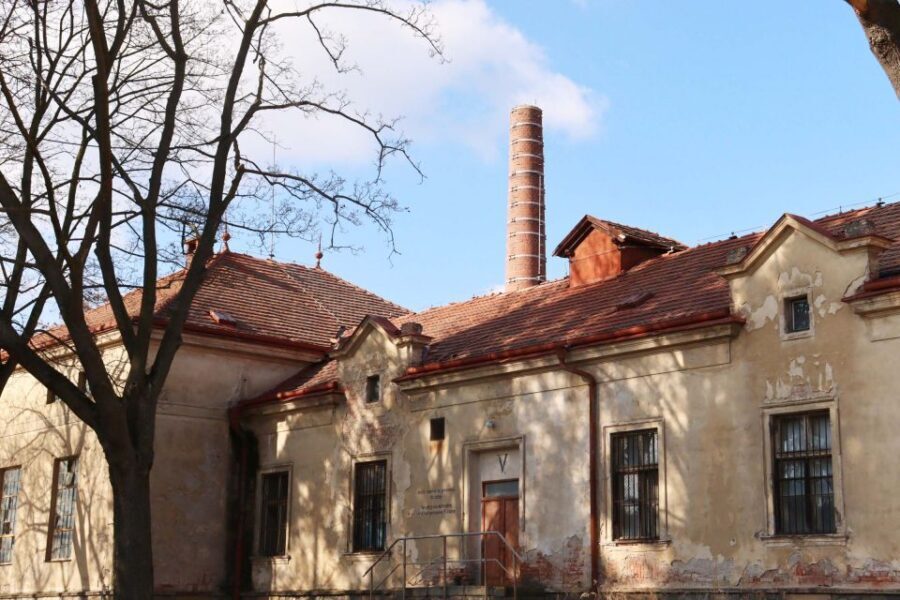
This is a great choice if you:
- want a Prague experience that’s authentic and anchored to a real place
- enjoy history with clear human consequences, not just legends
- like learning how ideas evolve over time, especially through controversial case studies like the Rosenham experiment
Skip it if you want a light, comedic ghost walk. Skip it too if you’re traveling with very young children.
Adults who are curious about how society treated mental illness—and how institutions built systems around stigma—often find this tour oddly unforgettable.
Book it or not? My honest take
If you’re debating whether to book, ask yourself one question: do you want a history lesson you can feel under your feet? If yes, this is one of the more compelling ways to do it in Prague.
I’d book when you can commit to the emotional tone. The standout element isn’t the “spooky” part. It’s the combination of hospital history, treatment-method shifts over time, and the atmosphere of an abandoned cemetery promenade, guided by a storyteller who (in multiple accounts) comes across as passionate and sharply focused—Tina is the name that keeps showing up.
If you want a gentle evening activity, choose something else. But if you’re in the mood for real context, real place, and a guide who keeps the facts moving, this is a strong yes.
FAQ
How long is the Prague Psychiatric Hospital and Abandoned Cemetery Tour?
The tour lasts 3 hours total.
Where does the tour start?
Meet in front of the gate to the Psychiatric Hospital in Bohnice, Ústavní 91, 181 00 Praha 8.
Is the tour guided, and what language is it in?
It includes a live tour guide in English. A private group is available.
What do I need to bring?
Wear comfortable shoes and bring a reusable water bottle.
Is the tour suitable for children?
The tour includes dark historical facts related to psychiatry and is not recommended for small children.
Is it mostly indoors or outdoors?
It includes a guided hospital visit and a walk that takes you past the abandoned cemetery area.
How do I get there by public transport?
Take metro line C to Kobylisy, then bus 177 (Poliklinika Mazurská) or bus 200 (Sídliště Bohnice) to Katovická, then walk to Ústavní street and the metal gate at number 91.