REVIEW · PRAGUE
Prague Tour in Spanish
Book on GetYourGuide →Operated by TURISTICO · Bookable on GetYourGuide
Prague’s street corners have lessons. On this Spanish walking tour, I like how a local guide stitches big moments—empires, revolutions, and national pride—into the paths you actually walk. You get a clear, story-driven way to see why Prague’s historic core is so famous and why the city still feels busy with ideas.
What I especially like is the focus on Prague’s evolution: Austro-Hungarian domination, the rise of Czech nationalism, and how the 20th century reshaped everyday life. I also like the storytelling angle—legends and fascinating cultural stories that turn a simple stroll into something you can remember after dinner.
One thing to consider: this tour runs rain or shine, so comfortable shoes matter if you’re sensitive to wet pavement or cobblestones.
In This Review
- Key things you’ll notice on this Prague Spanish walk
- Prague in Spanish: how 150 minutes turns into street-level history
- The Vltava River setting and the “hundred spires” mindset
- From Austro-Hungarian rule to Czech nationalism, told where you can feel it
- World wars, communism, and the Velvet Revolution: why politics still echoes in the streets
- Why Prague became the Czech capital—and why the city still feels alive
- What a typical route feels like (even without obsessing over stops)
- Price and value: is $24 per person actually a good deal?
- Meeting point and staying oriented with the navy umbrella
- Rain or shine: what to pack for a 150-minute walk
- Who should book this Spanish Prague tour?
- Should you book this Prague Tour in Spanish?
- FAQ
- How long is the Prague Tour in Spanish?
- What language is the tour offered in?
- How much does the tour cost?
- Where do I meet the tour guide?
- What is included in the price?
- Are entrance fees or transport included?
- Does the tour run in bad weather?
- Is the tour wheelchair accessible?
- What is the cancellation policy?
Key things you’ll notice on this Prague Spanish walk
- Certified Spanish guide leading the whole experience for 150 minutes.
- A story route through Prague’s past, linking empires, war, communism, and major political change.
- Legends and Czech cultural stories that help the city feel personal, not just postcard-perfect.
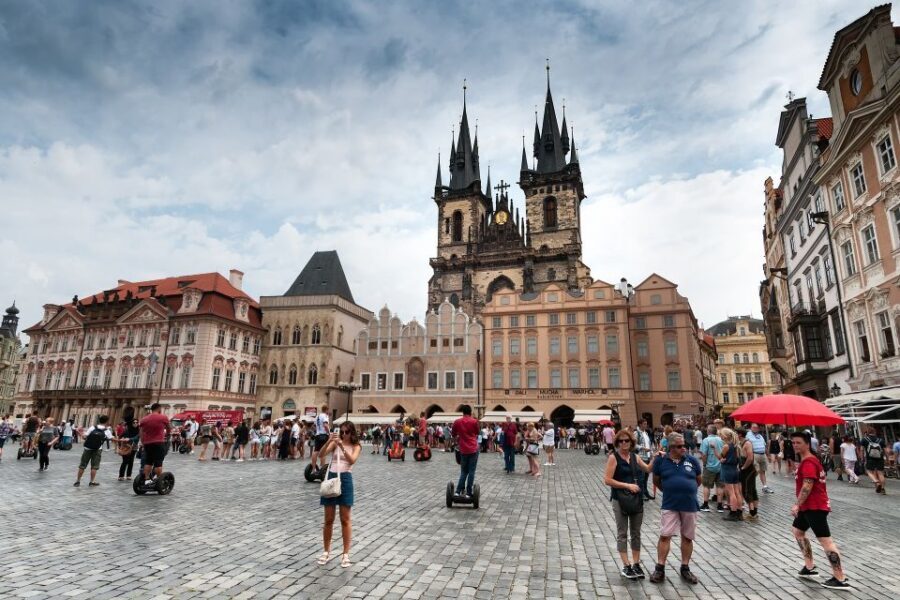
- Vltava River context and the wider “hundred spires” vibe that defines the skyline.
- Historic center with UNESCO World Heritage status, explained through meaning, not just dates.
- Rain-ready planning, so bring shoes you trust.
Prague in Spanish: how 150 minutes turns into street-level history
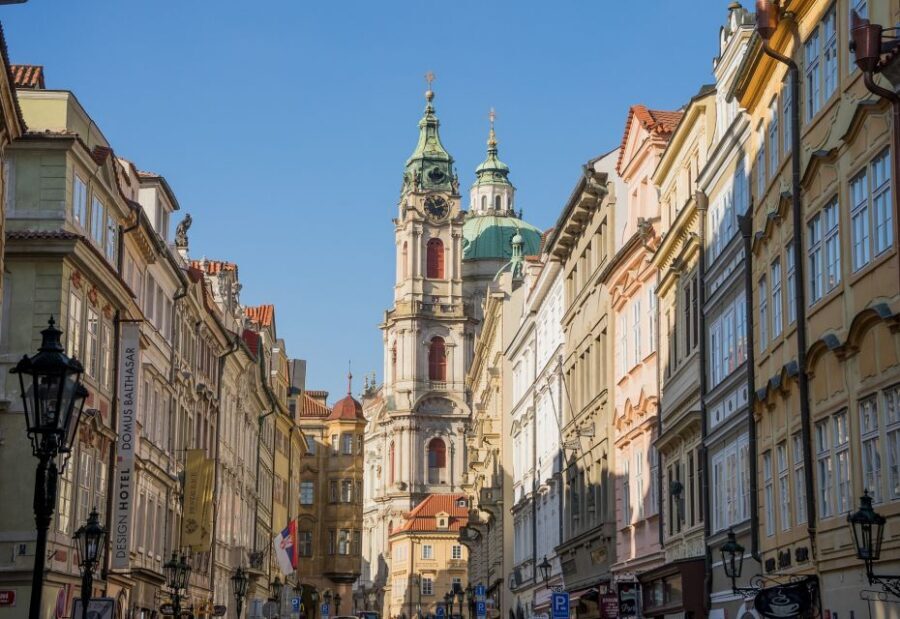
If you’ve only seen Prague from photos, this tour helps you “read” the city. The format is simple: you walk, your guide explains, and the story grows as you move through the historic center. The result feels practical. You leave knowing what you just saw, not only what it looked like.
At 150 minutes, the timing is long enough for real context, but short enough that you’re not trapped in a marathon of facts. And because the tour is in Spanish, you get the benefits of a local voice without translation headaches. I like that. Language matters when history gets nuanced.
You’ll also feel the intent behind the tour. This isn’t only about monuments. It’s about why Prague became Prague—politically, culturally, and emotionally. The guide frames the city as an evolving European capital, not a museum piece.
You can also read our reviews of more tours and experiences in Prague.

The Vltava River setting and the “hundred spires” mindset
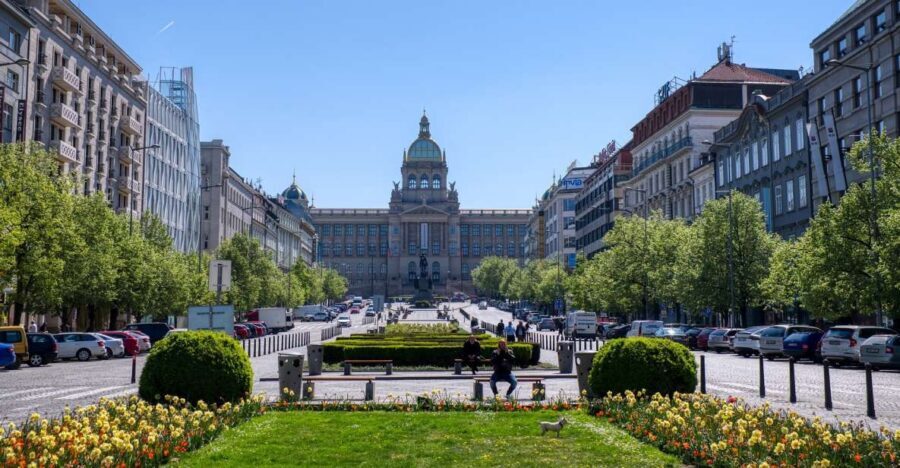
Prague’s identity is partly built from geography. The tour centers on the sense of place around the Vltava River, where the city’s energy and layout make more sense than they do from one viewpoint. Even if you’ve never mapped it out, you can start to understand how riverside life ties into the historic heart.
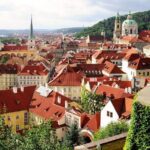
Then there’s the skyline—those spires, the famous “hundred” idea that people repeat because it’s true in spirit. This tour uses that skyline vibe as shorthand for what Prague has long represented: layered time, constant rebuilding, and religious or civic ambition visible from multiple angles.
What I like is how these details don’t become random sightseeing. You’re not just collecting views; you’re learning how Prague’s physical look connects to its shifting role in Central Europe. That’s how the city stops feeling like scenery and starts feeling like a story you can walk through.
From Austro-Hungarian rule to Czech nationalism, told where you can feel it
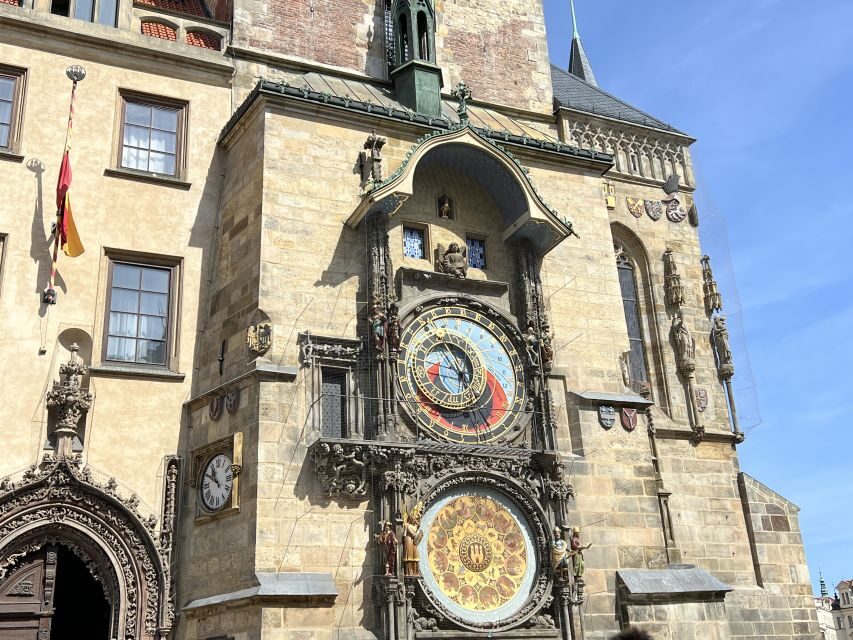
A big theme here is the period when Prague lived under Austro-Hungarian domination. The tour explains how that influence shaped the city, then connects it to the growth of Czech nationalism. You’ll hear how power and identity weren’t abstract—they showed up in culture, intellectual life, and the way people understood their place in the empire.
This matters for your visit because Prague can otherwise feel like it’s all “old stuff.” Yes, there are historic buildings everywhere. But the tour pushes past the postcard and into the tension underneath. It helps you see why cultural movements mattered, and why “national identity” wasn’t only a slogan. In Prague, it became a way of organizing the arts, the conversation, and even public expectations.
One useful practical outcome: as you walk, you’ll start noticing layers. Even when you can’t name every building right away, you’ll recognize the mood shifts the guide describes—periods of control, periods of awakening, and the push-and-pull between empire and local pride.
World wars, communism, and the Velvet Revolution: why politics still echoes in the streets
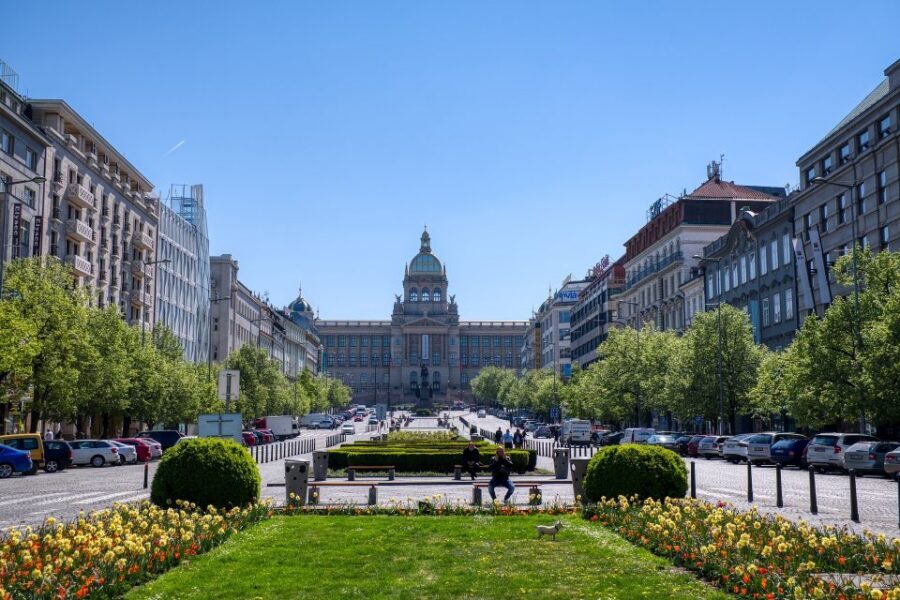
The tour continues into the 20th century, when Prague’s story gets heavier. You’ll learn how World wars affected the city, then what life and culture looked like during the communist period. After that, you’ll reach the turning point people remember as the Velvet Revolution, and how Prague moved from that chapter into a new era.
Here’s what I think is valuable about this approach: it doesn’t treat political history like a separate subject. It links events to why the city developed the way it did—why certain institutions, ideas, and public life feel the way they do now. When you understand the timeline, you read the city differently. You stop assuming everything you see is purely aesthetic. Some of it is “designed” by history.
And the guide’s style seems built for clarity. One review praised the quick attention from the guide María, which hints at how the group experience stays smooth—like you’re not getting lost in a lecture. In a history-focused walking tour, that kind of responsiveness matters.
Why Prague became the Czech capital—and why the city still feels alive
Another key thread is why Prague became the capital of the city and what that meant. The tour frames Prague as an engine for cultural and intellectual activity, especially as Czech identity gained momentum. You get a sense that being the capital wasn’t only about government buildings. It was about attracting ideas, leaders, artists, and institutions.
This connects directly to the tour’s promise: Prague streets feel like they’re working. The guide talks about the city as vital and constantly evolving, with events and energy that keep the place moving. That’s not just marketing language. When you understand the “why,” you notice it more. You see crowds with a purpose, not just because it’s a famous destination.
Also, the tour helps you understand Prague as a European capital with layers of meaning—historic enough to have legends, modern enough to keep changing. If you’re trying to decide between a quick highlights walk and something deeper, this one aims for the sweet spot: context without suffocating detail.




What a typical route feels like (even without obsessing over stops)
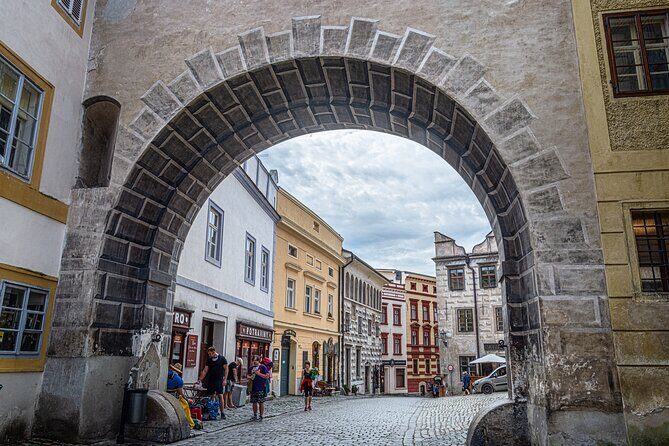
You won’t just hear a timeline. You’ll experience a guided walk through the historic center where the guide can attach stories to what you see around you. Since the exact sequence of corners isn’t listed here, I’ll describe what’s reliable based on the tour focus.
Expect your walk to move through areas where the guide can explain:
- how Prague’s role changed under larger empires,
- how cultural and intellectual activity connected to nationalism,
- how major 20th-century events reshaped the city,
- and how the Velvet Revolution fits into the modern identity of Prague.
Because the tour is 150 minutes, the pace is likely designed to keep your attention. You get story beats that build, not isolated facts. And since it’s a live guide, you can adapt. If you’re curious about how one era connects to another, you’ll feel the explanations connect more than they would in a self-guided audio app.
The main caution: you’ll likely do meaningful walking on comfort-first terrain. If you plan to wear delicate shoes for photos, this isn’t the best moment to test them.
Price and value: is $24 per person actually a good deal?
At $24 per person for a certified professional Spanish guide and a 150-minute walk, this is priced like a real “value tour,” not a premium private experience. The big question isn’t only cost. It’s what you get for that money.
Here’s what you’re paying for, clearly:
- a live professional and certified guide,
- a structured story of Prague’s history and cultural identity,
- and explanations delivered in Spanish (not English you wish you understood better).
What you don’t get included:
- transport (you handle your own getting there),
- and entrance fees (if anything requires tickets, you’d pay separately).
So the value depends on how you like to travel. If you’re the type who enjoys walking and listening, and you want the “why” behind Prague’s look, this can be a smart use of time. If you’re only chasing photo spots and don’t care about historical context, you may feel the content runs deeper than your style. But for most visitors who want context without turning the day into homework, $24 for 2.5 hours is hard to argue with.
Meeting point and staying oriented with the navy umbrella
The meeting spot is simple: look for a person carrying a navy blue umbrella and/or a sign with the Turistico logo. This is the kind of detail that can save your first 10 minutes from stress.
To make it easier on yourself:
- arrive a few minutes early so you can scan calmly,
- plan to orient quickly to the umbrella color (that’s your anchor),
- and keep an eye on your surroundings—historic-center tours can feel crowded, even on “quiet” streets.
If you’re worried about confusion in rain, the umbrella is a bonus. In wet weather, visual markers matter even more.
Rain or shine: what to pack for a 150-minute walk
The tour runs rain or shine, so treat it like an outdoor walking day. The practical advice is straightforward: wear shoes that handle wet ground and take a little abuse. Prague’s old-town streets can be unforgiving when the weather turns.
Also consider:
- bring a light rain layer that won’t restrict movement,
- keep your phone protected if you like taking photos,
- and remember that a guided story is still a guided story in bad weather—you’ll be out there for 150 minutes.
In other words: don’t count on weather to change your plan. Instead, plan for it.
Who should book this Spanish Prague tour?
This one fits best if you want:
- history with context, told in a story format,
- a guide’s perspective rather than only self-guided wandering,
- and a Spanish experience that doesn’t make you compromise your understanding.
It’s also a good pick if you like cultural explanation—legends and Czech stories that give meaning beyond dates. If you enjoy connecting political events to daily life and public identity, you’ll likely get a lot from the Austro-Hungarian era through the Velvet Revolution arc.
If you’re traveling with kids, it could work depending on attention span—because the tour is story-based, not just lecture. But you’ll want to consider your group’s patience for 150 minutes of walking and listening.
Should you book this Prague Tour in Spanish?
I’d book it if you want a guided, Spanish-language walk that helps you understand Prague’s identity—especially how it moves from empire and nationalism into the modern era. At $24 for 150 minutes with a certified guide, it’s a solid value for visitors who want real meaning, not only scenery.
Skip it if your ideal day is mostly photo stops and minimal listening. You’ll probably still see Prague, but you might not use the history focus to its full potential.
If you’re choosing a first or second tour to add depth, this is a strong candidate. It gives you a narrative thread you can carry through the rest of your trip.
FAQ
How long is the Prague Tour in Spanish?
The tour lasts 150 minutes.
What language is the tour offered in?
The live tour guide speaks Spanish.
How much does the tour cost?
The price is $24 per person.
Where do I meet the tour guide?
Meet at the designated spot where you can look for a person carrying a navy blue umbrella and/or a sign with the Turistico logo.
What is included in the price?
The tour includes a professional and certified tour guide.
Are entrance fees or transport included?
No. Transport and entrance fees are not included.
Does the tour run in bad weather?
Yes. The tour takes place rain or shine.
Is the tour wheelchair accessible?
Yes. The tour is listed as wheelchair accessible.
What is the cancellation policy?
You can cancel up to 24 hours in advance for a full refund.