REVIEW · PRAGUE
Prague: WWII Tour with Local Historian SMALL GROUP
Book on GetYourGuide →Operated by Local Historian Tours · Bookable on GetYourGuide
Prague can feel like a movie set, until you walk these WWII streets. This 2.5-hour small-group tour (max 7) focuses on a few big moments, told by a local historian who cares about quality over speed. I like that it starts with the city’s landmarks and then connects them to specific resistance acts, from Reinhard Heydrich’s downfall to Nicholas Winton’s Kindertransport rescue. One thing to consider: the subject matter is heavy, and the walk is not a good fit for everyone.
For me, the best part is how the guide makes the city feel like evidence, not just scenery. You’ll also get practical help: a Prague public transport ticket, water, and entrance to the Paratroopers Church so you’re not stuck fussing with details. The main drawback is that it’s not suitable for kids under 10, pregnant women, and the mobility details are inconsistent, so you should check fit before booking.
In This Review
- Key highlights you’ll actually care about
- Why this WWII Prague tour feels different from a standard walking loop
- Getting oriented at Wenceslas Square (and why that start matters)
- Reinhard Heydrich and Operation Anthropoid: the war’s sharp turning point
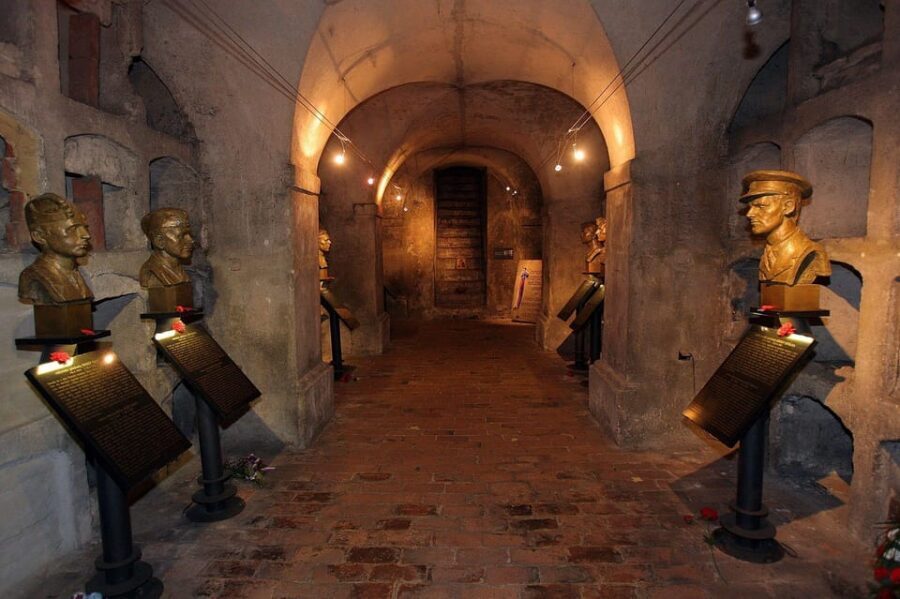
- Paratroopers Church and the bullet holes you’ll remember
- Nicholas Winton’s Kindertransport story: hope amid the horror
- 1945 Prague: uprising, bombing, and the city’s final test
- Former Gestapo headquarters: secrets in plain sight
- Pace, group size, and what $61 buys you
- Practical details before you go
- Should you book this Prague WWII Tour with a Local Historian?
- FAQ
- How long is the Prague WWII tour?
- Where do you meet for the tour?
- Where does the tour end?
- Is the tour in English?
- What’s included in the price?
- How big is the group?
- Is it suitable for children or for wheelchair users?
Key highlights you’ll actually care about
- Reinhard Heydrich and Operation Anthropoid explained on foot, including what made the assassination so high-stakes
- Paratroopers Church visit with entrance included, plus the famous bullet-hole story you’ll see there
- Nicholas Winton’s Kindertransport impact tied to the rescue of 669 Jewish children
- 1945 Prague under attack: Prague uprising and the American bombing in context
- Former Gestapo headquarters stops that make the occupation feel close and real
- Small group size (7 max) for a more personal pace with your English-speaking guide
Why this WWII Prague tour feels different from a standard walking loop
Prague is full of WWII reminders, but most tours skim. This one takes fewer topics and treats them like they mattered, because they did. You spend your time on the turning points: who planned the terror, who fought back, and how the city survived the final year of the war.
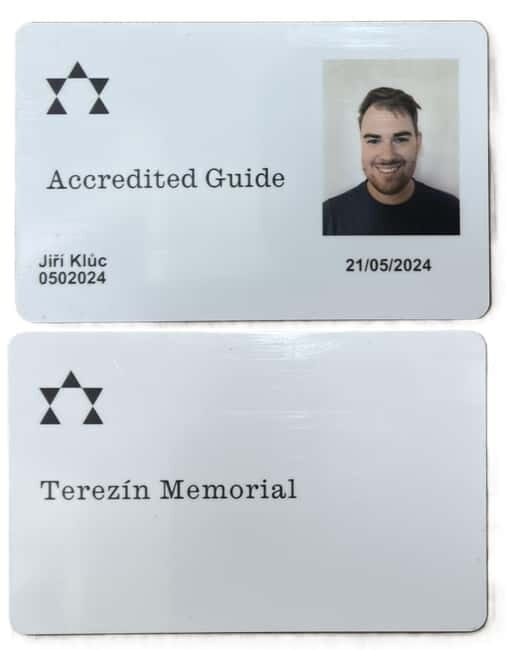
I also like the tone your guide brings. The tour is led by Local Historian Tours, and the English narration is built around stories with names and motives, not just dates on a sign. In particular, I’ve seen how guides like Gerry and Jiri are praised for expert storytelling and for making room for survivor testimony—so the lessons land in a human way, not a textbook way.
One more practical win: it’s timed to feel doable. In 2.5 hours, you’ll hit major sites and still get time to ask questions, not just race from one stop to the next.
You can also read our reviews of more tours and experiences in Prague.
Getting oriented at Wenceslas Square (and why that start matters)
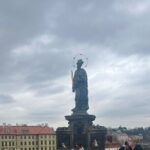
The tour starts at the Statue of Saint Wenceslas at Václavské náměstí, in front of the National Museum. This is a smart place to begin because it’s central, easy to find, and it gives you a clear sense of scale for the city.
From this starting point, you get what you need before the darker parts begin: context. Your guide frames the city not as a postcard, but as a stage where occupation policies, resistance planning, and public fear played out in public spaces. That matters because you’ll later stand near locations tied to secret police work, resistance operations, and wartime destruction. If you don’t get orientation first, it can all feel disconnected. Here, the start is doing work.
Practical tip: Wear shoes you can trust. Even with public transport in the mix, you’ll be on your feet for the walking segments.
Reinhard Heydrich and Operation Anthropoid: the war’s sharp turning point
The tour’s central thread is Reinhard Heydrich—often called the Butcher of Prague—and the operation that ended him. Your guide connects the dots between his role in the Nazi system and the fear it created in daily life.
This part isn’t about trivia. It’s about why one man’s death was such a shock. You’ll hear that Heydrich wasn’t just a local threat—he was among the highest-ranking Nazis killed in WWII when Operation Anthropoid succeeded. For you, that changes the way you read the city afterward: resistance stops stop looking symbolic and start feeling strategic.
Then comes Operation Anthropoid itself, presented as daring resistance against an occupying force that was trying to control every layer of society. Your guide walks you through the atmosphere around these moments: the tension before action, the consequences after, and the way the resistance story became part of Prague’s wartime identity.
What I like about this approach is that it keeps the focus on cause and effect. One act leads to retaliation. One retaliation shapes the next move. You’ll feel that logic as you move between stops.
Paratroopers Church and the bullet holes you’ll remember
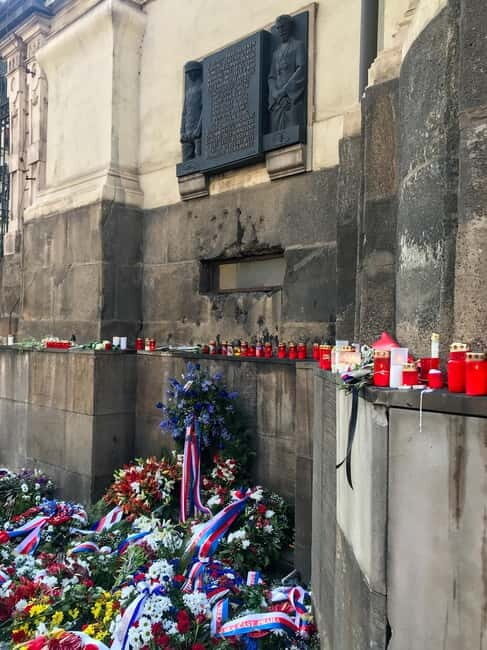
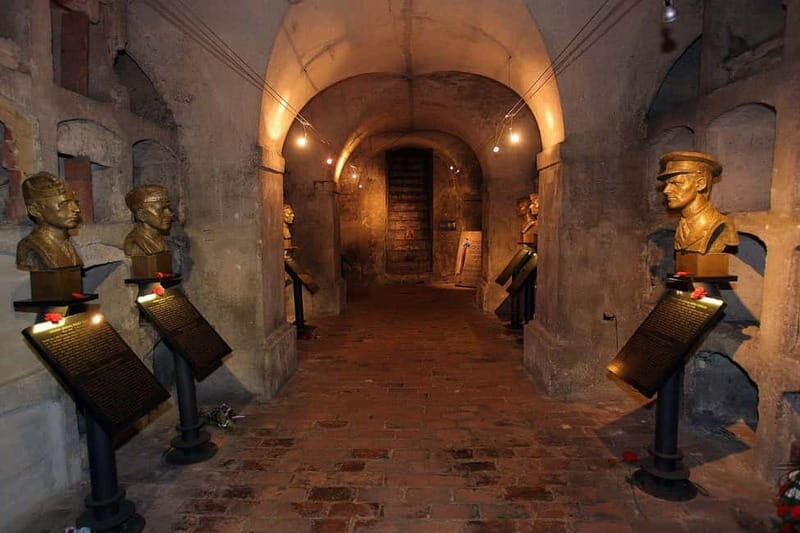
At some point, you’ll reach the Paratroopers Church, with entrance included. This is where the tour becomes very visual.
The big detail: you’ll hear the story tied to the bullet holes you can see there. That single, physical detail turns the narrative from history into evidence. You stop thinking about WWII as something that happened long ago and start seeing how it touched specific places.
Also, because you get skip-the-ticket-line support and the entrance fee is handled, you spend your energy listening instead of queueing. In a tour like this, that’s a real value point. It keeps the pace respectful to the topic and lets the guide keep momentum.
What you should watch for: the guide’s emphasis on what the church and surrounding context meant for the resistance story. If you like explanations that connect artifacts to people, this stop is the one you’ll want to lean into.
Nicholas Winton’s Kindertransport story: hope amid the horror
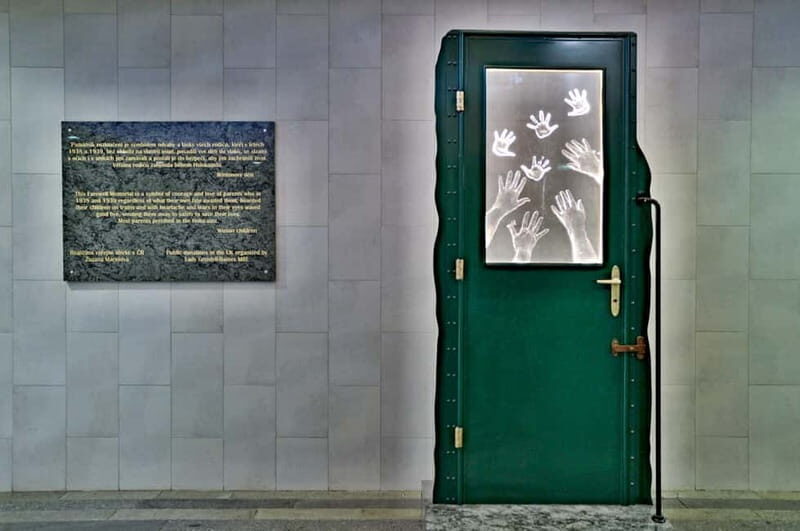
Then the tour pivots to Nicholas Winton, the man connected to the Kindertransport story. Here, the number you’ll hear matters: 669 Jewish children saved through Kindertransports.
Your guide doesn’t treat this as a feel-good detour. They position it as a counterpoint to the machinery of persecution you’ve just been hearing about—proof that ordinary action, done at the right time, could save lives even when the system was designed to destroy.
If you’ve seen the Hollywood film One Life, this is where the tour can help you connect the movie to geography and to the lived urgency behind the rescue effort. You’ll walk away with a sharper sense of how rescue networks worked, not just that they existed.
I like this portion because it gives your brain a breather without losing the gravity. You leave the tour with both sides of the WWII story: the cruelty and the effort to defeat it.
1945 Prague: uprising, bombing, and the city’s final test
The final stretch of the war shows up as more than a backdrop. You’ll hear about the Prague uprising in 1945 and the bombing of Prague, including the American bombing in 1945.
This is the part that helps you understand why people remember 1945 so sharply. It’s the year when the war’s end didn’t arrive gently. You get the sense of a city being forced through chaos, destruction, and decisions made under extreme pressure.
Your guide connects these events to the earlier resistance story. That matters, because without that connection, the uprising and bombings can feel like separate chapters. Here, they read like the continuation of the same struggle—resistance actions trigger consequences, and those consequences play out in the streets.
If you’re someone who likes history with a chain of events, you’ll appreciate how the guide builds a narrative arc instead of listing battles.
Former Gestapo headquarters: secrets in plain sight
One of the most striking elements of this tour is the stop at the former Gestapo headquarters. Even without a dramatic set-up, the idea lands hard: this is a place linked to surveillance, interrogation, and fear.
Your guide gives the location meaning with context, so you understand what might have happened there and why that history shaped Prague’s wartime atmosphere. This isn’t just “look at the building.” It’s “this building helps explain how the occupation worked.”
For you, this stop is valuable because it helps convert headlines into mechanisms. WWII becomes less abstract. You begin to see the occupation as a system: it relied on information, control, and terror to keep resistance from organizing.
Pace, group size, and what $61 buys you
Let’s talk value. The price is $61 per person, and for a 2.5-hour experience that includes a live English guide, a Prague public transport ticket, water, all fees and taxes, entrance to the Paratroopers Church, and skip-the-ticket-line support, it’s not just paying for walking.
You’re paying for interpretation. In tours of WWII sites, the difference between good and great is whether you get meaning, not just movement. With this one, the small group size—7 participants max—is a big deal. It gives your guide room to slow down when something needs explaining, and it makes it easier to ask questions.
Duration matters too. In 2.5 hours, you won’t get everything. You’ll get what the guide can teach deeply without rushing. For many people, that’s the sweet spot.
Who this tour suits best:
- Adults who want WWII explained through real Prague locations
- People who like story-based history with names and motives
- Anyone who wants a smaller group rather than a large crowd experience
Who should think twice: it’s not suitable for children under 10, pregnant women, and mobility-impaired participants per the provided notes. Also, one part of the info says wheelchair accessible, while another part says not suitable for wheelchair users. If that’s you, it’s worth confirming details directly with the operator before you book.
Practical details before you go
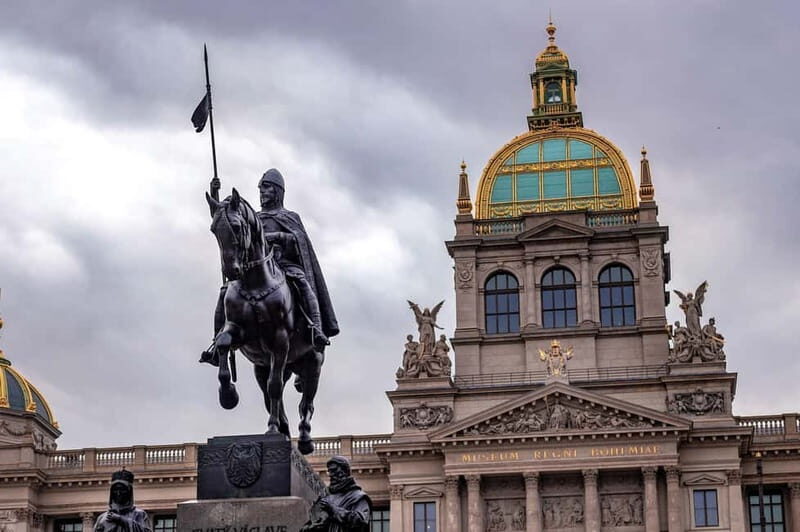
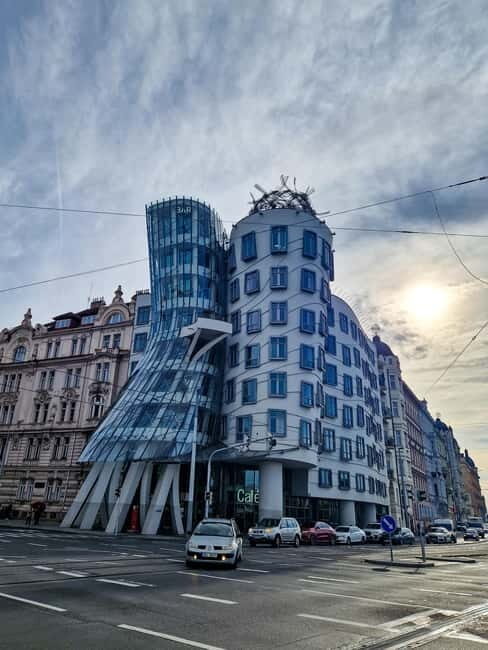
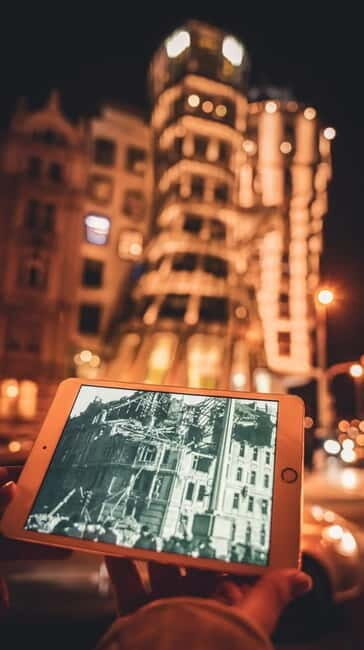
The meeting point is straightforward: in front of the National Museum, near Václavské náměstí, and you’ll find it close to landmarks like McDonald’s (so it’s not a mystery spot). The tour ends around the Dancing House area, and the information indicates it finishes back at/near the meeting point as well, so don’t be surprised if the wrap-up mirrors the central meeting area.
Language is English, and the tour is clearly framed as a live guide experience, not an audio-only product. Bring weather-ready clothing because Prague weather can shift fast, even in shorter tours. And since water is included, you can focus on listening instead of rationing your own.
Also, because you’re covering intense topics—Heydrich, genocide-linked history, bombings, retaliation—this is best if you’re mentally ready for the emotional weight. It’s history, but it doesn’t pretend it’s comfortable.
Should you book this Prague WWII Tour with a Local Historian?
I’d book it if you want a WWII Prague tour that feels human and focused, not crowded and generic. The combination of Heydrich and Operation Anthropoid, the Paratroopers Church stop with the bullet-hole story, Nicholas Winton’s 669-child Kindertransport rescue, and the 1945 bombing and uprising coverage gives you a strong narrative arc in just 2.5 hours.
You should skip it (or at least confirm fit) if you need a very light walking schedule, if mobility constraints are a concern, or if the topic intensity is too much for your trip style. And if your priority is a broad sweep of every WWII site, this one is more selective than a “see everything” tour.
Bottom line: for the price, you’re buying a guide-led, site-connected story of resistance and survival—told by local historians who focus on the details that actually help the places make sense.
FAQ
How long is the Prague WWII tour?
It lasts about 2.5 hours.
Where do you meet for the tour?
You meet at the Statue of Saint Wenceslas at Václavské náměstí, in front of the National Museum.
Where does the tour end?
The itinerary lists the finish at the Dancing House area, and the activity also indicates the tour ends back at the meeting point.
Is the tour in English?
Yes, the live tour guide provides English narration.
What’s included in the price?
The tour includes a Prague public transport ticket, water, all fees and taxes, entrance to the Paratroopers Church, and skip-the-ticket-line support.
How big is the group?
It’s a small group limited to 7 participants.
Is it suitable for children or for wheelchair users?
It’s not suitable for children under 10. The information also notes it is not suitable for wheelchair users and for people with mobility impairments, even though it includes a wheelchair-accessible note. If accessibility is a factor for you, confirm before booking.