REVIEW · PRAGUE
Private Prague Walk with Your Local Buddy
Book on Viator →Operated by Feed Me Prague · Bookable on Viator
Prague clicks into place when someone local points. This private walk pairs a real Q&A chat with a route that moves beyond the usual old-town loop. You stay flexible with a guide, and your time matches your interests—not a rigid script.
I love the way the stops are chosen for story value, not just photos. You’ll get context at Wenceslas Square and the Statue of Saint Wenceslas, then slow down with calmer spots like Franciscan Garden and the car-free island of Kampa. The result feels like Prague through a person’s eyes, not a checklist.
One consideration: it’s about a 3-hour walking experience with roughly 20 minutes at each stop, so you won’t have long museum-style time at every location. Also, some viewpoints (like the astronomical clock) can be tricky to read unless your guide positions you well and explains what to look for.
In This Review
- Key things I’d bookmark about this private Prague walk
- A 3-hour private walk that lets you set the pace
- Wenceslas Square: the independence story you won’t get from photos
- The Statue of Saint Wenceslas: patron saint, bigger-than-life symbolism
- Franciscan Garden: a quiet pocket from monastery days
- Vaclav Havel’s monument by the National Theatre: culture as identity
- Old Town Hall and the astronomical clock: how to read it
- Charles Bridge: centuries-old construction stories on foot
- Kampa: a car-free island break with street-art character
- Mala Strana: medieval lanes and alchemist mystery
- Hradcany side finish: Hradcanske Namesti and the “where it began” feeling
- Practical value tips: how to get more from the 20-minute stop rhythm
- Who this tour is best for (and who might prefer a different format)
- Book it or skip it? My take
- FAQ
- What’s the duration of the private Prague walk?
- How much does the tour cost?
- Is this a private tour or a group tour?
- Where does the tour start and end?
- Is the tour offered in English?
- Are there admission tickets for the stops?
- How do I receive my ticket?
- Can I cancel for a full refund?
Key things I’d bookmark about this private Prague walk
- Private, just you and your local buddy, so questions don’t have to wait
- A route that reaches Mala Strana and Kampa, areas many shorter tours skip
- Outdoor learning with mostly free entry stops, so your time stays focused on seeing and listening
- Built-in story explanations, like how to make sense of the astronomical clock
- A clear start-to-finish line, from Wenceslas Square area to Hradcany’s side of Prague Castle
A 3-hour private walk that lets you set the pace
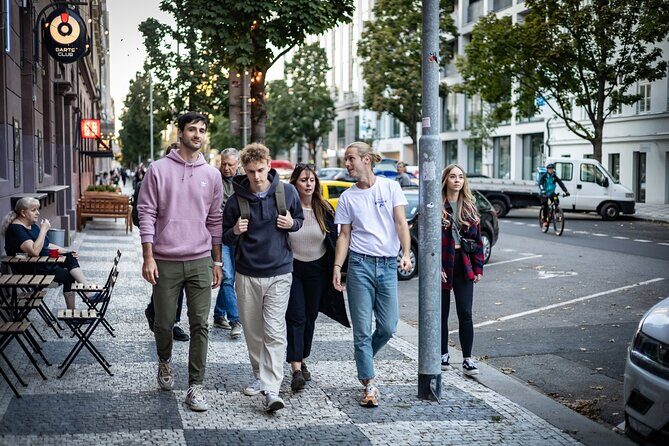
This is priced at $118.94 per person for an about 3-hour private tour. For Prague, that’s not the cheapest way to see highlights—but it’s strong value when you care about two things: asking questions and avoiding the “stand here for 8 minutes” feeling of group tours. Here, you’re with only your guide, so you can slow down for a detail you care about, or speed up when something doesn’t interest you.
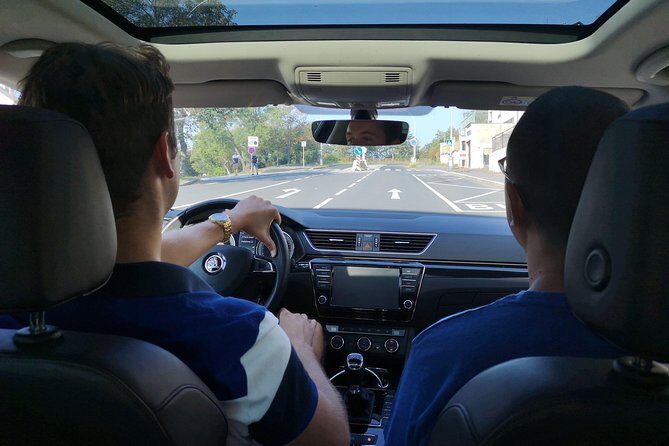
A small but real plus: you get a mobile ticket, and the walk starts and ends in major, easy-to-reach areas near public transportation. That matters because Prague can be confusing if you’re bouncing between far-flung spots on your own.
This also looks like a good fit if you book ahead. It’s often reserved about 43 days in advance, which usually means the best guides and time slots go early. If you want a specific day, I’d plan sooner rather than later.
You can also read our reviews of more walking tours in Prague



Wenceslas Square: the independence story you won’t get from photos
Your walk begins at the fountain in front of the National Museum area on Wenceslas Square. This is one of Prague’s headline locations, but the good part is what your guide does with it: you get the story behind the Czech Republic’s foundation and its declaration of independence from the Austrian monarchy.
Even if you’ve read a bit about Prague’s past, it helps to hear it in the same place the events symbolize. Standing on Wenceslas Square gives you a sense of scale—this isn’t a quiet backstreet. It’s a civic stage, and that tone shows up in the way history plays out in Czech memory.
If you like context, ask your guide how Czech national identity formed around culture, language, and independence. That kind of question tends to unlock the rest of the walk, because the later stops connect to this starting point.
The Statue of Saint Wenceslas: patron saint, bigger-than-life symbolism
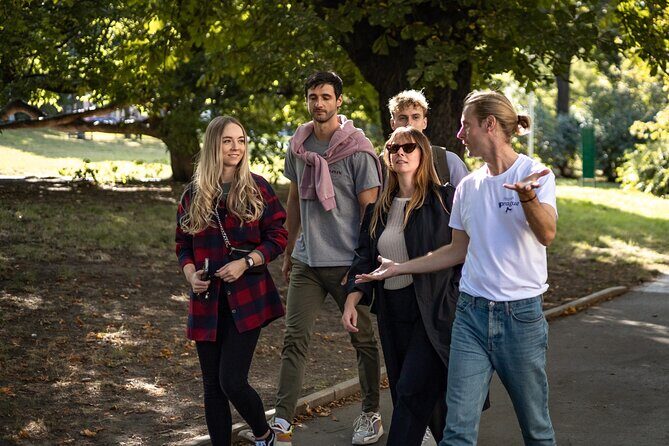
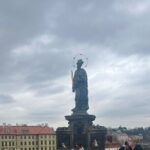
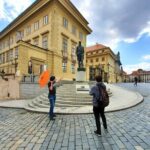
Next you’ll stop at the Statue of Saint Wenceslas, the Czech patron saint, at its biggest scale right on this route. Your guide explains the story behind him and why he matters here—so the statue becomes more than a landmark for selfies.
This is one of those stops that many tours rush past. The private format makes it easier to ask small follow-ups, like what people traditionally associate with Saint Wenceslas or how his story echoes through Prague’s public life.
And because this is a walk-on-the-street moment, it’s a good reset if you’ve been moving fast between sights. You can take a breath, listen, and let the meanings catch up to what you’re seeing.
Franciscan Garden: a quiet pocket from monastery days
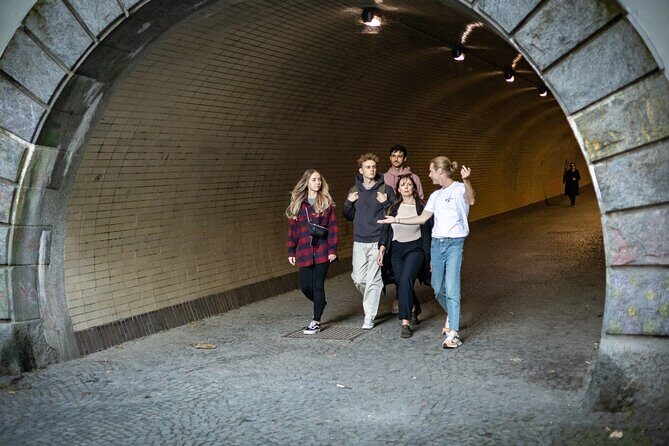
Then you get a rare change of pace: the Franciscan Garden. This monastery garden dates to the 14th century and has survived to this day, which gives the walk a sense of time layering—medieval roots in a modern city.
Your guide points out what to look for, including the real-world chance of seeing a Franciscan monk passing through. Even if you don’t catch anyone, the garden itself is the point. It’s an ideal stop when you want a moment that feels protected from the louder parts of central Prague.
Practical tip: gardens reward slow walking. If you’re the type who likes to take photos, this is also where you’ll want to pause your pace and focus on details—doorways, walls, and the feel of a place that has endured.
Vaclav Havel’s monument by the National Theatre: culture as identity
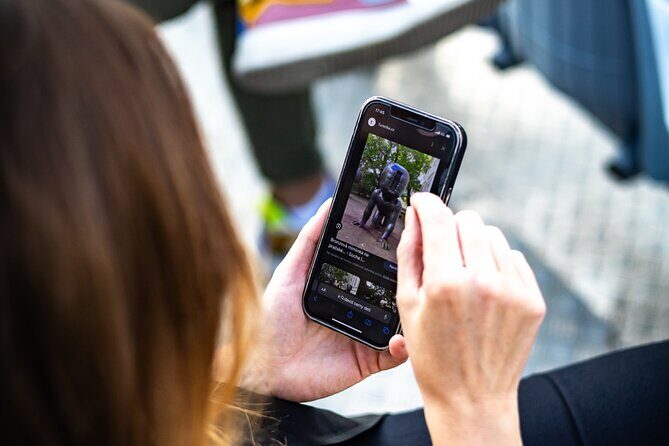
Your route continues toward the National Theatre area, where you’ll find the Vaclav Havel Heart Monument. Havel is the first Czech president, and the monument sits in a spot that’s closely tied to how Czechs built and defended cultural life as part of national identity.
This stop works because your guide ties the monument to the National Theatre’s role as a symbol of pride and expression. In other words, you’re not just learning facts—you’re learning why those facts matter in the Czech story.
If you’re interested in modern Czech politics but don’t want a classroom lecture, this is the sweet spot. It’s outdoor, approachable, and guided by a connection you can see with your own eyes.
You can also read our reviews of more private tours in Prague



Old Town Hall and the astronomical clock: how to read it
At Old Town Hall with the Astronomical Clock, your guide helps you make sense of one of the biggest headliners in Prague: the world’s oldest working astronomical clock.
Here’s the practical issue: it can be tricky to read. That’s not your fault. Clocks like this often hide meaning in small details—symbols, moving parts, and timing cues that are hard to interpret from a distance.
What you’ll get with a guide is a translation. You’ll hear how the clock works and what to look for so the spectacle feels readable, not random. If you love “how does it work?” moments, this is a prime stop. If you’re less into technical explanations, ask for the story version anyway—it’s the kind of clock where meaning often matters more than precision.
Charles Bridge: centuries-old construction stories on foot
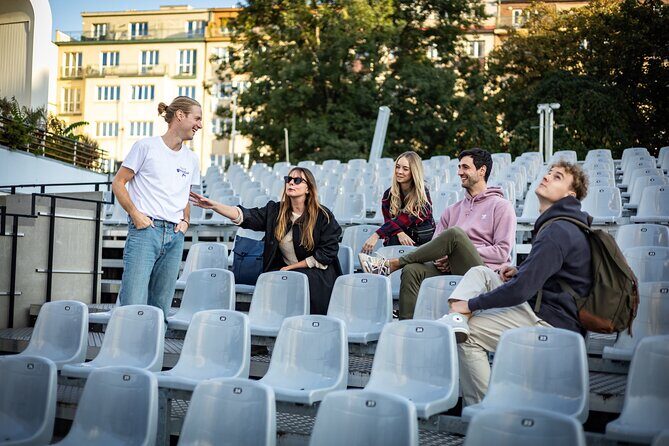
Your walk reaches Charles Bridge, one of the most historic spans in Prague. The hook here is not just that it’s famous, but that your guide shares the story of its construction and what makes it matter across centuries.
Walking the bridge at a guided pace helps you avoid two common problems: trying to squeeze in too many photos or drifting without knowing what you’re actually looking at. A good guide anchors you—so you understand why this bridge isn’t just a crossing, but a long-running piece of city identity.
You’ll likely appreciate this stop most if you enjoy hearing about the practical realities of building in past centuries: materials, effort, and why this bridge became such a central artery.
Kampa: a car-free island break with street-art character
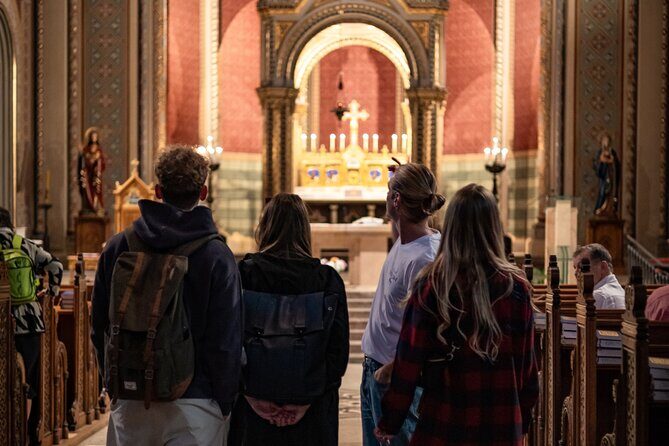
Next is Kampa, an island in the Vltava River that stays car-free, which alone changes the mood fast. Your guide frames it as a place with a peaceful atmosphere, beautiful architecture, and iconic street art.
This is a smart move in a 3-hour walk. The earlier parts are more about big civic landmarks and monumental meaning. Kampa shifts the energy toward everyday Prague—how people enjoy spaces between major sights, plus the creative street presence that makes modern Prague feel alive.
If you want a change of scenery—something calmer than the main central corridors—Kampa is exactly that. It’s also a place where you can look around without feeling rushed, which matters because the rest of the walk still moves.
Mala Strana: medieval lanes and alchemist mystery
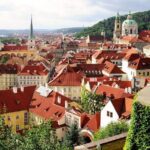
Then you’ll move into Mala Strana (Little Quarter), one of Prague’s most atmospheric areas. Expect narrow, winding medieval lanes lined with red-roofed houses, often marked by medieval house signs.
What makes Mala Strana especially fun in a guided walk is the atmosphere plus the story thread: these lanes once hid the laboratories of alchemists, giving the area a layer of mystery that fits the architecture and legends.
This stop tends to land well with people who want more than just famous monuments. If you love old streets, signs, and the feeling that Prague carries secrets in its corners, you’ll enjoy this section.
Practical angle: narrow lanes can mean less space to pause. If you’re traveling with someone who needs frequent breaks, tell your guide early. A private guide can shift how long you stop at each turn so you don’t feel squeezed.
Hradcany side finish: Hradcanske Namesti and the “where it began” feeling
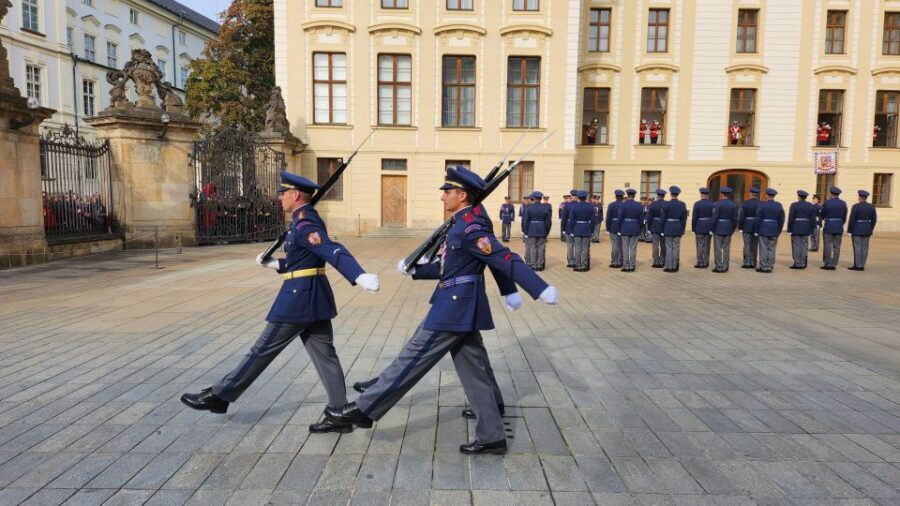
Your walk ends at Hradcanske Namesti—the square of Prague Castle. It’s been watching Czech history unfold for over a thousand years, and the guide helps you see it as more than a dramatic backdrop.
This ending matters because the first part of the walk is about foundations, independence, and identity. Ending by Prague Castle keeps the theme going—power, culture, and continuity across time.
If you like to end with a strong viewpoint, this does it. Even without stepping deep into indoor spaces, the square gives you that big, final “now I get Prague” perspective.
Practical value tips: how to get more from the 20-minute stop rhythm
Most stops here are around 20 minutes, and the timing is part of the design. You get a steady flow of different neighborhoods, with a guide offering context fast enough to keep you interested, but not so fast that you miss meaning.
Here’s how to make the most of it:
- Wear walking shoes. Prague sidewalks can be uneven, and you’ll be on the move for the full 3 hours.
- Bring a few questions in your pocket. Even simple ones—like how Czech identity shows up in monuments—help your guide tailor answers.
- If you care about photos, ask your guide when to stop for the best angle. Since you’re private, you can time pauses to the story moment, not just the view.
- Expect mostly free-entry sightseeing moments. That keeps the tour focused on what you see rather than ticket queues (though some sites may still require careful viewing from outside).
Also, since this is offered in English and listed as private for only you and your guide, you can ask for clarification without worrying about slowing down a group.
Who this tour is best for (and who might prefer a different format)
This private Prague walk is a great match if you’re:
- A first-timer who wants a guided route that includes Mala Strana and Kampa, not only the most obvious center
- Someone who asks lots of questions and likes answers tied to real places
- A couple or small group that values pacing control over ticking off every major stop
It may be less perfect if you:
- Want long inside visits with lots of time in museums or multiple major attractions
- Have limited mobility and need long seated breaks—this is still a walk-focused experience
The good news is the tour says most travelers can participate, and the stop durations are short enough to manage energy for many people. Still, comfortable shoes are the simplest “yes” you can bring.
Book it or skip it? My take
I’d book this private walk if you want Prague with guidance that actually explains what you’re seeing—and you want the freedom to ask questions. The biggest value is the private format combined with a route that reaches places like Mala Strana and Kampa, where Prague feels more lived-in than just landmark-bright.
I’d hesitate only if you’re hoping for a long, stop-and-stay deep dive at one major attraction. This walk’s strength is momentum plus context, not extended indoor time.
FAQ
What’s the duration of the private Prague walk?
It’s approximately 3 hours.
How much does the tour cost?
The price is $118.94 per person.
Is this a private tour or a group tour?
It’s a private tour, meaning it’s just you and your local guide.
Where does the tour start and end?
It starts at the fountain in front of the National Museum on Mezibranská 23 (Nové Město area) and ends at Hradcany Square (in front of the Prague Castle).
Is the tour offered in English?
Yes, it’s offered in English.
Are there admission tickets for the stops?
The stops listed are marked as free admission ticket.
How do I receive my ticket?
You’ll get a mobile ticket.
Can I cancel for a full refund?
Yes. Free cancellation is available up to 24 hours in advance for a full refund.