REVIEW · PRAGUE
Small-Group World War 2 & Operation Anthropoid Tour in Prague
Book on Viator →Operated by McGee's Trips & Tickets · Bookable on Viator
Prague turns dark fast. This small-group, 3-hour walk through WWII-era Prague connects major events like the assassination of Reinhard Heydrich to street-level locations you can actually stand in front of. I like how the route focuses on real buildings and corners instead of just talking in theory, and I also love that a guide keeps the pace moving so you’re not wandering around lost in a part of town you might only know from photos. One caution: the subject is heavy, and you’ll spend a fair amount of time on your feet.
If you’re lucky enough to get a top storyteller like Daniel or Allen, the history lands. You’ll hear the lead-up to the Nazi takeover, what daily life became under occupation, and how the resistance tried to strike back—culminating in the St Cyril and Methodius area and the crypt tied to the Heydrich terror. The main drawback is that some stops are short and mostly explanatory—so if you’re hunting for giant “wow” sights at every turn, you may feel the walk is more about context than scenery.
In This Review
- Why Operation Anthropoid Fits Prague So Well
- Key Stops and Moments That Make This Tour Worth It
- Meeting in Old Town: How the 1:30 Start Works in Real Life
- From WWI Fallout to Hitler’s Rise: Setting the Stage at U Budovce
- Sudeten Party to Protectorate: What Munich Changed (and What It Cost)
- Staroměstská radnice and the Prague Uprising After 1945
- Celetná Street: The 17 November 1939 Crackdown and Heydrich’s Turning Point
- Melantrichova: Exiled Government, Operation Benjamin, and Resistance Hideouts
- Baťa Department Store Display and the Material Evidence After Heydrich’s Assassination
- Wenceslas Square to Lidice: Reprisals You Can’t Forget
- Esplanade Hotel: A Nazi Favorite in Prague
- Petschek Palace: Gestapo Headquarters and the Betrayal That Broke the Case
- Vodičkova and Karlovo náměstí: Unsuccessful Covert Ops and 1945 Bombing
- St Cyril and Methodius Cathedral plus the Heydrich Terror Crypt
- Price and Value: What $33.88 Buys You in Prague
- When This Tour Feels Like a Great Fit (and When It Might Not)
- Should You Book This WWII and Operation Anthropoid Tour?
- FAQ
- How long is the tour?
- What language is the tour offered in?
- Where does the tour start and end?
- Is St Cyril and Methodius included?
- Does the tour include food or drinks?
- What’s the group size limit?
- Is the tour suitable for children?
Why Operation Anthropoid Fits Prague So Well
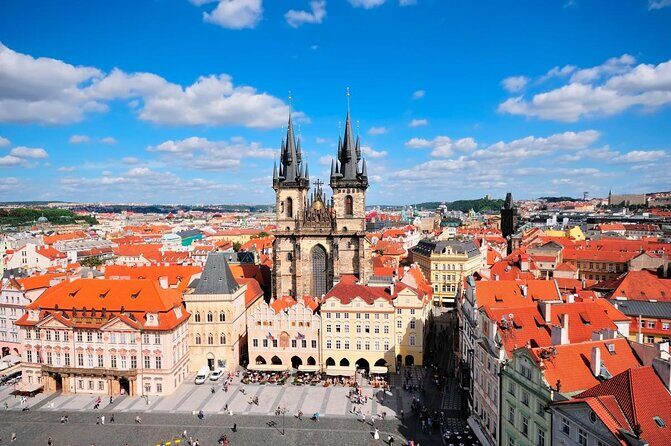
This tour is built around a single question: how did Prague become one of the most important stages of WWII resistance? You don’t just get the headline about Operation Anthropoid. You get the chain of events that made it possible—political pressure after WWI, the Protectorate period under Nazi control, and the atmosphere of fear that followed Heydrich’s rise.
Then you see what that fear looked like in Prague’s real spaces: where students were punished, where resistance figures hid, where objects tied to the assassination were shown, and where Nazi power operated. The story isn’t framed as distant tragedy. It’s framed as cause and effect, building toward the moment when the occupiers’ violence triggered further reprisals like the destruction of Lidice.
Key Stops and Moments That Make This Tour Worth It
- Operation Anthropoid context, not just trivia, with the exiled government in London and earlier covert efforts
- A real resistance hideout connection tied to Josef and Marie Svatoš
- Nazi fear made physical, from Gestapo headquarters to memorials and a crypt
- Lidice and Prague’s reprisals, told with the right time and place in mind
- Short, efficient walking blocks that fit a busy day in central Prague
You can also read our reviews of more tours and experiences in Prague.
Meeting in Old Town: How the 1:30 Start Works in Real Life
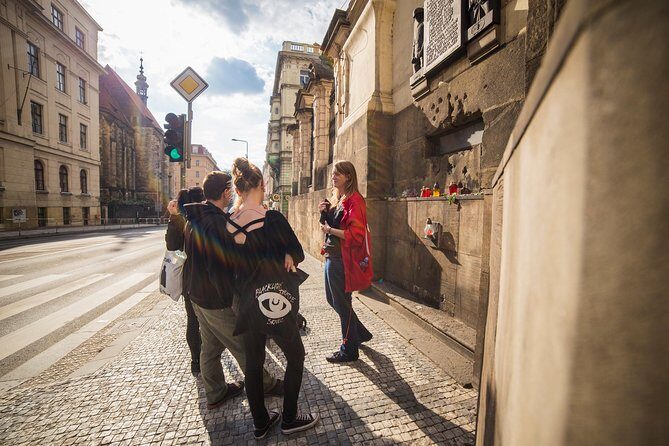
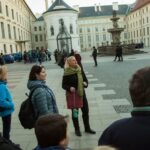
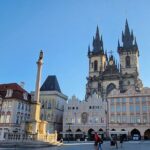
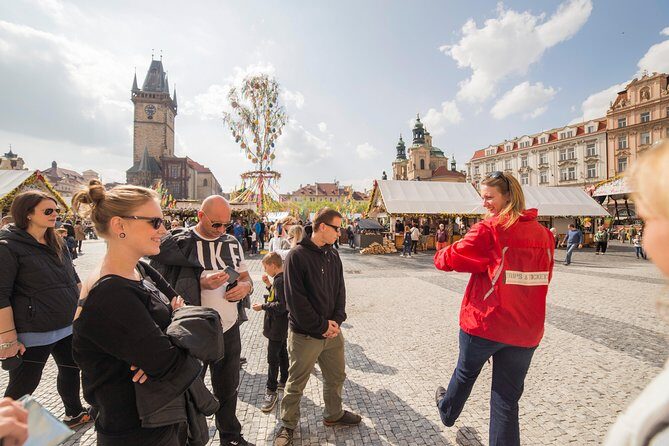
You meet in central Prague outside Mcgee’s Trips & Tickets at Týnská 627/7, Staré Město (Old Town). The start time is 1:30 pm, and the tour runs about 3 hours. In practice, this timing is handy. You can do a morning of lighter sightseeing—old squares, a museum, a coffee break—then come back for the weightier material with fresh energy.
Small-group size matters here. This tour caps at 30 travelers, which keeps the walk manageable and makes it easier to hear your guide over street noise. It also helps if you like asking questions as you go.
One practical tip: plan to arrive a few minutes early. The tour starts outside, and you’re jumping right into the story from the first stop.
From WWI Fallout to Hitler’s Rise: Setting the Stage at U Budovce
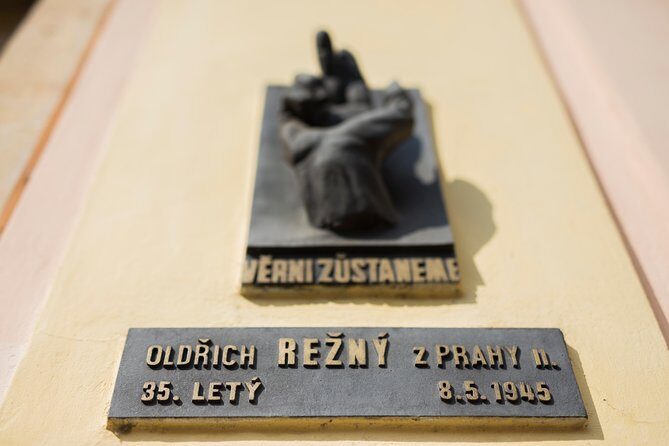
Stop 2 is where the tour earns its “why it happened” label. You start by tracing the aftermath of WWI—things like the Treaty of Versailles, the reshuffling that created new nations (including Czechoslovakia), and the economic chaos that followed. You’ll also hear about inflation, the Great Depression, and how nationalism gained ground.
This isn’t meant to turn into a lecture you can’t use. It matters because it explains why the Nazi takeover wasn’t just one sudden evil act. It was supported by instability and political momentum.
If you’ve never connected Prague’s modern history to the wider European timeline, you’ll probably appreciate this part. It gives you a framework, so later stops about the Protectorate and resistance don’t feel random.
Sudeten Party to Protectorate: What Munich Changed (and What It Cost)
Near Stop 3, you move into the Munich Agreement era and the Protectorate of Bohemia and Moravia. The focus is on how political choices shaped occupation reality on the ground.
This is one of those moments where Prague’s architecture helps you “see” history. Even when a building doesn’t look like an WWII artifact, the location anchors the story. You’re not just reading about a policy; you’re standing where the consequences became daily life.
This segment is short—just enough to point you toward the next phase: the arrival of tighter Nazi control and the turning of Prague into a managed, monitored city.
Staroměstská radnice and the Prague Uprising After 1945
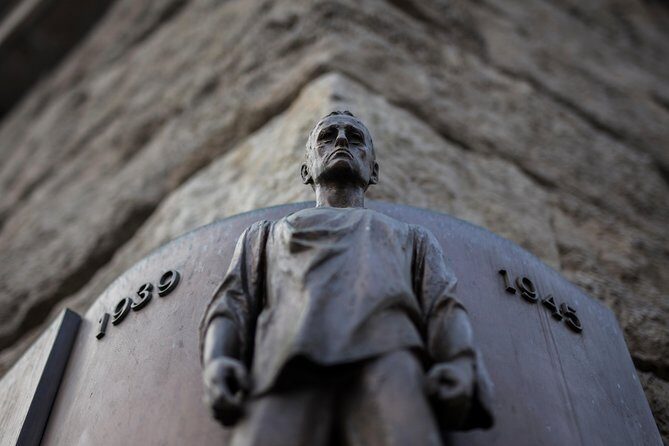
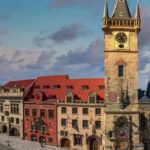
Stop 4 brings the story forward to the Prague Uprising. You’ll see the wing of the Old Town Hall destroyed during the fighting in 1945, and your guide ties it to what everyday life looked like under occupation.
Even if you know the uprising as a general concept, I like how this stop keeps it grounded. The tour doesn’t treat 1945 as a clean ending. It shows it as a payoff after years of oppression—and a reminder that liberation came with its own damage.
The lesson you take away: the occupation period didn’t end quietly. It ended through conflict and risk, just as earlier resistance acts were driven by urgency and desperation.
Celetná Street: The 17 November 1939 Crackdown and Heydrich’s Turning Point
Stop 5 (Celetná Street) is one of the sharper, more emotionally difficult segments. You’ll hear about 17 November 1939, the execution of Czech students, and the closure of Czech universities. Then the story shifts to Konstantin von Neurath and how the country became fully pulled into the Third Reich.
The real pivot comes with Reinhard Heydrich’s appointment on 27 September 1941. The guide frames it as a turning point that leads directly into what happens later with the resistance and Operation Anthropoid.
This is a good stop for anyone who wants a clearer sense of how Nazi control tightened over time. You’ll also get the feeling—without the guide needing to say it—that repression wasn’t only about punishment. It was also about control of knowledge, education, and future leaders.
Melantrichova: Exiled Government, Operation Benjamin, and Resistance Hideouts
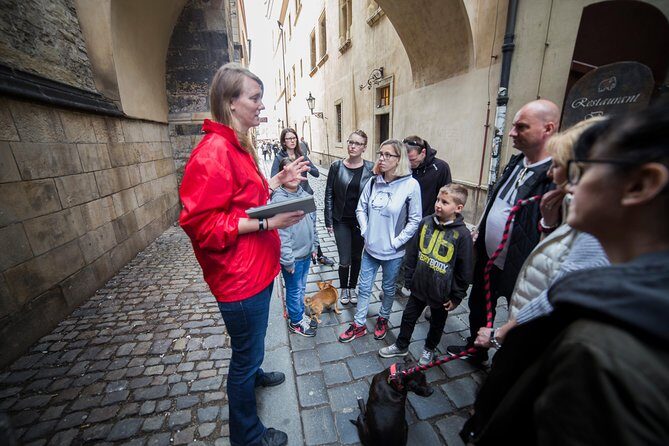
Stop 6 is where Prague stops feeling like a stage set and starts feeling like an active network. You’ll hear about the exiled government in London and earlier covert efforts connected to the operation story—including Operation Benjamin and the code names Silver A and Silver B.
Then you connect that world to a specific residential site: the building connected to the apartment of Josef and Marie Svatoš, a place tied to resistance hiding.
This is one of the reasons I think guided history works so well in Prague. The city can look calm from street level. But once you attach names to addresses, the past becomes far more real.
The drawback? You’ll probably be taking in a lot through explanation rather than sight. Still, if you care about how resistance networks worked, this is a highlight.
Baťa Department Store Display and the Material Evidence After Heydrich’s Assassination
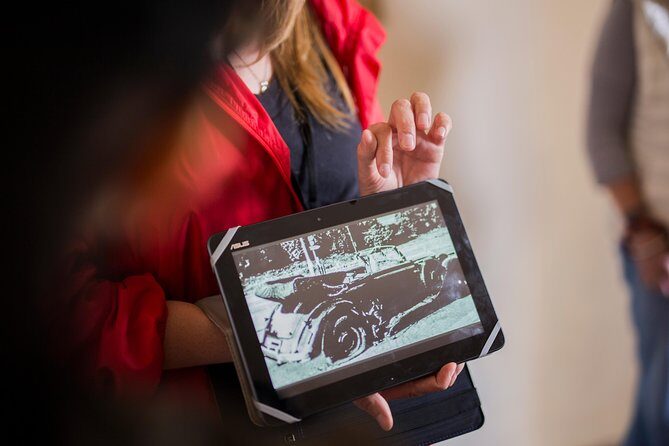
Stop 7 takes you to the Baťa Department Store, used to exhibit objects found at the scene of Heydrich’s assassination. That means this isn’t just moral history. It’s also about Nazi messaging—showing evidence, controlling narrative, and turning the aftermath into propaganda.
When the guide explains what was shown and why, the stop clicks. It helps you understand that the assassination didn’t just cause chaos; it triggered a chain of public intimidation and private terror.
Even if you wish there were more visible remnants, this stop does its job: it explains why this kind of place would matter in 1942.
Wenceslas Square to Lidice: Reprisals You Can’t Forget
At Stop 8, you stand in the atmosphere of a major Prague public space—Wenceslas Square—and you hear the tragic story of Lidice. You’ll learn that on 10 June 1942, around 10 am, men were executed and women were sent to concentration camps, and that Lidice ceased to exist.
This is exactly the kind of moment where a guide earns their fee. Without context, a public square is just stone and traffic. With context, it becomes a witness.
If you’re sensitive to emotionally heavy history, this is where you may want to pause, breathe, and let the story land at your own pace.
Esplanade Hotel: A Nazi Favorite in Prague
Stop 9 is brief but useful: the Esplanade Hotel Prague, described as a favorite hotel of the Nazis during the occupation.
This type of stop is easy to dismiss. But I like it because it shows something uncomfortable and practical: occupying powers don’t only occupy buildings of terror. They also live, plan, and socialize within normal-looking settings.
That contrast is part of what makes this tour feel different from a museum-only approach.
Petschek Palace: Gestapo Headquarters and the Betrayal That Broke the Case
Stop 10 is the big fear stop. You’ll visit Petschek Palace, described as a Gestapo headquarters where Czechoslovakians were interrogated, tortured, and killed in the thousands.
Then you hear about Karel Čurda entering the building on 16 June 1942—a betrayal that became a turning point in the search for Heydrich’s assassins.
This is where the tour stops being a story about heroism and becomes a story about cost. Resistance wasn’t only bravery. It was also vulnerability—people under pressure, secrets that could be sold, and operations that depended on trust.
It’s also one of the clearest examples of why the guide’s narrative structure matters. Without a timeline, these names and dates can blur. With the guide, they snap into place.
Vodičkova and Karlovo náměstí: Unsuccessful Covert Ops and 1945 Bombing
Stop 11 takes you along Vodičkova and connects you to two covert, unfortunately unsuccessful operations: Tin a Bioscop. Short stop, but it adds realism. Not every plan worked. Resistance history isn’t only the successful endgame you might remember from headlines.
Stop 12 at Karlovo náměstí covers the bombing of Prague in 1945. Here you get the reminder that even in a city famous for preservation, war still reached in—through destruction and fear.
This pair of stops also helps you read the city differently. Instead of thinking of Prague as frozen in time, you start seeing it as a place that endured threat while staying visually beautiful.
St Cyril and Methodius Cathedral plus the Heydrich Terror Crypt
Stop 13 and Stop 14 are what you’ll probably remember the longest.
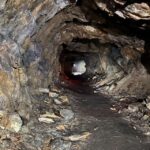
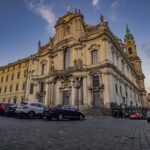
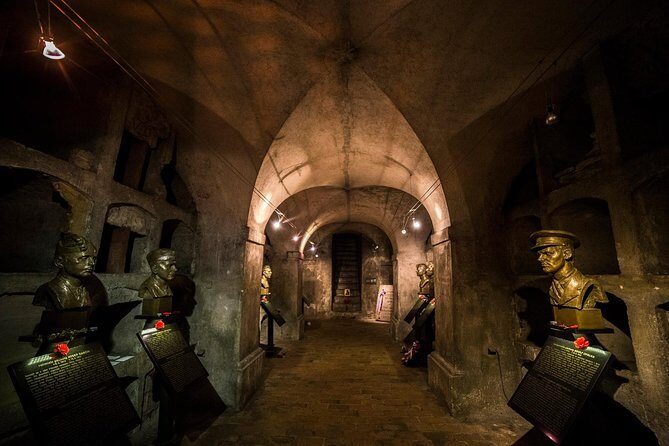
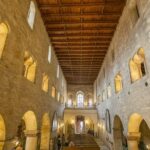
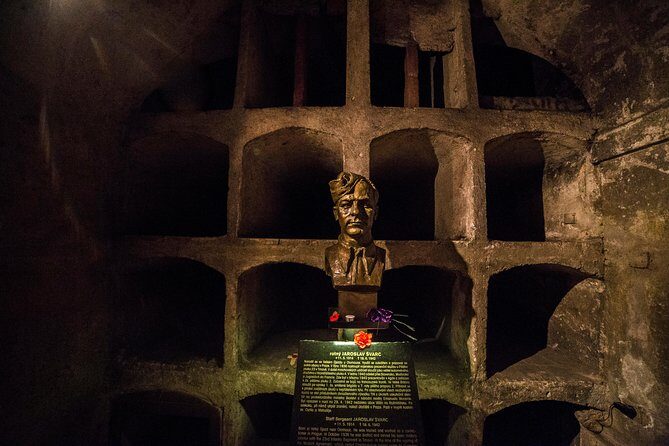
First, you visit St Cyril and Methodius Cathedral with your guide (this part has admission included). Then you end at the National Memorial to the Heroes of the Heydrich Terror, including access to the crypt where the Czech paratroopers paid the ultimate price.
These are not just photo stops. The setting is emotional by design, and the tour’s final stretch has a quieter feel. This is where the earlier street-level facts—dates, names, operations—become meaning.
If you’ve ever felt history was too abstract, this ending can change that. It turns the story from something you heard into something you experienced in a space built for remembrance.
Price and Value: What $33.88 Buys You in Prague
At $33.88 per person for about 3 hours, this tour sits in the budget-friendly range, especially for a WWII-focused walk with guided visits. The big value isn’t just the price. It’s what you get for it:
- A route that hits multiple key WWII-linked areas in central Prague without you needing to research each address
- A guided explanation that makes short stops meaningful instead of confusing
- Included admission for the cathedral and the memorial crypt
- An English-language guide, and a small-group format that supports questions
One thing to keep in mind: the tour is built around walking and standing with frequent explanation. If you’re only in Prague for one afternoon and you want a low-effort, high-scenery outing, this won’t be that.
But if you want one solid hit of Prague’s WWII story—Operation Anthropoid, Heydrich, Lidice, and the resistance aftermath—this is strong value.
When This Tour Feels Like a Great Fit (and When It Might Not)
I’d book this tour if you fall into any of these groups:
- You want WWII history that stays anchored in Prague’s actual geography
- You like stories with names and dates, not just general background
- You’re short on time and want a route that stays efficient and logical
- You’re okay with heavy material and prefer a respectful tone over entertainment
I’d think twice if:
- You’re expecting many long museum-style stops with lots of objects to see
- You need everything to be light and scenic
- You get impatient when a guide spends time explaining context rather than moving nonstop
Also, this tour isn’t recommended for small children. The topic is tied to occupation, executions, torture, and reprisals. Children up to age 6 are free, but they still need to be with an adult, and the overall tone is serious.
Should You Book This WWII and Operation Anthropoid Tour?
Yes—if your goal is to understand Prague’s WWII story in a way that connects headlines to places. This tour gives you a clear thread from WWI fallout through the Protectorate period, then into resistance action and the Heydrich assassination aftermath, with an ending at the memorial and crypt that makes the whole walk feel complete.
Book it if you like asking questions and following a guide who can connect street-level details to a timeline. Skip it only if you need constant visual payoff or you want a gentler theme.
If you’re visiting in a busy season, I’d also consider booking ahead. It’s often scheduled about a month ahead on average, and the subject matter draws serious history fans.
FAQ
How long is the tour?
It runs for about 3 hours.
What language is the tour offered in?
The tour is offered in English.
Where does the tour start and end?
It starts at Týnská 627/7, Staré Město, Prague 1, and ends at the Orthodox Cathedral of Saints Cyril and Methodius, Resslova 9a, Prague 2 (New Town).
Is St Cyril and Methodius included?
Yes. The tour includes a guided visit to St Cyril and Methodius Church/Cathedral, with admission included.
Does the tour include food or drinks?
No. Food and drinks are not included.
What’s the group size limit?
The tour has a maximum of 30 travelers.
Is the tour suitable for children?
It includes historical facts connected to WWII, so it is not recommended for small children. Children up to 6 are free of charge, but children must be accompanied by an adult.