REVIEW · PRAGUE
Terezin Concentration Camp Day Tour from Prague
Book on Viator →Operated by Cedok · Bookable on Viator
A quiet town with loud history. This Terezín day tour uses an expert guide and narrated pacing to turn big WWII facts into something you can actually follow. I like the way the trip starts in Prague with context, then moves you through the key places connected to Jewish prisoners under Nazi rule. Terezín Memorial also gives you a real place to pause, not just a quick stop-and-go photo moment.
You’ll also get the practical win of a coach ride and organized guide-led visits, so you’re not hunting buses or timing transfers on your own. Depending on your guide team, you may even hear names like Petr or George mentioned in the sort of storytelling that makes the day feel focused and human.
One thing to watch: the schedule can feel fast and intense, with limited free time for lingering at certain stops. If you prefer slow reflection (or you need more time to read exhibits), plan for a brisk pace and pack smart—especially for heat.
In This Review
- Key things to know before you go
- Terezín from Prague: why this day trip hits so hard
- Meeting point and the 12:15 start: simple logistics that save stress
- Coach ride context: the fastest way to understand what you’ll see
- Terezín’s fortresses and memorial grounds: what your guided walk is really doing
- The memorial stop: where you slow down and reflect
- Visiting the main sites: fortress context and the ghetto story
- The exhibits: what to focus on so you don’t miss the point
- Pacing and comfort: why the day can feel intense
- Price and value: is $78.70 a fair deal?
- Language and guide style: what to expect in English
- Who this tour suits best (and who should rethink it)
- Practical packing checklist for a heavy day
- Should you book the Terezín day tour from Prague?
- FAQ
- How long is the Terezín Concentration Camp day tour from Prague?
- What is the price per person?
- Where do you meet in Prague?
- What time does the tour start?
- Is the tour in English?
- How many people are in a group?
- What’s included in the tour price?
- Is food included?
- Is hotel pickup provided?
- Is free cancellation available?
- Is this tour suitable for children?
Key things to know before you go
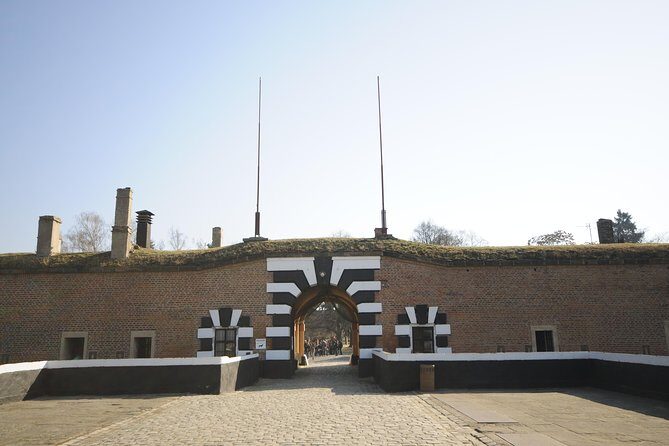
- Narration matters: you’ll get guided explanations designed to connect each place to what happened there.
- Terezín Memorial time: you’ll visit the memorial area with educational exhibits and space to pay respects.
- Coach convenience: transport is handled from Prague and you return to the same meeting point.
- Small-group feel: the max group size is 29, which helps the guide keep track of you.
- Expect intensity: this is an emotional Holocaust-related visit, and it’s not set up as a casual stroll.
- Bring your own comfort: the day can involve a lot of walking with few breaks.
Terezín from Prague: why this day trip hits so hard
Terezín isn’t one of those places where you show up for the scenery. It’s a former fortress town that starts as a protective project for Prague and ends up as a Jewish ghetto and concentration-camp site during Nazi occupation. That shift—from defense of a city to destruction of people—creates a built-in tension you feel as soon as you arrive.
What I value about this kind of tour is the structure. A good guide doesn’t just list dates. They connect the why behind the place: who was brought in, what the conditions were like, how prisoners were processed, and how propaganda worked. Even if you know the Holocaust broadly, Terezín has its own story and its own “shape,” and a narrated day helps you follow that without getting lost.
You can also read our reviews of more tours and experiences in Prague.


Meeting point and the 12:15 start: simple logistics that save stress
The tour starts at Náměstí Republiky 1037/3 in Prague 1 (Nové Město). Start time is 12:15 pm, and the tour ends back at that same meeting point.
This matters more than it sounds. A set pickup point means you can focus on the day instead of playing transport roulette. It also means you can plan your morning without guessing. If you’re staying in Prague’s center, this is one of the easier day-trip setups compared with “get to the station first” tours.
Also keep in mind it’s a mobile ticket situation. Make sure you can access it quickly on your phone before you meet the group.
Coach ride context: the fastest way to understand what you’ll see
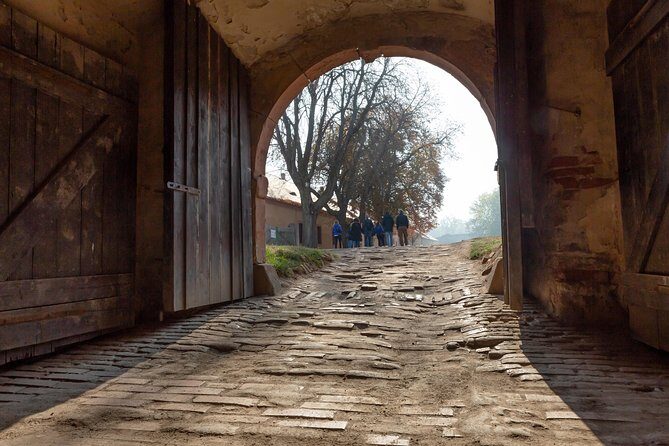
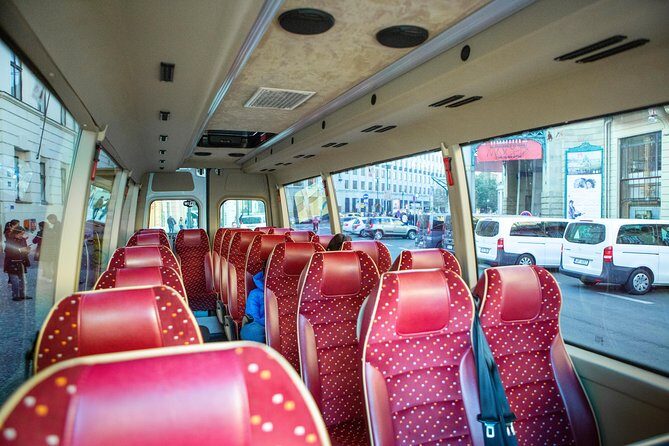
You’ll board an air-conditioned coach in Prague, and the journey is part of the learning. Expect the guide to give running context while you’re on the way, so when you step into the fortress complex and memorial spaces, you’re not staring at stone and wondering what you’re supposed to notice.
This is where the day’s value often lives. Without context, Terezín can feel like “just another memorial complex.” With context, you start recognizing the logic of the layout and the historical purpose of the sites you’re walking through.
One small caution: the delivery style can vary by guide. Some groups describe the narration as very continuous during the ride, which can be a lot if you prefer shorter segments and more back-and-forth questions. If you like to process in silence between stops, plan to take breaks during the walk breaks you’re given.
Terezín’s fortresses and memorial grounds: what your guided walk is really doing
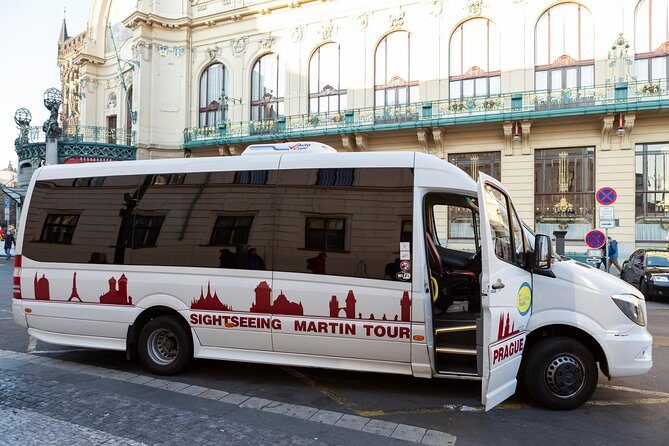
Once in Terezín, the visit is built around guided walking and explanation. The core feeling you should expect is gravity—this place is designed for remembrance. But the tour format also tries to prevent you from turning the visit into a checklist.
Your guide is meant to help you retrace the story of Jewish prisoners during Nazi rule, including the tragic realities of how people were held and used. The key is that you’re not just “viewing,” you’re learning how the system worked.
The memorial stop: where you slow down and reflect
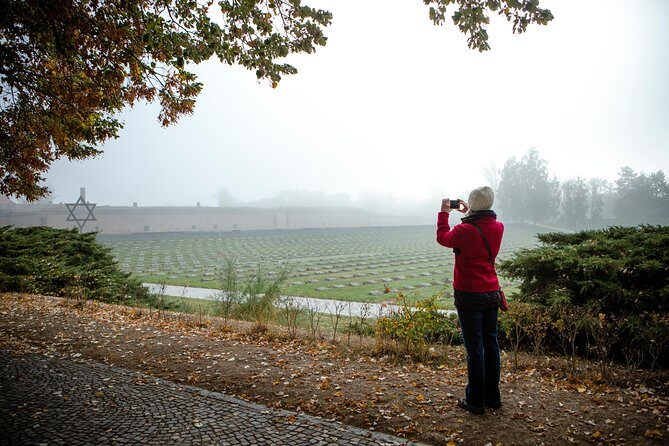
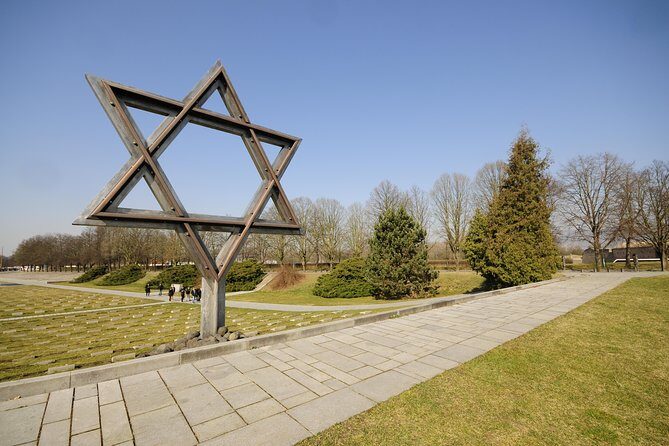
The tour includes time at the Terezín Memorial, which is the only institution of its kind in the Czech Republic. Here, you’ll have educational exhibits and a place to pay homage to the thousands of victims.
This portion is where many people feel the tour changes from information to remembrance. It’s also the part where you benefit most from a respectful pace—reading, looking closely, and letting the meaning land. Several guides described in the tour feedback (including names like Petr and Peter) are noted for emotional yet respectful storytelling, which can make the memorial visit feel more human and less like a history lecture.





Visiting the main sites: fortress context and the ghetto story
In practice, the tour flow typically moves through fortress areas that connect to the ghetto and prisoner experience. Some route descriptions include the small fortress and the big fortress (including museum time in the ghetto area), then later continuation toward the cemetery/crematorium area.
That sequence matters: it follows the path from imprisonment structures to the broader reality of deportations and killing. If your day feels like it’s moving fast, it’s often because the tour is trying to cover multiple “chapters” in one day.
A fair heads-up from real experience: not everyone leaves feeling they had enough time at every location. If you’re the type who wants to sit on a bench and fully read every panel, you may have to make peace with limited free time.
The exhibits: what to focus on so you don’t miss the point
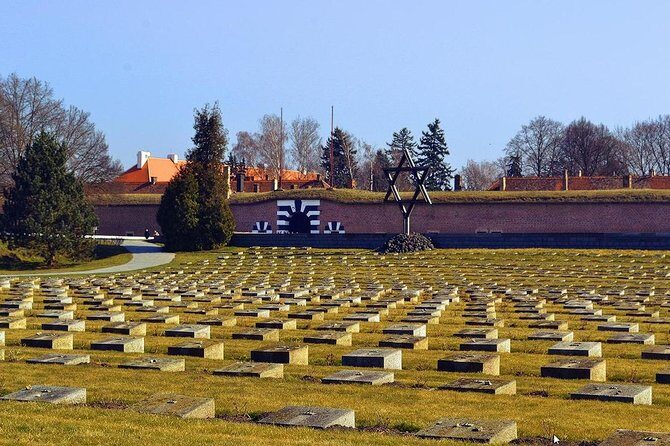
When you reach the memorial exhibits, don’t try to read everything. Instead, pick a few things and go deep.
Here’s what tends to pay off:
- Look for how names, objects, and documents explain daily life rather than only big events.
- Watch for the way the museum frames propaganda and deception, because Terezín is known for Nazi efforts to manipulate perceptions.
- Use the guide’s framing as your map: when they point out what matters, follow their eyes and then check the matching exhibit area.
If you’re short on time at the museum, don’t panic. The guide-led explanation you get earlier can help you understand what you’re seeing, even if you can’t linger as long as you’d like.
Pacing and comfort: why the day can feel intense
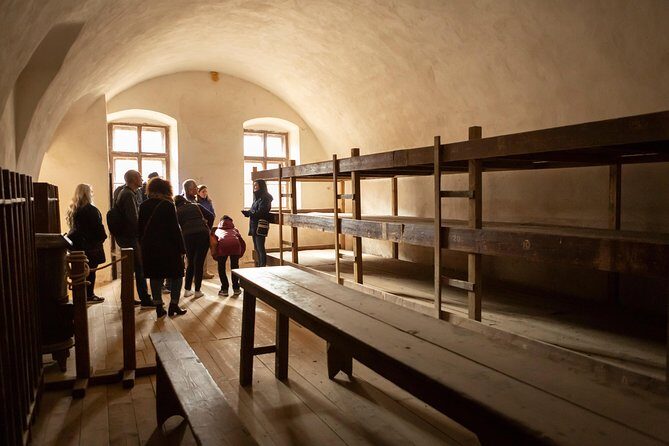
This is a common pattern on Holocaust-related memorial tours: the content is heavy, and the walking adds pressure. Even with a short drive from Prague (around an hour depending on traffic), you should plan as if you’ll be on your feet for most of the day.
Based on the kind of feedback the tour receives, people often mention these pinch points:
- not many long breaks
- not much time to stop and reflect at certain sites
- a schedule that can feel more regimented than you’d expect
So I’d recommend you treat comfort like part of the preparedness plan:
- Bring your own water and snacks (food isn’t included unless specified, and breaks can be limited).
- Wear shoes you can walk in for hours, not just for a city stroll.
- Bring a small layer in case it’s hot or the air feels dry on the bus ride and then shifts outside.
If heat is an issue for you, plan accordingly. Some people describe the day as extremely hot, and when you’re moving between sites, you’ll feel it.
Price and value: is $78.70 a fair deal?
At about $78.70 per person for an approximately 6-hour outing, this isn’t a bargain, but it often lands in the “reasonable” category for what you get.
Here’s why the price can make sense:
- You get guided narration from an expert guide.
- You get coach transport that spares you the hassle of figuring out public transport.
- You get admission ticket included for the main memorial time.
- The max group size is 29, which helps keep the day organized.
Where you should be honest with yourself: you’re paying for structure and interpretation. If you’re the type who wants lots of quiet time alone with exhibits, or you want very deep museum reading, this specific format may not deliver maximum “slow time.” In that case, you might still book—just go in knowing you’ll be guided through key points rather than roaming freely.
Language and guide style: what to expect in English
The tour is offered in English, and that’s a major plus for Prague visitors. But guide delivery can still vary.
Some groups describe briefings being handled in multiple languages (for example, English plus French) which can affect the timing of when you’re told to look at something versus when you’ve already walked past it. This is more of a practical rhythm issue than a deal-breaker, but it’s worth noting.
My advice:
- Show up a little early so you’re not rushing into the first instructions.
- If you’re sensitive to pace, choose this tour earlier in your planning so you’re not exhausted already from a long day of sightseeing.
Also, the guide range can be a big part of your satisfaction. People mention guides like Petr, Peter, George, Oleg, and Helen, each praised for knowledge and passion. While you can’t guarantee a specific guide, this kind of tour often lives or dies by the person leading it.
Who this tour suits best (and who should rethink it)
This tour is best for adults who want a guided, structured understanding of Terezín’s role in WWII and the Holocaust. One tour feedback line calls it a must for adults rather than a children-focused visit.
It’s also a good fit if you:
- enjoy learning on a schedule (instead of wandering at your own pace)
- want the coach logistics handled
- want to understand how the story connects across multiple sites
It may be less ideal if you:
- need lots of unstructured reflection time at each stop
- get overwhelmed by intense, fast-moving museum schedules
- dislike lectures that run continuously for long stretches
If you land in that second group, don’t write it off. Just plan to balance it with quieter time afterward in Prague.
Practical packing checklist for a heavy day
Here’s what I’d bring so the day stays manageable:
- A refillable water bottle
- Simple snacks if you’re prone to getting hungry on the move
- Comfortable shoes with solid grip
- A light layer for temperature swings
- A phone battery pack (you’ll use your mobile ticket)
If you know you’ll want to sit longer in the memorial spaces, consider bringing something small for comfort (like a light cushion). You can keep it compact.
Should you book the Terezín day tour from Prague?
Yes—if your goal is guided understanding and respectful remembrance without transport stress. This is the kind of outing that many people consider a must-do when they want to take European WWII history seriously and in context.
Book it if you can handle an intense, information-packed format and you’re willing to move between sites on a set schedule. Bring water, wear comfy shoes, and give yourself permission to feel whatever comes up at the memorial.
Skip it or look for a different format if you need lots of slow, quiet time inside museums and cemeteries, or if you’re not comfortable with an emotionally heavy day.
FAQ
How long is the Terezín Concentration Camp day tour from Prague?
It runs about 6 hours (approx.).
What is the price per person?
The price is $78.70 per person.
Where do you meet in Prague?
The meeting point is Náměstí Republiky 1037/3, 110 00 Praha 1-Nové Město.
What time does the tour start?
Start time is 12:15 pm.
Is the tour in English?
Yes. The tour is offered in English.
How many people are in a group?
The tour has a maximum of 29 travelers.
What’s included in the tour price?
Included are an air-conditioned vehicle, a professional guide, and the admission ticket for the memorial stop. It also includes transportation back to the original meeting point.
Is food included?
No. Food and drinks are not included unless specified.
Is hotel pickup provided?
No. Hotel pickup and drop-off are not included.
Is free cancellation available?
Yes. You can cancel for a full refund up to 24 hours before the experience start time.
Is this tour suitable for children?
The tour is described as most suitable for adults rather than a children-focused outing (some feedback specifically notes it is not a children under 16 type tour).