REVIEW · PRAGUE
Wine Tasting Day Trip from Prague to Melnik
Book on Viator →Operated by Explore Prague · Bookable on Viator
Prague day trips that actually feel different are rare. This one takes you to Mělník, a royal dowry town where you tour a chateau and taste Bohemian wines in medieval cellars. I love the small-group feel and the way the day blends wine with real place history. One possible drawback: if the chateau’s tasting isn’t available at the last minute, your schedule can shift and the day may feel less like a true wine-focused “plan.”
You also get an unforgettable contrast with the St. Peter and St. Paul Ossuary, which is famous for being one of the Czech Republic’s largest. I like that you go beyond Prague landmarks and learn why Mělník mattered to the Czech crown. Just note the ossuary has been undergoing renovations for years, so opening times can change.
In This Review
- Key Things I’d Be Excited About
- Prague to Mělník: a Real Bohemian Change of Pace
- Price and What You Get for Your $159 (8 Hours)
- Getting There: Wenceslas Square Start and a Small-Group Bus Day
- Mělník Chateau Interiors: Baroque Rooms and Royal Dowry Power
- Lobkowicz Wine Cellar Tasting: Six Wines in a 14th-Century Setting
- St. Peter and St. Paul Ossuary: One of the Czech Republic’s Largest Bone Collections
- Lunch on Your Own: Don’t Forget This Is a Paid-By-You Break
- Who This Tour Suits Best (and Who Might Be Disappointed)
- Should You Book the Prague to Mělník Wine Day Trip?
- FAQ
- FAQ
- How long is the Prague to Mělník wine day trip?
- Where do we meet in Prague?
- How many wines are included in the tasting?
- Is lunch included in the price?
- Is there an age limit for the wine tasting?
- What does the tour include besides wine?
- Can ossuary opening hours change?
- How big is the group?
Key Things I’d Be Excited About
- Mělník is a royal dowry town, meaning it was granted to the queen by a Czech king
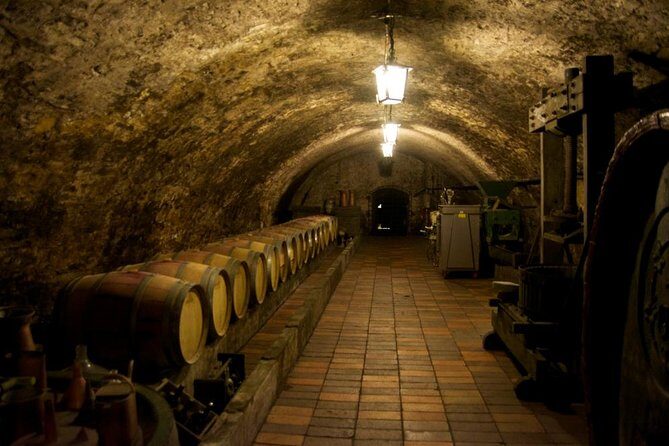
- Chateau interiors + a medieval wine cellar (cellar history goes back to the 14th century)
- Tasting of 6 local wines with a guide on hand to connect each glass to the region
- St. Peter and St. Paul Ossuary: one of the country’s second-largest bone collections
- Small group, max 15 travelers, so you’re not lost in a crowd
- Licensed guide-led storytelling, with examples of guides like Mike and Michal keeping things clear and unhurried
Prague to Mělník: a Real Bohemian Change of Pace
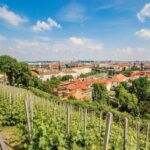
This is the kind of day trip you do when Prague has already done its job. You leave the city early and trade tram noise for Bohemian countryside views. The whole point is to see how wine culture and royal history shaped a town outside the usual tourist loop.
Mělník itself has a strong “why this place matters” story. It’s described as a royal dowry town, which means a Czech king bequeathed the town to his wife, the queen. That single detail helps you understand why there’s a chateau to tour and why the wine cellar connection isn’t just a random side stop. It’s tied to status, ownership, and generations of winemaking in the region.
And yes, the day is built around drinking, but it never feels like a party bus. The structure is history first, then wine, then a dramatic final stop at a bone ossuary. It’s a memorable arc, not just a list of attractions.
You can also read our reviews of more food & drink experiences in Prague


Price and What You Get for Your $159 (8 Hours)
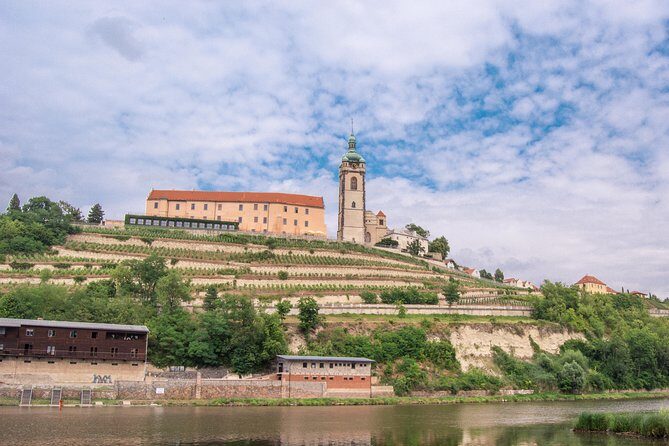
At $159 for about 8 hours, you’re paying for more than entry fees. You’re buying a guided day that handles transport from Prague, licensed interpretation, and a planned tasting of six local wines.
Here’s the value logic I’d use if you’re weighing it:
- If wine is high on your list, six tastings in one controlled setting can be a good deal compared with piecing together separate stops.
- If you also want culture, the chateau tour and ossuary visit are included admissions, so you’re not paying extra for the big “tickets” parts of the day.
- You’re also getting a small group (up to 15), which matters when you’re tasting wine and listening to explanations.
The one caution is that this tour is dependent on what the chateau can provide that day. In at least one reported situation, the chateau wine tasting wasn’t available at the last minute, and the group’s day had to adapt. That doesn’t mean it will happen to you, but it does mean your “wine tasting” emphasis could vary in rare cases.
Getting There: Wenceslas Square Start and a Small-Group Bus Day
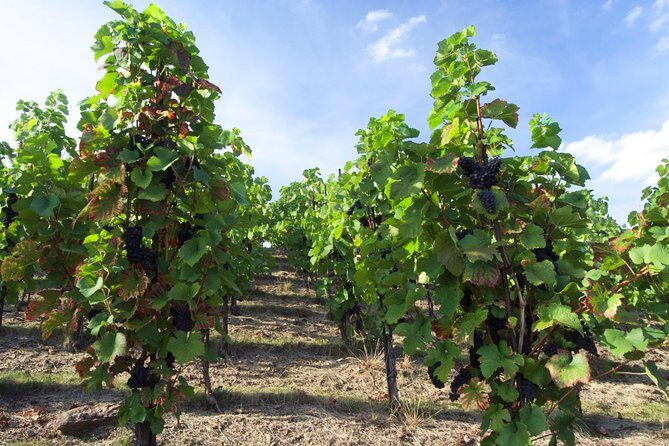
The meeting point is at Wenceslas Square. You meet your guide at the top of the square and head out by bus. The morning transfer includes a short intro to Mělník’s history, starting from its early foundation through later centuries.
This kind of half-day outside Prague works best if you’re the type of traveler who likes to use time efficiently. You’ll spend the countryside ride learning the basics, so when you arrive at the chateau and church, you’re not walking in blind.
Group size is capped at 15, so you should expect more personal attention than on bigger coach tours. And because it’s built for a moderate fitness level, you’ll want comfy shoes. The walk isn’t described as extreme, but you will be moving through interiors.
One more practical point: the tour uses a mobile ticket, so have your phone ready when you meet. Also, the minimum drinking age is 18, and you’ll be tasting during the day—so if you’re on the younger side, plan accordingly.
Mělník Chateau Interiors: Baroque Rooms and Royal Dowry Power
The chateau is your first major “wow” stop in Mělník. You’re there to experience what life might have looked like for a wealthy noble family in the 18th and 19th centuries. That matters because chateaus can be impressive in a generic way, but here you’re meant to connect those interiors to a real social world—power, ownership, and the way noble families lived.
You’ll see baroque interiors and precious art pieces. Baroque is theatrical by nature, and in a room like this, it can help you understand the town’s former importance. The guide’s role is key because they connect the architecture and collections back to how Mělník functioned as a royal dowry town.
A second layer comes from the people tied to the chateau, including the Lobkowicz noble family. The day frames their story as part of why the chateau matters now, and that gives the tour more grounding than just admiring rooms.
One timing note: after the main chateau tour, you’ll have a lunch break at the chateau restaurant. Lunch isn’t included in the price, so you’ll want to budget for it. If you’re trying to keep costs down, look at lunch prices before you arrive.
Lobkowicz Wine Cellar Tasting: Six Wines in a 14th-Century Setting
The wine portion is the heart of the day for most people, and it’s placed where it works best: after you’ve toured the chateau. You’re no longer just tasting. You’re tasting with context.
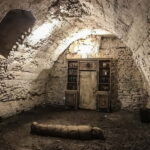
You visit the chateau’s wine cellar, with history reaching back to the 14th century. That’s not just a flex line. A cellar built for centuries of storage changes the whole feel of a tasting. Wine tastes differently when you know it was raised, stored, and protected for generations in the same kinds of spaces.
The tour includes a tasting of six local wines. That’s a strong sample size for a day trip. It’s enough to spot style differences without turning the day into a marathon.
I also like that the tasting is guided. When the guide ties each wine back to the region and the cellar setting, you start thinking like a visitor from the area instead of a person just chasing alcohol.
Here’s the one consideration I won’t gloss over: because the wine tasting depends on the chateau’s availability, there’s a chance the tasting schedule could change in rare cases. If wine is your make-or-break reason for booking, I’d still book—but be ready for the day to pivot if something is out of the organizers’ control.
You can also read our reviews of more wine tours in Prague




St. Peter and St. Paul Ossuary: One of the Czech Republic’s Largest Bone Collections
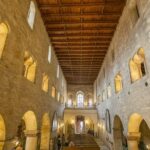
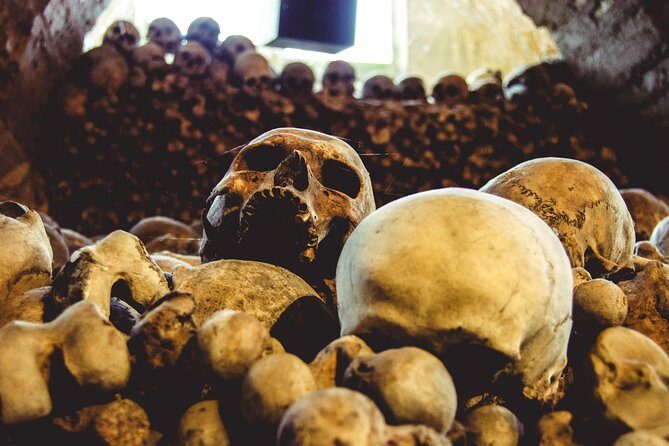
Then comes the stop that completely changes the mood. St. Peter and St. Paul Church contains an ossuary, described as the second-largest in the Czech Republic. It’s not subtle. You’re seeing a macabre approach to remembrance, and it has become one of the Czech Republic’s most striking church sites.
This is a good stop even if you normally skip spooky attractions. Why? Because it’s historically meaningful, not just scary decoration. You get it as a cultural artifact—how communities coped with death and memory in a way that’s specific to their time and place.
One practical caution: the church has been in renovations for the last two years, and the ossuary’s opening hours can change. That means you should plan mentally for flexibility. If the ossuary portion is time-sensitive, arrive with patience and trust your guide to manage timing.
The visit is also brief compared to the chateau and wine portions, so you’re not stuck there for hours. It functions like a dramatic closing chapter to the day.
Lunch on Your Own: Don’t Forget This Is a Paid-By-You Break
Lunch is your only major non-included expense. You stop for a lunch break at the chateau restaurant, but the meal itself is own spent.
What I recommend: if you want to stay comfortable, check for typical lunch pricing around the chateau and decide in advance what you’ll order. Also, if you’re doing the wine tasting seriously, eat something that won’t sit too heavy. A day like this can go from history rooms to wine cellar to church interiors without much downtime.
Because the day is structured and timed, it’s smart to treat lunch as a refuel moment, not a long sit-down experience.
Who This Tour Suits Best (and Who Might Be Disappointed)
This trip is ideal if you fit at least two of these boxes:
- You want an easy way to see Bohemia beyond Prague without planning trains, taxis, or connections.
- You like your wine with context, not just random pours.
- You enjoy guided history in a small group, where you can ask questions and keep moving at a sane pace.
- You want a day that mixes culture + wine + a truly unusual site.
You might want to think twice if you hate schedule uncertainty. The chateau wine tasting is central, and while it’s usually part of the plan, there have been cases where it wasn’t available on a particular day, forcing a shift. Also, one person found parts of the tour less exciting even though the wine cellar was the highlight. That’s a reminder: the day includes history time, not only wine time.
If you’re the type who wants pure wine and nothing else, another wine-only format might suit you better. But if you want a fuller picture of Mělník—royal background, chateau life, and a cellar tasting—this works.
Should You Book the Prague to Mělník Wine Day Trip?
If you’re craving a day outside Prague that still stays organized, I’d book this. The strongest reasons are practical: small group size, a full chateau visit, and a six-wine tasting in a 14th-century cellar setting. Add the second-largest Czech ossuary, and you get a day that’s memorable without feeling random.
Book especially if you’re excited by the idea of tasting Bohemian wines with royal history in the background. Just go in with one realistic mindset: your day is tied to the chateau’s tasting availability, and opening times for the ossuary can change due to renovations.
If you match that mood, you’ll likely come home with more than bottles. You’ll come home with a clear mental map of why Mělník matters.
FAQ
FAQ
How long is the Prague to Mělník wine day trip?
It runs for about 8 hours.
Where do we meet in Prague?
You meet at Wenceslas Square at 8:30 am, near Václavské nám., Praha 1.
How many wines are included in the tasting?
The tour includes tasting of six local wines.
Is lunch included in the price?
No. Lunch is not included, and you pay for it yourself at the chateau restaurant.
Is there an age limit for the wine tasting?
Yes. The minimum drinking age is 18.
What does the tour include besides wine?
You also visit Mělník chateau and St. Peter and St. Paul Church, where the ossuary is located.
Can ossuary opening hours change?
Yes. The church has been undergoing renovations for the last two years, so ossuary opening hours can be subject to change.
How big is the group?
The tour has a maximum of 15 travelers, which supports a more personal experience.