REVIEW · PRAGUE
WWII in Prague Tour & The Crypt of Operation Anthropoid
Book on Viator →Operated by WWII in Prague Tour & Operation Anthropoid Museum · Bookable on Viator
Prague rewrites WWII in real places. I love the small-group pacing and how the Operation Anthropoid story connects to real buildings you can stand beside. The one catch: the crypt portion is heavy, and the walk can run longer than you expect.
You also get real value for the money with a mix of on-foot stops plus included public transport, and a chance to see artifacts in Prague’s WWII shelters. If you struggle with long periods of walking or you hate emotionally intense museum spaces, plan accordingly.
In This Review
- Key Things You’ll Notice on This Tour
- Starting at Powder Gate: Getting the WWII Timeline Right
- The Route Through Resistance Sites, Memorials, and the Jewish Quarter
- Public Transit and Tram Time: Comfort Without Losing the Story
- Dům pánů z Kunštátu a Poděbrad: The WWII Air-Raid Shelter Stop
- St Cyril and St Methodius Cathedral: Where Operation Anthropoid’s Story Lands
- The National Memorial to the Heroes of the Heydrich Terror: Crypt Time
- Price and Value: What $43.53 Gets You in Prague
- Timing, Walking Pace, and What to Bring
- Who Should Book This Tour (and Who Might Want a Different Option)
- Should You Book WWII in Prague Tour and the Crypt of Operation Anthropoid?
Key Things You’ll Notice on This Tour
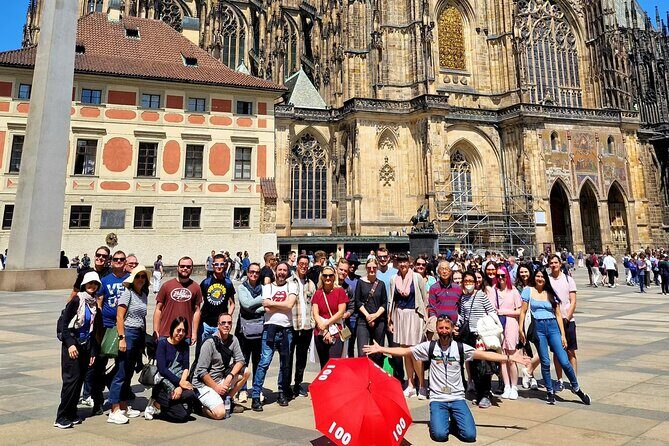
- Small group, up to 20 people for questions and a less chaotic experience
- Public transit tickets included, plus a tram segment that keeps you from doing it all on foot
- Powder Gate to the Heydrich Terror memorial gives you a clean WWII storyline arc
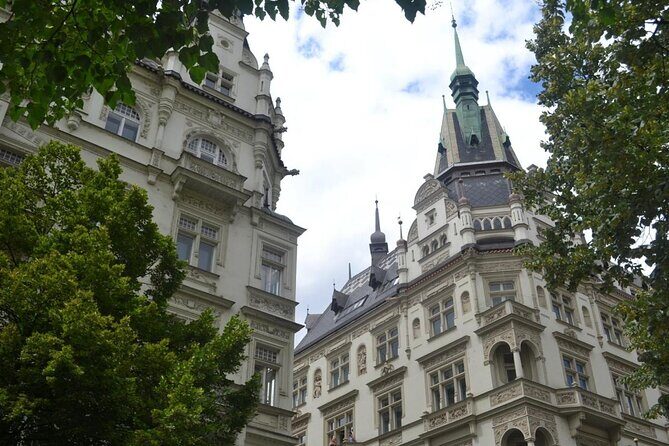
- Dům pánů z Kunštátu a Poděbrad includes access to an underground air-raid shelter and WWII artifacts
- Saints Cyril and Methodius Cathedral is where the parachutists of Operation Anthropoid are tied to the site
- The crypt and Operation Anthropoid museum below the cathedral makes the final stop the most emotionally intense
Starting at Powder Gate: Getting the WWII Timeline Right
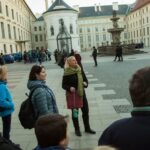
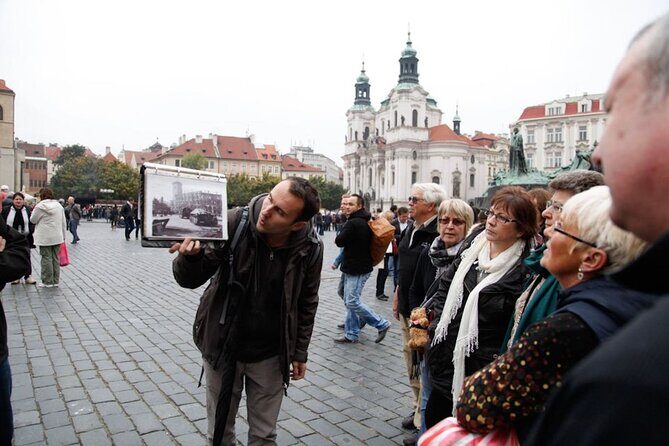
Most WWII tours in Prague either skip the context or drown you in dates. This one aims for the in-between. You meet at the Powder Gate (Powder Tower area), and the guide sets up the big picture first—especially the lead-up to World War II in the Czech lands and the creation of Czechoslovakia—so the rest of the stops make sense instead of feeling like random plaques.
From there, the tone shifts from political history to people-on-the-ground stories. You’ll move through parts of the city connected to resistance activity and major events, and the route is designed so you’re not just looking outward at famous sights. You’re also looking at what people hid, what they risked, and what they tried to change.
One practical upside: because the group is capped (20 max), the guide can adjust as you go. If you’re the type who stops to ask what a name or place really means, this format usually works better than big-van tours.
You can also read our reviews of more tours and experiences in Prague.


The Route Through Resistance Sites, Memorials, and the Jewish Quarter
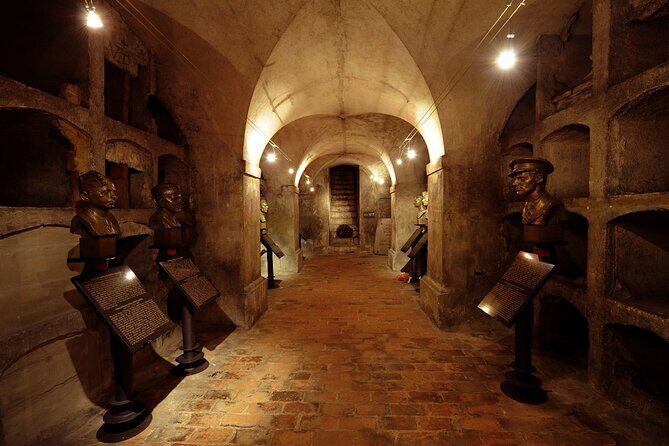
After the opening history, the tour keeps a steady rhythm: walk, pause, learn, and then move again. Along the way you’ll hear about the Czech resistance through specific settings, including a secret flat used by the resistance. The point isn’t just that resistance existed. It’s how clandestine life shaped daily choices.
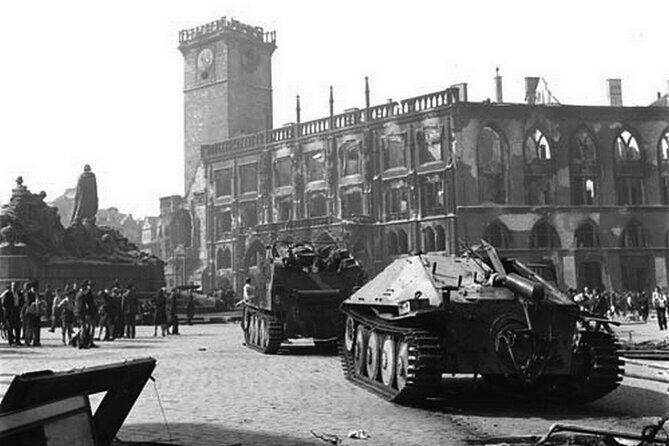
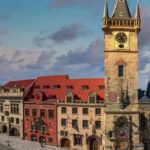
You’ll also see visual evidence used to explain places that were damaged or transformed during the war. The tour includes an element where you view a “hall and clock in ruins” using archive photos—an effective way to understand what changed, even if the original scene is gone.
Then come the memorial stops tied to the Prague uprising. These aren’t just “remembering” moments; they help explain why Prague became such a focal point for the conflict between occupiers and resistance.
A couple of route notes that matter for your comfort:
- You’ll walk enough to feel it.
- If crowds make the starting area noisy, it can be harder to catch every word right at the beginning, before things thin out.
The walk-by stop at the former NSDAP (Nazi party) headquarters gives you a stark contrast with the rest of the route. You’re not touring only tragedy; you’re also seeing where power sat in the city.
You’ll finish this city-center sequence in the Jewish quarter area as the story tightens toward the key assassination and aftermath tied to Operation Anthropoid.
Public Transit and Tram Time: Comfort Without Losing the Story
Prague is great on foot—until you’re doing it for hours. This tour helps by including public transit tickets, plus a tram segment in the middle of the outing. That matters because it keeps the schedule realistic and reduces fatigue, especially when you’re mixing outdoor walking with indoor crypt time at the end.
This is one of those details that improves the value of the tour. If you’re paying for history, you want the history—not your legs—doing the work.
Also, a heads-up from real-world timing: while the tour is listed around 2 to 3 hours, it can run longer. One reason is the amount of content the guide tries to cover at each site. If you have a strict dinner reservation, plan a buffer.
Dům pánů z Kunštátu a Poděbrad: The WWII Air-Raid Shelter Stop
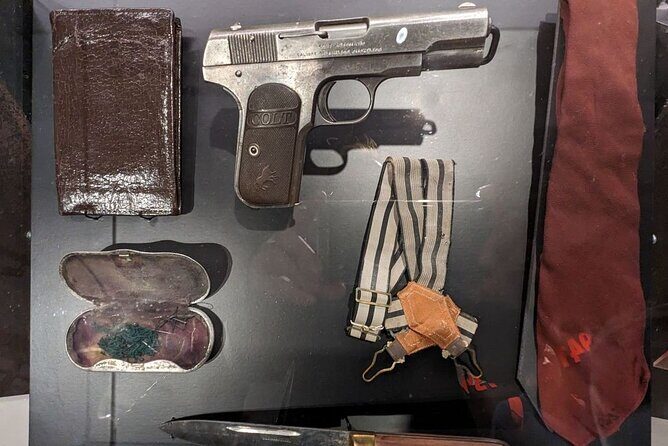
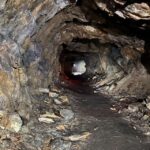
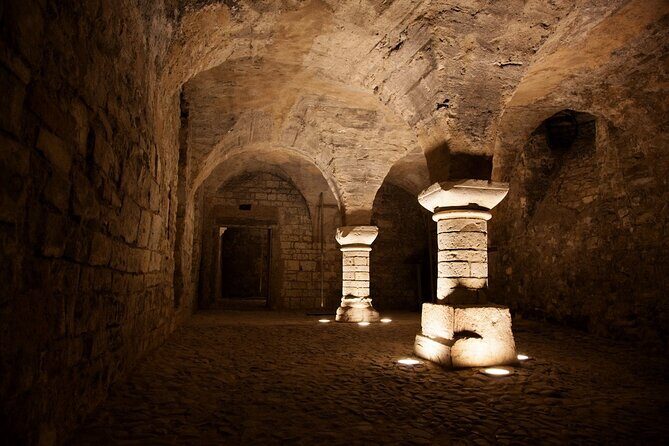
The most tangible, hands-on stop happens at Dům pánů z Kunštátu a Poděbrad (about 20 minutes). Here you step into a medieval underground space that was used in 1944 during bombing as an air-raid shelter. That “underground” part is crucial: it makes the war feel less like headlines and more like lived experience.
This stop also has a built-in WOW factor because it includes a private collection of WWII artifacts. Seeing objects connected to the period helps you understand the practical side of survival—what people carried, what they feared, and what was still visible even under occupation and bombardment.
A small but important value point: the admission ticket here is included, so you don’t get hit with extra gate fees at the most compelling stop of the first half.
How to get the most from it:
- Slow down during the artifact viewing.
- Treat it like you’re learning a language—start with what the objects are, then let the guide connect them to the story you’ve been hearing.
Possible drawback: if you’re short on time, this stop can feel like it gives you a lot at once. It’s still worth it, but don’t expect a quick pass.
St Cyril and St Methodius Cathedral: Where Operation Anthropoid’s Story Lands
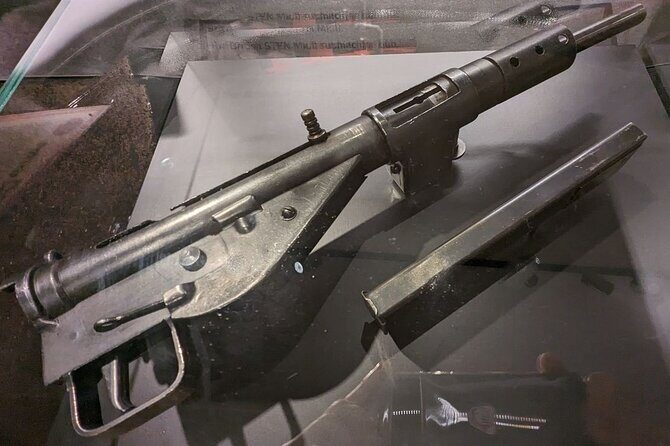
Next you reach St Cyril and St Methodius Cathedral (around 10 minutes). Admission is free for this stop, and it’s where you connect the Operation Anthropoid narrative to a physical place tied to the parachutists’ final moments.
Even if you only know Operation Anthropoid from the headlines, this is where the story stops being abstract. The guide ties the events to the cathedral setting so the emotional weight of the final sequence makes sense when you head underground next.
This is a good moment to adjust your expectations. The tour isn’t trying to be light or entertaining. It’s trying to be clear.
If you’re sensitive to grim history, this is a good place to mentally prepare yourself for the crypt and the museum below.



The National Memorial to the Heroes of the Heydrich Terror: Crypt Time
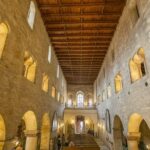
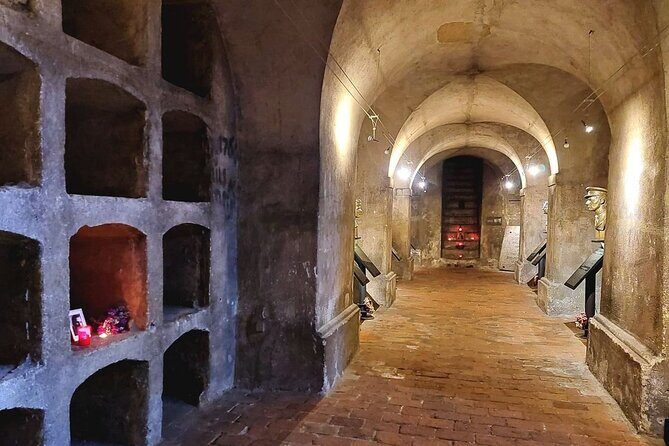
The final phase is the most intense part of the experience: entering the crypt and Operation Anthropoid museum below the cathedral at the National Memorial to the Heroes of the Heydrich Terror.
Here you learn about the last battle linked to Operation Anthropoid, including where Czechoslovak parachuters paid their ultimate price. This is the place where the war becomes physical—narrow spaces, the sense of being surrounded by the past, and the feeling that you’re walking through history rather than just reading about it.
One detail I really appreciate: there are free English-language booklets available. That’s smart for two reasons. First, it helps you catch names and timeline points without having to hear every spoken sentence. Second, it gives you something to reflect on after the tour.
Emotional intensity note: the crypt can feel brutal. If you want the history but not the full emotional punch, ask the guide about how long you should spend in the crypt area and whether you can move at a slower pace. You’re not forced to rush.
Price and Value: What $43.53 Gets You in Prague
At $43.53 per person, the main question is whether you get more than a standard walking tour. You do. You’re paying for:
- A guided route that gives historical context before the key sites
- A small group size (max 20)
- Included public transport tickets and tram time, so you’re not spending your day fighting fatigue
- Entrance value: the air-raid shelter stop includes a ticket, while the cathedral and the memorial crypt museum stops are free entries in the structure of the tour
When the tour works well, it feels like you’re getting a guided “story spine” connecting Czechoslovakia context, resistance activity, the Prague uprising, and Operation Anthropoid to the places where those stories happened. That’s what makes the price feel fair rather than overpriced.
If you’re looking for a fast overview of WWII in Prague, you might find it too detailed and long. If you want meaning plus location, it’s strong value.
Timing, Walking Pace, and What to Bring
Plan for walking. The overall duration is listed at 2 to 3 hours, but it can stretch closer to 3.5 hours depending on how much the guide covers and how the group moves between sites.
Comfort tips that are actually useful here:
- Wear shoes you trust on uneven old-stone streets.
- Bring a small water bottle if you run warm easily.
- If nature calls on long museum routes, don’t wait until the last minute. One review mentioned no bathroom break until around the 3-hour mark, so build in your own buffer.
Also, the tour starts at a busy location, where it can be difficult to hear the guide at first due to crowd noise. If you’re hard of hearing, position yourself closer to the guide early on.
Who Should Book This Tour (and Who Might Want a Different Option)
This is a great fit if:
- You care about WWII history beyond the headline basics
- You want Prague connected to real resistance stories
- You like a mix of walking + transit instead of one long hike
- You appreciate seeing artifacts and underground shelter spaces, not just memorial walls
It may be less ideal if:
- You want a light, upbeat city tour
- You’re trying to do this between two very tight time commitments
- You’re uncomfortable with crypt settings and intense content
One more reality check: English is supported, but a couple of reports flagged hearing or language clarity as a factor. If language clarity is a deal-breaker for you, come prepared to rely on the booklets and photos the guide uses during the route.
Should You Book WWII in Prague Tour and the Crypt of Operation Anthropoid?
If you’re in Prague and you care even a little about WWII—especially the Czech resistance and Operation Anthropoid—this is one of the more purposeful tours you can choose. You get context early, you see the connected sites, and you finish in the crypt where the story becomes unforgettable in a literal sense.
I’d book it if you want real place-based history with a small-group feel. I’d skip it if you want a short, casual overview or you’d rather not deal with the emotional weight of the final underground stop.