REVIEW · PRAGUE
Glass blowing in Prague
Book on GetYourGuide →Operated by Visita Praga · Bookable on GetYourGuide
You hold molten glass for 20 minutes. I love the furnace-side access that puts you inches from real work, and I love how you learn practical techniques from the pros while sampling local beer. The main catch is the heat and safety rules, so your hands-on time is more limited than you might picture.
This is a small-group workshop in Prague’s Central Bohemian Region, paced for a first-timer but led by professionals. You’ll watch glassmakers produce items like glasses and statuettes, then create your own piece to take home after a cooling period of 12 hours.
In This Review
- Key Things That Make This Prague Glassblowing Workshop Worth It
- Furnace Heat, Friendly Guidance, and Real Craft Skills in Prague
- The 20-Minute Flow: What You’ll Do During Your Workshop
- Close Enough to See the Process: The Furnace-Side Part People Remember
- Your Hands-On Role: What Cooperation Really Means Here
- Local Beer Break: Cooling Off Without Losing the Mood
- Beer and Basic Science: What You May Learn About Glass
- UNESCO Craft Context: Traditional Handmade Glass in Prague
- Price and Value: Is $156 for 20 Minutes Fair?
- After the Workshop: 12 Hours of Cooling and Next-Day Pickup
- Getting There and Group Comfort: Why It Feels Easy to Fit In
- Who This Glassblowing Workshop Is For (and Who Might Pass)
- Tips to Get the Most Out of Your 20 Minutes
- Should You Book Glass Blowing in Prague?
- FAQ
- How long is the glassblowing workshop?
- What’s included in the price?
- Does my glass need time to cool down?
- When can I collect the glass I make?
- Can I have my glass shipped home?
- Is the workshop taught in English, and how big is the group?
Key Things That Make This Prague Glassblowing Workshop Worth It
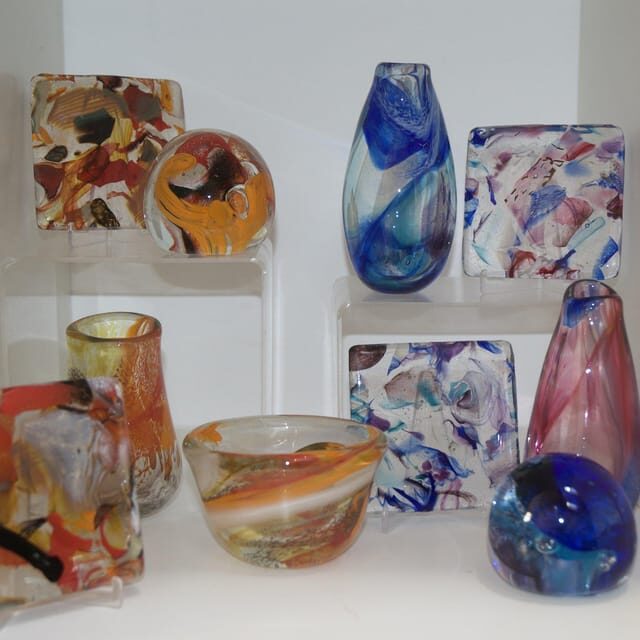
- Furnace-side closeness: you’re very near the glass furnace and the production process
- You learn techniques, not just watch: you participate, even if the master glassmaker handles the most safety-critical steps
- Local beer included: 2 beers (or water) help balance the heat of the workshop
- Small group size (max 3): more time with the instructor and fewer distractions
- Create a take-home souvenir: your piece needs 12 hours to cool, then you can collect it the next day
- UNESCO-listed craft context: the traditional handmade glass production background is tied to UNESCO intangible cultural heritage
Furnace Heat, Friendly Guidance, and Real Craft Skills in Prague
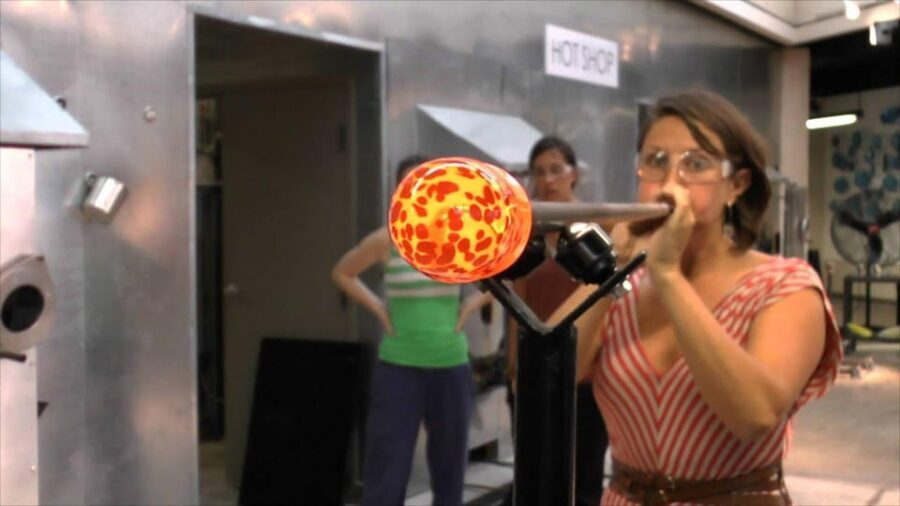
If you like hands-on travel, Prague glassblowing hits a sweet spot. You’re not just looking at glass behind glass—you’re watching and participating close to where it’s actually made. In a hot workshop, that difference matters.
I especially like the way the experience is designed for your understanding. You learn techniques by seeing what the glassmaker does first, then doing parts of the process with guidance. That’s why it feels like more than a quick demo.
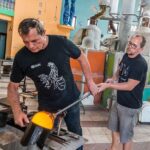
The workshop is also built around atmosphere. You’ll be working in a working studio where experienced glassmakers make products in real time, including things like glasses and statuettes. It’s a good reminder that this isn’t a costume craft—it’s skilled production.
You can also read our reviews of more tours and experiences in Prague.


The 20-Minute Flow: What You’ll Do During Your Workshop
Your session runs for 20 minutes, which means the pace is focused and fast. Expect a short start, then a clear sequence: watching, participating, and finishing what you’re able to do within the safety limits.
You’ll begin by watching skilled glassmakers at work. You’ll see how the materials move through the process and how different techniques shape the glass into a finished item. This matters because you get context for what you’re about to try.
Then it’s your turn to cooperate with the glassmaker. The experience description is very clear that it’s not a full solo-making session, mainly due to safety and the fact that many actions require the glassmaker to do them. Translation: you’ll be involved, but you’re not operating the furnace.
You end with your own piece started (and likely finalized in the parts that require expert control). After that, your glass needs time to cool down for 12 hours, so you won’t be leaving with something fragile and warm.
Close Enough to See the Process: The Furnace-Side Part People Remember
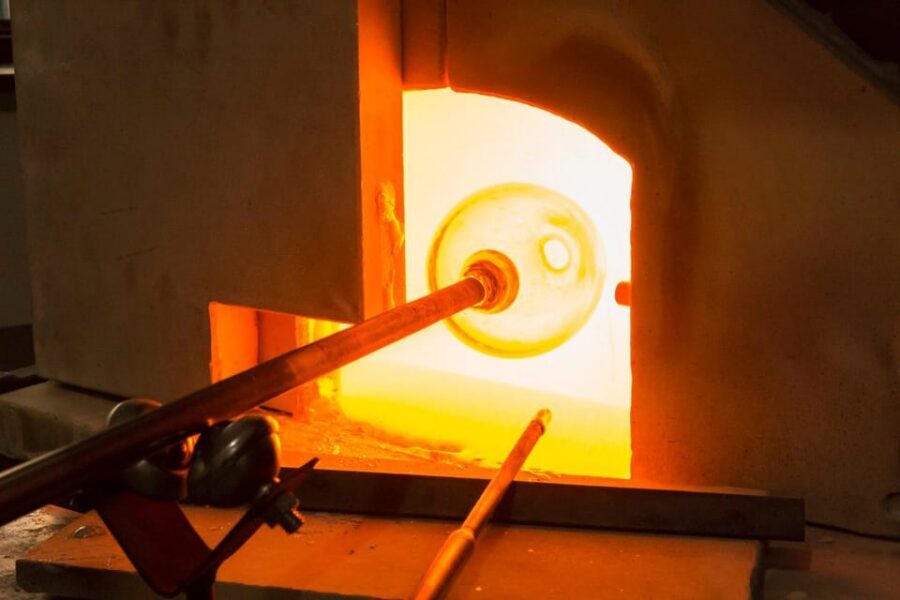
One of the biggest reasons people love this workshop is the access. You’re positioned to be very close to the furnace and to the production process as it happens. That proximity is often not possible in more conventional glass operations.
In practice, that means you get a clearer sense of how teamwork works in glassmaking. The glassmaker handles the high-risk and high-precision steps, while you contribute to the parts where your involvement is safe and still meaningful. That balance is exactly what makes it feel personal without turning the experience into a hazard.
The studio setup also helps you learn visually. Watching the glassmakers create items like glasses and statuettes gives you a reference for what “finished” looks like. It’s easier to stay engaged when you can see both the craft process and the end product in the same space.
And yes, it’s warm. One review summed it up simply with Varmt, and that’s the honest expectation. You’re in a workspace built for working hot materials.
Your Hands-On Role: What Cooperation Really Means Here
Even though the workshop is called a glassblowing workshop, it’s not realistic to expect fully independent control of the furnace. The experience is designed so most of the complex actions must be carried out by the glassmaker. Safety and the technology involved come first.
So what do you actually do? You cooperate closely with the glassmaker, taking part in the process steps that fit a small group and a short time window. Think of it as guided participation where your role supports the creation rather than replaces expert glassmaking.
This is where the small group size matters. Limited to 3 participants, you’re more likely to get attention at the right moments. It’s also less noisy and less chaotic, which helps when you’re trying to watch closely while learning.
If you’re the type who learns by doing, this setup is a good match. You’ll get real “I understand how it works” moments because you’re seeing cause and effect while you’re working.
Local Beer Break: Cooling Off Without Losing the Mood
After working up a thirst in the heat, you get to settle in with a drink. The workshop includes 2 beers or water, which is a thoughtful detail because you’re doing something physically and thermally demanding.
This isn’t just a random add-on. It helps you land the experience. When you’re standing close to hot equipment, a cool drink becomes part of the overall rhythm of the workshop rather than an afterthought.
In one review, the cold drinks were specifically called out as welcome because the workshop runs hot. So if you’re planning your day, treat the beer/water as part of the plan, not something you’ll need to scramble for afterward.
It also keeps the experience social in a good way. With only a few participants, it’s a comfortable time to ask questions and compare notes on what you think you did right.






Beer and Basic Science: What You May Learn About Glass
You’ll also learn more than just steps. One review highlighted that the group learned a bit about the science behind how glass works. That might be short and practical rather than academic, but it’s the kind of context that makes the craft stick in your head.
Why does that matter? Because once you understand the basic logic—how the material behaves and why technique changes the result—you can appreciate your finished piece more. Instead of thinking, I made something random, you’ll think, I tried a technique and saw its effect.
This kind of explanation also helps you enjoy the watching portion. When you know what you’re looking for, it feels less like a demonstration and more like guided learning.
UNESCO Craft Context: Traditional Handmade Glass in Prague
The workshop is described as traditional handmade glass production, linked to UNESCO intangible cultural heritage. That doesn’t mean you’ll sit through a lecture. It means the craft is presented with cultural weight, not as a quick tourist act.
In a practical sense, that UNESCO tie supports why the workshop is run by professionals and why your time near the furnace is handled carefully. This is skilled work with a tradition behind it, and the workshop respects that by keeping the cooperation safe.
I like experiences that connect you to the real practice behind the craft. Even if you only get a short session, you leave with a more grounded understanding of what glassmaking actually takes.
Price and Value: Is $156 for 20 Minutes Fair?
At $156 per person, this isn’t a budget activity. But it also isn’t a generic souvenir factory tour. You’re paying for furnace-side access, professional instruction in English, a small group (max 3), and a take-home piece plus drinks.
Let’s talk about what you’re getting for that money:
- A 20-minute workshop guided by professionals
- 2 beers or water included
- Close proximity to the furnace and the production process
- A unique souvenir that requires 12 hours to cool
- A structured experience designed around safety, meaning the glassmaker does the crucial steps
The pricing feels more reasonable when you compare it to how much “hands-on” time you typically get in craft workshops. Short or not, this one is concentrated and intimate.
One cost detail to plan for: shipping your glass isn’t included. If you want it sent to your home, the average shipping price is 80–100 EUR, depending on your country.
After the Workshop: 12 Hours of Cooling and Next-Day Pickup
Here’s the part that surprises people: you can’t just walk out immediately with a finished glass object. Your glass needs time to cool down for 12 hours, so the workshop is followed by a waiting period.
The good news is that you can pick up your piece the next day without extra cost for pickup. The workshop includes free next-day pickup, which simplifies the plan if you’re staying in Prague.
You have a second option too: shipping your glass home for an additional fee. The shipping cost depends on your country, with an average price listed between 80 and 100 EUR.
If you’re visiting Prague for multiple days, next-day pickup is the cleanest solution. You get to travel light the day of the workshop, then collect your souvenir when it’s fully ready.
Getting There and Group Comfort: Why It Feels Easy to Fit In
One review mentioned it’s close to the city center, making it easy to get to. That’s a big deal with experiences like this, because furnace-based workshops are best when you don’t arrive stressed.
The workshop also runs in English, which matters if you want to ask questions or understand the technique explanations. In a small group capped at 3 participants, you’re not hidden in the back of a crowd.
You can also expect a more personal pace. With fewer people, the instructor can support you through the parts you do yourself and keep you safe while you’re near hot equipment.
And if accessibility matters to you, the workshop is listed as wheelchair accessible. That’s not always true for workshops that involve hot machinery and tight working areas, so it’s worth noting.
Who This Glassblowing Workshop Is For (and Who Might Pass)
This experience is ideal if you want a hands-on Prague activity that feels authentic. You’ll get close to the furnace, learn techniques, and leave with an original souvenir.
It’s also a great fit for first-timers. The workshop is short, structured, and designed to involve you without requiring expert skills in advance. You’ll get to participate while the glassmaker takes care of the complex, safety-critical steps.
If you’re sensitive to heat, consider that this workshop is warm by design. You should go in expecting a hot working environment and rely on the included cool drinks.
If you’re hoping for a long, do-everything-from-start-to-finish glassmaking session, this probably won’t match that expectation. The description is upfront that most crucial actions are done by the glassmaker.
Tips to Get the Most Out of Your 20 Minutes
Since the key is heat plus focused instruction, treat the workshop like a short training session rather than a slow craft retreat.
- Arrive with enough time that you feel relaxed, not rushed.
- Plan on the 12-hour cooling period, so you’ll know when to pick up your glass.
- If you’re considering shipping, remember it has an extra cost averaging 80–100 EUR.
Also, set your expectations correctly about cooperation. Your hands-on role is real, but safety and technique limits mean you’ll work with the glassmaker rather than fully take over the production.
That mindset helps you enjoy it. When you know what your role is, you’ll be more present in every moment.
Should You Book Glass Blowing in Prague?
Yes, I’d book it if you want a compact, memorable craft experience with real furnace-side access. The best part is the combination: small group size, professional guidance in English, and a take-home souvenir that feels earned.
It’s also worth it if you’re the kind of person who likes seeing how things work. Watching glassmakers create items right in front of you, then trying parts of the process yourself, gives you a stronger understanding than a quick photo stop ever could.
Skip it only if you’re not comfortable with heat or if you’re specifically seeking a long, fully independent glassmaking session. In that case, you might prefer a different kind of glass-related experience.
If you can handle warm studio conditions and you’re okay with the 12-hour cooling timeline, this is a satisfying Prague activity that turns craft into something you actually participate in.
FAQ
How long is the glassblowing workshop?
The workshop lasts 20 minutes.
What’s included in the price?
It includes the 20-minute glassblowing workshop, and 2 beers or water.
Does my glass need time to cool down?
Yes. Your creation needs 12 hours to cool down.
When can I collect the glass I make?
You can pick up your glass the next day.
Can I have my glass shipped home?
Yes, shipping is available for an additional fee. The average price is listed as 80–100 EUR, depending on your country.
Is the workshop taught in English, and how big is the group?
The instructor speaks English, and the group is limited to 3 participants.