REVIEW · PRAGUE
Prague: Alchemy & Dark Arts Exploration Game Tour
Book on Viator →Operated by Questo · Bookable on Viator
A story game in Prague feels like magic. This quest-style walk gives you step-by-step clues at a mix of big-name and less-obvious spots, and it stays self-paced so you can linger when something catches your eye. One consideration: a couple of the stops have paid entry if you want to go inside, since attraction entry isn’t included.
I like that the route starts in a very specific place: the Franz Kafka Rotating Head by David Cerny in Nové Město. From there, you’re not stuck in a rigid schedule; you get a clue, you follow directions, and each stop gives you time to solve and regroup. The only real drawback I see is that the experience is built for walking and puzzle focus, so if you prefer pure sightseeing with zero problem-solving, you may find it a bit “game-y.”
You’re also not tied to a meeting time the day of. After booking, you can play anytime, and the tour runs in English with a mobile ticket. It’s designed for most people, and if you’re traveling with a larger group, you can book multiple spots so you’re still moving together.
In This Review
- Key things to know before you start
- Starting at David Cerny’s Kafka Rotating Head
- How the Alchemy & Dark Arts puzzle game really moves you
- Palác Platýz to Bethlehem Chapel: fast checkpoints with room to breathe
- Old Town Square and St. Giles Church: where the game hits the big landmarks
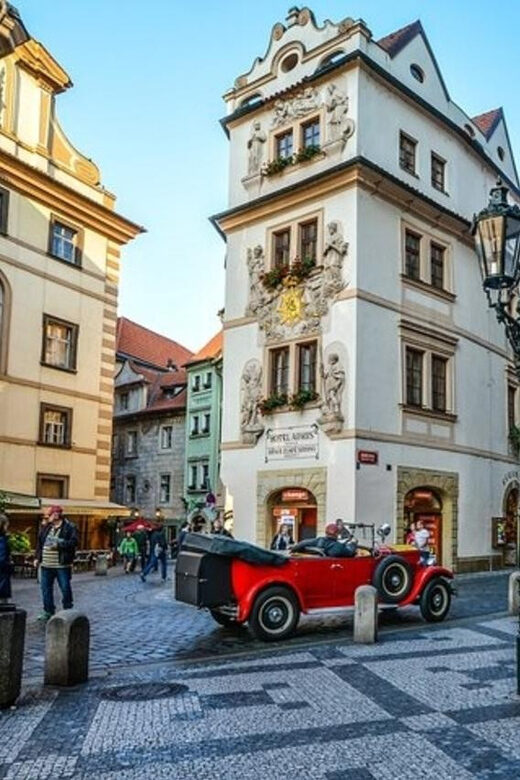
- House at the Two Golden Bears and the Old-New Synagogue: the story gets more specific
- From Antonín Dvořák to the Piss Sculpture: puzzle payoffs near the end
- Charles Bridge finish: the game ends, but the city doesn’t
- Price and value: $7.09 for a full city-game flow
- Who should book this Prague dark-arts game tour
- When this tour might not be your style
- Should you book this Prague Alchemy & Dark Arts tour?
- FAQ
- Is this Prague tour self-paced?
- How long does the experience take?
- Is the tour offered in English?
- Do I need to buy attraction tickets to complete the game?
- Where do I start and where do I finish?
- Can I use it if I have a larger group?
Key things to know before you start
- Clue-to-clue pacing: You’ll solve prompts at each landmark, then get directions to the next one.
- Short stop windows, flexible time: Each location is built around a quick checkpoint, but you can pause as long as you want before continuing.
- Mobile ticket included: You’ll use it as part of the experience, no printout needed.
- Mostly admission-light: Some stops are free to access, and even where entry isn’t included, you can still complete the game.
- Ends at Charles Bridge: The finish is timed to drop you back into one of Prague’s most iconic viewpoints.
Starting at David Cerny’s Kafka Rotating Head
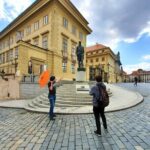
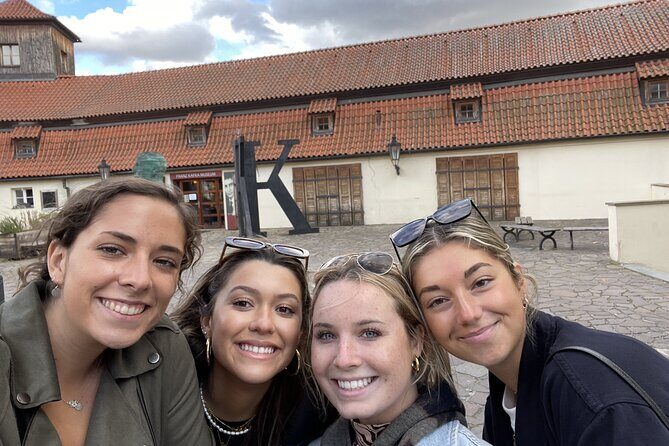
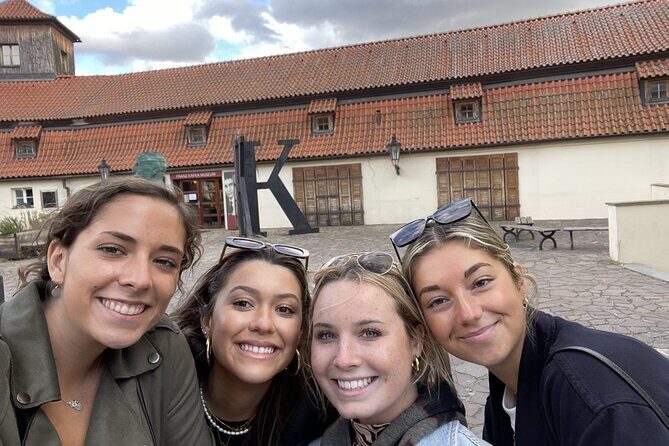
The experience begins at Franz Kafka – Rotating Head by David Cerny (Charvátova, Nové Město). It’s a smart way to kick things off, because the start point is instantly recognizable and gives you a clear “first move” for the story.
Right away, you get your first clue. Think of it less like a lecture and more like a breadcrumb trail. You’re guided, but you still control the pace once you arrive at each stop. That matters in Prague, where you may want to stop for photos, look closer at details, or simply catch your bearings before moving on.
This tour also works well as a first Old Town evening option. The game structure pulls you through central Prague without requiring you to commit to a full guided tour length. And because the experience can be played anytime after booking without rescheduling, you can match it to your day instead of squeezing your day around it.
A few more Prague tours and experiences worth a look
How the Alchemy & Dark Arts puzzle game really moves you
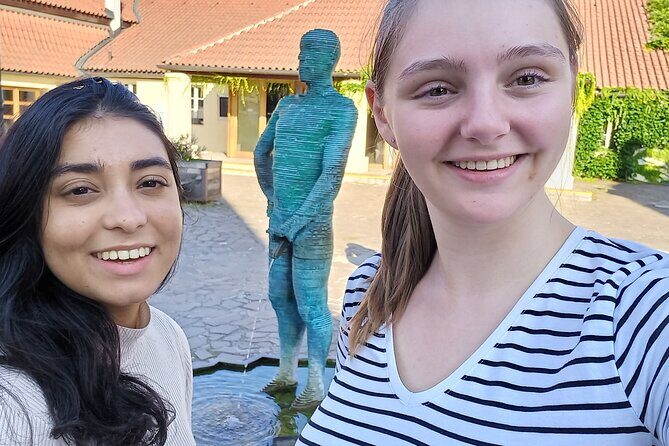
The heart of this tour is the “solve the clue, then go” rhythm. At each stop, you receive a prompt that drives you to the next location. It keeps the walk from feeling like wandering and turns sightseeing into a mission.
What I like most about this style is the balance. You don’t need to be a puzzle expert. The tour format is built for real people walking real streets: short checkpoints, then time to figure it out and read the environment around you. The experience also adds small place insights as you complete each challenge, which helps you connect what you’re seeing with the story.
There’s also a practical upside: because the next location is always part of the chain, you don’t have to guess how to structure your afternoon. You can simply follow the directions from stop to stop and let the game do the planning.
One more note: the puzzles can be challenging in a good way. If you enjoy thinking while walking, this will feel rewarding rather than tedious. If puzzles make you instantly frustrated, you’ll want to bring patience and maybe a friend to compare logic.
Palác Platýz to Bethlehem Chapel: fast checkpoints with room to breathe
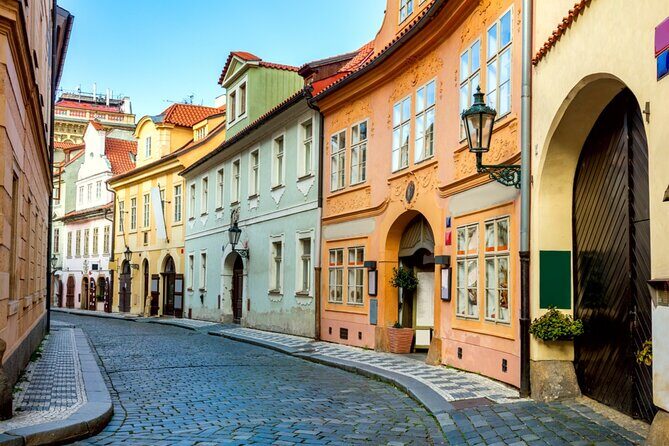
After Kafka’s Rotating Head, the route moves you to Palác Platýz. This stop is another clue checkpoint with flexible time. The big practical detail here is that admission is not included, which means you may want to decide in advance how much you care about entering any indoor spaces.
In other words, treat these “not included” locations as optional extras. The tour is designed so you can keep going even if you don’t add paid entry. If you do plan to enter, be prepared for the extra cost—but you’re not forced into it to complete the story.
Next up is the Bethlehem Chapel. Like Palác Platýz, this is a clue-driven stop, and this one lists admission as free. That’s the kind of setup that makes the experience feel fair: you get more time to explore without a ticket hurdle, and you don’t have to reorganize your budget mid-walk.
The pattern at these early stages is what makes the whole tour work. You get quick narrative moments, then you get to slow down. If you like the idea of mixing “guided direction” with “choose your own pace,” these early stops are where you’ll feel that most.
Old Town Square and St. Giles Church: where the game hits the big landmarks
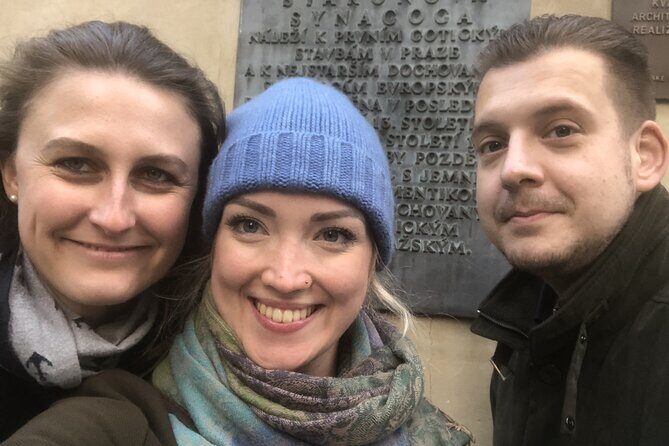
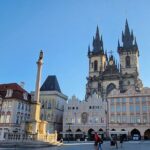
From Bethlehem Chapel, the route brings you to Old Town Square. Here, you’ll receive a new clue to move the story forward. Old Town Square works especially well for this kind of game because it’s a natural hub in the area, so it’s easy to treat the surroundings like a living puzzle board rather than a single stop.
Old Town Square appears again later in the route, which is a nice trick. You’re not simply passing through once; you’re returning with a new clue, so the second visit feels like a continuation, not repetition. It also helps you notice different angles and details the second time around.
Then you head to St. Giles Church. This stop is listed as free admission, and it’s another clue checkpoint where you can linger. I like free-admission stops in a game tour because they remove friction. You can focus on the puzzle, not on whether you’re about to pay for access.
This section is a good reminder of why the tour format can be more fun than a standard checklist tour. Instead of just looking at famous architecture and moving on, you’re encouraged to look with purpose—because the clue may be tied to what you notice around you.
House at the Two Golden Bears and the Old-New Synagogue: the story gets more specific
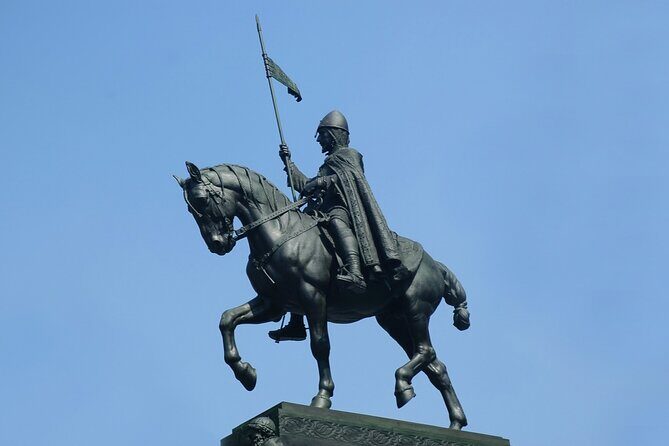
Next comes the House at the Two Golden Bears. Admission is not included at this stop, so again, treat entry as optional if you want to go further inside. The key point is that your main mission remains intact either way: solve the clue, follow the directions, keep the story moving.
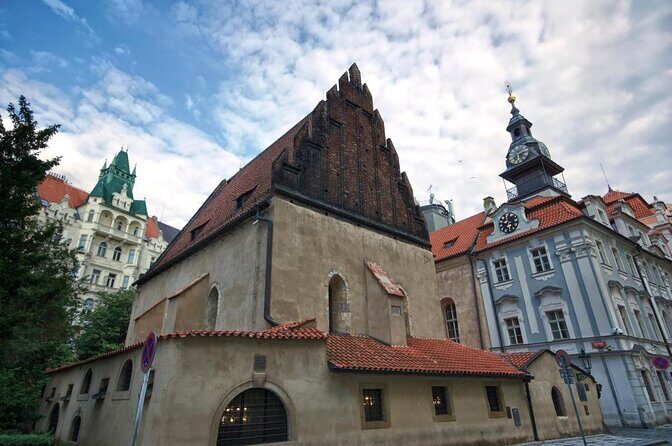
After that, the route heads to the Old-New Synagogue, where admission is listed as free. This is one of the tour’s strongest “variety” moments. You get a mix of the well-known Prague vibe and places that many people don’t build into their first itinerary.
The tour’s value here isn’t about forcing you into a rigid sightseeing plan. It’s about nudging you into locations you might otherwise skip. When a city tour succeeds, it doesn’t just cover the famous sites. It gives you reasons to pause at places that feel distinct—and then connects those pauses with a continuing narrative.
Also, because each clue completion comes with a short insight, you don’t feel like you’re only solving riddles. You’re getting a little context that helps you turn random looking into actual noticing.




From Antonín Dvořák to the Piss Sculpture: puzzle payoffs near the end
The next stop is the Statue of Antonín Dvořák. Like many of the route points, you’ll receive a new clue and then continue at your own pace. A statue stop can be a nice reset in a puzzle route: it’s usually easier to orient yourself visually, and it can give your brain a break from interpreting indoor spaces.
Then the route takes you to Čůrající postavy, better known as the Piss Sculpture. Admission is listed as free here. I like this late-tour placement because it keeps things light. Even if the earlier part of the story leaned darker, this kind of whimsical landmark works as a mood adjustment before the finish.
This is also where you’ll feel how the “short stop + long exploring time” structure is designed. Even though each checkpoint has a basic time estimate, you’re allowed to spend longer. If you need a breather, this portion of the walk gives you that chance without derailing the story.
Charles Bridge finish: the game ends, but the city doesn’t
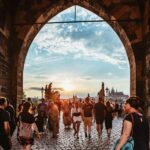
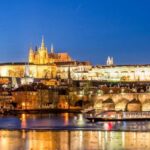
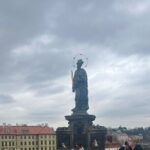
You finish at Charles Bridge. The story and the city exploration game end here, which means you get a clean landing point at one of Prague’s most iconic places.
Practically, this is a good finish because Charles Bridge is easy to keep using after the tour. You can linger for photos, continue toward other nearby sights, or simply enjoy the view without needing to re-plan your route.
It also helps that the tour is designed to be within about 1 to 2 hours. That’s an ideal window when you want something engaging but not so long that it eats your whole day. And because it’s offered in English, you won’t lose time translating or guessing.
Price and value: $7.09 for a full city-game flow
At $7.09 per person, this is priced more like a fun activity than a premium guided tour. The best way to judge value is what’s included in that price: the clue-driven experience itself, a mobile ticket, English support, and the structure that carries you between landmarks.
You’re also getting a route that mixes known and lesser-known stops. That matters because in Prague, “value” isn’t just ticket cost. It’s how much you actually see and learn in the time you have.
One cost consideration: entry tickets for attractions are not included. The tour lists some stops with free admission and some without. But because the experience is set up so the attractions aren’t required just to complete the game, you have a built-in safety net. You can keep your budget controlled by skipping paid entry when you want.
So the value equation looks like this: low upfront cost, strong structure, and the freedom to decide when to add paid entry. That’s a pretty good deal for a city puzzle walk.
Who should book this Prague dark-arts game tour
This tour is a great match if you like:
- walking between landmarks without a rigid group pace
- solving puzzles that feel just challenging enough
- using a phone-based guide while still exploring on your feet
It also works well for people who want an “activity first” sightseeing plan. Instead of wondering what to do next, you always have a reason to move to the next point.
If you’re traveling as a private group (only your group participates), it can be especially fun because you can compare clues and theories without worrying about strangers. And if you’re with a larger group than 15 people, multiple bookings make it possible to keep everyone together-ish without the tour turning into a crowded chaos machine.
Finally, it’s offered in English and lists that most travelers can participate. Service animals are allowed, which is a helpful detail for travelers who need that support.
When this tour might not be your style
This isn’t the best choice if you want:
- a traditional guided lecture
- no puzzles at all
- a mostly indoor, slow-moving tour
The experience is built around clues and story checkpoints. If you prefer straightforward sightseeing with minimal thinking, you may find the pacing more distracting than relaxing. And because some stops have optional paid entry, you’ll want to accept that your experience might include both free and paid-access areas depending on what you choose.
Also, one caution from a review pattern: not every puzzle game from the same provider is equally loved. This specific Prague route seems to land well, but if you’ve had mixed luck with similar game tours before, keep that in mind.
Should you book this Prague Alchemy & Dark Arts tour?
Yes—if you want a playful way to see Prague while getting little story insights along the route. It’s a strong option for a short, structured walking plan that still leaves you room to pause and explore.
Book it especially when:
- you have about 1 to 2 hours and want your time to feel organized
- you enjoy puzzles and want a reason to look closely
- you want both famous and less-common landmarks in one outing
Skip it or choose a different style if puzzles drain your energy or if you want a purely educational guide with no game mechanics.
FAQ
Is this Prague tour self-paced?
Yes. You can stop for as long as you like at each location and continue exploring at your own pace.
How long does the experience take?
It’s listed as about 1 to 2 hours.
Is the tour offered in English?
Yes, it’s offered in English.
Do I need to buy attraction tickets to complete the game?
Entry tickets are not included. Some stops list admission as free and others as not included, but attraction entry is not required to complete the tour.
Where do I start and where do I finish?
You start at Franz Kafka – Rotating Head by David Cerny and finish at Charles Bridge.
Can I use it if I have a larger group?
Yes. If your group is larger than 15, you can make multiple bookings. The activity is private, so only your group participates.