REVIEW · PRAGUE
Prague Jewish Town/Skip-the-Line Official Entry Ticket
Book on GetYourGuide →Operated by Židovské muzeum v Praze/Jewish museum in Prague · Bookable on GetYourGuide
Jewish Prague hits hard and fast. With a skip-the-line ticket, I like how quickly you can get into five major stops, and the Old-New Synagogue still feels like a living thread of the city’s Jewish life. The downside: it’s self-paced, so if you want a fully narrated story, you may wish you had a guide-style explanation as you go.
Your ticket is valid for 3 days from first activation, which makes it easy to fit visits around your day. The recommended flow starts at Maisel, then Pinkas, Old Jewish Cemetery, Old-New, and ends back at your start point, so you can plan a clean, logical walking route.
In This Review
- Quick takeaways before you go
- Ticket value: what $27 buys you in Jewish Town
- The route: how the five stops tell one connected story
- Maisel Synagogue: a foundation story tied to Mordecai Maisel
- Pinkas Synagogue: the memorial wall and why it changes the mood
- Old Jewish Cemetery: Rabbi Loew and the oldest surviving burial grounds
- Old-New Synagogue (Altneushul): Europe’s oldest active synagogue
- Spanish Synagogue: Moorish interior design with Alhambra influence
- Practical tips so your visit feels smooth, not rushed
- Plan your time around opening hours and closures
- Expect what you’re allowed to bring
- Use an audio guide to fill the “self-paced” gap
- Pace your emotions, especially at Pinkas and the cemetery
- How this compares to a guided tour (and when you might want one)
- Who should book this ticket?
- Should you book the Prague Jewish Town skip-the-line ticket?
- FAQ
- What is included with the Prague Jewish Town skip-the-line ticket?
- How long is the ticket valid?
- What is the suggested visit order?
- Does this ticket help you avoid lines?
- Are there restrictions on what I can bring or wear?
- Are the sites open every day?
- Is wheelchair access available?
Quick takeaways before you go
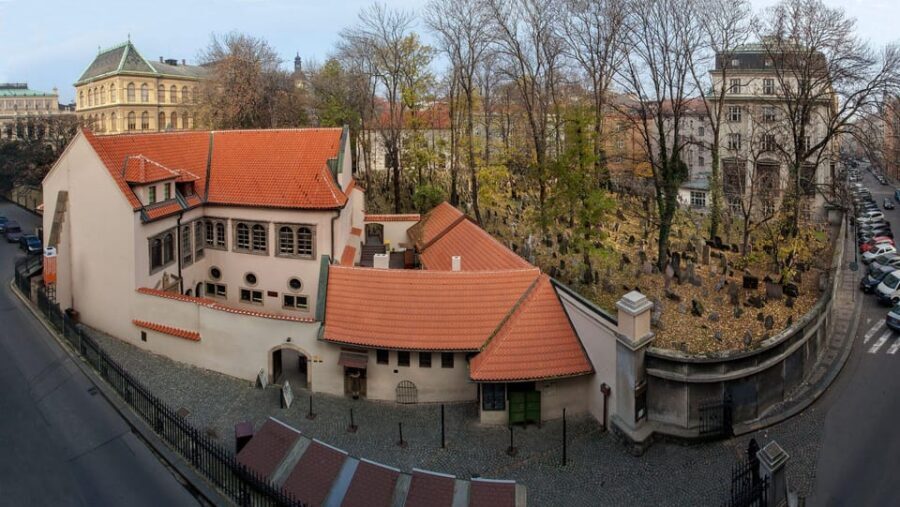
- Real skip-the-line entry to five big sites in Prague Jewish Town, saving you time you’ll actually want to spend inside.
- Old-New Synagogue (Altneushul) is the main draw: the oldest extant synagogue in Europe and an active center for more than 700 years.
- Old Jewish Cemetery traces roots back to the early 1400s and includes the grave of Rabbi Judah Loew Ben Bezalel (the Maharal of Prague).
- Pinkas Synagogue works as a memorial space for nearly 80,000 Jewish victims from the Czech lands who were murdered in the Shoah.
- Spanish Synagogue brings a different flavor, with a Moorish interior design influenced by Spain’s Alhambra style.
Ticket value: what $27 buys you in Jewish Town
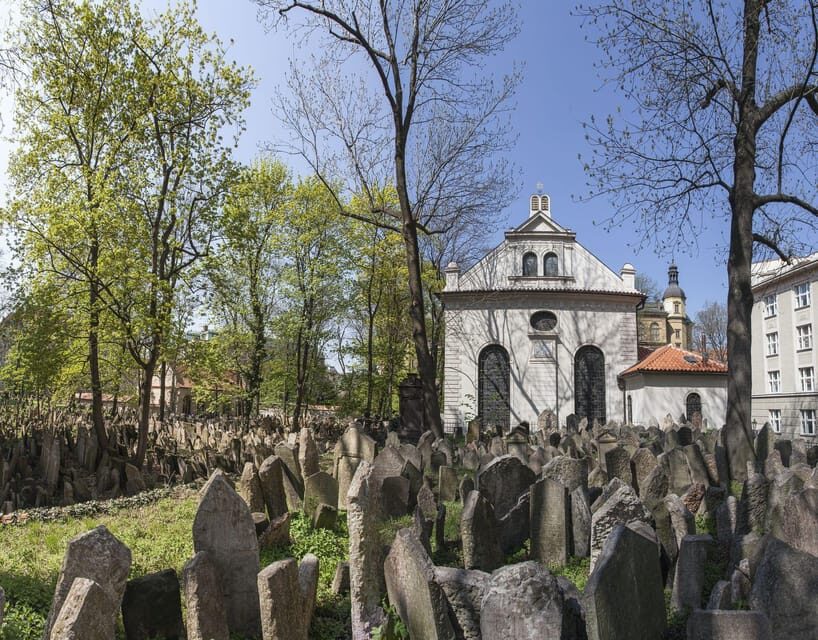
At $27 per person, this is priced like a classic “official entry ticket” rather than a full guided tour. The good news is that you’re not paying for just one building—you’re covering admissions to all five: Old Jewish Cemetery, Old-New Synagogue, Maisel Synagogue, Pinkas Synagogue, and Spanish Synagogue.
That matters in Prague, where you can burn time waiting in line and still feel rushed. Here, the whole point is smoother access, and you get the freedom to linger. In practice, that’s how you get your money’s worth: you can spend 20 minutes in one place, then 60 minutes where the atmosphere grabs you.
The ticket’s validity is also traveler-friendly. It lasts 3 days from first activation, so you can split the experience across your schedule instead of cramming everything into one stressful block.
A few more Prague tours and experiences worth a look

The route: how the five stops tell one connected story
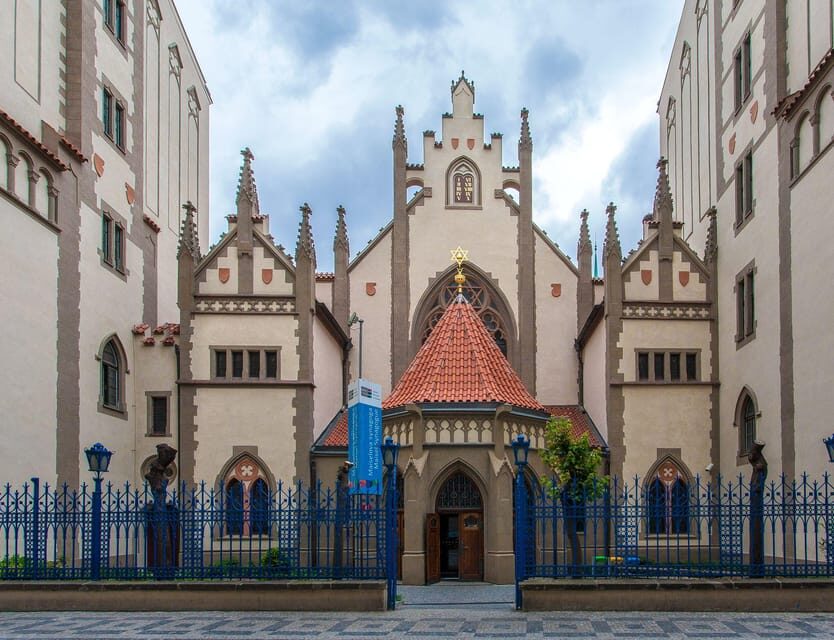
You’ll follow a suggested visit order, and it helps you move through the community’s story in a sensible way.
It starts at Maisel Synagogue, then heads to Pinkas Synagogue, then to Old Jewish Cemetery, then to Old-New Synagogue, and finishes at Spanish Synagogue. The activity ends back at the meeting point, so you’re not stuck trying to find your way afterward.
A self-guided route like this works best if you plan a little time buffer. Some rooms are emotionally heavy, especially the memorial spaces, and you’ll naturally slow down there. The ticket gives you that ability, but it’s up to you to pace it.
Maisel Synagogue: a foundation story tied to Mordecai Maisel
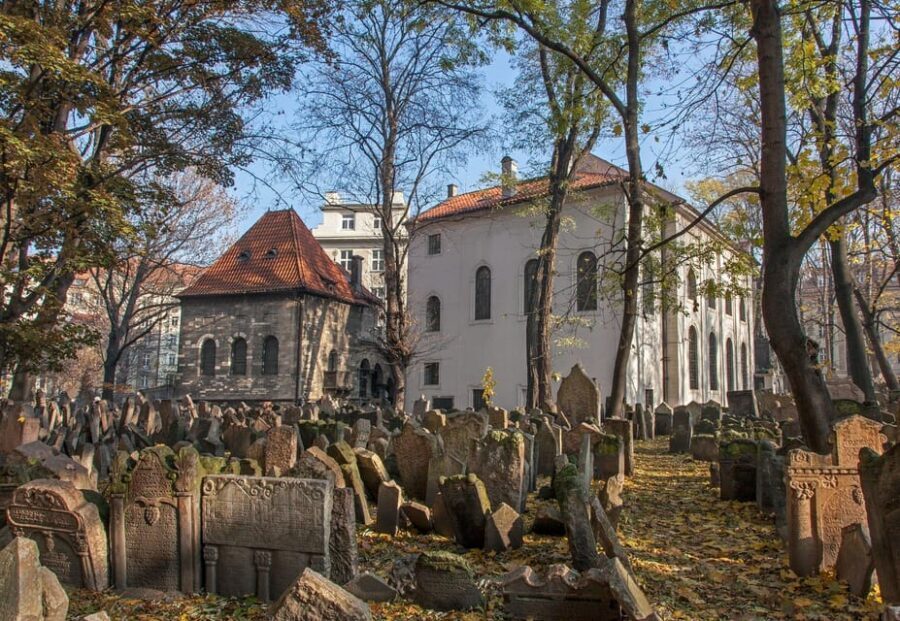
If you like starting with context, Maisel is a strong first stop. This synagogue was founded by Mordecai Maisel, the Mayor of the Prague Jewish Town during the rule of Emperor Rudolf II.
What I like about beginning here is that it frames Jewish Prague as organized civic life—not just a collection of religious buildings. It’s the kind of reminder that communities had leaders, institutions, and influence at key moments in Prague’s history.
Practical note: because it’s a starting point in the sequence, I’d treat it like your warm-up. Give yourself a few minutes to get your bearings in Jewish Town, then continue with the route without rushing.
Pinkas Synagogue: the memorial wall and why it changes the mood
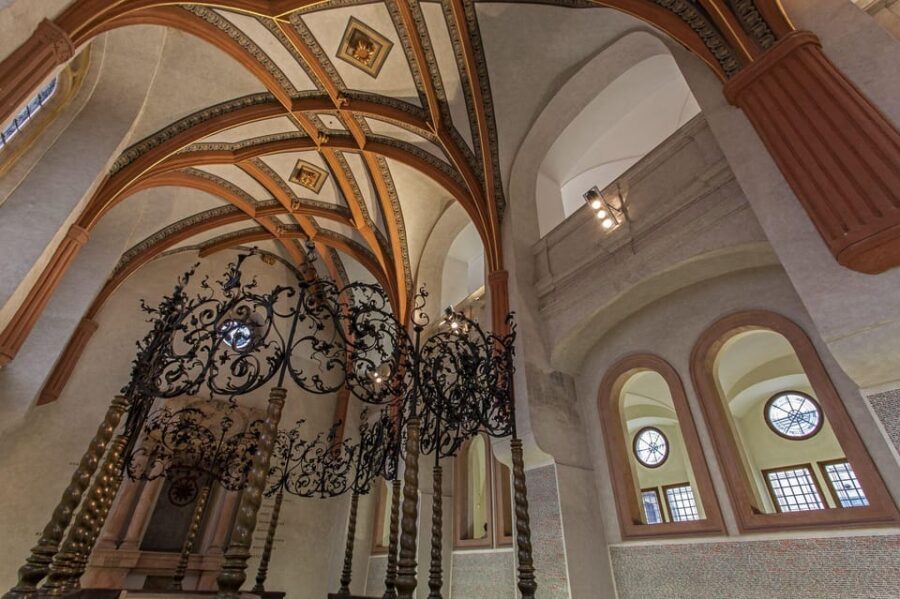
Next comes Pinkas Synagogue, and it shifts the emotional temperature of the visit. It serves as a memorial for nearly 80,000 Jewish victims of the Shoah from the Czech lands.
Even if you don’t know all the background, the power here comes from the focus. Memorial spaces ask you to slow down, and the Pinkas atmosphere is built for that. If you tend to skim, you might miss the point—so I’d plan to stand, read, and let the scale of loss land.
This is also where I can see the main limitation of self-guided tickets. Without a guide’s verbal pacing, it’s easy to move through quickly. If you want deeper narration, consider pairing your visit with an audio guide or doing extra reading before you arrive (the ticket doesn’t include a guide, but audio options are available on site per visitor experience).
Old Jewish Cemetery: Rabbi Loew and the oldest surviving burial grounds
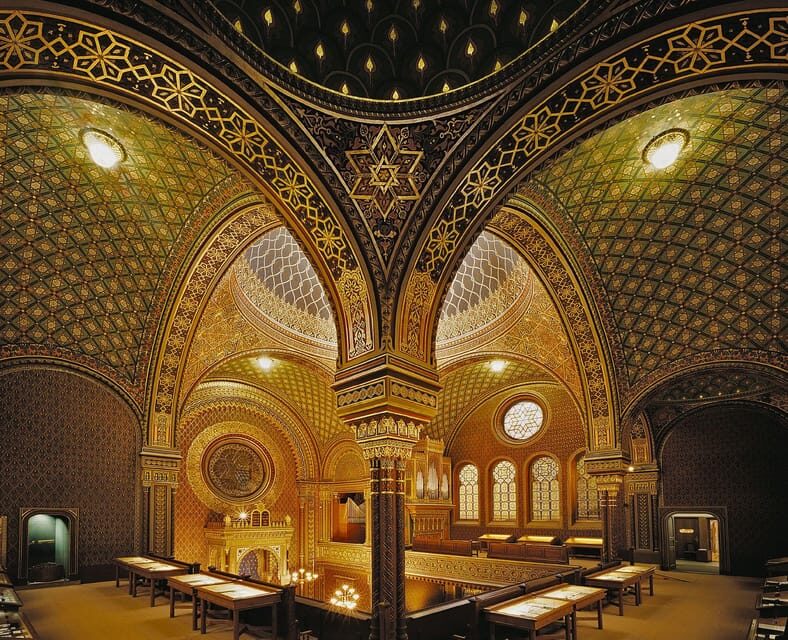
Then you’ll step into one of the most haunting places in Prague: the Old Jewish Cemetery. It’s among the oldest surviving Jewish burial grounds in the world, founded in the first half of the 15th century.
The cemetery is not just historical. It’s personal history made stone—layers of names, time, and remembrance. It’s also where you’ll find the resting place of Rabbi Judah Loew Ben Bezalel, known as the Maharal of Prague.
I’d give yourself extra time here because you don’t just look at the cemetery—you experience it. The space makes you pay attention to what endures and what disappears. If you’re prone to taking photos quickly, resist the urge. Let your eyes adjust and take longer pauses between sections.
A few more Prague tours and experiences worth a look





Old-New Synagogue (Altneushul): Europe’s oldest active synagogue
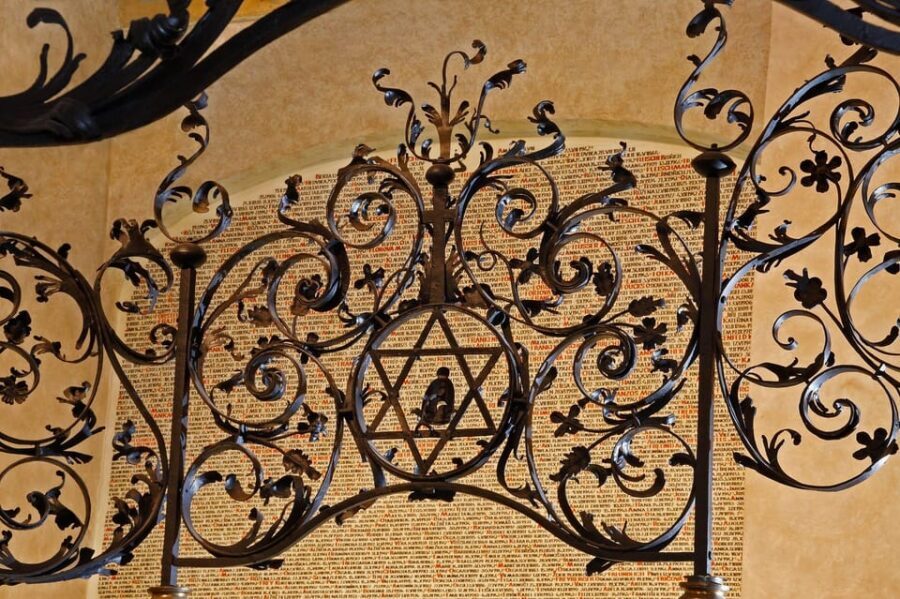
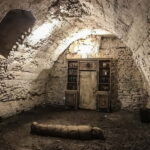
After the cemetery, Old-New Synagogue—also called Altneushul—feels like a return to something living. It’s described as the oldest extant synagogue in Europe, and it has served as the main synagogue of the Prague Jewish community for more than 700 years.
This is one of the stops where the ticket format really works. You get entry without pressure, which means you can spend time with the parts that interest you—architecture, long continuity of worship, or the sense of continuity between past and present.
If you’re the kind of person who likes to connect dates to places, this stop has built-in momentum. The building’s age is the headline, but it’s also the reason it’s emotionally effective. It’s not a museum-only concept of Jewish history—it’s a building still linked to community life.
Spanish Synagogue: Moorish interior design with Alhambra influence
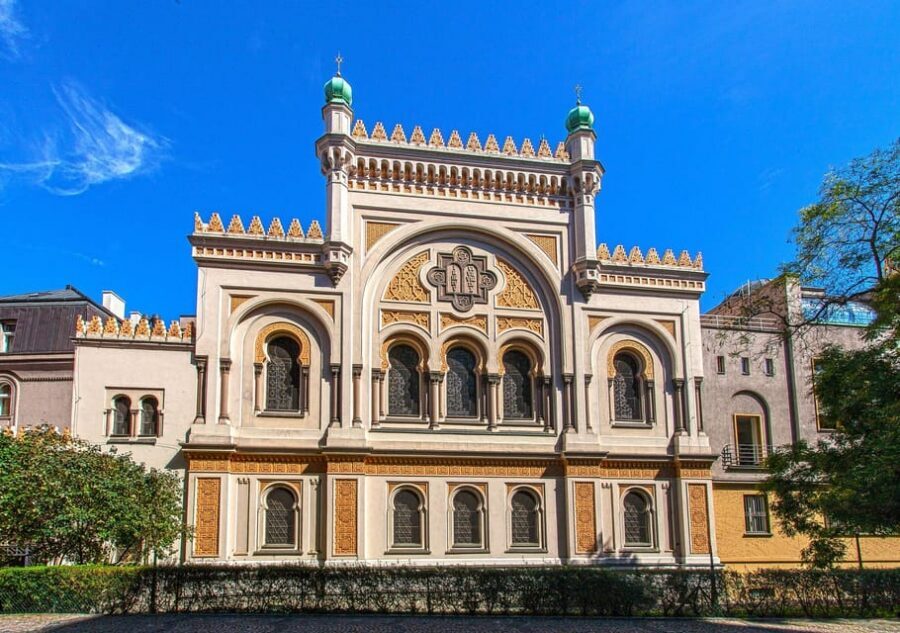
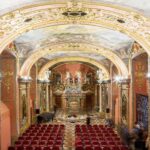
Finally, you’ll reach Spanish Synagogue, named for its striking Moorish interior design, influenced by the famous Alhambra.
This one surprises people. You come expecting a single visual style for synagogues, but Spanish changes the palette. The design makes the synagogue feel like a meeting point between artistic styles and religious space.
What I like here is the balance it adds to the overall route. The cemetery and memorial spaces carry weight, and Spanish gives you a chance to see how Jewish cultural life expressed itself through design and craft.
Go in ready to look slowly. Spend a bit of time on the interior details rather than trying to capture everything at once.
Practical tips so your visit feels smooth, not rushed
This ticket is straightforward, but a few details can make a big difference in how enjoyable it feels.
Plan your time around opening hours and closures
Hours vary by season, and all sites close on Saturdays and during Jewish holidays. In general, you’re looking at longer summer hours, especially from May through August (9 a.m. to 7 p.m.), with other periods typically running to 6 p.m. or to 4:30 p.m. depending on dates.
Also note the winter shift: some dates run 11 a.m. to 4:30 p.m. (like Jan 1, and later Jan 1, 2026). So if you’re an early bird, don’t assume the synagogue doors open at the same time all year.
Expect what you’re allowed to bring
The site rules are clear, and you should take them seriously. You can’t bring weapons or sharp objects, and oversize luggage is a no. You also can’t eat or drink inside, and you’ll want to avoid short skirts, sleeveless shirts, and tripods.
If you’re traveling with a backpack, pack light. Leave large bags behind if you can. When a place is strict, security lines and bag checks can steal your time.
Pets are not allowed, though assistance dogs are permitted.
Use an audio guide to fill the “self-paced” gap
Since this is not an organized narration-style tour, audio support can help you connect the dots. Based on visitor experience, an inexpensive audio guide can make the history feel less fragmented between buildings.
I’d treat the audio guide as your glue: start it in the first synagogue, and follow the order so you build one timeline rather than five separate stops.
Pace your emotions, especially at Pinkas and the cemetery
Pinkas and the cemetery are not light visits. If you treat them like quick photo stops, the meaning can slide right past you. Give yourself permission to slow down there and then move faster at the more architectural stops like Old-New and Spanish.
How this compares to a guided tour (and when you might want one)
This ticket is at its best when you want flexibility and efficient entry. You can spend as long as you want in each place, and you’re not tied to a group schedule.
That said, a guided tour can be worth it if you want a full narrative thread—especially for Pinkas and the cemetery, where history and context matter. A guide can slow down the details that a self-guided visitor might skim.
My advice: if you’re the type who reads labels and still wants the story spoken aloud, consider adding an audio guide or pairing your visit with a separate guided history walk in Prague Jewish Town.
Who should book this ticket?
Book it if you:
- Want official skip-the-line access to five major sites without dealing with ticket booths or delays.
- Like self-paced travel where you choose your own time at each stop.
- Want a strong mix of synagogue architecture, cemetery history, and a major Shoah memorial.
Consider another option if you:
- Prefer live narration and would feel frustrated by limited interpretation.
- Need a fully structured tour flow without any decision-making on your end.
Should you book the Prague Jewish Town skip-the-line ticket?
Yes, I think it’s a solid buy if your goal is efficient, high-impact sightseeing with freedom to linger. At $27, you’re paying for entry to five key sites in one official package, and the skip-the-line angle is exactly the kind of time-saver that makes a difference in central Prague.
The main thing to watch is your preferred learning style. If you want guided storytelling, you may need an audio guide or add-on interpretation. If you enjoy reading at your own pace, this ticket lets you do that while hitting the big names: Old-New, Old Jewish Cemetery, Pinkas, Spanish, and Maisel.
FAQ
What is included with the Prague Jewish Town skip-the-line ticket?
The ticket includes admission to the Old-Jewish Cemetery, Old-New Synagogue, Maisel Synagogue, Pinkas Synagogue, and Spanish Synagogue.
How long is the ticket valid?
The ticket is valid for 3 days from the first activation.
What is the suggested visit order?
The recommended order is: Maisel Synagogue, Pinkas Synagogue, Old-Jewish Cemetery, Old-New Synagogue, then Spanish Synagogue, and the activity ends back at the meeting point.
Does this ticket help you avoid lines?
Yes. It is described as a skip-the-line official entry ticket for the included sites.
Are there restrictions on what I can bring or wear?
Yes. Weapons or sharp objects, oversize luggage, smoking, food and drinks, luggage or large bags, short skirts, pets (assistance dogs allowed), sleeveless shirts, tripods, and alcohol and drugs are not allowed.
Are the sites open every day?
No. All sites are closed on Saturdays and during Jewish holidays. Opening hours vary by season, so check the current schedule for your travel dates.
Is wheelchair access available?
Wheelchair access is described as limited, and you’re advised to check in advance for specific accommodations.