REVIEW · PRAGUE
Prague: Klementinum Mirror Chapel Classical Music Concert
Book on GetYourGuide →Operated by Agency Artistic International s.r.o. · Bookable on GetYourGuide
Prague has a way of turning sound into something you can see, and this Klementinum Mirror Chapel concert is the proof. I love that the music happens in one of the most important spaces in the Klementinum, built between 1722 and 1726, with marble, mirrors, gilded stucco, and painted frescoes all around you. I also like the smart one-hour format with no long wandering or museum fatigue. The main thing to plan for: even though the chapel is heated, it can still feel cold, so bring warm layers.
You’ll sit in open seating with categories (VIP rows 1–6, A rows 7–11, B rows 12–17), so you can match your view to your budget and expectations. The program mixes Czech and world-known composers in a tight run—Smetana’s Moldau, Dvořák’s Humoresque, Mozart, Bizet from Carmen, and more—plus a singer appears several times. The only real catch is that photography rules are strict (no flash, no video), and that can limit how much you can record for later.
In This Review
- Key highlights at a glance
- Mirror Chapel at Klementinum: what you’re really buying
- Getting to Marian Square 5 and finding the right entrance
- Seating in open rows: VIP (1–6) vs A (7–11) vs B (12–17)
- The one-hour classical program: from Smetana to Brahms
- Why the chapel looks so perfect for music
- Photos, rules, and how to make the most of the experience
- Price and value: is $31 worth it?
- Who should book this concert (and who might pause)
- The booking call: should you go?
Key highlights at a glance
- Mirror Chapel access through music: one of the Klementinum’s top interior spaces is reachable via concerts or paid tours only
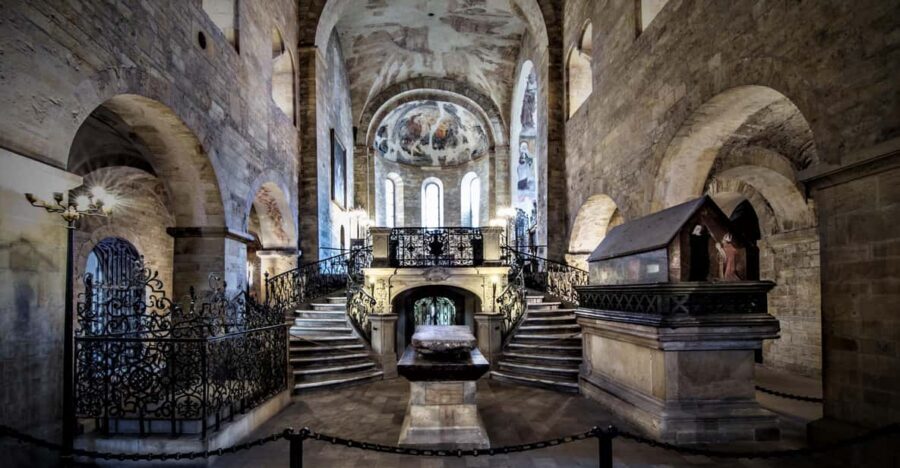
- Baroque visual overload (in a good way): mirrors, marble, gilded stucco, and frescoes set the mood for every note
- A fast, focused program: 1 hour total with no intermission, built for high-impact listening
- Reserved open seating: choose VIP (rows 1–6), A (7–11), or B (12–17) for your preferred sightline
- A strong set of big-name classical pieces: from Smetana and Dvořák to Mozart, Bizet, Bach, Vivaldi, and Brahms
- Acoustics that do the heavy lifting: even in a chilly-feeling venue, the sound carries well
Mirror Chapel at Klementinum: what you’re really buying
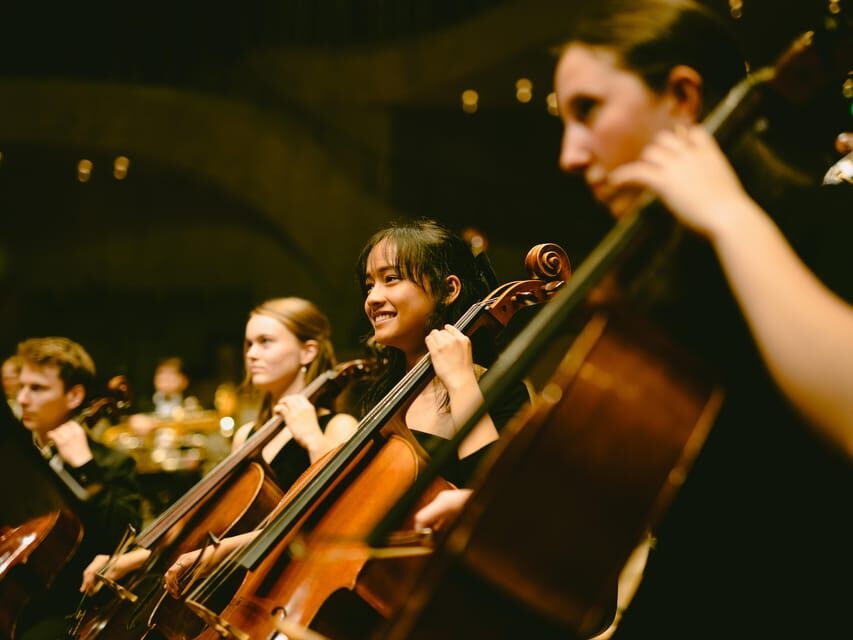
This is not a sightseeing “stop and shuffle” experience. You’re buying entry to a specific performance space—the Mirror Chapel of the Klementinum—where classical music and dramatic architecture work together instead of competing.
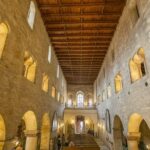
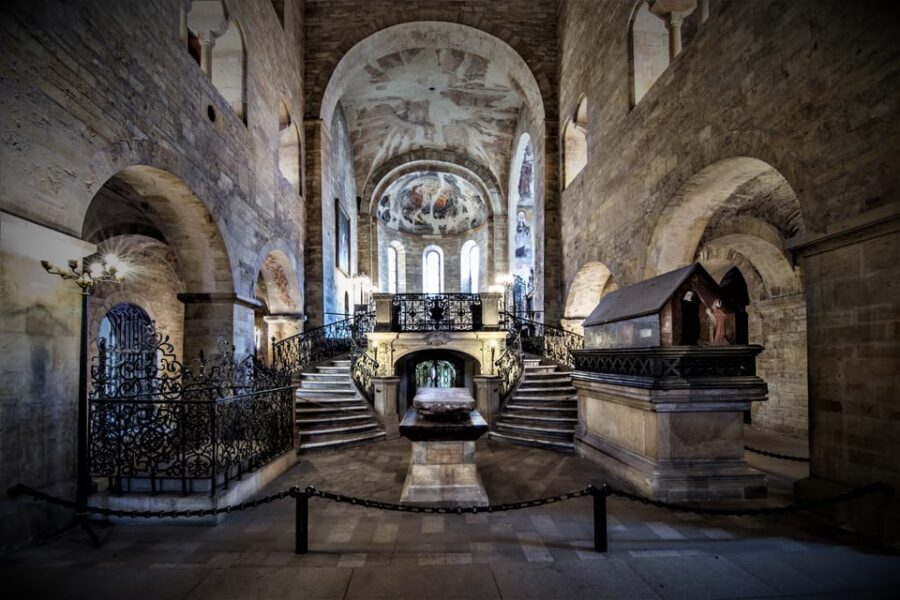
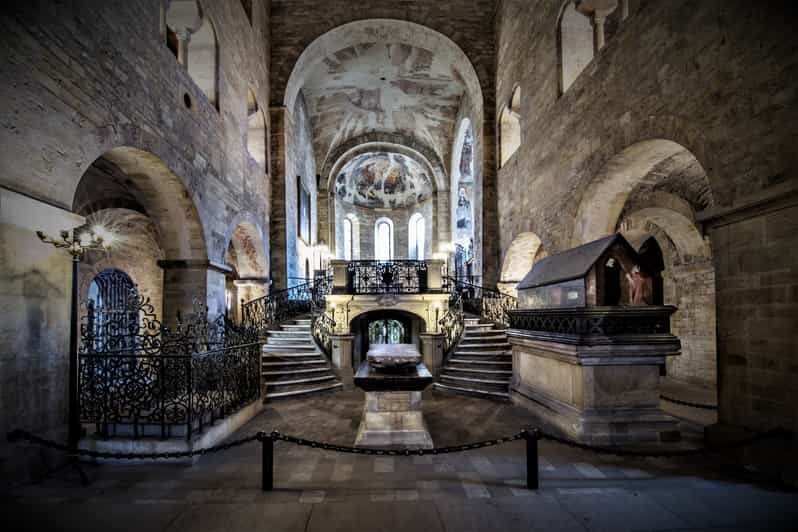
The chapel itself is the headline. It was built between 1722–1726, and the design is sometimes linked to František Maxmilián Kaňka or Kiliám Ignác Dietzenhofer. What matters for you is the result: the room mixes marble, mirrors, gilded stucco decorations, and frescoes and paintings into a look that feels extra even by Prague standards.
Then the program lands in that setting. You get a one-hour concert built around familiar classical favorites. The goal is easy to understand: make you feel the music immediately, while you’re still staring around in disbelief at the surroundings.
A few more Prague tours and experiences worth a look
Getting to Marian Square 5 and finding the right entrance
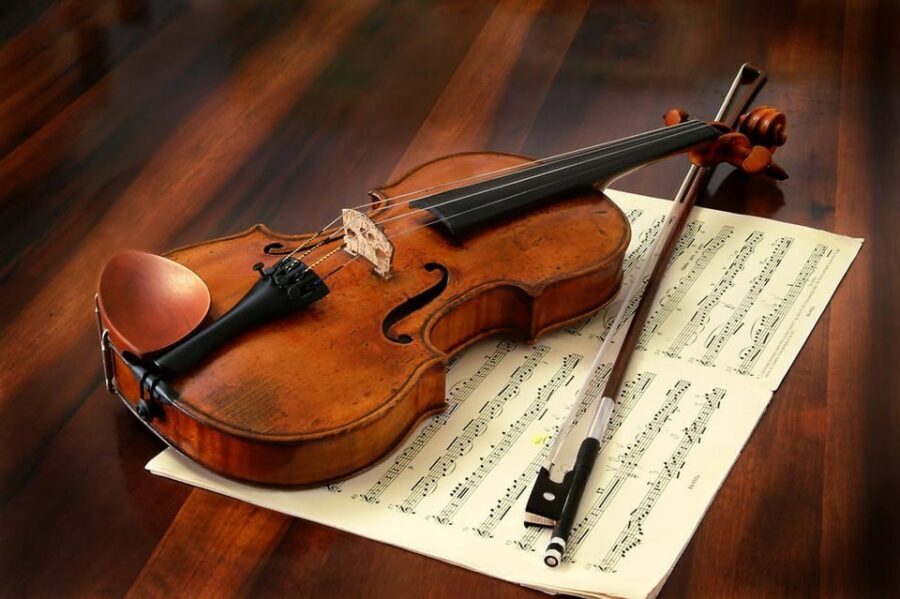
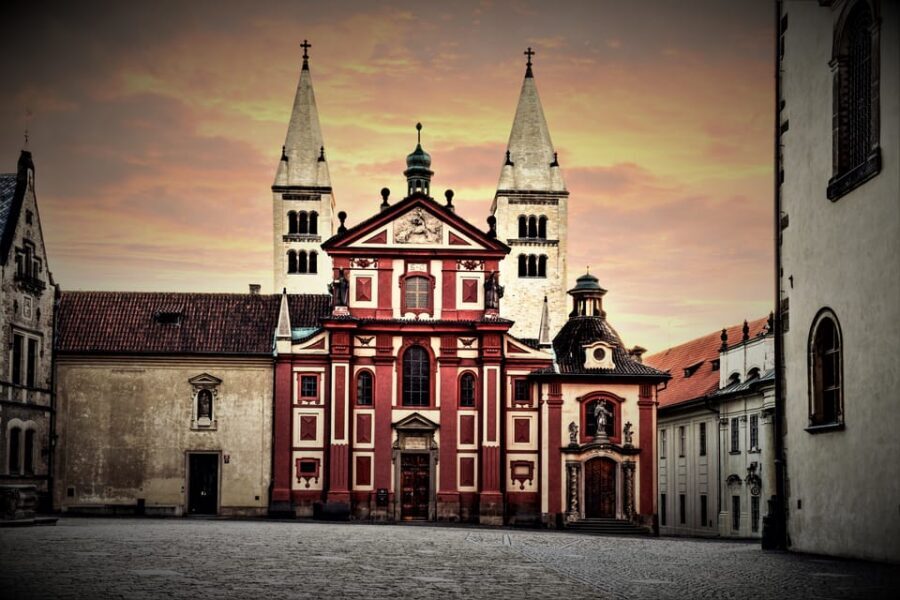
The meeting point is set so you’re not wandering through Old Town trying to spot a tiny sign. Expect to meet in front of the main entrance to the Mirror Chapel on Marian Square 5 in Prague 1.
The provided address for the start point is: Křižovnické nám. 1040/4, Staré Město, 110 00 Praha 1. It’s the same area—just use it as your GPS fallback if you arrive via public transport and need a clean reference point.
Once you’re there, the flow is simple: check in with the host/greeter (English and Czech), then get seated. This is a small group experience, and that matters. A tight group usually means less waiting and fewer bottlenecks inside a venue like this.
Seating in open rows: VIP (1–6) vs A (7–11) vs B (12–17)
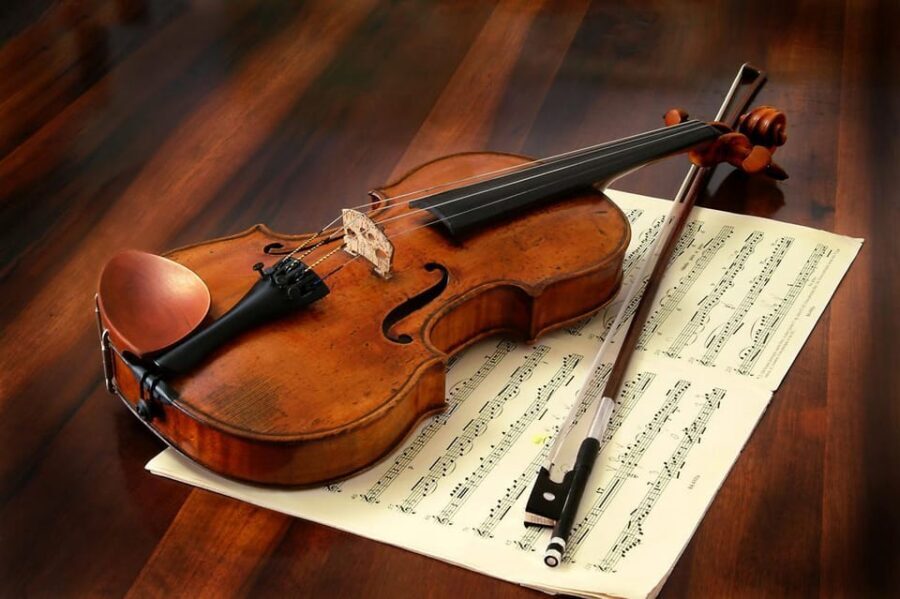
The concert uses open seating, split into categories. Here’s how to think about it:
- VIP category: rows 1–6
Best if you want a close view of the performers and you’re picky about sightlines.
- Category A: rows 7–11
A middle ground if you want comfort and still expect to see plenty without paying for the front.
- Category B: rows 12–17
Usually the value choice, especially if you mainly care about the music and the room’s acoustics.
One small practical note based on real-world experience: if you end up in the back, you may not see every movement clearly. In that case, lean into the surroundings. Mirror Chapel gives you visual stimulation even when the musicians are small in your frame, and the mirror-and-stucco look helps make the time feel special.
The one-hour classical program: from Smetana to Brahms
This concert keeps you moving forward with a program that’s built for recognition. It’s not random; it’s a thoughtful mix of Czech identity and international classics, so you get variety without losing the thread.
The set list, in the order it’s presented, is:
- B. Smetana – Moldau
Expect a flowing, cinematic mood—Smetana is a master of picture-making with sound.
- A. Dvořák – Humoresque (Largo)
Then comes something intimate and lyrical, a palate cleanser before the energy shifts again.
- Slovanic dance No. 8
A more rhythmic turn, bringing folk-inspired bite into the program.
- G. Bizet – Intermezzo and ouverture from Carmen
This is big-romantic territory. Bizet gives you moments that feel instantly familiar even if you’re not a lifelong classical fan.
- J. Pachelbel – Canon in D (J. S. Bach Air)
The Canon energy is steady and recognizable, while the Bach Air adds a more graceful, sustained feel.
- A. Vivaldi – Four Seasons: 2nd movement from Winter + Complete Spring
Vivaldi is like emotional weather. Winter’s second movement brings a chill tone, and Spring shifts you into brighter motion.
- W. A. Mozart – Divertimento (FT. Albinoni Adagio)
Mozart’s lightness keeps things elegant. The mention of Albinoni Adagio gives an extra slow, beautiful contrast.
- J. Brahms – Hungarian dances No. 6, 5
The closer builds momentum with dance rhythms that feel celebratory and decisive.
Also worth knowing: there’s a singer included, and the program structure brings vocals in multiple times. If you like when classical music adds a human voice instead of staying purely instrumental, this is a real plus.
The big advantage of this format is how concentrated it is. You’re not committing to a long evening just to get the “best parts” of a performance space. You get an hour that feels like a highlight reel.
Why the chapel looks so perfect for music
Mirror Chapel earns its name in more ways than one. The room is packed with visual detail—marble, mirrors, gilded stucco, frescoes and paintings—so the atmosphere changes as the light shifts and as you move in your seat.
That matters because classical concerts can sometimes feel static if the room is plain and the performers are far away. Here, the space keeps your attention. Even if you’re not directly focused on every player, the architecture holds your gaze.
One more practical detail: the venue is heated. Still, don’t assume that means you’ll feel warm in every situation. Prague weather can be sneaky, and outside temperatures can make the wait and arrival period feel colder than you expect. Bring warm clothing and treat layers like your insurance policy.





Photos, rules, and how to make the most of the experience
You’ll want to plan your expectations for recording. Flash photography is not allowed, and video recording is also not permitted. That’s a common rule in historic venues, and it’s worth respecting so the concert stays smooth.
So what should you do instead? Do what people often forget in the age of constant filming:
- Look up often. The ceiling and painted details are part of the show.
- Listen with your whole attention span, not just half. One hour moves quickly.
- If you’re in a back row, let the room visuals do part of the job that camera zoom would normally do.
The acoustics are a standout point. The space carries sound well, and even when people felt cold in the room, the music still landed with clarity. That’s the kind of setup where you can really hear the ensemble, not just the noise.
Price and value: is $31 worth it?
At $31 per person, the ticket price is fairly focused. You get admission to the concert itself, and that includes access to Mirror Chapel for the performance. What’s not included is transportation, food, and drinks.
So the value question is simple: are you paying for the chapel experience or just the music?
If you’re the type who would otherwise skip a concert because you’d rather “tour” buildings, this is where it works. You’re paying to experience the building as a living space, not as a photo backdrop. And because the duration is 1 hour without intermission, you’re not turning one evening into a half-day schedule puzzle.
It also helps that the repertoire is built for broad appeal. Even if you don’t know the exact piece title, you’ll recognize the style, and the program includes major name composers across Czech and world music. That increases the odds you’ll enjoy yourself even if your classical comfort level is casual.
Who should book this concert (and who might pause)
I think this suits a few clear types of travelers:
- You want a high-impact, short cultural moment in Prague’s Old Town
- You love classical music but don’t want a multi-hour sit-down commitment
- You care about architecture and want it in the same experience, not as a separate stop
- You prefer small-group settings with an organized flow
You might pause if you’re traveling with very young children, since it’s not suitable for children under 3 years. And if you’re planning to document everything with video, the rules will be annoying. It’s also less of a fit if you hate sitting in colder-feeling environments. The venue is heated, but layers are still smart.
The booking call: should you go?
I’d recommend booking this if you want Prague at its best: the city’s love of beauty paired with music that sounds right in the space where it’s played. The big strengths are the combination of Mirror Chapel’s dramatic interior and a one-hour program that moves through major composers without dragging.
Pick your category based on what you care about most:
- Go VIP (rows 1–6) if sightlines matter.
- Choose A or B if you’d rather spend your money on the experience than on the closest seat.
If you want a compact cultural win that feels special the whole time you’re there, this one’s an easy yes.