REVIEW · PRAGUE
Prague: Museum of Bricks Entry Ticket
Book on GetYourGuide →Operated by Museum of Bricks · Bookable on GetYourGuide
LEGO time travel in the heart of Prague. With the Museum of Bricks entry ticket, you walk 20 themed rooms packed with 3,000+ exhibits built from 1 million+ bricks. It’s the kind of attraction that works for kids and adults, because it mixes big visuals with real LEGO nostalgia.
I especially like the way the displays turn LEGO into mini-movies: pirates, knights, space scenes, and even pop-culture universes. The biggest drawback is practical: the layout can feel crowded and tight, and some sections have narrow corridors where you’ll be shuffling instead of strolling.
In This Review
- Key Things I’d Plan For
- What the Museum of Bricks Ticket Gives You in Central Prague
- 20 Themed Worlds Built From 1 Million+ Bricks
- The Prague flavor you’ll appreciate
- The Interactive Part Kids Actually Don’t Rush
- A tip that helps the flow
- LEGO Nostalgia: Older Sets, History, and That Childhood Feeling
- Why the history angle makes it better for adults
- The Layout Reality Check: Crowds and Narrow Corridors
- The Gift Shop Afterward: Rare Finds and Loose-Piece Fun
- What to watch for
- How Long to Spend: 1 Day Ticket, Realistic Time Use
- Who This Museum of Bricks Ticket Is Best For
- Who might not love it
- Price and Value: Is $14 Worth It?
- Should You Book the Museum of Bricks in Prague?
- FAQ
- How much is the Museum of Bricks entry ticket?
- How long is the ticket valid?
- What will I see inside?
- Is there a play area for kids?
- Can I leave and re-enter the museum on the same ticket?
- Is the museum suitable for people with mobility impairments?
- What can you buy in the shop after the exhibits?
- Is free cancellation available?
Key Things I’d Plan For
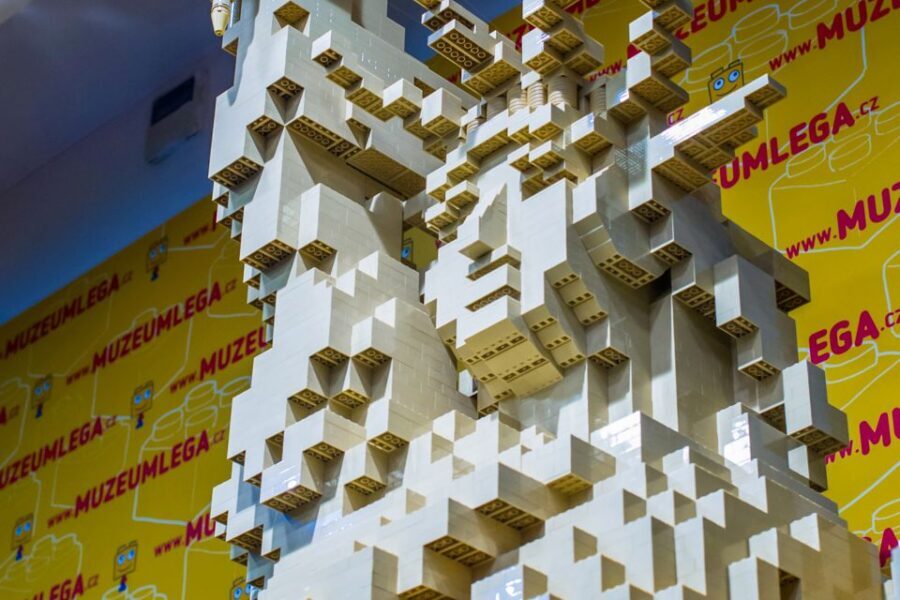
- 20 themed areas to move from one world to the next without getting bored
- 3,000+ models made from over 1 million LEGO bricks
- Kid-friendly build zones with LEGO and Duplo-style play time
- Theme park energy from classic sets that make it easy to talk about your own childhood LEGO
- A shop with rare-ish options, including limited editions and even loose pieces to build your own ideas
What the Museum of Bricks Ticket Gives You in Central Prague
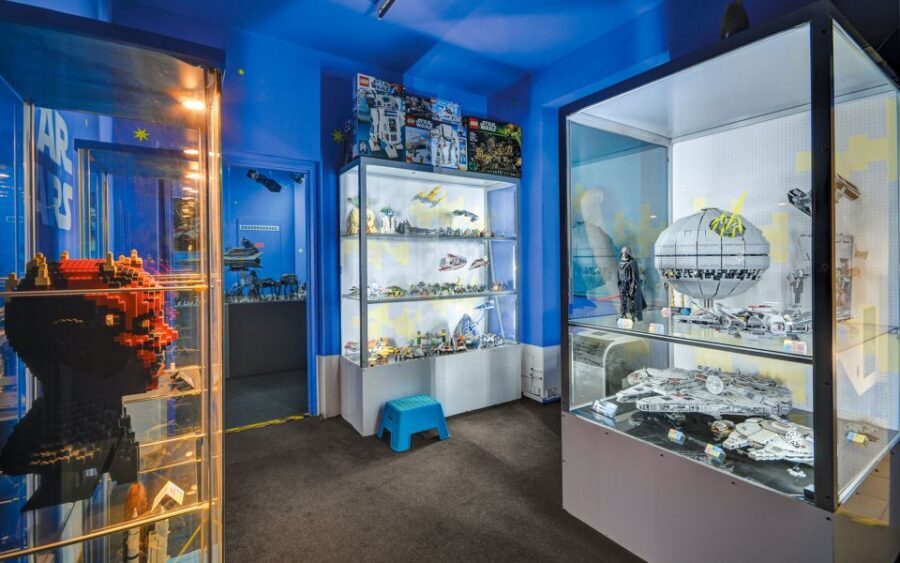
This is a full-on LEGO museum experience, sold as a one-day ticket. You enter, follow the route through themed exhibits, then you can come back out and return again with the same ticket. That flexibility matters in Prague, where you might want to stop for hot chocolate or duck inside a café mid-day and not feel guilty about missing something.
At about $14 per person, it’s priced like a family attraction, not like a major museum with a huge rotating collection. The value comes from volume: you’re not paying for one showpiece. You’re paying to spend time surrounded by thousands of models, plus a play area and a shop afterward. If you like LEGO at all, it’s an easy decision.
One note before you go: the museum isn’t set up for people with mobility impairments. If that’s you (or someone you’re traveling with), you’ll want to plan something else.
A few more Prague tours and experiences worth a look



20 Themed Worlds Built From 1 Million+ Bricks
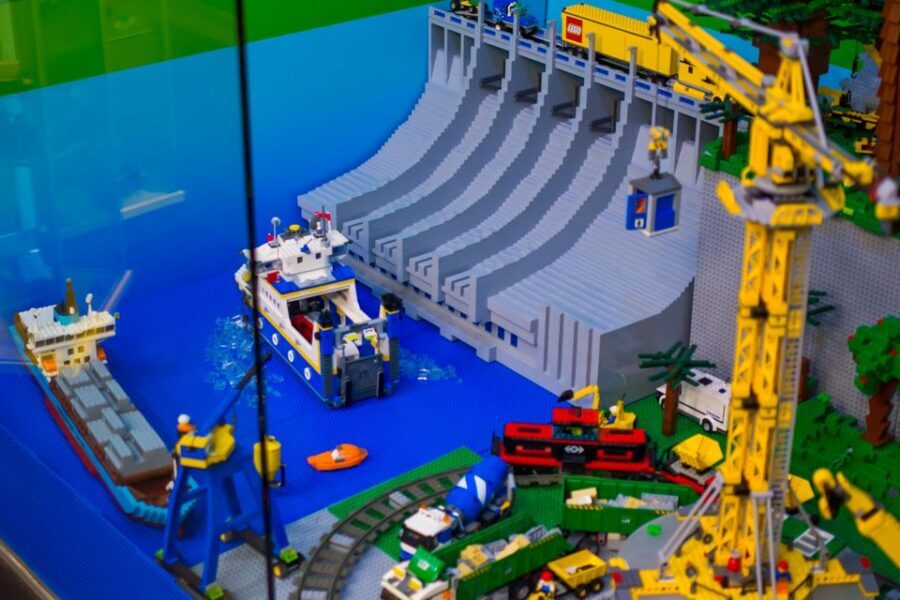
The core of the Museum of Bricks experience is simple: 20 themed areas that sweep across different LEGO worlds. You’re promised more than 3,000 different models, and the scale really shows once you start walking. The exhibits are built from over 1 million bricks, and that number isn’t just marketing math. You can see it in the density of details and the way the models fill the space.
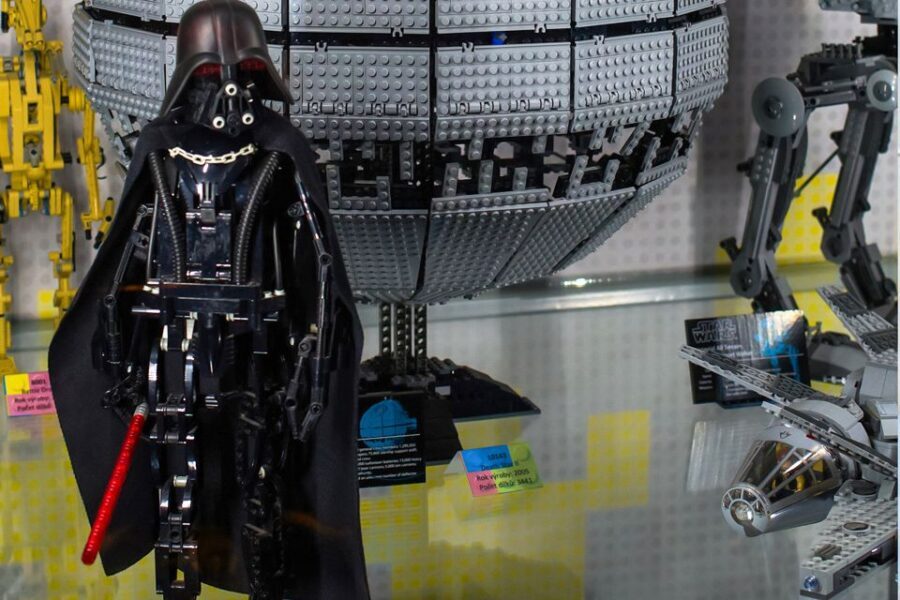
What makes this fun isn’t only the quantity. It’s the pacing. Each zone is its own little universe, so your eyes get a reset every few steps. One area might feel like a pirate adventure, and the next might shift you toward knights-and-castles energy or a space-galaxy vibe. The museum also includes builds tied to recognizable franchises—Harry Potter’s magical world and Indiana Jones are specifically mentioned.
If you’re traveling with kids, this structure helps a lot. Kids don’t have to “power through” a single long exhibit. They can jump between themes, ask questions, and point at the characters they recognize. Adults often like the opposite thing: how LEGO storytelling has changed over time while the building idea stays the same.
The Prague flavor you’ll appreciate
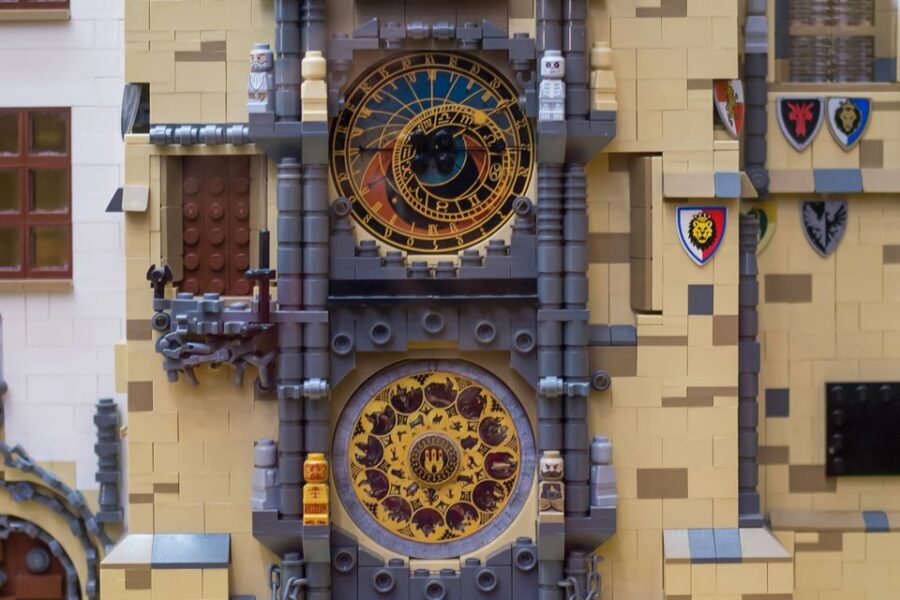
A standout angle is that you’re not only looking at invented LEGO kingdoms. There are also replicas of Prague buildings made in LEGO form. That turns the museum into a “second lens” on the city. You finish a walk through LEGO Prague and suddenly notice architectural details you might’ve missed on a quick street-level stroll.
The Interactive Part Kids Actually Don’t Rush
Most LEGO museums have displays. This one adds a second act: play. Reviews consistently highlight a room where kids can build with LEGO and Duplo, and at least one visitor mentions brick ball pits where children can sit and build.
That matters for your planning. You might think you’ll see everything quickly because the exhibits are lined up. Then you hit the play area and suddenly the clock slows down. One review described a 7-year-old spending over five hours building—so yes, it can turn into a full afternoon.
If your kids are the type who “need to touch things,” this is a big win. And even if they’re older, the play zones help everyone reset their brains. LEGO is one of the few toys where adults can relax too. You’re not responsible for “entertaining” all day—you’re just helping with snacks and keeping an eye on time.
A tip that helps the flow
Plan to take your time with the play area, but don’t lose your momentum. Since the museum layout can get crowded (more on that below), I’d aim for the interactive part when you’re mentally ready to stay awhile. If you treat it like an afterthought, you can end up squeezed in with everyone else.
You can also read our reviews of more museum experiences in Prague






LEGO Nostalgia: Older Sets, History, and That Childhood Feeling
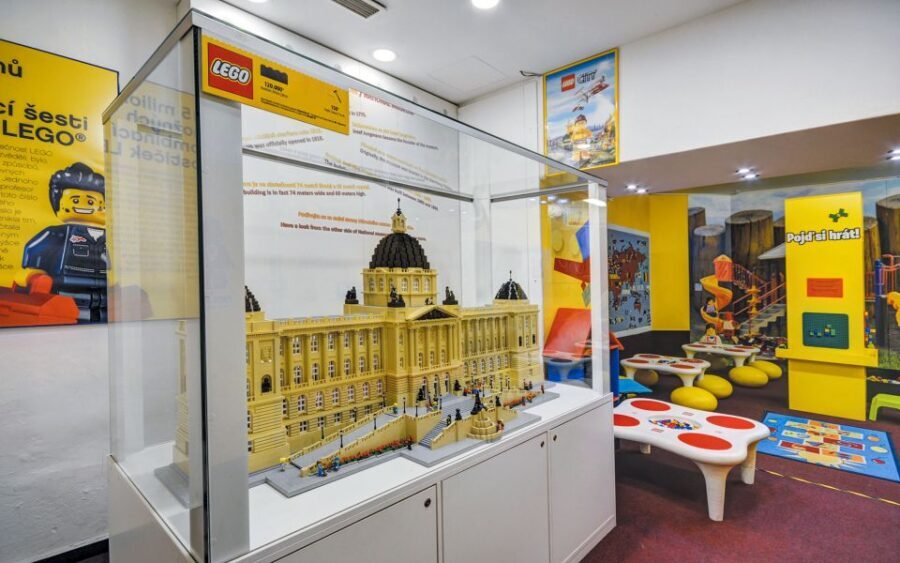
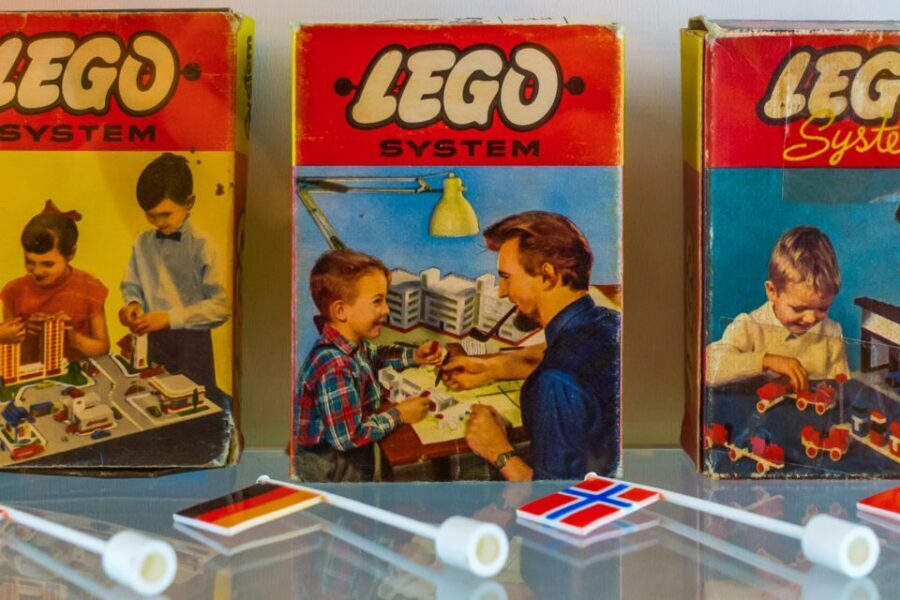
Another thing I really like about the Museum of Bricks concept is that it’s not just about fantasy worlds. It also leans into LEGO history and evolution. The building kit is described as honored as the toy of the century, and the museum builds a story around how LEGO became what it is today.
You’ll see older LEGO sets alongside newer ones, and for many adults, that’s where the emotional connection hits. The museum is a shortcut back to the days when building sets felt like a special ritual. One review mentioned the experience is great for anyone who built different LEGO sets as a kid, because the walk becomes a nostalgia trip with instructions.
There’s also mention of a LEGO-themed hunt or quiz that can lead to a certificate. That’s useful even if you don’t think your kids are “quiz people.” Light gamification helps kids focus in crowded spaces, and it also gives the adults something to do besides stand and wait.
Why the history angle makes it better for adults
A lot of kid attractions are only “fun.” This one is fun plus a little educational. You’re still looking at pictures and characters, but you’re also seeing how LEGO design, themes, and minifigure ideas have shifted. Adults tend to appreciate that context because it turns the visit into more than a photo stop.
The Layout Reality Check: Crowds and Narrow Corridors
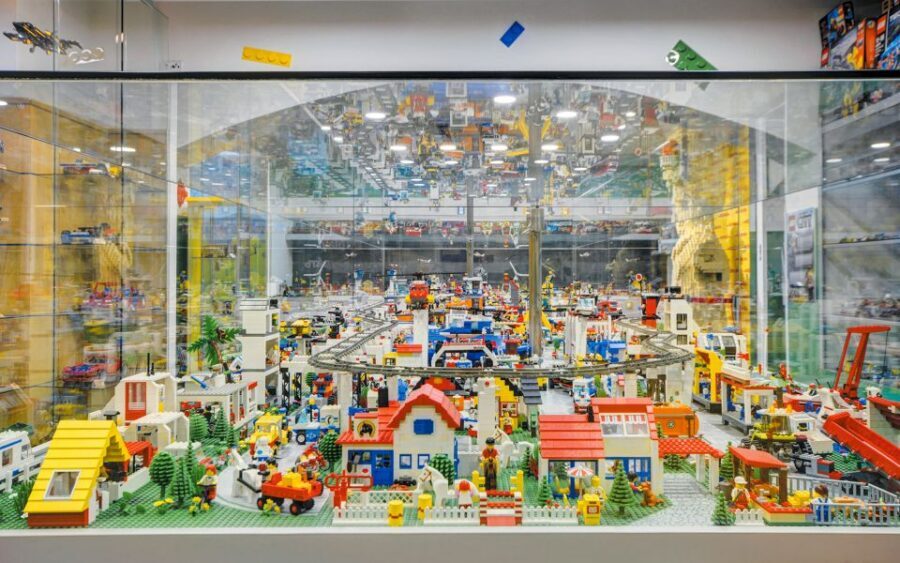
Now for the honest part. Even though this place feels big once you’re inside, the flow can feel constrained. Reviews mention narrow corridors, awkward shuffling, and areas that feel overcrowded. Translation: you may not get that wide-open museum stroll feeling, even if the exhibits themselves are impressive.
I’d deal with this in two ways:
- Pick a time when you can move calmly. If you go at peak family hours, expect more “traffic.”
- Keep your pace flexible. If one corridor bottlenecks, cut your expectations. Don’t fight the crowd. Let it pass and keep enjoying the next zone.
If you’re sensitive to tight spaces, you’ll want to take breaks. The museum’s ticket rules (you can exit and re-enter with the same ticket) make that easier. You can step out for air or a drink, then come back without starting over.
The Gift Shop Afterward: Rare Finds and Loose-Piece Fun
Your visit doesn’t end at the last model. The museum includes a shop right afterward, and it’s part of the experience in a practical way. You can browse catalogs and find typical LEGO sets, but the shop also carries exclusive limited editions and sets that are no longer produced.
This is where LEGO fans get a second thrill: discontinued minifigures and harder-to-find items. One review even called out the ability to buy loose LEGO pieces, which is a big deal if your kids (or you) like to build freely rather than follow instructions.
What to watch for
The shop can be very busy since it sits right at the activity hub. One review also mentioned the shop exchange process before entry. That doesn’t change the attraction, but it helps you plan your arrival mindset: expect a lively area near the museum entrance.
Also, be aware of payment quirks. One visitor said card payment wasn’t working at the entrance when their systems were down and that it was cash only then. I can’t promise this happens every day, but if you’re the cautious type, bring a little cash as a backup.
How Long to Spend: 1 Day Ticket, Realistic Time Use

The ticket is valid for 1 day, and you can check starting times. But the real question is how long you’ll want to stay. Based on reviews and what the museum is built to offer, you should plan for at least an hour or two if you’re moving steadily. If you’re visiting with kids who use the play area, it can stretch a lot longer—some families clearly end up there for much of the day.
Here’s a simple way to structure your time:
- First pass: focus on the 20 themed areas and key franchise worlds.
- Second pass (optional): slow down for anything your kids keep pointing at.
- Play time: let the build area become its own planned block.
- Shop time: finish with browsing, because it’s easier to decide what to buy when you’ve seen the models already.
This also helps with crowds. If you time the play area for later, you avoid spending your best energy in a narrow corridor while everyone is trying to do the same thing.
Who This Museum of Bricks Ticket Is Best For
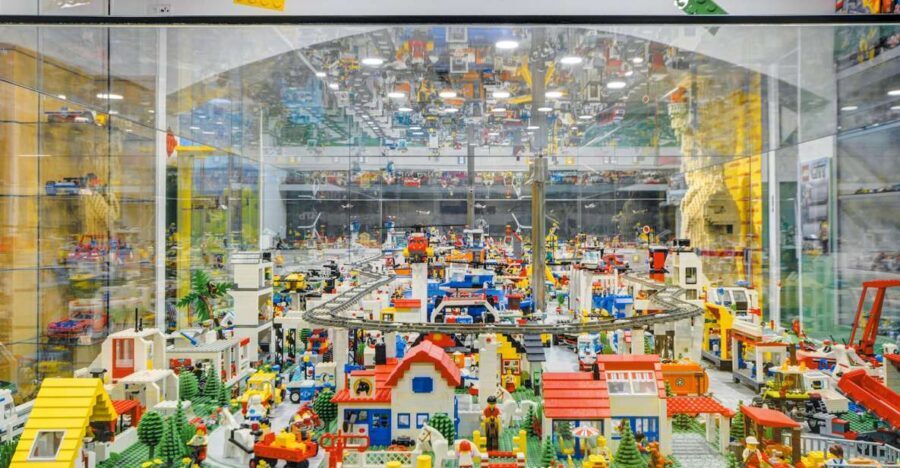
I think this is one of those attractions that travels well across ages.
- Families with LEGO kids: You get themed exhibits plus hands-on building time. It’s the kind of place where your child can have a plan without constantly asking what to do next.
- Adult LEGO fans: You’ll enjoy seeing older sets and the evolution of themes, not just the flashy new builds.
- Rainy-day planners: It’s indoors, and it’s structured. You can keep everyone engaged without building an itinerary around weather.
Who might not love it
If you dislike crowds or tight indoor walkways, you’ll need to go in with eyes open. The space can get busy, and narrow corridors can make moving feel slower than you’d expect.
Also, if you’re expecting a huge museum with wide, calm galleries, you might find the experience smaller than the word museum suggests. That doesn’t mean it’s not worth it—it just helps to set expectations around how the space feels.
Price and Value: Is $14 Worth It?
Let’s talk value, because $14 can be either a steal or a regret depending on what you get.
You’re paying for:
- 20 themed exhibit areas
- 3,000+ models
- over 1 million bricks in the build effort
- interactive play time with LEGO/Duplo-style building
- a shop with exclusive and limited options to extend the experience
For many families, the best “value moment” is the play area. When kids can build for a long stretch, you’re not just paying to look—you’re paying to keep them engaged. For adults, value comes from variety: franchise worlds, LEGO history, and even Prague-specific replicas.
The value warning I’d give is this: the shop prices can be higher than you’d pay back home, and the museum’s physical space can feel tight when it’s crowded. So if you tend to be price-sensitive and you hate indoor crowds, you’ll want to plan your visit time carefully.
Should You Book the Museum of Bricks in Prague?
I’d book it if LEGO is even a little part of your family’s travel personality. The museum does a rare thing: it’s visually impressive and also interactive enough to justify the ticket. You’ll also leave with ideas for what to buy (or build) later, thanks to the shop’s mix of regular sets and less-common finds.
I’d skip it if you’re traveling with someone who strongly dislikes crowds or narrow indoor corridors, or if mobility access is a concern. In those cases, the museum’s physical setup won’t be your friend.
If you do book, go in with a mindset of patience. You’re walking through a lot of detail in a space that can get busy. Take breaks, slow down where you care, and let the kids steer at least part of the visit.
FAQ
How much is the Museum of Bricks entry ticket?
The ticket price is listed at $14 per person.
How long is the ticket valid?
The ticket is valid for 1 day.
What will I see inside?
You’ll find 20 themed areas featuring more than 3,000 exhibits, including builds made from over 1 million LEGO bricks. The themes include things like pirates, knights, space, and LEGO versions of worlds such as Harry Potter and Indiana Jones.
Is there a play area for kids?
Yes. There is a room where kids can play/build with LEGO and Duplo, and at least one review mentions LEGO ball pits.
Can I leave and re-enter the museum on the same ticket?
Yes. One review notes you can enter and exit multiple times with the ticket.
Is the museum suitable for people with mobility impairments?
No, it is listed as not suitable for people with mobility impairments.
What can you buy in the shop after the exhibits?
The shop sells regular catalogue sets, exclusive limited editions, sets no longer produced, mini-figures, and there is also the possibility of buying loose LEGO pieces.
Is free cancellation available?
Yes. Free cancellation is offered up to 24 hours in advance for a full refund.