REVIEW · PRAGUE
Prague: Tyn Church Classical Music Concert
Book on GetYourGuide →Operated by ClassicsInternational · Bookable on GetYourGuide
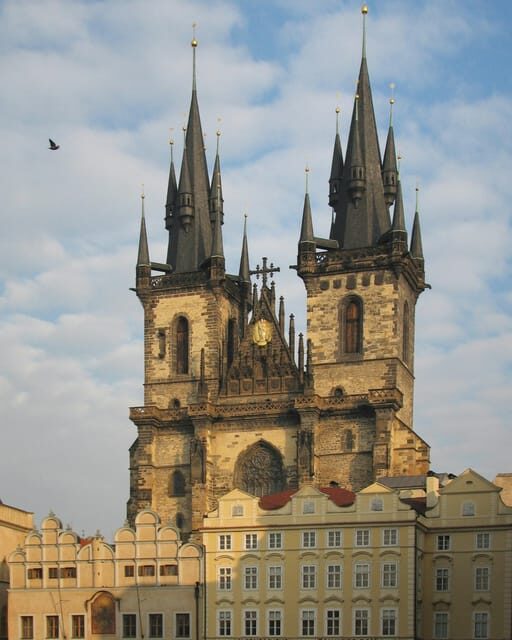
Prague sounds better when it comes from stone. This Prague classical music concert happens inside Church of Our Lady before Týn (Týn Church), where a 70-minute program mixes big-name composers with standout soloists. I love how the concert pairs Prague Philharmonic string players with three featured performers you’ll recognize from major stages and recordings. I also like the variety: from Vivaldi energy to Bach depth, then a swing into Mozart and Smetana.
One thing to consider: this is serious, seated listening time. At least one performance report notes the soprano looked a bit tired, so if you’re extra sensitive to vocal presence night-to-night, go with realistic expectations even when the music is excellent.
In This Review
- Key highlights you’ll actually care about
- Týn Church: the setting that does half the job
- The performers: Prague Philharmonic strings plus three power soloists
- The 70-minute program: how the music moves (and why it works)
- Opening energy: Vivaldi’s Spring/Summer
- Sacred backbone: Bach Magnificat and Jesu, Joy
- Big statement: Beethoven’s Fifth (Allegro)
- A quiet lift: Schubert’s Ave Maria
- Czech pride and public favorite melodies: Moldau and beyond
- Mozart plus a crowd-pleaser: Divertimento, Canon & Gigue
- Closing with emotion: Mozart Requiem (Lacrimosa)
- What $36 buys you (and why it’s often worth it)
- The small details that shape your experience
- You’re in for listening, not sightseeing breaks
- A calm crowd helps
- Live performance varies
- Who this concert is best for
- Should you book it?
- FAQ
- Where does the concert take place?
- How long is the concert?
- What music will be performed?
- Who performs?
- What’s included with the ticket?
- Are children allowed?
Key highlights you’ll actually care about
- Historic Týn Church acoustics: bright, clear sound that makes organ and strings feel close.
- Soloists with serious credentials: soprano Anda-Louise Bogza, organist Aleš Bárta, violinist Vlastimil Kobrle.
- Prague Philharmonic strings: the backbone of the program, not an afterthought.
- A program with shape and contrast: Vivaldi and Bach alongside Beethoven, Mozart, Smetana, and more.
- A calm crowd vibe: at least one review mentions a limited number of people, which helps you focus on the music.
Týn Church: the setting that does half the job
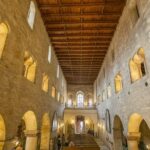
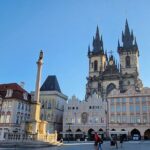
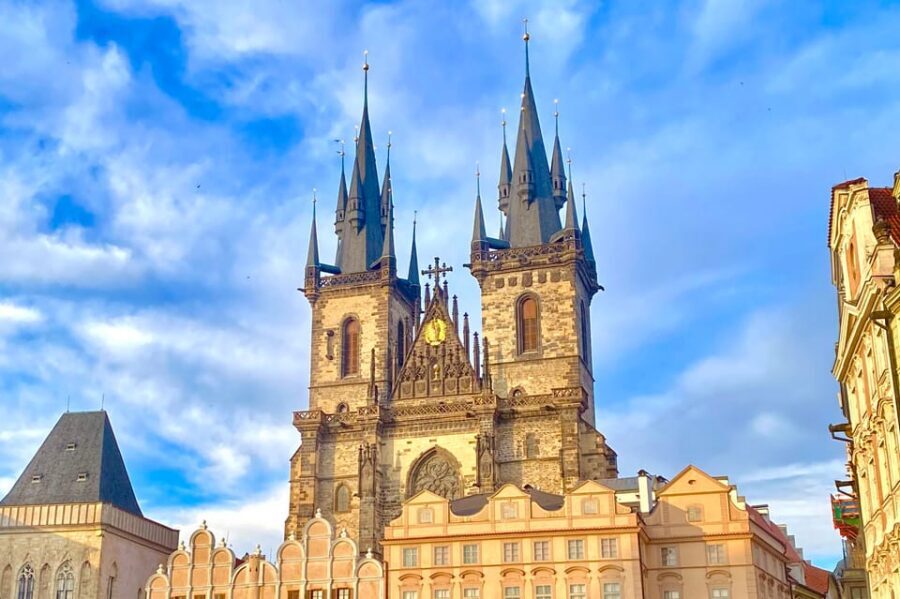
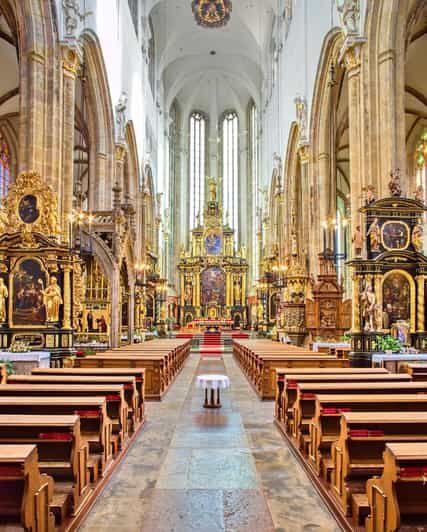
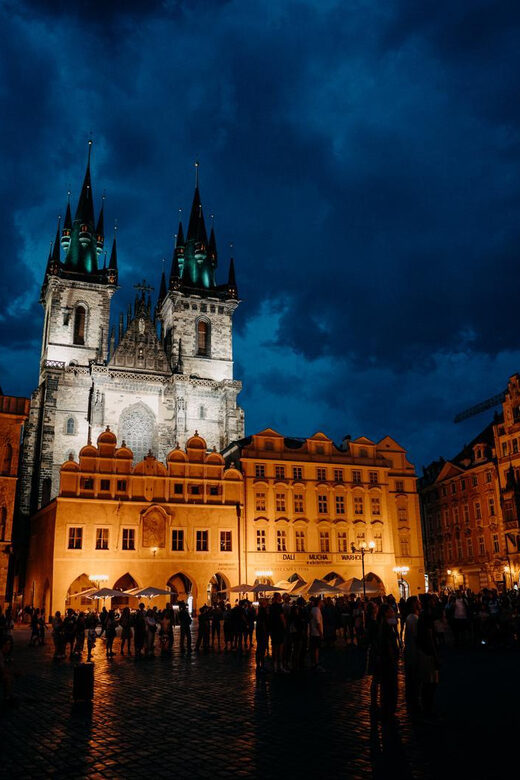
The Church of Our Lady before Týn sits right in Prague’s Old Town Square area, and you can feel that it’s more than a backdrop. Step inside and the place tells you what kind of concert this is: reverent, old-world, and designed for music to linger.
This matters because classical concerts can range from great to “nice but distant.” Here, the building helps the sound travel. Reviews specifically call out the acoustics, and the program includes instruments that usually benefit from strong church resonance—especially organ and vocal writing. You’re not just watching performers; you’re hearing the room “answer back.”
Also, it’s a practical win for your day. You’re in the center of things anyway, and the concert format is short enough that you don’t lose half your evening to logistics. The ticket is for a 70-minute concert, so you can plan around it without turning your schedule into a juggling act.
A few more Prague tours and experiences worth a look
The performers: Prague Philharmonic strings plus three power soloists
One reason this ticket feels like good value is the lineup. You’re not paying for a “theme night.” You’re getting a core ensemble—strings from the Prague Philharmonic—plus three soloists who bring distinct styles.
Here’s the cast you should picture while the music starts:
- Soprano Anda-Louise Bogza: known from major opera houses, including Vienna, Milano, Dresden, Paris, Rome, Berlin, and more.
- Organist Aleš Bárta: recognized especially for Bach recordings—so when Bach shows up in the program, it lands with authority.
- Violinist Vlastimil Kobrle: one of Czechia’s acclaimed violinists and concertmaster of the Symphony Orchestra of Czech Radio.
What I like about this kind of booking is that it prevents the “spotlight shuffle” problem you sometimes get. The program doesn’t feel like it was built to show off one celebrity and then drift. Instead, the soloists match the composers: Baroque vocal and sacred writing, Bach-flavored organ moments, and violin-focused repertoire.
And yes, one review notes the soprano looked a bit tired. That same review still praises the overall quality/cost value. It’s a reminder that live performances are human. The plus side? With this kind of repertoire, even a less energetic stage presence doesn’t erase the music.
The 70-minute program: how the music moves (and why it works)
You’re in for a structured musical ride. The setlist is a mix of Baroque, Classical, Romantic-era sacred pieces, and Czech orchestral pride—plus a few favorites that most people recognize even if they can’t name them right away.
Opening energy: Vivaldi’s Spring/Summer
The concert begins with A. Vivaldi: The Four Seasons – Spring & Summer. This is smart programming because Vivaldi is instantly communicative. Even if you don’t know the pieces, the rhythms and the “scene painting” quality pull you in.
Vivaldi also sets expectations for how the ensemble sounds. With strings from the Prague Philharmonic, you can expect clean articulation and a sense of forward motion—especially helpful in a church where reverberation can blur slower textures.
Sacred backbone: Bach Magnificat and Jesu, Joy
Next comes J. S. Bach: Magnificat, followed by J. S. Bach: Jesu, Joy of Man’s Desiring. This is where the concert proves it’s not just a playlist of famous names.
Bach’s writing rewards attentive listening. Lines interlock, and the emotional feel shifts from grandeur to intimate devotion. If you like music that sounds “built” rather than just performed, this is your payoff section.
Also, the presence of an organist known for Bach recordings makes the overall Bach selection feel coherent. Even if you’re not a hardcore organ fan, you’ll likely notice how Bach phrasing tends to come across as balanced and purposeful here.


Big statement: Beethoven’s Fifth (Allegro)
Then you hit L. van Beethoven: Symphony No. 5 – Allegro. The nickname might be famous, but Beethoven’s impact isn’t about recognition—it’s about momentum.
Beethoven can sound huge in a concert hall, and in a church it gains a different kind of weight. The point for you: this is the section that turns background listening into full-body listening. If you ever wanted to experience why Beethoven matters, this is a direct route.
A quiet lift: Schubert’s Ave Maria
After that intensity, F. Schubert: Ave Maria acts like a breather. Schubert’s line can feel vulnerable, and church acoustics help it float rather than flatten.
This is the kind of piece where you’ll hear how the soloists handle phrasing—what they extend, what they release. It also gives you a chance to reset your ears.
Czech pride and public favorite melodies: Moldau and beyond
Then the program pivots into familiar territory:
- B. Smetana: The Moldau (Vltava)
Smetana’s Moldau is one of those pieces that doesn’t need translation. It feels like water, movement, and landscape. And in Prague—where the Vltava is part of the city’s everyday imagination—that connection clicks.
- G. F. Händel: Ombra mai fu from Xerxes
This one is stately and lyrical. It’s a nice contrast to the more rhythm-driven writing around it, and it helps keep the concert from turning into one long intensity wave.
Mozart plus a crowd-pleaser: Divertimento, Canon & Gigue
The concert continues with:
- W. A. Mozart: Divertimento in D Major
- J. Pachelbel: Canon and Gigue in D Major
This is where a lot of people relax because the melodies feel instantly approachable. Mozart’s Divertimento often sounds light but structured—tight phrasing, clean transitions. Then Pachelbel brings in the famous flow you might already have in your memory from weddings and films. Hearing it performed in a church adds a level of seriousness you don’t get from recordings.
If you’ve ever thought, I know this tune but I don’t know the music—this segment is your bridge.
Closing with emotion: Mozart Requiem (Lacrimosa)
Finally, W. A. Mozart: Requiem – Lacrimosa closes the show. The Requiem’s final movement is built for atmosphere and gravity. It’s not background music; it’s a fitting end for a church concert because it leaves you with a sense of space and stillness.
One practical tip: as the closing movement approaches, slow down your mental pace. Don’t multitask. If you let the sound settle, you’ll likely catch more detail in how the ensemble breathes together.
What $36 buys you (and why it’s often worth it)
At $36 per person, this feels like one of the more reasonable ways to hear serious classical repertoire in a top Prague location. The value isn’t just the name on the poster. It’s the combination:
- A real venue people travel for
- A core ensemble from a major orchestra
- Three featured soloists with notable reputations
- A program that covers Baroque sacred, Classical structure, Romantic lyric moments, and Czech orchestral identity
Short concerts are also a value play. You’re paying for a focused 70 minutes instead of a longer evening where you might start checking your phone out of pure fatigue.
If you’re comparing options, think about what you’d spend on a similarly central evening activity. Then ask: do you want something you’ll remember for the sound and the setting? If yes, this pricing lands in the sweet spot.
The small details that shape your experience
Here are the parts I’d call out so you can plan like a pro.
You’re in for listening, not sightseeing breaks
There’s no indication the concert includes intervals or extra stops. That means you’ll want to arrive settled. Once the program starts, let it take over. If you’re the type who needs to constantly “do something,” this concert may feel too still—but most people who choose classical performances are there for that exact reason.
A calm crowd helps
One performance report points out a very limited number of people, along with the idea that you can contemplate and visit the church. That’s great because you get fewer distractions and less jostling, which matters in a historic interior.
Live performance varies
That same set of reviews also includes the note about the soprano looking a bit tired. It’s the only drawback I consistently see in the sentiment. My takeaway: expect excellence, but remember it’s a live human performance. If you care most about the music itself, you’ll still likely feel satisfied.
Who this concert is best for
This is a strong match if you:
- Love classical music but want it in a manageable, 70-minute format
- Want Prague culture in a real-world setting, not just a ticketed museum stop
- Like both big-known composers and “deeper cuts” like Bach’s sacred work
- Enjoy hearing soloists who have reputations connected to major opera houses and recordings
It’s less ideal if you:
- Need constant movement during your activities
- Are bringing a young child who needs frequent attention (also, unaccompanied minors are not allowed)
Should you book it?
If you’re deciding between skipping a concert or picking one in a central, beautiful church, I’d lean yes. Týn Church gives you an authentic atmosphere, and the lineup is the kind that usually justifies the price: Prague Philharmonic strings plus major-name soloists. The program has enough variety to keep your interest from sagging, and the ending with Mozart’s Lacrimosa is the right kind of memorable finish.
I’d especially recommend booking if you want a classical experience that feels genuinely Prague, where the building matters and the music doesn’t feel watered down.
FAQ
Where does the concert take place?
The concert is held at the Church of Our Lady before Týn (Týn Church) in Prague’s Old Town.
How long is the concert?
The concert lasts 70 minutes. Starting times depend on availability.
What music will be performed?
The program includes pieces by Vivaldi, Bach, Beethoven, Schubert, Smetana, Händel, Mozart, and Pachelbel, including selections such as The Four Seasons (Spring & Summer), Magnificat, Symphony No. 5 (Allegro), Ave Maria, The Moldau (Vltava), Ombra mai fu, Canon and Gigue in D Major, and Mozart’s Requiem (Lacrimosa).
Who performs?
Musicians include the string section from the Prague Philharmonic Orchestra, along with soloists Anda-Louise Bogza (soprano), Aleš Bárta (organist), and Vlastimil Kobrle (violin soloist).
What’s included with the ticket?
Your ticket includes entry and a printed concert program.
Are children allowed?
Unaccompanied minors are not allowed.