REVIEW · PRAGUE
Prague : Visite insolite avec un guide journaliste français
Book on GetYourGuide →Operated by Mathieu Ponnard · Bookable on GetYourGuide
Prague has secrets on every corner. This off-the-beaten-track walk led in French by Mathieu Ponnard, a journalist and longtime Prague writer, turns big monuments into real-life stories. You’ll cover major highlights and then step into the quieter bits that most first-timers miss, all at a friendly pace built for questions and conversation.
I especially love two things here: the journalist’s way of connecting places to how people live and the chance to ask questions in a small group (20 max). It’s not just “what you’re looking at,” it’s the why behind it—politics, culture, economics, and social life mixed into the walk.
One fair drawback: it’s a 210-minute, on-foot tour, so you’ll want comfortable shoes and you should expect a steady walking rhythm for most of the time.
In This Review
- Key points you’ll care about
- A French journalist guide: why the walk feels personal
- Starting at Saint Wenceslas: setting the mood for Prague
- Passageways and Adria Palace: the quieter Prague that people miss
- Kafka’s Head and the National Theatre: literature meets city pride
- Old Town Square, Black Madonna House, and the Municipal House
- Powder Tower and the art of finishing with momentum
- Price and value: what $48 buys you in real terms
- What you’ll learn: architecture plus the human story behind it
- Group size and language: the comfort factor
- Who should book this tour
- Should you book this off-the-beaten-track Prague walk?
- FAQ
- How long is the Prague tour?
- What is the price per person?
- What language is the guide?
- Where do I meet the guide and where does the tour end?
- What places will we visit during the walk?
- Is food included?
- Is there free cancellation?
Key points you’ll care about
- French journalist guide (Mathieu Ponnard) who has lived in Prague for 15+ years
- Small-group format (20 participants max) so you can ask real questions
- A mix of famous stops and secret corners, not just a checklist
- Prague themes beyond monuments: political, economic, cultural, and social life
- Built-in advice for your remaining days, including restaurant and walk recommendations
- Clear meeting vibe: your guide wears a yellow backpack
A French journalist guide: why the walk feels personal
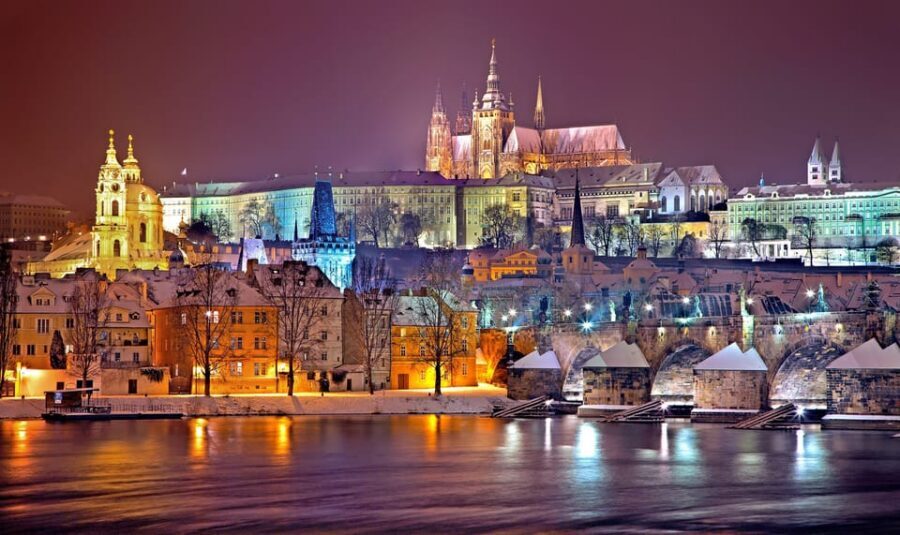
This tour works because the guide doesn’t treat Prague like a museum display. Mathieu Ponnard is a French journalist and a blogger/writer for well-known publishers, and he’s lived in Prague for more than 15 years. That background matters: you get explanations that sound like they’re meant for real people planning real days, not just for tourists taking photos.
You’ll notice the tone quickly. The pace is made for talking. And because it’s small—up to 20 people—you’re not shouting over a crowd. You can ask follow-up questions, clarify things you’re seeing, and get practical answers on what to do after the tour ends.
That’s the first big value: you leave with direction, not just facts. The second value is the way Prague’s architecture becomes story material. You’re not only admiring buildings; you’re learning how architecture links to civic life, culture, and the city’s changing identity.
You can also read our reviews of more guided tours in Prague
Starting at Saint Wenceslas: setting the mood for Prague
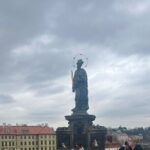
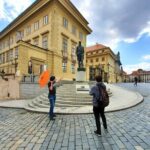
The tour begins at the Statue of Saint Wenceslas. It’s a smart starting point because it frames Prague from the start: you’re not jumping straight into medieval lanes. Instead, you’re beginning with one of the city’s most recognizable anchors, a place tied to identity and public life.
From there, you move into Wenceslas Square and the surrounding area as part of the guided walking flow. This is where you start getting the bigger context: what shaped Prague, how the city thinks about itself, and why certain places matter beyond their appearance. If you like learning the story behind the streets you’re walking, this first segment is where the tour starts rewarding your attention.
Practical tip for you: if you’re arriving in Prague for the first time (or you’re the type who likes order), take this early. A guided start helps you get your bearings fast. You’ll be better equipped to explore on your own later without feeling like you’re wandering.
Passageways and Adria Palace: the quieter Prague that people miss
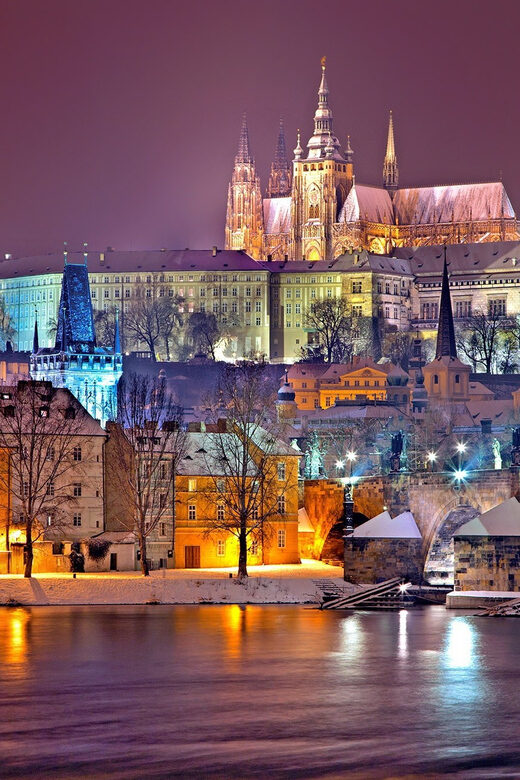
One of the most appealing parts is the focus on passageways and lesser-known corners. Prague’s famous squares get plenty of spotlight, but the city also has in-between spaces—covered routes, side passages, and architectural details that feel more intimate than the big landmarks.
You’ll visit passageways, and you’ll also see Adria Palace. These stops are great because they shift your view from “major monument mode” to “how the city actually moves.” You start noticing texture: entrances, shapes, and street-level rhythms that don’t always make it into a fast photo route.
Adria Palace in particular is the kind of building that can be easy to glance past on your own. With a guide, you’ll have a chance to slow down, look more carefully, and understand why it belongs in the story of Prague rather than being just another landmark.
This segment has a bonus for practical planners: once you’ve walked with someone who knows the small routes, you’ll get a feel for where it’s worth spending extra time later. That’s often where you find the Prague you remember.
Kafka’s Head and the National Theatre: literature meets city pride
If Prague has a “myth and imagination” lane, this part of the walk clearly points you there. You’ll see Kafka’s Head, a stop that works well for people who enjoy Prague through the lens of stories and writers. Even without turning it into a lecture, the guide can link the symbol to the city’s broader cultural identity.
Then you move toward the National Theatre. This is one of those moments where Prague starts feeling more ceremonial—like the city is showing you what it considers important. It’s also a good contrast point after the quieter passageways, so your mental map stays balanced: big cultural landmarks, then back to human-scale streets.
Here’s the way I’d use this portion if you’re planning your days: treat it as a reminder that Prague isn’t only stone and squares. It’s also art, performance, and cultural messaging. After this, when you’re deciding what to do in the evening—shows, museums, or just strolling—you’ll have a better sense of what kind of Prague vibe you’re aiming for.
Old Town Square, Black Madonna House, and the Municipal House
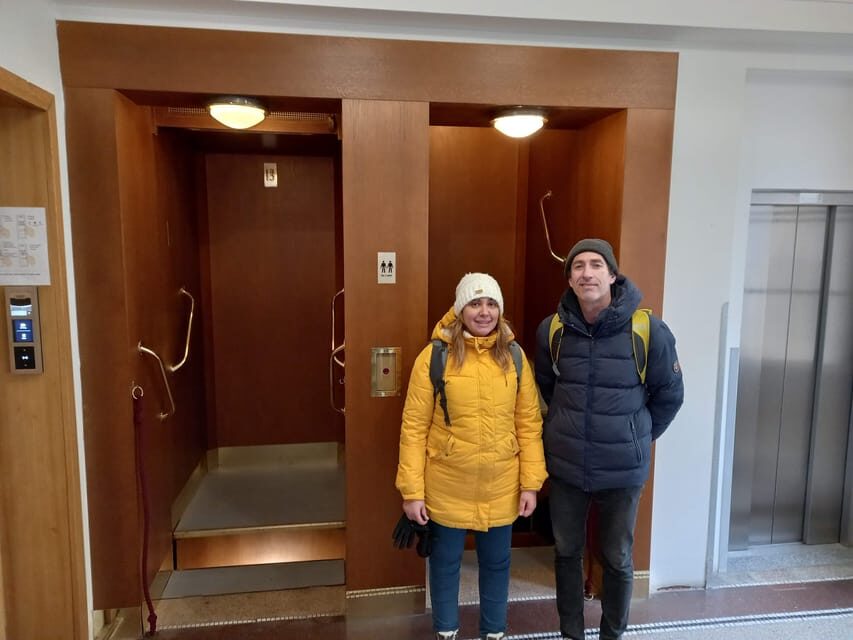
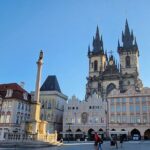
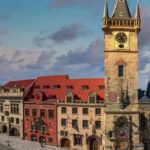
Next comes the big “name-brand Prague” zone: Old Town Square. It’s the kind of place where you can easily get caught up in the scenery and forget to look deeper. Having a guide helps you focus. You’re not only seeing the highlight; you’re learning how it fits into the city’s evolution and identity.
From there, you’ll visit the House of the Black Madonna. Stops like this matter because they push you away from the obvious postcard angles. You get a structured way to look at symbols and architecture, and you understand why these details became part of Prague’s identity.
Then you’ll head to the Municipal House. This pairing—Old Town Square, the Black Madonna house, and the Municipal House—gives you a full feeling of Prague’s public and civic presence. It’s where the city starts reading less like a backdrop and more like a living character.
One thing to keep in mind as you walk: these central sites can encourage picture-taking. Great—just don’t let photos replace attention. If you want real value, ask your guide to point out what to notice beyond the obvious. That’s exactly the kind of small guidance that turns a standard visit into one you actually remember.


Powder Tower and the art of finishing with momentum
The tour doesn’t end after the famous monuments. You’ll also see the Powder Tower, another key structure that helps close the loop on Prague’s architectural story. By the time you reach this part, the tour has done something useful: it has trained your eyes to look for meaning, not just aesthetics.
Powder Tower works as a fitting “toward the end” stop because it’s visually distinct, and it feels like a clear marker in your mental map. You’re moving through space with guidance, so the city stops being random. It becomes a route you understand.
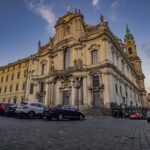
After that, the walk finishes at Mikulášská 22. That ending address matters because it gives you an immediate plan. Instead of feeling stranded near a landmark, you have a known point to pivot into your own exploring or dining plans.
And because the guide also gives advice for the rest of your stay—restaurants, visits, walks—you’re not left wondering what to do next. This is a big deal for value. A guided tour is good, but a guided tour plus practical next steps is how you get the most out of your time in Prague.
Price and value: what $48 buys you in real terms
At $48 per person for about 210 minutes, this tour is priced like a serious orientation walk, not a quick sightseeing add-on. The value isn’t just the number of monuments. It’s the combination of:
- a French journalist-guide style of storytelling
- a small group (20 max) that supports questions
- a route that blends big names with lesser-known corners
- guidance beyond the tour, including restaurant and walk recommendations
Also, the included element of advice is easy to underestimate until you plan your own days. Prague can feel overwhelming when you’re trying to decide what to do next. Getting recommendations tailored to what you just saw—and to the way you like to move around the city—saves you time and helps you avoid wasted hours.
One more note on value: the tour is 3.5 hours long enough to do meaningful learning without feeling like a full-day commitment. If you’re juggling other plans, this timing is friendly.
What you’ll learn: architecture plus the human story behind it
The tour promises more than heritage and buildings. You’ll learn about Prague’s history and architecture, yes—but also local political, economic, cultural, and social life. That blend is what makes the walk feel like an education you can carry with you.
Here’s how you can turn that into personal value on the day:
- Pay attention when the guide connects a building to how the city works.
- Use questions to match your travel style: food and neighborhoods, culture and architecture, or city identity and history.
- Take mental notes on the kinds of places you want more time in after the tour.
This is where the guide’s background helps. Mathieu’s experience living in Prague for 15+ years means he can explain what things look like from the inside, not only the official story. You’ll leave with a stronger sense of how Prague functions, which makes independent exploring feel easier and less like guesswork.
Group size and language: the comfort factor
The tour is in French, and the group stays under 20 participants. That matters for two reasons. First, it supports a conversation-like rhythm rather than a lecture-only flow. Second, it makes the guide’s explanations clearer and easier to follow.
If you speak French comfortably, you’ll likely enjoy the Q&A part more. If your French is basic, you can still gain value from architecture pointers and the overall structure of the walk. Just expect more benefit if you’re comfortable listening and responding.
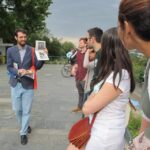
The guide will also be wearing a yellow backpack at the meeting point, which makes it easy to spot your leader quickly—especially in a busy meeting zone.
Who should book this tour
I think this one fits best if you:
- want a first introduction to Prague that mixes famous monuments with quieter corners
- like learning how a city works socially and culturally, not only where to take photos
- enjoy walking tours where you can ask questions and get real advice afterward
- want restaurant and activity recommendations tailored to Prague
It’s also a good choice when you plan to explore on your own right after the tour. By the time you finish near Mikulášská 22, you’ll have a clearer route logic and a better feel for what kind of Prague experience you want next.
Should you book this off-the-beaten-track Prague walk?
If you want a practical, small-group way to understand Prague beyond postcards, I’d book it. This tour is built for orientation: you’ll see major highlights (Wenceslas Square, Old Town Square, National Theatre, Powder Tower) and you’ll also get that added layer of in-between spaces like passageways and symbolism sites like the House of the Black Madonna.
Choose it especially if you like a guide who treats Prague as a living place—full of architecture, but also political and social life—and if you’ll actually use the advice for your remaining days. If you prefer only a fast highlight reel with zero walking time investment, then this longer walk may feel like more than you want.
Either way, it’s a strong match for travelers who want to understand Prague, then go enjoy it independently with less stress.
FAQ
How long is the Prague tour?
The tour lasts about 210 minutes (around 3.5 hours).
What is the price per person?
It costs $48 per person.
What language is the guide?
The live tour guide speaks French.
Where do I meet the guide and where does the tour end?
You’ll meet at the Statue of Saint Wenceslas. The guide will be wearing a yellow backpack. The tour finishes at Mikulášská 22.
What places will we visit during the walk?
You’ll see Wenceslas Square, passageways, Adria Palace, Kafka’s Head, the National Theatre, Old Town Square, the House of the Black Madonna, the Municipal House, Powder Tower, and more.
Is food included?
No. Food and drinks are not included.
Is there free cancellation?
Yes. You can cancel up to 24 hours in advance for a full refund.