REVIEW · PRAGUE
Prague: World War II and Communist History Tour
Book on GetYourGuide →Operated by Discover Prague Tours sro · Bookable on GetYourGuide
Prague’s 20th-century scars walk right alongside you. This 2.5-hour walking tour connects Nazi occupation, Czech resistance, and Communist rule through major city sites, so you understand what happened and why it matters.
I love how the route ties the story to the streets, with stops like the Municipal House and Wenceslas Square that frame key political turning points. I also like that the tour spotlights the Operation Anthropoid thread, including where the Nazi head of the security services was assassinated and the brutal aftermath.
One thing to consider: this is a heavy-topic walk. It covers a lot of ground in 150 minutes, and some places are more about what you learn than what you see at first glance, so listening matters.
In This Review
- Key things I’d mark on your Prague map
- Entering 20th-Century Prague: Nazi Occupation to Velvet Revolution
- Meeting at Týnská 639/4: Timing and how to get ready
- The Municipal House: Where modern Prague met brutal power
- The Jewish Quarter: Wartime loss in the heart of the city
- Operation Anthropoid: The assassination site and what followed
- Dancing House: Transition years and a city learning new rules
- Wenceslas Square: Prague Spring, Warsaw Pact invasion, and Normalization
- Velvet Revolution 1989: Dissidents, Václav Havel, and sudden change
- What makes the guides matter (and who you might hear)
- Films to watch after the tour: Anthropoid and Munich
- Price and value: Why $34 can feel like a bargain
- Who should book this tour?
- Should you book the Prague WWII and Communist History Tour?
- FAQ
- How long is the Prague WWII and Communist History Tour?
- Where is the meeting point?
- Is the tour offered in English?
- Is it a walking tour?
- What major WWII and resistance topics are included?
- Does the tour cover the Communist era, Prague Spring, and the Velvet Revolution?
- What landmarks will I see?
- How much does it cost?
- Is free cancellation available?
- Does the tour offer reserve now & pay later?
Key things I’d mark on your Prague map
- A tight 150-minute storyline from Nazi occupation to Velvet Revolution changes
- Operation Anthropoid focus, including the assassination site and retaliation
- Communist-era details you can name, like Normalization, Plastic People of the Universe, and Charta 77
- Major landmarks in context, from the Municipal House to the Dancing House and Wenceslas Square
- Strong live guiding, with named guides like Adam, Tony, Zach, Daren, Zac, Sean, Analisa, and Amanda popping up in the guide mix
- Built-in reality checks, not sugarcoating the complicity and consequences of the era
Entering 20th-Century Prague: Nazi Occupation to Velvet Revolution
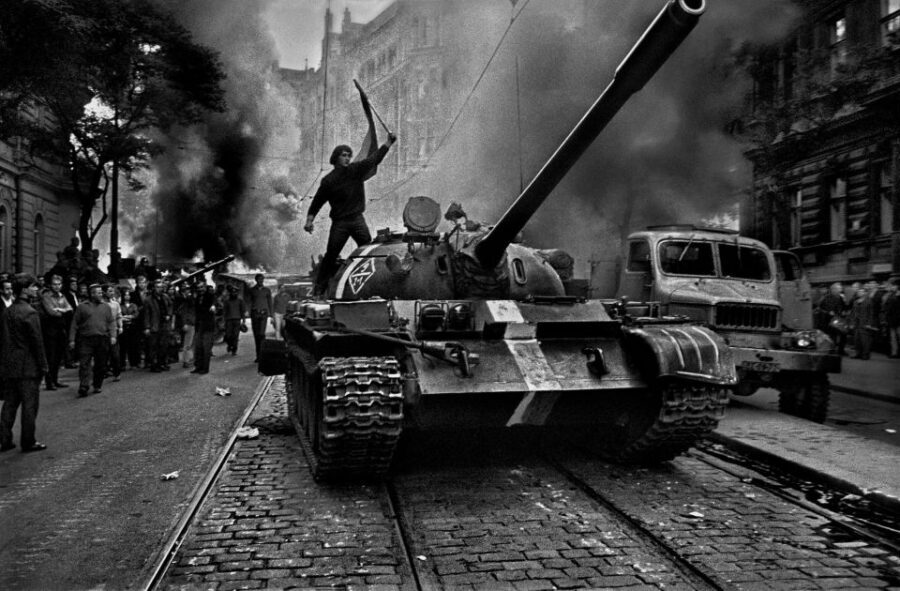
If you only visit Prague for pretty façades, this tour will recalibrate your eyes. Instead of treating WWII and Communism like background reading, you walk through the timeline using actual places in the city center. You start with how Nazi rule and occupation changed daily life, then you move into resistance, uprising, Communist takeover, and the long decades that followed.
What makes it especially useful is the way the story is presented as cause and effect. You’re not just learning dates. You’re learning the logic behind choices: why resistance formed, how power got consolidated, why dissident ideas gained traction, and what finally cracked the system open in 1989.
The tour also leans into the local viewpoint. You’ll hear accounts of major events from the perspective of people who lived through them, which helps the history land in a more human way. And because it’s a walking format, you keep shifting scenes—great for remembering and for understanding how the city itself fits into the story.
You can also read our reviews of more historical tours in Prague
Meeting at Týnská 639/4: Timing and how to get ready
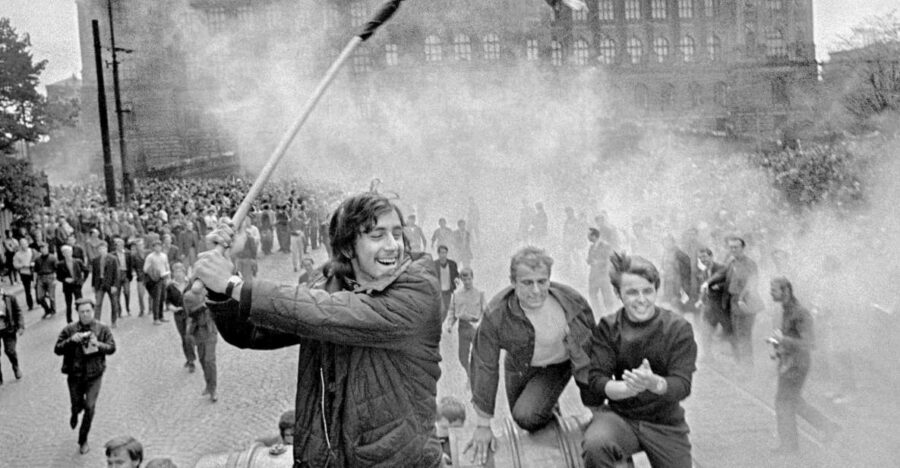
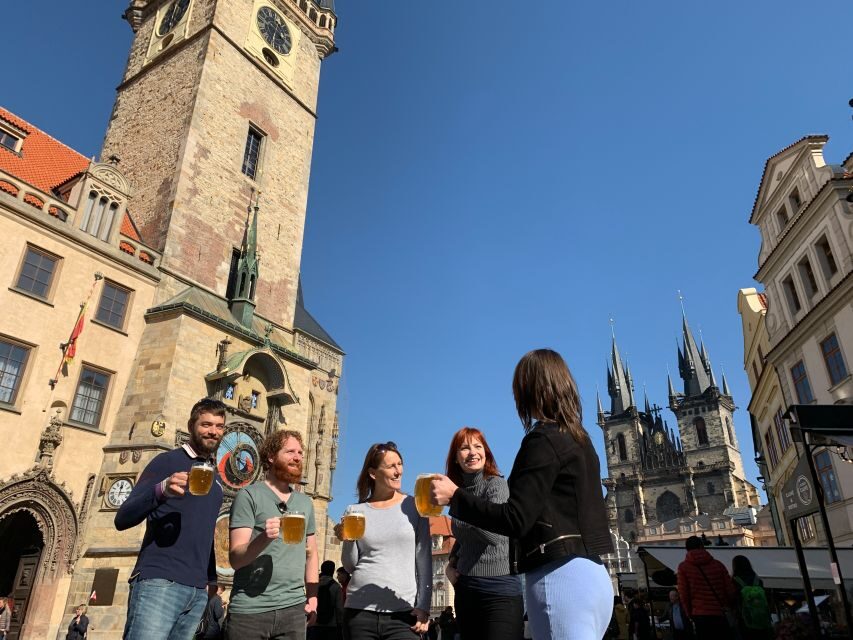
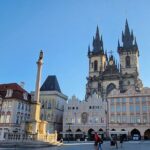
You’ll meet at Týnská 639/4, Staré Město, 110 00 Praha-Praha 1, Czechia. Arrive a little early so you’re not rushing at the start of a tour that moves fast.
Plan for comfortable shoes. This is a 2.5-hour walking route through central Prague, and even when the pacing feels lively, you’ll still be on your feet. One practical plus: some groups have received a tram ticket to save time during portions of the walk, so it’s worth being flexible if your guide shifts routes based on traffic and pacing.
Because the themes are intense, you’ll enjoy the tour more if you come in with a clear mindset: this is sightseeing plus context. If you’re the type who likes to ask questions, bring that energy—the best moments tend to happen when the guide turns your questions into mini-lessons.
The Municipal House: Where modern Prague met brutal power
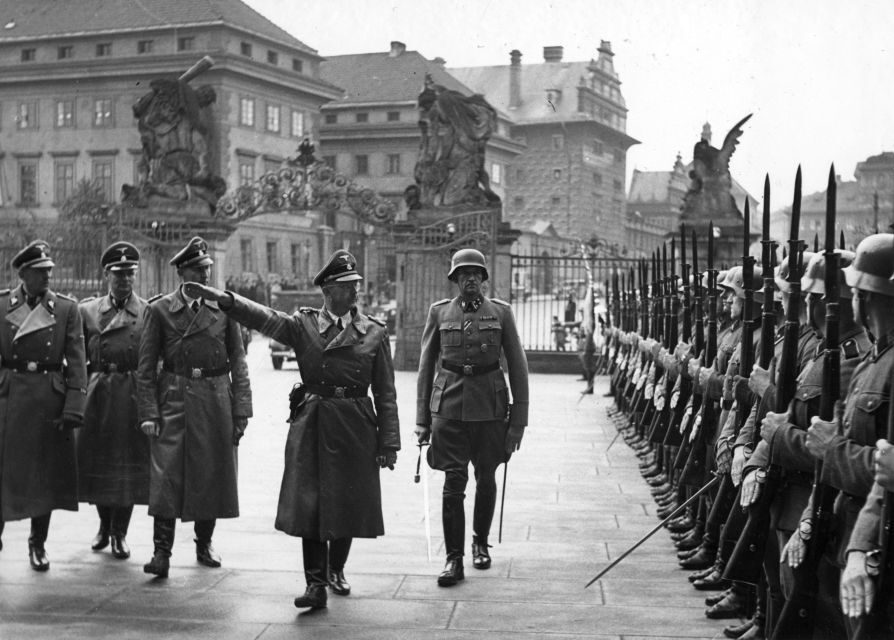
The Municipal House stop matters for more than its architecture. This is the kind of Prague landmark that signals confidence—before occupation, before the state was crushed into something smaller. When you stand here, you can better grasp the tour’s point that the Nazis didn’t just conquer territory; they tried to control a whole society.
The guide connects the sense of a modern, industrial country to what followed after the occupation took hold. That contrast makes the later history easier to follow. You begin to see how quickly freedoms can be stripped away when institutions are reshaped and fear becomes everyday governance.
Even if you don’t consider yourself a history buff, this is a great first anchor. It sets the tone: the rest of the tour isn’t random stops. It’s one narrative, and the Municipal House helps you understand the before and after.
The Jewish Quarter: Wartime loss in the heart of the city
The tour includes time near the Jewish Quarter, and it treats the area as more than a postcard section of Prague. The emphasis is on what WWII meant for Jewish communities and how occupation policies turned identity, safety, and rights into punishments.
This is where context helps most. Places you pass quickly on your own can turn into meaningful waypoints when you know what happened there and what kinds of decisions people faced. The guide’s job is to connect the geography with the reality of persecution and the consequences of Nazi control.
If you’re sensitive to dark topics, take your time here. The tour doesn’t shy away from the brutality of the period, and you’ll likely feel the weight of the story more than the scenery.
Operation Anthropoid: The assassination site and what followed
One of the tour’s biggest draws is its Operation Anthropoid focus. You’ll learn about the Czech plot to assassinate a high-ranking Nazi SS officer—described in the tour as the Nazi head of the security services. The guide then connects the assassination to the ruthless retaliation that followed.
This section gives you an important lesson: resistance is rarely neat or clean. Even when a mission succeeds, the cost can spread to ordinary people. That theme comes up again and again as the tour moves forward into the Communist era—because power always reacts, and the reaction often hits civilians hardest.
You may also visit the Cyril Church area, tied to resistance hiding in the crypt. Standing near a place associated with that kind of concealment makes the story feel real in a way a book can’t. It’s the kind of stop that changes how you understand bravery: it’s not only about the mission, it’s about surviving the days afterward.

Dancing House: Transition years and a city learning new rules
Next comes the Dancing House, a stop that helps you connect the visual identity of Prague with the political identity forced upon it. This is where the tour starts to feel like a shift rather than a straight march of WWII to Communism.
You’re moving through the days of Nazi rule, but also into the turbulent period that followed—the Czech uprising, the Communist coup, and the letdown that followed. The guide uses these transitions to help you understand how quickly one regime can replace another, and how the language of liberation can get swallowed by new forms of control.
The timing of this part of the tour is useful. By the time you reach the Dancing House, you’ve already been oriented in the story. Now you’re ready to understand how occupation ended but the struggle for freedom didn’t.
Wenceslas Square: Prague Spring, Warsaw Pact invasion, and Normalization
Wenceslas Square is one of the tour’s key anchors, and it’s a smart choice. It’s a central stage for the city’s public life, which makes it a powerful place to discuss political hope and political trauma.
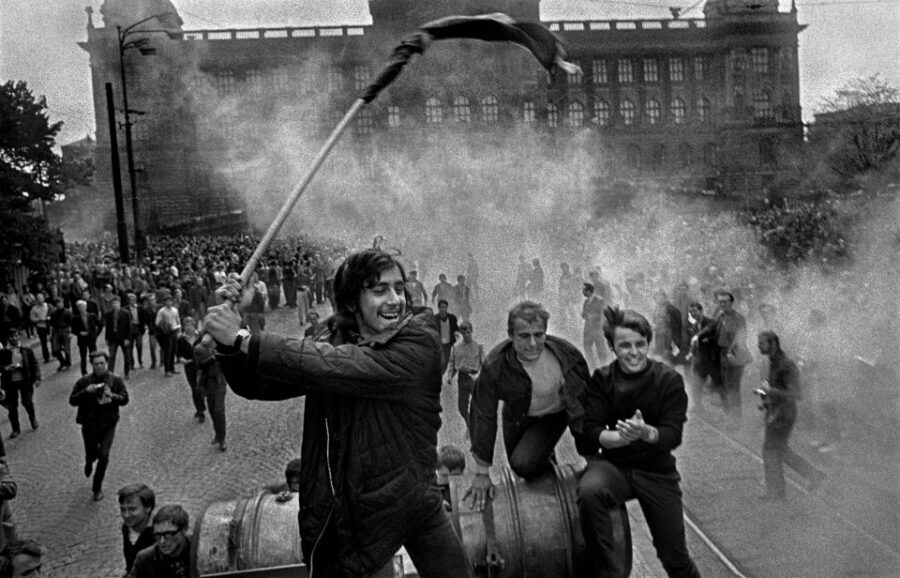
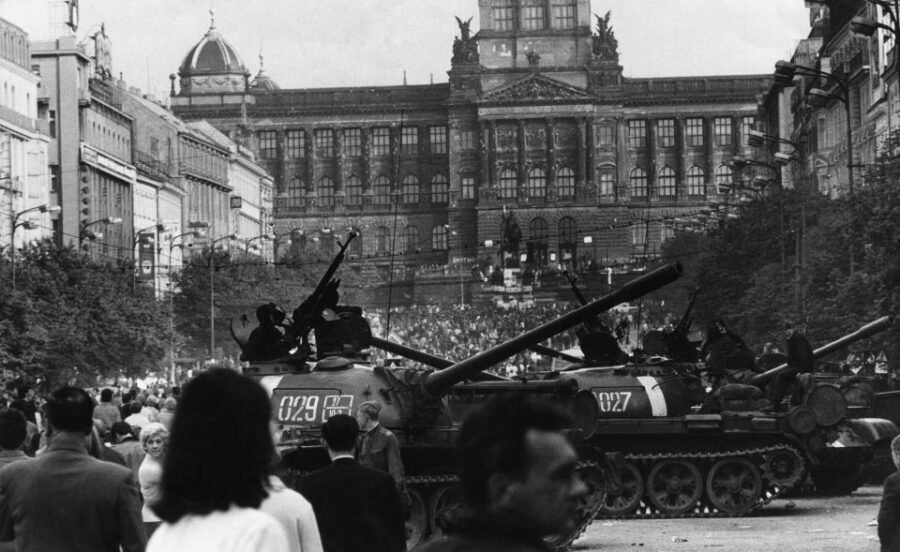
Here, the guide connects major events: the euphoria of the Prague Spring, the trauma of the Warsaw Pact invasion, and the crackdown years that followed under Normalization. You’ll learn how the Communist system tightened its grip again and again, limiting speech, culture, and independent thought.
Two specific names and movements come up in a way that helps the history feel personal: the persecution of the Plastic People of the Universe and the relevance of Charta 77. When you hear those examples in the context of what the state feared—free culture, free ideas—you understand why dissidents weren’t just political posters. They were people trying to keep a society human.
Velvet Revolution 1989: Dissidents, Václav Havel, and sudden change
The tour’s end stretch is about why 1989 felt like it broke the laws of history. You hear how Václav Havel and an eclectic group of dissidents were swept to power by the Velvet Revolution.
This part works best because you’re already carrying the emotional weight from earlier sections. The story has shown you years of pressure and limits. So when the Revolution comes, it feels earned—not random, not magical. You get a clearer sense of how dissident movements built momentum, and how public change became possible when the system lost the ability to control everything.
If you like political history, this is the segment that turns “what happened” into “how it happened.” If you prefer culture and daily life, it still lands, because dissidents are tied back to what everyday people could think, say, and create.
What makes the guides matter (and who you might hear)
The quality of a tour like this depends on how a guide handles tone. You want someone who tells the stories clearly and with respect, while still keeping the pace moving and answering your questions.
Across the guide roster, named guides you may encounter include Daren, Adam, Tony, Zach (sometimes written as Zac), Sean, Analisa, Alissia, and Amanda. Many guests emphasize that the guide’s storytelling helps history feel like a chain of real moments—rather than a pile of facts.
The best guiding style for this tour is the one that keeps the narrative thread tight while still acknowledging the hard realities. One strong sign: if your guide doesn’t try to sanitize the past or shrink the complexity of political behavior, you’re likely in good hands.
Films to watch after the tour: Anthropoid and Munich
A practical way to lock in what you learn is to follow it with movies. One recommended pair is Anthropoid and Munich. They’re not a replacement for the walk, but they can help you visualize missions, decisions, and consequences after you’ve placed them in Prague’s timeline.
If you’re going to watch anything, I suggest you do it soon after the tour while the names and places still feel connected in your mind. That way, you’re not starting from zero.
Price and value: Why $34 can feel like a bargain
At $34 per person for about 150 minutes, this tour is priced for real value—especially when you factor in a live English-speaking guide and a focused route through major WWII and Communist sites. Many Prague tours charge similar amounts for a shorter walk or for a more surface-level highlights route.
The main value point here is not just seeing landmarks. It’s understanding connections: Nazi occupation to resistance, resistance to retaliation, Communism to Normalization, and dissident culture to the Velvet Revolution. You’re paying for interpretation and narrative structure, not only for walking between stops.
A fair warning on value: it works best if you’re willing to listen. If you want quick photo stops with minimal context, you may feel the experience is more about story than scenery. But if you like history that sticks, the guide-led approach is exactly what makes the price feel reasonable.
Who should book this tour?
Book it if you want a Prague WWII and Communist history walking tour that connects the city’s major center landmarks to the most important political events of the 20th century. It’s a strong match for:
- first-time visitors who want context beyond monuments
- history-minded travelers who like a clear timeline
- anyone who plans to watch Anthropoid or Munich and wants the background first
- people who enjoy asking questions and getting straight answers from a live guide
Skip it or consider a lighter option if you’re not ready for heavy themes or if you prefer tours that focus on architecture and atmosphere without political detail. Also, if you’re expecting obvious physical memorials at every stop, keep expectations flexible: some locations are more about what happened there than what you can see today.
Should you book the Prague WWII and Communist History Tour?
Yes, if you want to understand Prague as a city shaped by occupation, resistance, and revolution—not just a city with beautiful buildings. The 150-minute format is short enough to stay energetic, but long enough for the guide to build a real storyline from WWII through the Velvet Revolution.
If you take one piece of advice, make it this: come ready to listen, and bring good walking shoes. You’ll leave with the kind of context that makes even your later self-guided strolls feel smarter, not just prettier.
FAQ
How long is the Prague WWII and Communist History Tour?
It lasts 150 minutes, about 2.5 hours.
Where is the meeting point?
You meet at Týnská 639/4, Staré Město, 110 00 Praha-Praha 1, Czechia.
Is the tour offered in English?
Yes. The live guide offers the tour in English.
Is it a walking tour?
Yes, it is a walking tour through central Prague.
What major WWII and resistance topics are included?
The tour covers the Nazi occupation, Czech uprising and resistance, and the assassination of the Nazi head of the security services connected to Operation Anthropoid, plus the aftermath.
Does the tour cover the Communist era, Prague Spring, and the Velvet Revolution?
Yes. It includes Communist rule, Normalization, events tied to dissidents, the Prague Spring, the Warsaw Pact invasion, and the Velvet Revolution of 1989 with Václav Havel and other dissidents.
What landmarks will I see?
The tour includes stops connected to the Municipal House, Jewish Quarter, Dancing House, and Wenceslas Square.
How much does it cost?
The price is $34 per person.
Is free cancellation available?
Yes. You can cancel up to 24 hours in advance for a full refund.
Does the tour offer reserve now & pay later?
Yes. You can reserve now and pay later, keeping your plans flexible.