REVIEW · PRAGUE
Prague: WWII Guided Tour & The Crypt of Operation Anthropoid
Book on GetYourGuide →Operated by World War II in Prague · Bookable on GetYourGuide
Prague WWII is under your feet. This guided walk ties the Old Town’s wartime scars to a real underground world, then ends in the crypt museum for Operation Anthropoid. You get the story in the places where it happened, not just in a textbook voice.
I love the mix of streets and stone. You walk through Prague’s center and then step into the 12th-century underground cellars of the U Kunštátů palace, where the past feels physical. I also love that the tour includes access to a private collection of WWII artifacts and memorabilia, and that guides like Pavel and Hannah are repeatedly praised for turning those objects into clear, human stories.
One drawback to plan for: it is not suitable for wheelchair users. Expect walking on uneven ground, and you’ll spend time underground in the crypt and cellars, so you’ll want sturdy shoes and a realistic pace.
In This Review
- Key things that make this tour worth your time
- Prague WWII without the fog: why these stops matter
- Meeting at Pražná Brána: how to start smoothly
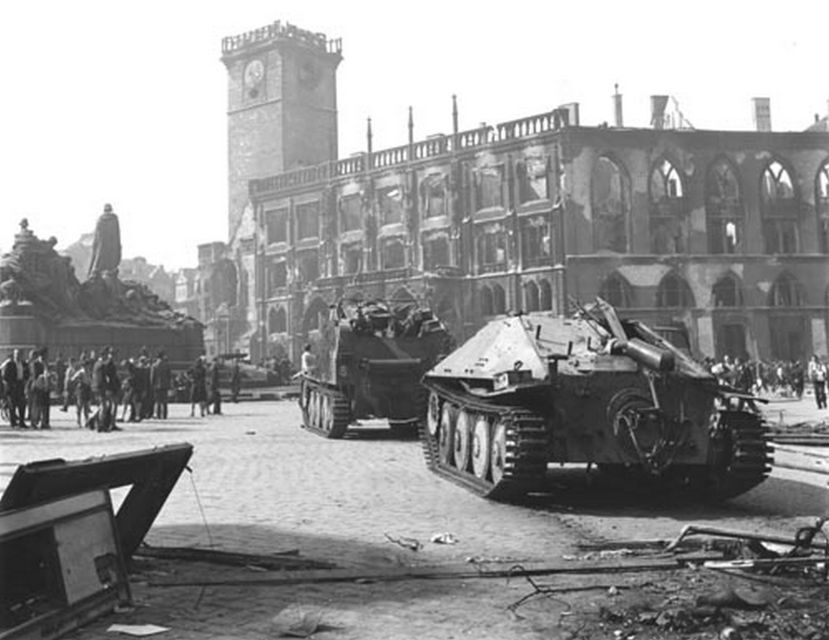
- The Old Town walk: wartime scars you can actually spot
- U Kunštátů palace cellars: stepping into makeshift shelter
- The private WWII artifact collection: objects that make the story stick
- Saints Cyril and Methodius Crypt: the Operation Anthropoid museum experience
- Heydrich, resistance, and Prague Uprising: what the guide is really doing
- Transport and time: planning for 150 minutes
- Price and value: why $42 can actually feel fair
- Who should book this Prague WWII and Anthropoid tour
- Should you book this tour
- FAQ
- How long is the tour?
- Where do I meet the guide?
- What does the tour include for entry tickets?
- Is a public transportation ticket included?
- What WWII sites and topics are covered?
- Is the tour wheelchair accessible?
- Does the tour run in bad weather?
- Are pets allowed?
- Are service animals allowed?
- What languages are offered?
Key things that make this tour worth your time
- Old Town walk with visible wartime damage, so the story connects to what you can still see
- U Kunštátů palace underground cellars, a rare stop right in the heart of Old Town
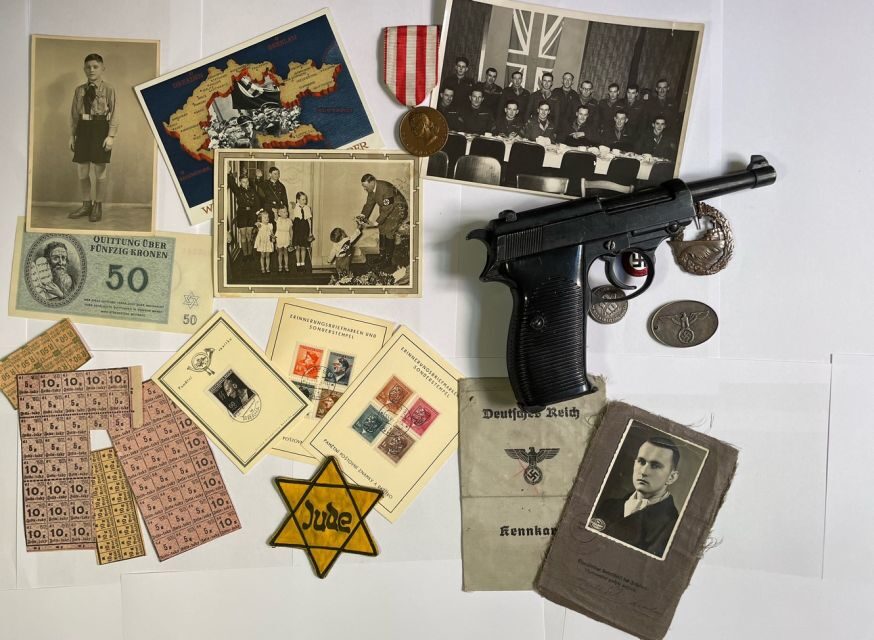
- A private WWII artifact collection, so you’re not just watching photos behind glass
- The Operation Anthropoid museum in the crypt, under Saints Cyril and Methodius Cathedral
- The Heydrich assassination mission explained in context, with the Prague Uprising woven in
- Clear, story-driven guiding styles, with frequent praise for names like Pavel, Paul, Hannah, George, and Ottokar
Prague WWII without the fog: why these stops matter
This tour works because it moves in the same direction as history itself: occupation pressures you from outside, resistance acts from inside, and the consequences echo in the city long after the war ends. You start above ground, then go underground. That simple change tells you something important about Prague during WWII: the past is not only in museums. It’s in walls, shelters, and hidden spaces.
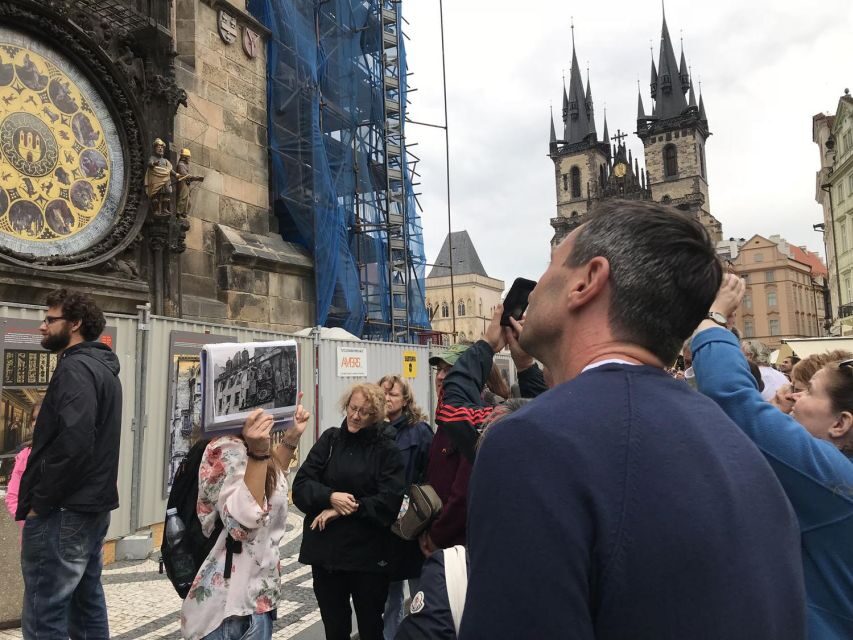
The Old Town portion is your orientation. The guide points out the wartime scars still visible on building surfaces. That matters for two reasons. First, it helps you connect dates and names to real streets. Second, it keeps you alert. You’re not passively transported. You’re looking.
Then you drop into the 12th-century cellars of U Kunštátů. Even if you know the headline facts about WWII, these spaces add texture: makeshift shelter and the lived reality of fear and waiting. It’s a different kind of learning, one that sticks because your senses are doing part of the work.
Finally, the tour ends in the crypt museum for Operation Anthropoid. The setting is unusually powerful because the mission’s story is told in the underground space linked to the cathedral complex. It’s where your understanding sharpens from citywide atmosphere into a specific resistance plot.
You can also read our reviews of more guided tours in Prague
Meeting at Pražná Brána: how to start smoothly
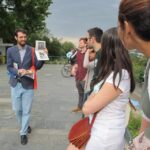
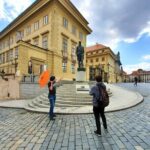
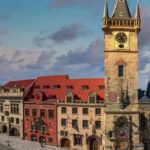
You’ll meet your guide 30 meters in front of the Powder Tower (Prašná Brána) in Republic Square, by the Metro stop Náměstí Republiky. Your guide stands next to a green kiosk and holds a black umbrella with a white logo.
That level of precision is practical. In Old Town, you don’t want to waste 15 minutes playing find-the-umbrella. Arrive a bit early so you can get your bearings fast, especially if you’re also scanning for tram and metro connections.
Also note the structure of the day: this is a 150-minute walking experience with indoor segments underground. Because it runs rain or shine, your start matters. Bring a rain layer that won’t slow you down. You’ll be glad you did when you hit slippery patches on cobblestones.
The Old Town walk: wartime scars you can actually spot
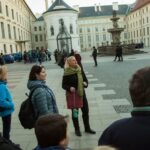
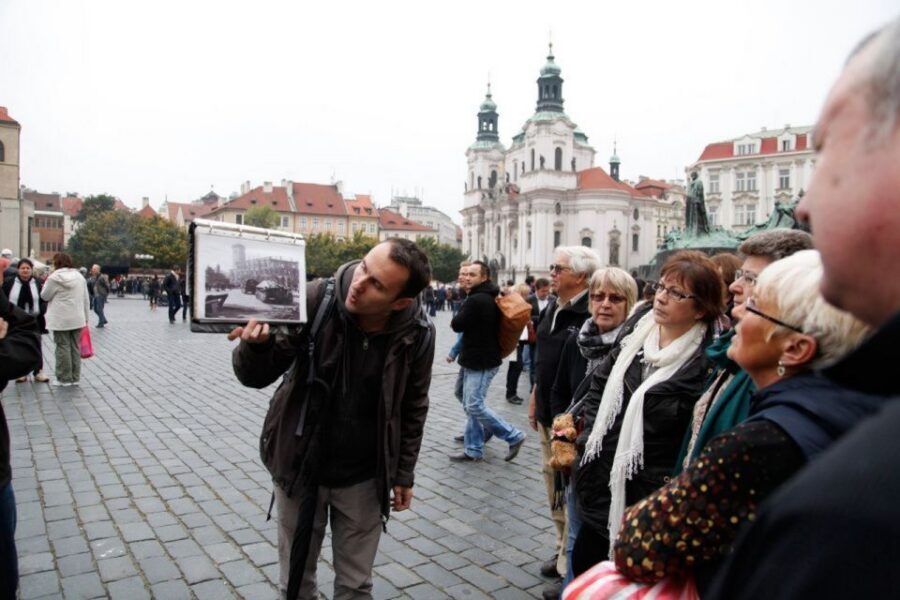
The tour begins as a guided walking overview of Prague during World War II. The main promise here is not just that you hear about WWII. You see the lingering marks of it around Old Town streets.
For me, the value of this approach is that you stop treating history as a separate world. Instead, you build a map in your head: where power sat, where people moved, where danger could find you. Even without going into heavy technical detail on the street level, you start recognizing patterns that match what the guide explains later in the crypt.
One good sign this walk is designed well: it’s tied to specific places. A lot of WWII tours stay broad and talk in generalities. This one focuses on physical location cues, including scars on walls that still remain. That kind of storytelling is easier to follow, and it makes later stops feel earned.
If you’re the type who likes to ask questions, keep your curiosity switched on during the walk. Multiple guide styles have been praised for maintaining a steady pace while still making room for questions and clarifications.
U Kunštátů palace cellars: stepping into makeshift shelter
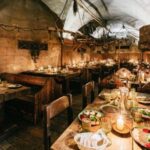
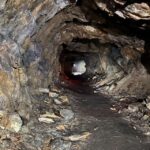
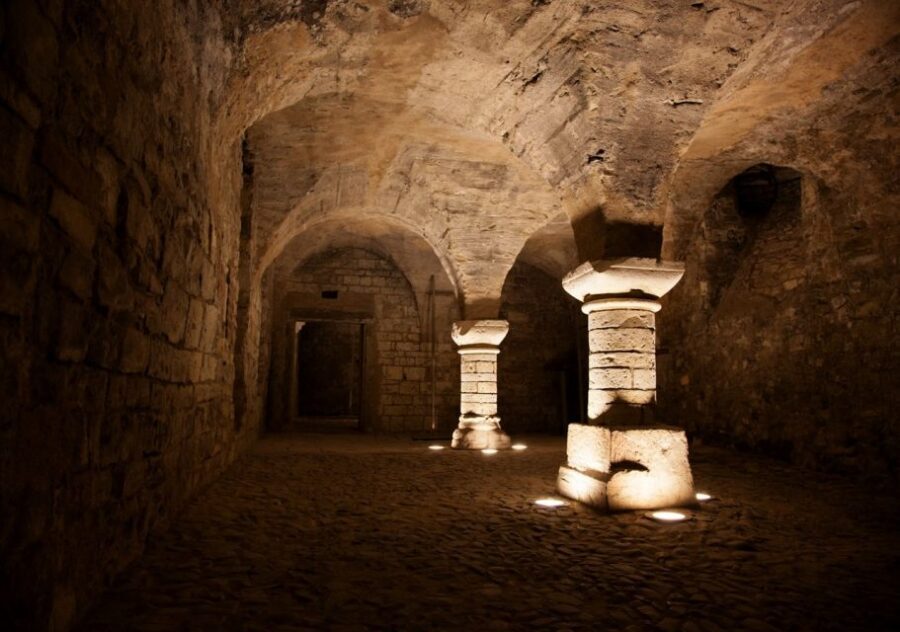
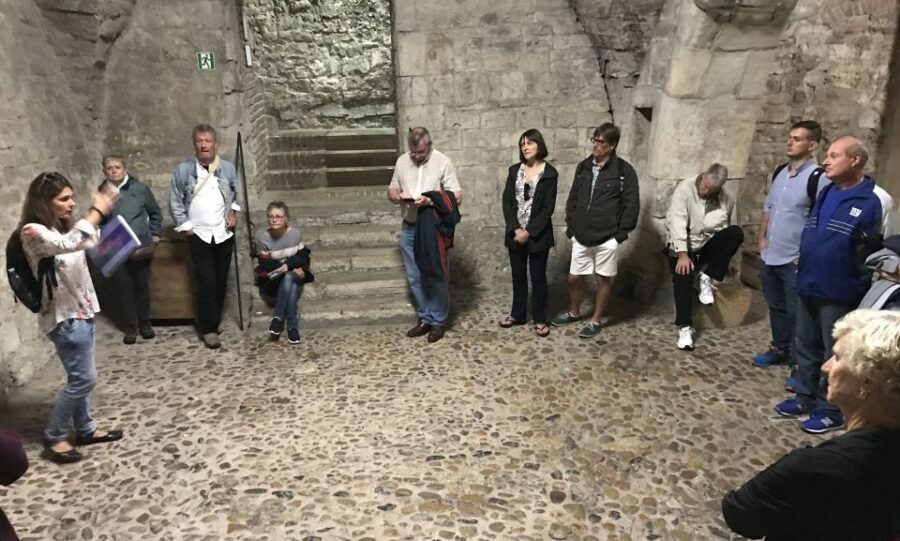
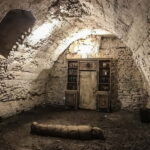
Next comes the underground segment at U Kunštátů. You’ll explore medieval underground cellars connected to a 12th-century palace, right in the middle of Old Town. The standout here is that you’re not just entering an old basement. You’re touring spaces that served as makeshift shelter.
That’s the difference between seeing history and feeling it. When the guide describes what people needed during wartime, you can compare that need to the real conditions of the cellars: the confined layout, the stone setting, and the sense of being out of sight. The physical environment reinforces the human reality.
This stop also helps you understand why resistance stories weren’t only about heroic acts. They were about surviving daily constraints too. Underground spaces meant hiding, regrouping, and waiting for a next chance. It’s harder to dismiss the risks when you stand in the same kind of shelter people used.
If you’re planning your timing, treat this section as a core moment of the tour. It’s one of the clearest ways the itinerary answers the question, What was life like when the city was under Nazi rule?
The private WWII artifact collection: objects that make the story stick
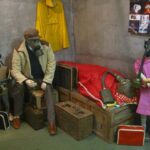
One of the most talked-about parts is access to a private collection of WWII artifacts and memorabilia. This is the kind of stop that can swing a tour from informative to memorable, because objects carry emotion even when you don’t have all the background facts.
From the information provided, the collection is part of the tour included package, and it’s positioned as a rare look into WWII material culture. In practice, that usually means you spend time looking closely at items while the guide explains how they fit into the larger narrative. If you’ve ever had a museum experience where you pass too quickly, this is the opposite: you slow down and compare what you see with what you hear.
Some guides have been praised for showing supporting visuals (like old photographs) and presenting the story with enough specificity that the artifacts feel connected, not random. There’s also mention of handling certain memorabilia in at least some runs, which can be a strong way to make history feel real—again, only where allowed and offered.
If you’re traveling with anyone who thinks history sounds too abstract, this stop often becomes the moment they lean in.



Saints Cyril and Methodius Crypt: the Operation Anthropoid museum experience
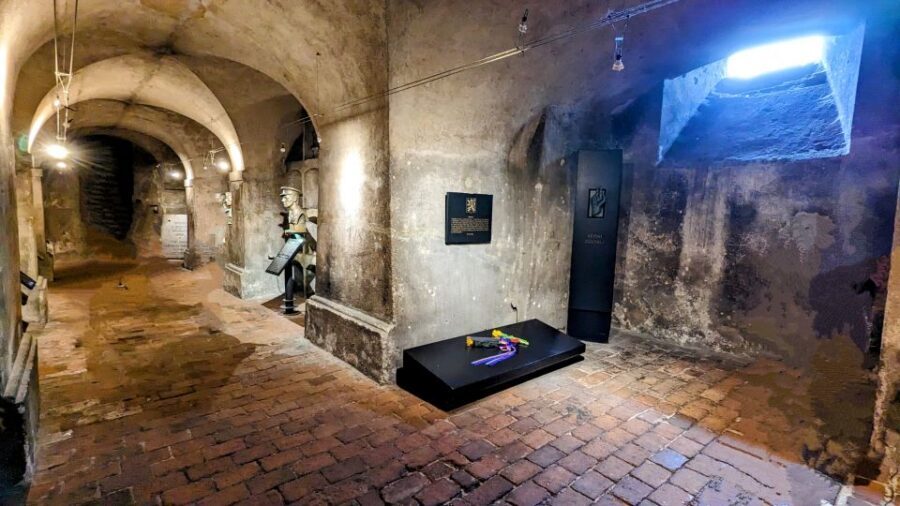
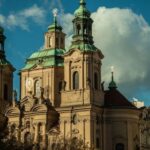
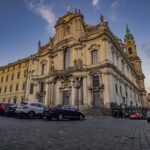
The tour culminates at the crypt and museum of Operation Anthropoid, located below Saints Cyril and Methodius Cathedral. This is where you shift from citywide WWII context to a specific resistance mission.
Operation Anthropoid is presented as a resistance effort designed to eliminate SS Obergruppenführer Reinhard Heydrich, one of the most feared figures of the Nazi regime. That single mission is the anchor for everything else the guide connects during the crypt visit.
Why the crypt setting matters: it gives the story a sense of gravity. The underground environment naturally slows your pace. It also turns the explanations into something more like witness than lecture. You’re not just learning what happened. You’re standing in a place that frames the aftermath.
The guide also connects the mission to the Prague Uprising, so the story doesn’t end with an operation. It moves into what followed in the city and why ordinary people became “silent heroes” in the tour’s wording—people who faced the Nazi regime and took risks in the aftermath.
If you like narrative structure, this is where the tour delivers it. You start with the scars. You go to the shelter spaces. You see the artifacts. Then you reach the crypt and you understand how a single act of resistance could reverberate through an occupied city.
Heydrich, resistance, and Prague Uprising: what the guide is really doing
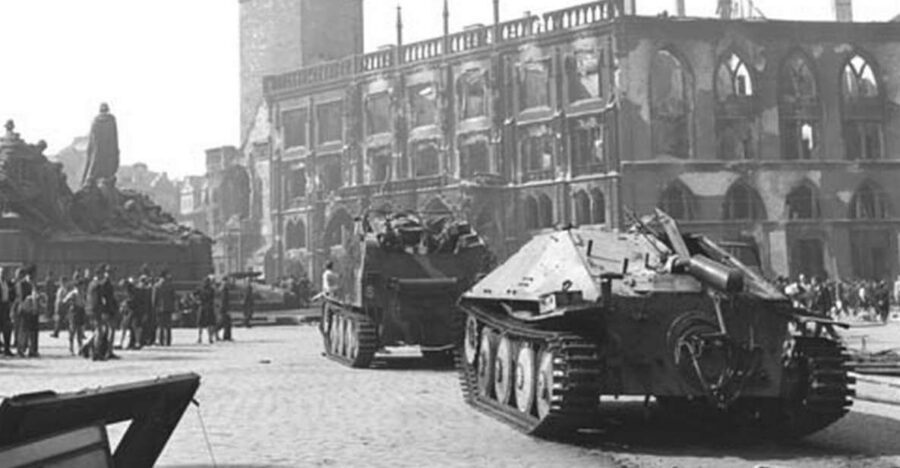
A good WWII tour doesn’t just name characters. It explains cause and effect in plain language. This one aims for that by building from the operation target (Heydrich) to the wider resistance environment in Prague.
You’ll hear the heroic resistance mission described as something planned and carried out despite overwhelming power. Then you’ll hear how Prague’s people responded afterward—through fear, sacrifice, and acts of resistance the guide frames as courageous even when they couldn’t be celebrated openly.
What makes this section valuable for you is clarity. The structure helps you place the operation inside the bigger story of occupation and reaction. Even if you already know the title Operation Anthropoid, you’ll likely pick up new angles on how Prague’s citizens shaped the resistance atmosphere.
The best guides in this tour style also use supporting visuals—often old photographs—and keep the explanation moving without losing the thread. If you enjoy the moment when history feels like a sequence you can follow, this is the heart of the experience.
Transport and time: planning for 150 minutes
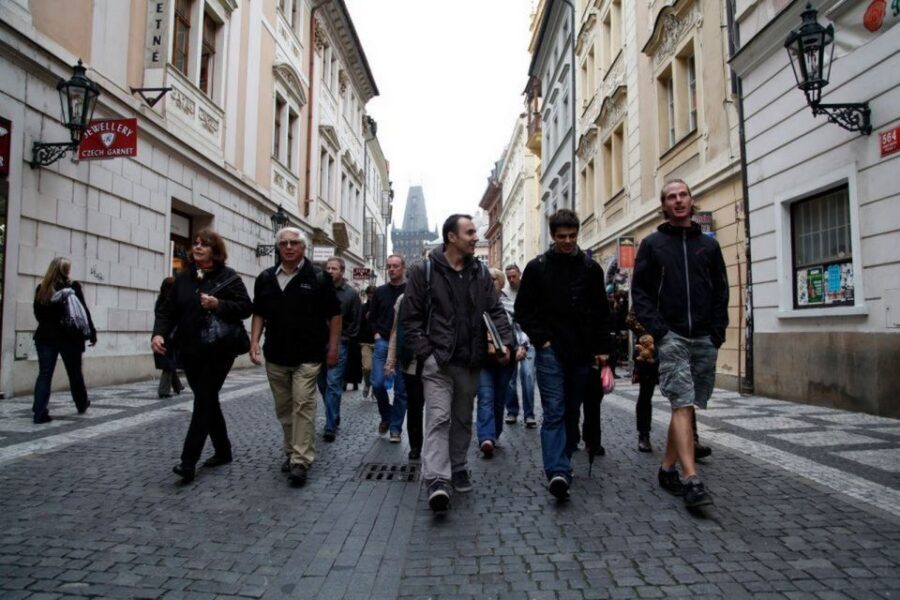
You’ll cover walking and indoor visits within about 150 minutes. The tour includes a public transportation ticket, which helps you jump between stops without turning this day into a marathon of foot travel.
That ticket matters more than it sounds. It keeps the schedule realistic, and it reduces the stress of finding transit while you’re already in a walking-and-underground rhythm.
Comfort planning is also important. The tour takes place rain or shine, and the streets can be slippery in winter conditions. Bring shoes with good grip, especially if your visit lines up with cold weather. You’ll be spending time underground as well, where floors and steps can be damp.
One more note: this tour is stroller accessible, but it is not suitable for wheelchair users. If mobility access is a concern, you’ll want to use that as your decision filter.
Price and value: why $42 can actually feel fair
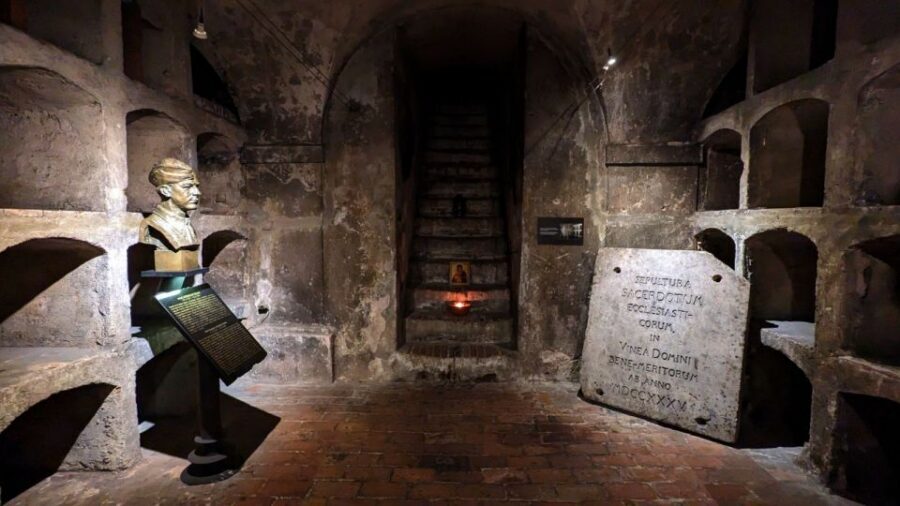
At $42 per person, the price starts looking more reasonable when you consider what is included. You’re not only paying for a guide. You’re also getting:
- entry to the underground cellars of U Kunštátů
- entry to the Saints Cyril and Methodius Crypt and Cathedral area
- access to the private WWII artifact collection
- a public transportation ticket
- the benefit of skipping the ticket line
That’s a lot of “paid parts” bundled into one guided format. You also gain context. Without a guide, you might see underground rooms and a crypt museum, but you could easily miss the thread that connects shelter, occupation pressure, and the Operation Anthropoid mission.
If your goal is value, think of this as a guided ticket package plus story time in the exact places tied to the resistance plot.
Who should book this Prague WWII and Anthropoid tour
Book it if you want:
- a WWII-focused Prague experience centered on Operation Anthropoid
- a combination of above-ground Old Town explanations and underground spaces
- real artifacts and memorabilia, not only posted information panels
- guides who tell the story with energy and specific detail, with names like Pavel, Paul, Hannah, George, and Ottokar showing up frequently in strong feedback
You might skip it if:
- you need full wheelchair accessibility (this tour says it’s not suitable)
- you prefer minimal walking or no underground segments
- you want only surface-level WWII highlights rather than the full mission-to-aftermath narrative
Should you book this tour
Yes, if WWII in Prague is your theme and you’re curious about how the city’s resistance story links streets, shelter spaces, and the crypt museum. The strongest reason to book is the structure: scars in Old Town, shelter underground at U Kunštátů, then the Operation Anthropoid museum under Saints Cyril and Methodius Cathedral.
If you’re on a tight schedule, prioritize this over a generic WWII talk. The included entries and the artifact access make it feel like more than a lecture.
If weather worries you, don’t overthink it. The tour runs in rain or shine, and you’ll still get the key underground and crypt segments that make the experience different.
FAQ
How long is the tour?
The tour lasts about 150 minutes.
Where do I meet the guide?
Meet 30 meters in front of the Powder Tower (Prašná Brána) in Republic Square, near the green kiosk. The guide holds a black umbrella with a white logo.
What does the tour include for entry tickets?
You get entry to the underground cellars of the U Kunštátů palace and entry to the Saints Cyril and Methodius Crypt and Cathedral.
Is a public transportation ticket included?
Yes. A public transportation ticket is included.
What WWII sites and topics are covered?
You’ll learn about WWII in Prague on an Old Town walking tour, explore the U Kunštátů underground cellars, and visit the Operation Anthropoid museum in the cathedral crypt. The tour also covers the mission targeting Reinhard Heydrich and the Prague Uprising.
Is the tour wheelchair accessible?
No. It is not suitable for wheelchair users.
Does the tour run in bad weather?
Yes. The tour takes place rain or shine.
Are pets allowed?
No. Pets are not allowed.
Are service animals allowed?
Yes. Service animals are allowed.
What languages are offered?
The tour is available in English.
If you want, tell me your travel dates and your pace (quick walkers vs slow and photo-heavy), and I’ll suggest the best way to fit this into a Prague day.