REVIEW · PRAGUE
Prague’s TOP Sights – Old Town, Jewish Quarter, Charles Bridge (Tip-based tour)
Book on Viator →Operated by Real Prague Guides · Bookable on Viator
Prague reveals itself fast on foot. This tip-based highlights walk stitches together the city’s architecture, legends, and big landmarks in a tight loop that makes you know where you are in minutes. I love how the guide turns short stops into stories you can actually remember.
I also like the English narration style—clear, paced, and full of real details. Seeing the Astronomical Clock with an explanation first makes the clock show much more than a quick photo moment, and guides like James, Jan, David, and Petr are the kind who keep groups engaged without turning it into a lecture.
One thing to keep in mind: this is mostly sightseeing from the street, with limited time at each spot. You’ll get major exteriors and key legends, but Jewish museums, synagogues, and the Old Jewish Cemetery aren’t included, so if you want museum-depth, you’ll need a different tour.
In This Review
- Key highlights you’ll feel right away
- The route: Old Town, Jewish Quarter sights, Charles Bridge, Lennon Wall finish
- Powder Gate and Obecni Dum: Art Nouveau you’ll want to look at twice
- House of the Black Madonna: Cubist-minded Prague street details
- Karolinum and Charles University: education as a 600-year engine
- Theatre Des Etats and Mozart’s Prague moment
- Old Town Hall and the Astronomical Clock show: how to watch it without feeling rushed
- Church of Our Lady before Týn: gothic cues you can finally explain
- The Jewish Quarter without museum tickets: exteriors, legends, and focus
- Charles Bridge: statue legends plus a river view you’ll feel in your legs
- Lennon Wall finish: modern Prague as a memory anchor
- Price and value: what you’re really paying for
- Practical stuff you’ll thank yourself for
- Should you book this Prague highlights walk?
Key highlights you’ll feel right away
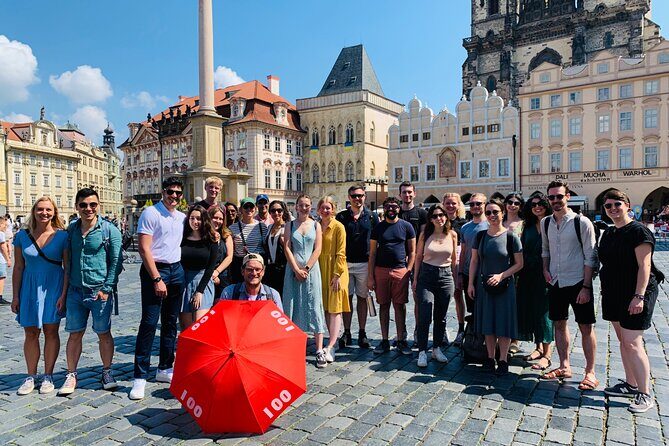
- A smart Old Town to Charles Bridge route that ends near the river, so you can keep exploring afterward
- Architecture on parade: Art Nouveau at Obecni Dum and Cubist-leaning details around the House of the Black Madonna
- Astronomical Clock explained before you watch the clock show
- Jewish Quarter focus on exteriors and legends like the Golem, not museum ticket time
- Charles Bridge with statue lore and Vltava river views
- Guides that tell it like a story (names I’ve seen praised include James, Jan, David, Nico, and Kamil)
The route: Old Town, Jewish Quarter sights, Charles Bridge, Lennon Wall finish
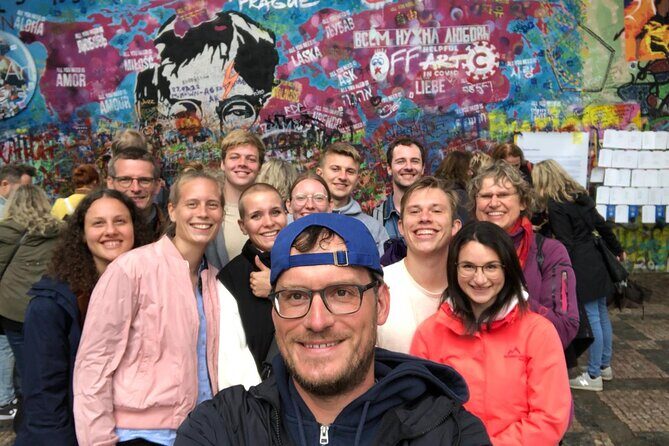
This tour is built for a first visit. You start near Powder Gate and work through central Prague in a way that helps you connect neighborhoods without getting lost. The ending at the John Lennon Wall is a nice move: it’s right by Charles Bridge, so your day naturally flows from “historic Prague” to “modern Prague” in one clean finish.
The walk is around 2 hours 45 minutes, and it’s designed for people with at least moderate walking ability. In practice, that means you should expect steady pavement between stops, not a sit-down pace. The upside is you cover a lot of the classic postcard places without burning your whole day on logistics.
You’re also traveling with an in-person licensed guide in English, and the group size stays manageable (up to 30). That matters. Big groups can steamroll slower stops, but with this size you usually get a chance to hear, see, and regroup.
You can also read our reviews of more tours and experiences in Prague.


Powder Gate and Obecni Dum: Art Nouveau you’ll want to look at twice
The first real “wow” moment is the exterior of Obecni Dum (often called the Municipal House). You don’t go inside, but you don’t need to. Even from across the road, the building’s Art Nouveau personality hits you fast—ornamental, dramatic, and unmistakably “Prague in the early 1900s.”
What I like about starting here is the context it gives. You’re not thrown straight into the Old Town Hall crowd. Instead, you begin with a calmer, grander view of Prague’s architectural ambition, then the tour steadily ramps up into the medieval-and-religious center.
Stop time is short (think about a few minutes), so come prepared to do your part. If you want a good photo, stand where the guide suggests and take one careful shot rather than chasing the perfect angle while everyone else keeps moving.
House of the Black Madonna: Cubist-minded Prague street details
Next comes a quick stop with a big payoff: the House of the Black Madonna. The point here isn’t just the nickname. It’s to help you recognize how Prague mixes styles and how artists weren’t afraid of bold geometry.
The guide connects this to Cubist architecture—and that’s useful, because once you’ve been “taught how to see,” the streets start looking different. You’ll start spotting sharp lines and fractured forms you’d probably miss on your own.
One practical tip: this is the kind of stop where you’ll want to pause, look up, and then look again from a step or two away. Cubist-leaning façades can shift visually depending on your angle, so a tiny move can change what you notice.
Karolinum and Charles University: education as a 600-year engine
At Karolinum, you’re in the orbit of Charles University, which has shaped Prague for centuries. Even if you’re not a history nerd, this stop helps you understand why Prague feels like a city built on learning, debate, and institutions that outlast political fashions.
The guide focuses on the university’s early role and the kind of student life that existed long ago. That turns the site from “a pretty complex” into a place with a time depth that’s hard to get any other way.
This stop is also a nice pacing reset. It’s not only monuments; it’s people and systems. And those are the details that make the rest of the tour click into place.
Theatre Des Etats and Mozart’s Prague moment
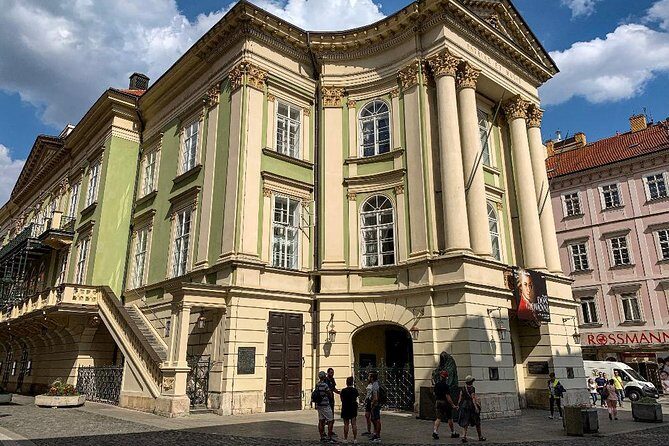
Then you’re at Theatre Des Etats, described as the oldest theatre in Prague. The headline is historical, but what makes this stop worth the minutes is the story angle—especially the guide’s explanation of how it was built and the tale of Mozart’s performance there.
Even if you already know Mozart’s name, you’re unlikely to know the Prague-specific details behind the setting. A good guide makes this feel like a scene, not a trivia worksheet. And since theatre spaces tend to look similar from the outside, hearing what makes this one distinct helps you appreciate it immediately.
This is a stop where listening matters as much as looking. Don’t multitask with your phone unless you’re ready to miss the best part.




Old Town Hall and the Astronomical Clock show: how to watch it without feeling rushed
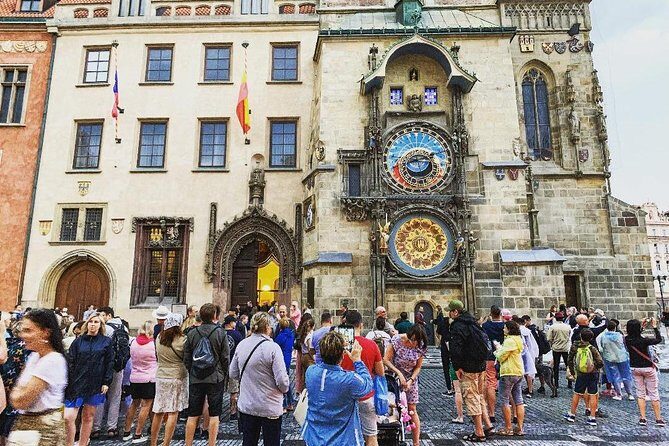
You’ll then hit Old Town Hall with the Astronomical Clock, one of the world’s most famous mechanical clocks. The practical benefit of this stop is simple: the clock show can look like pure spectacle if you don’t know what you’re watching.
With a guide, you learn about the clock’s creation and mechanism, and then you get to see the show as part of the experience. That combination turns your time at the busiest landmark into something more satisfying. You stop treating it like a checkmark and start treating it like a working system with symbolism.
Time is limited here (about 15 minutes), so manage expectations. You won’t linger like you would in a museum. But you’ll leave understanding what you saw, which is the difference between remembering a photo and remembering a place.
Church of Our Lady before Týn: gothic cues you can finally explain
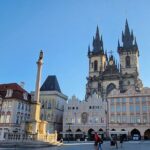
In Old Town Square, you’ll look at the Church of Our Lady before Týn, a gothic landmark that often confuses people at first glance—especially the towers, which look so different from one another.
This stop works because the guide answers the questions you probably have in your head: who built it, how people enter it, and why the towers aren’t matchy-matchy. Those answers matter because they make the building feel intentional instead of accidental.
Also, this is a good moment to step back and watch how the square functions. Even if you don’t go inside, you’ll learn to read the space the way locals do: towers as visual anchors, square as social stage, church as a steady reference point in the middle of constant movement.
The Jewish Quarter without museum tickets: exteriors, legends, and focus
The tour then shifts into the Jewish Quarter in a way that respects how these sites are best visited. You’ll see the exteriors of the Old-New Synagogue, and you’ll hear key legend and cultural context—like the Golem—but you won’t be doing the museum-ticket circuit.
That’s a real consideration for your planning. Jewish museums, synagogues, and the Old Jewish Cemetery aren’t included, because those require a different guided setup arranged through the Jewish Museum. The tour tries to hit the most important threads of Jewish history you’ll want to know first, but it doesn’t go into WWII detail because that’s handled by a separate tour focusing on that era.
So here’s how I suggest you use this: treat this walk as your “orientation + stories” layer. Then, if the Jewish Quarter pulls at you, book a dedicated museum or synagogue experience afterward.
This approach keeps the highlights tour moving. It also avoids the common mistake of trying to do museum-level content in a highlights format where time just won’t allow it.
Charles Bridge: statue legends plus a river view you’ll feel in your legs
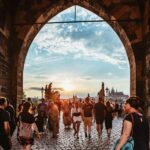
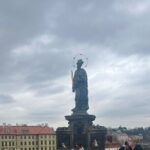
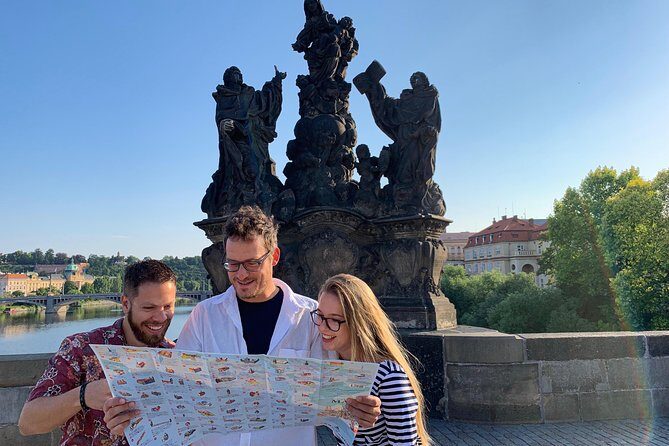
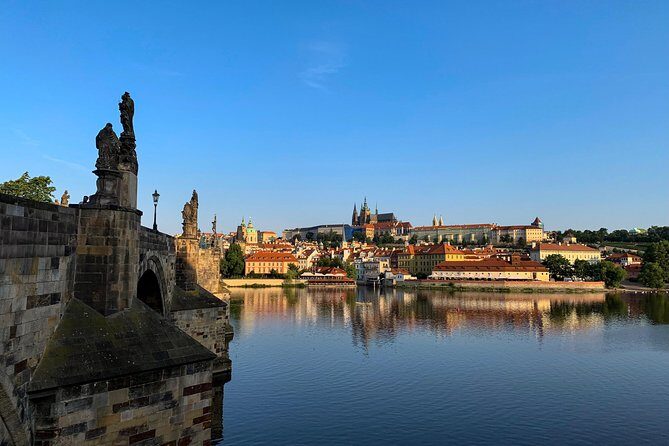
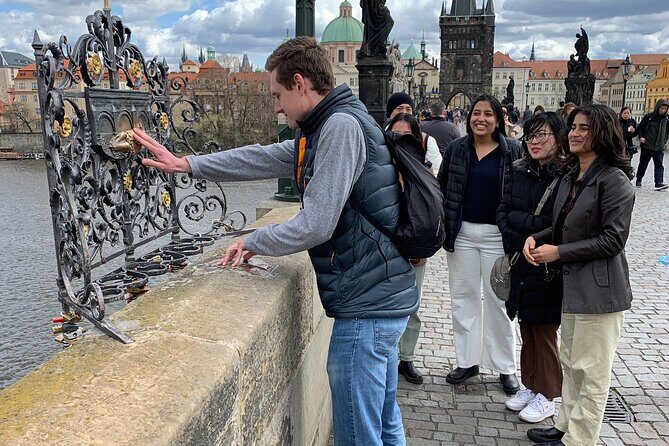
Crossing Charles Bridge is the payoff stretch. You’re walking over the oldest stone bridge in Prague, and you’ll learn about the statues and legends behind them as you move across. You also get the reason people stop here: the Vltava river views.
What I love about learning the statue stories is that it changes how you walk. Instead of staring forward at crowds, you start scanning upward and sideways for the symbolic details the guide points out. It feels like the bridge has chapters.
The stop time is about 15 minutes for this section, and the tour keeps you moving. That’s good, because waiting around can mean getting stuck in peak foot traffic. If you’re flexible, you’ll be happier. Keep your eyes on the guide, take your shots quickly, and enjoy the walk as much as the views.
Lennon Wall finish: modern Prague as a memory anchor
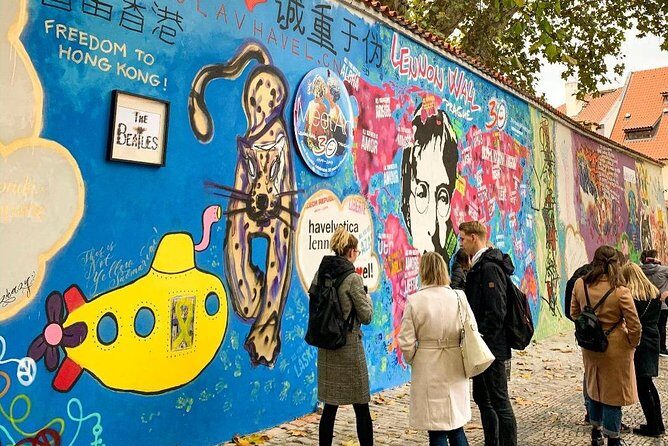
You’ll end at the John Lennon Wall at Velkopřevorské náměstí in Malá Strana, right by Charles Bridge (a short walk from the end point). This is a different tone than the Old Town stops, and that contrast is part of why it works.
The guide explains the cultural significance of the wall and how it’s changed alongside the Czech Republic. Even if you’re not chasing street art, it’s a meaningful way to close the day: history gives you roots, and the Lennon Wall gives you a sense of what people did with freedom, identity, and public space.
This is also a smart logistical finish. After the tour, you’re in a neighborhood where it’s easy to keep exploring on your own—cafés, viewpoints, and river access.
Price and value: what you’re really paying for
The listed price is $3.63 per person, and the tour is tip-based, meaning the real cost picture is the base fee plus what you choose to tip your guide. At first glance, the base price feels almost too low. The value is in the licensed guide and the timing.
You’re paying for:
- A route that strings together major sights without you needing to map it yourself
- Guided interpretation, especially where information matters (like the Astronomical Clock show and the theatre stories)
- A curated Jewish Quarter introduction that doesn’t require you to buy museum tickets on the spot
If you want a DIY walk with no guidance, you can do that. But the key places on this tour are exactly where a guide helps most. The clock is the obvious example, but the same idea applies to architectural styles and legends—once you know what you’re looking at, Prague reads like a book instead of a postcard wall.
The short stop durations are also a value trade. You won’t get “slow tourism” time, but you will get broad coverage and direction for what to do next.
Practical stuff you’ll thank yourself for
Wear comfortable shoes. This is a walking-heavy highlights format. You’ll be on foot between central sights, including the long bridge crossing.
Bring a small layer. Stops are mostly outdoors. Even when weather looks decent, Prague wind near open squares and the river can surprise you.
Have a plan for Jewish Quarter depth. If you feel a strong pull toward synagogue interiors or cemetery history, use this tour as a starting point. Then add the dedicated Jewish Museum guided tour separately so you don’t feel like you missed the main event.
Expect a mix of big names and quick explanations. Some stops are very short by design, which means the guide has to prioritize the most important details. That’s great if you like an overview, but it’s not ideal if you want long, detailed lingering at every stop.
Also, group logistics matter in busy areas. This tour caps at 30, which usually keeps the experience friendly, but you’re still in crowded Prague center zones. If you’re easily stressed by crowds, keep your expectations realistic and focus on the next guided story, not on getting the perfect quiet moment.
Should you book this Prague highlights walk?
If it’s your first time in Prague, you should book it. This is one of the best ways to get your bearings fast, learn what you’re looking at, and end in a place that feels like a clean emotional chapter close.
I’d skip it only if you already know you want Jewish museum or synagogue interior time as your main priority, or if you have mobility limits that make a steady walking route uncomfortable. In those cases, you’ll get more from a tour designed specifically around museum entries and deeper time.
For most visitors, the balance is strong: you get the Old Town landmarks, the Jewish Quarter legends (without the museum ticket burden), and the Charles Bridge finale, all with an English guide who makes the city’s details click.