REVIEW · PRAGUE
The Ultimate Prague History Tour
Book on Viator →Operated by KulturCaféPrag · Bookable on Viator
Prague history, told without the tourist crush. This private 7-hour tour connects the big sights to the ideas behind them, from a calm walk in Novy Svet to the Cathedral lessons inside Prague Castle. I like that the route is designed so you see more than the photo spots, and you also get the political and religious backstory that explains why things look the way they do.
Two things I really love are the early crowd-smart start plus the way Günther ties architecture to power, not just dates and names. One consideration: it’s mostly a walking day with a moderate fitness level, and a couple of stops have admissions that are not included.
In This Review
- Key Highlights You’ll Care About
- A Private Prague History Day That Makes the City Make Sense
- Novy Svet: A Quiet Morning Before Prague Castle Takes Over
- Loreta Praha: A Sanctuary That Blends Beauty and Mystery
- Prague Castle Cathedral: Gothic Origins and the Why Behind the Location
- Nerudova and St. John’s Hill: Art, Religion, and Politics in One Walk
- Malostranské náměstí: The Lesser Town Square With WWI Espionage Stories
- Maltezské náměstí to the Vltava: Knights, Embassies, and a Bit of Lennon Wall Reality
- Museum Kampa: Abstract Painting, a Former Mill, and a Modern Prague Story
- Legions’ Bridge to Old Town: Independence Stories Without Waiting for Charles Bridge
- Stare Město: How Medieval Villages Became the City You See Today
- Municipal House Coffee Stop: Art Nouveau Origins at Prague’s Most Beautiful Address
- Price and Value: Why $216.25 Can Still Feel Like a Good Deal
- Who This Tour Suits Best (and Who Might Want a Different Day)
- Should You Book This Tour?
- FAQ
- How long is the Ultimate Prague History Tour?
- Is this tour private?
- Do you offer pickup in Prague?
- Is the tour in English?
- What’s included in the price?
- Are entry tickets included for all stops?
- What fitness level do I need?
- Is the tour affected by weather?
- Is there free cancellation?
Key Highlights You’ll Care About
- Crowd-smart start in Novy Svet: you get off the tram past Prague Castle and walk through a quiet “New World” quarter
- Loreta Praha’s church + treasury story: a sanctuary setting with a mystic legend that research helped confirm
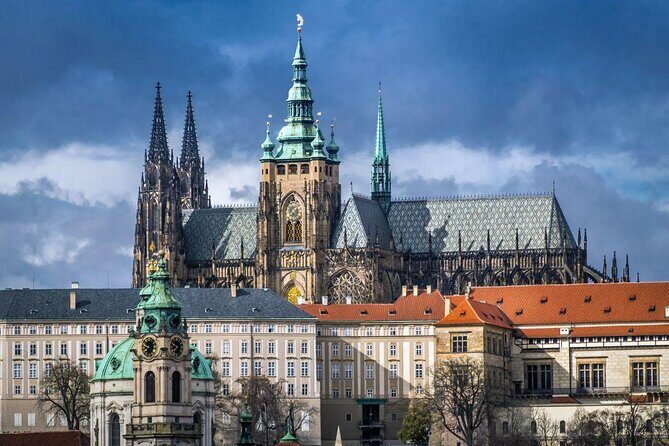
- Prague Castle Cathedral explained for real: Gothic style origins, with both religious and political reasons for the cathedral’s unusual location
- Kampa Island + Museum Kampa: a former mill museum focused on František Kupka and modern abstract painting
- A smart river crossing plan: if Charles Bridge is too busy, you’ll switch to Legions’ Bridge
A Private Prague History Day That Makes the City Make Sense
This is the kind of Prague tour that helps you decode what you’re seeing. You’re not just ticking off landmarks. You’re learning the logic of the city: why religious buildings got built where they did, how art and politics leaned on each other, and how neighborhoods grew from medieval village roots into what you recognize today.
The tour also works because it’s private. That means you’re not stuck with a one-size-fits-all pace. The guide can adjust when you ask questions, and he can steer the route to help you avoid the worst crowds—one of the biggest quality-of-life issues in Prague.
And yes, you’ll walk. The good news is that it’s the kind of walking that feels purposeful, not random. You’ll get water included, and the stops are placed so you’re always moving toward a story, a view, or a specific detail worth noticing.
You can also read our reviews of more historical tours in Prague
Novy Svet: A Quiet Morning Before Prague Castle Takes Over
The day begins with a clever move: you hop off the tram at a stop past Prague Castle to avoid the crush, then take a walk through Novy Svet. This is the “New World” quarter, and it’s both scenic and surprisingly calm compared to the castle approaches.
Why this works: Prague Castle is the top draw. If you start there too early or in the wrong place, you’ll lose time just staring at packed shoulders. Starting in Novy Svet helps you establish the neighborhood feel and get your bearings before the main stage.
What you’ll do here is simple—walk and look—but the guide will point out the kinds of details that make later stops click. Think street character, vantage points, and how Prague’s old paths shaped daily life. This is one of those segments where you’ll feel like you’re seeing the city with less noise.
Practical note: you’ll likely want comfortable shoes. You’re not doing a sit-down tour.
Loreta Praha: A Sanctuary That Blends Beauty and Mystery
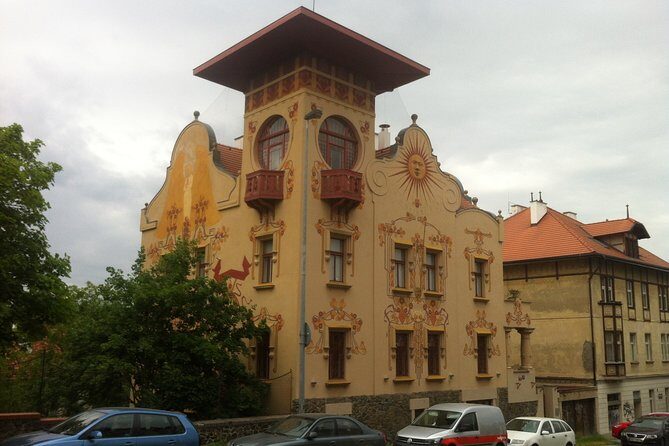
Next up is Loreta Praha, a monastery-like sanctuary for St. Mary with a breathtaking church and a treasury. This stop isn’t just about the visuals; it’s about the stories people built around the place.
One of the most interesting angles here is that research has found large parts of the site’s mystic legend turned out to be true. That gives the visit a grounded feel: you’re not only enjoying folklore, you’re also learning what’s likely fact and what was later romanticized.
What to expect: plan for about an hour. Since admission is not included, you should expect to pay for entry on site. If you enjoy religious architecture, Prague’s layered meaning, and the way legends get anchored to real locations, this stop will land well.
Possible downside: if you’re only interested in big outside landmarks and not inside sites, you might want to mentally prepare for a more heritage-and-objects style hour.
Prague Castle Cathedral: Gothic Origins and the Why Behind the Location
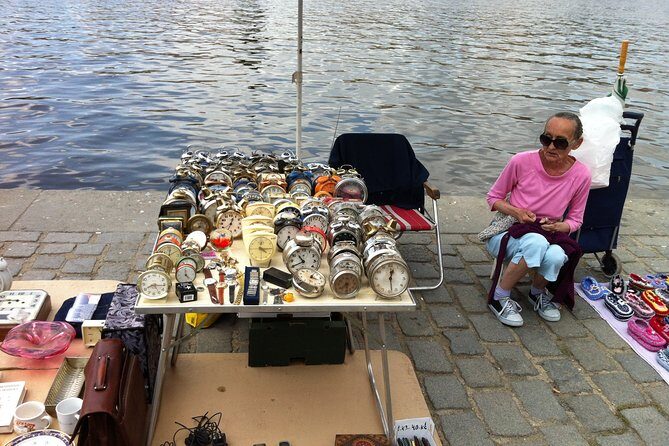
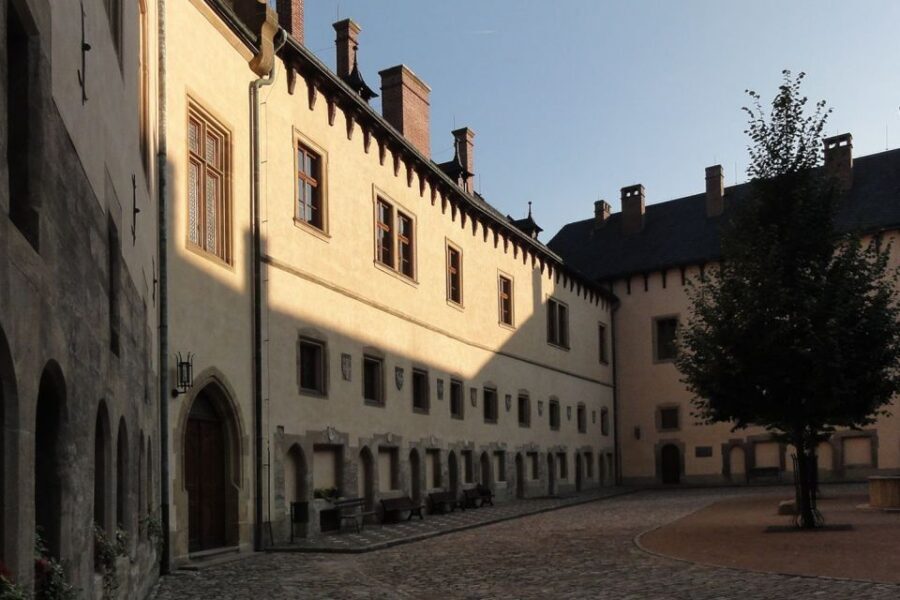
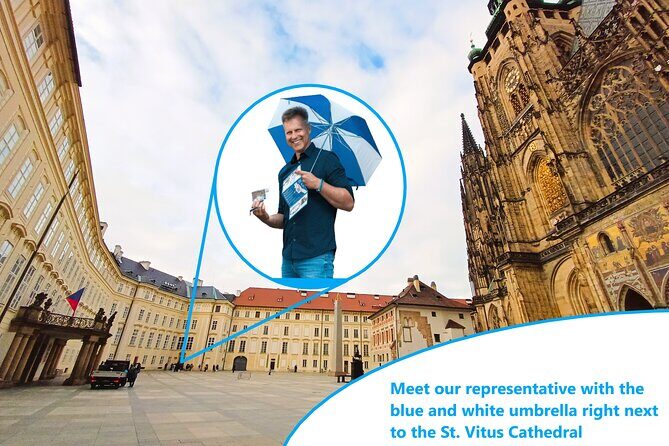
Prague Castle is Prague’s attraction number one, so crowds are always a risk. The tour handles that by giving you a guided framework for what matters most and letting you decide on the spot whether to do deeper walking inside.
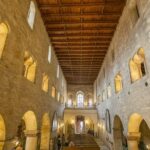
The standout focus here is the cathedral. The guide explains why its unusual location has both religious and political reasons. That matters, because in Prague, power shows up in stone. Buildings weren’t just built to impress pilgrims. They were also built to signal control, legitimacy, and influence.
You’ll also get a detailed explanation of the genesis of Gothic style. This is the sort of explanation you rarely get on a quick tour. You’ll leave with a clearer sense of what Gothic architecture was trying to achieve—spiritually and politically—and how that shows up in the cathedral’s structure and setting.
Timing tip: the castle area can swallow time. The tour’s structure helps you use the time you have, but the cathedral focus means you’ll want to pay attention, not race.
Admission is listed as free for this stop, so plan around a guided visit without extra ticket expectations here, based on what’s included in the tour format.
Nerudova and St. John’s Hill: Art, Religion, and Politics in One Walk
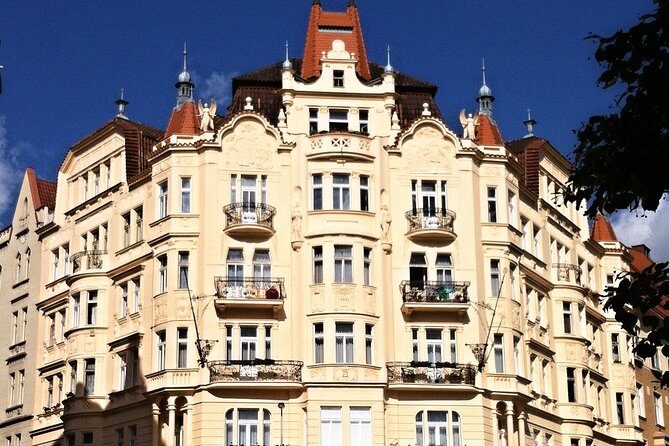
From the castle zone, the tour moves toward Nerudova, then turns right to St. John’s Hill. This is a very pretty street, but it is also touristic—so the guide’s real value is in how he steers you away from the worst of the “just follow the crowd” experience.
St. John’s Hill is quieter and historically tied to Italian artists. The big reason this stop is worth your attention is that the guide connects the dots: why artists ended up here, how religion and politics influenced patronage and culture, and why that history still shows in the neighborhood’s feel.
Admission for this segment is listed as not included. Since the tour is mainly a walk and viewpoint-style exploration, you’re paying for the experience rather than an attraction ticket.
What you’ll get: about an hour to take in the neighborhood, slow down, and understand the context. If you like art history but hate “museum-only” days, this kind of outdoor historical linking can be perfect.


Malostranské náměstí: The Lesser Town Square With WWI Espionage Stories
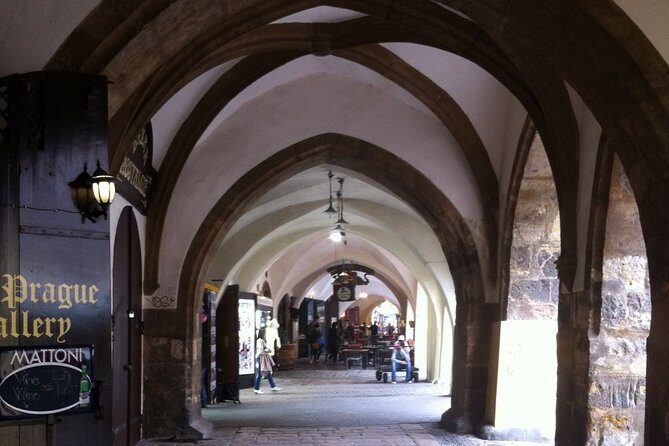
Then you’ll reach Malostranské náměstí, the central square of Lesser Town. This square is where Prague’s baroque mood really shows, but the tour makes sure you see more than facades.
You’ll hear tales tied to religious upheaval and baroque splendour, plus WWI espionage stories. That mix is why this stop feels alive. You aren’t only learning about the distant past; you’re learning how the city stayed politically active and strategically important.
Timing here is about 30 minutes, so it won’t become a long lecture. Instead, it’s a quick way to anchor your understanding of the area—then you move on before your attention drifts.
Practical advice: if you’re a first-timer, this is a good place to slow down and look upward. The details matter, and the guide will point out the kinds of features that help you read the buildings like a text.
Maltezské náměstí to the Vltava: Knights, Embassies, and a Bit of Lennon Wall Reality
As you approach the Vltava river, you’ll arrive at a small square with a church and the embassy of the Maltese knights. Nearby, there’s also the palace of the French embassy, and you might be able to visit upon prior request.
Then comes a major Prague photo stop: the Lennon Wall. The tour notes that it’s now a sad remnant of what it once was. That’s honest, and it helps you avoid expecting the dramatic versions you’ve seen in older photos.
From there, you’ll head toward Kampa island, described as a green oasis with a few interesting attractions. This is one of those Prague transitions where the city’s high drama turns into something calmer and more scenic.
Admission is listed as free for this part. Expect about 30 minutes, and expect it to feel like a moving gallery of history—religious orders, modern diplomacy, and cultural memory all within a short walk.
If you’re hoping for a relaxed riverside moment, this is likely where you’ll get it. Kampa in particular is a nice breather before the museum stop.
Museum Kampa: Abstract Painting, a Former Mill, and a Modern Prague Story
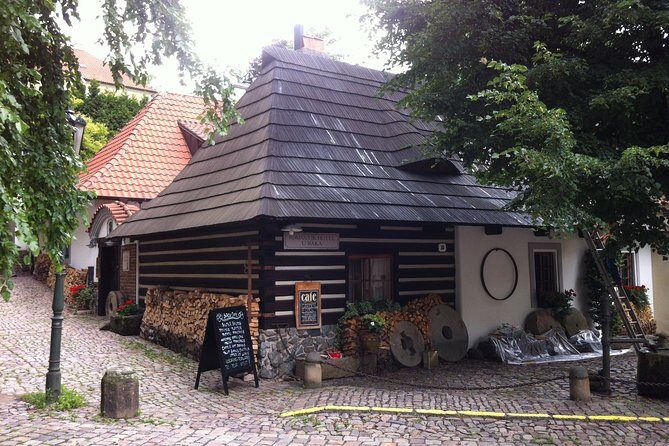
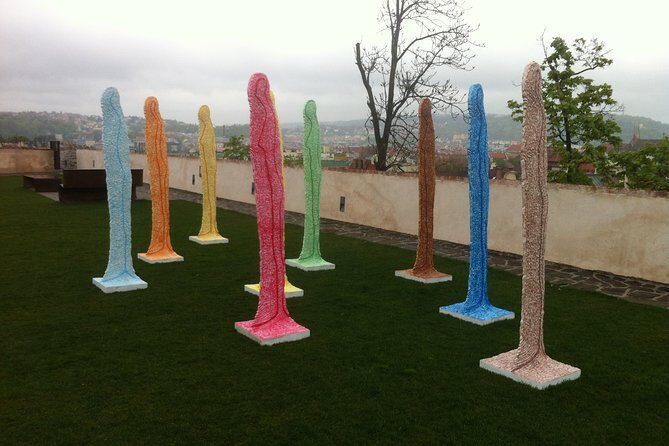
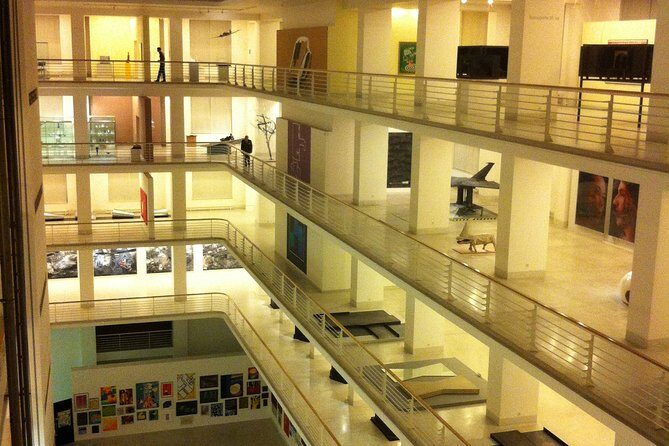
Next is Museum Kampa, a contemporary art museum set in a former mill. This isn’t just a “stop for photos.” It focuses on modern art, and it holds the largest collection of František Kupka.
Kupka is a pioneer of abstract painting, so if you’ve ever wondered how abstraction actually began—what artists were responding to and how they broke rules—this museum can give you a satisfying answer in a short time.
Another detail that makes this stop special is the museum’s origin. It was initiated by one of the most interesting women in Prague’s recent history, and the guide will share her biography and why her career matters. Even if you’re not a hardcore art person, that biography thread adds a human spine to the visit.
Timing: about 30 minutes. Admission is not included, so plan to pay for entry. This stop is a good match for anyone who wants culture that isn’t only medieval churches and castle walls.
Possible drawback: if you prefer purely historical sites and want fewer art stops, Museum Kampa might feel like a left turn. But it fits the tour theme: Prague isn’t just old—it keeps reinventing itself.
Legions’ Bridge to Old Town: Independence Stories Without Waiting for Charles Bridge
Crossing the river leads you toward Old Town. The tour includes a smart decision rule: if Charles Bridge is too busy, you cross on Legions’ Bridge instead. From there, you reach Old Town and the National Theatre.
You’ll get an introduction to the National Theatre’s role in the country’s fight for independence in the 19th century. That’s a strong use of time. Instead of just admiring the building, you connect it to how Czech identity got expressed through culture.
This segment is about 30 minutes and functions like a corridor of meaning. You’ll keep moving, and the guide will give you story anchors so the Old Town streets don’t feel like a maze.
Stare Město: How Medieval Villages Became the City You See Today
Now it’s the Old Town walking part, about 30 minutes. Instead of a strict loop of only the most famous corners, the tour walks crisscross around the area based on what you’ve already seen. The goal is to show less-known attractions and to give you a clear idea of how medieval villages became cities—and what you can still recognize after 1,000 years.
This is one of the most useful ways to explore Prague. If you don’t understand the city’s growth, Old Town can feel like a collection of buildings. With the context, it starts to feel like a real urban story.
What you’ll enjoy here: the guide ties your earlier castle and Lesser Town lessons to street-level urban life. That’s how Prague stops being a postcard and becomes a place with logic.
Practical tip: wear shoes that can handle cobblestones and small inclines. Your feet will lead you where your eyes need to go.
Municipal House Coffee Stop: Art Nouveau Origins at Prague’s Most Beautiful Address
If there’s time, the tour finishes at Prague’s Municipal House for coffee. This is described as the city’s most beautiful Art Nouveau building, with a concert hall, exhibition space, two restaurants, and a gorgeous café.
The guide uses this stop to explain the genesis of Art Nouveau. Since you’ve already spent the day on Gothic and baroque themes, this is a nice shift: you’re seeing how different eras expressed taste and power through design.
Timing is about 30 minutes. It’s also a helpful end-of-day reset. Walking and standing in Prague adds up. A café moment gives you a chance to process what you learned without rushing.
Admission for this segment is listed as free, at least in the tour format. Expect you’ll buy your coffee, of course.
Price and Value: Why $216.25 Can Still Feel Like a Good Deal
The tour price is $216.25 per person, for about 7 hours, and it’s a private tour. You also get bottled water included, plus pickup offered anywhere within the defined area.
Here’s how I think about value for this kind of experience:
- You’re paying for a guide who spends the day linking architecture, religion, and politics into one narrative, not random “look at that” stops.
- You’re paying for a crowd-smart route. That can save real time and keep your day from getting hijacked by slow-moving lines.
- You’re getting a flexible, private pace. When the guide can tailor timing, the tour often feels longer and more satisfying than a generic group tour.
There are a couple of costs to keep in mind because some admissions are not included. Loreta Praha and Museum Kampa, for example, are listed as ticket-not-included stops. So you should budget a bit extra for those entries.
If you’re traveling with someone else, the private format can be especially good value, because you’re not splitting the guide’s attention with strangers. If you’re solo, it’s still a strong choice if you want depth and hate superficial checklists.
Who This Tour Suits Best (and Who Might Want a Different Day)
This tour fits well if you want context. If Prague is your first stop in Central Europe and you want the big story—how the city’s religious structures, artistic trends, and political pressures connect—this day gives you a sturdy foundation.
It’s also a good match if you’re the type who asks questions. The guide is described as alert to questions and able to pace exploration to individual needs. That kind of interaction makes the stories land better.
You should consider a different tour if you strongly prefer only one era. The route is focused on cathedral, religious sites, art, and national identity threads across multiple centuries, so you’ll want a broad interest. One review highlighted a mismatch in timeline interests, so if your focus is very specific, check the tour’s themes before booking.
Finally, bring moderate patience for walking. The tour’s marked as moderate physical fitness. It’s doable, but you’ll want good shoes and a steady pace.
Should You Book This Tour?
If you want a Prague day that actually explains Prague, I’d book it. The crowd-smart start in Novy Svet, the cathedral-level Gothic explanation, and the Kampa stop for Kupka make it more than a basic highlights loop.
This is also one of those tours where the guide’s style matters. You’ll benefit from a guide who can handle the day calmly and adapt when you need adjustments. If you enjoy architecture, art history, and the way politics shows up in buildings, you’ll get a lot out of it.
If you’re short on time and you only care about the absolute most famous exteriors, you might feel the walking and the inside focus are more than you need. But if you want the city’s story told in a way you can remember, this is a very strong choice.
FAQ
How long is the Ultimate Prague History Tour?
It’s about 7 hours.
Is this tour private?
Yes. Only your group participates.
Do you offer pickup in Prague?
Pickup is available, and the guide will pick you up personally anywhere within the defined area.
Is the tour in English?
Yes, it’s offered in English.
What’s included in the price?
Bottled water is included.
Are entry tickets included for all stops?
Not for all stops. Loreta Praha and Museum Kampa list admission as not included, and Nerudova also shows admission ticket not included. Other stops are listed as admission ticket free in the tour format.
What fitness level do I need?
It’s best for travelers with a moderate physical fitness level, since it’s primarily a walking day.
Is the tour affected by weather?
Yes. The experience requires good weather. If it’s canceled due to poor weather, you’ll be offered a different date or a full refund.
Is there free cancellation?
Yes. You can cancel up to 24 hours in advance for a full refund.