REVIEW · PRAGUE
Wars and Totality Private Walking Tour in Prague
Book on Viator →Operated by Spectrum Tours · Bookable on Viator
Prague changes fast when you know the dates. This private 3-hour wartime and communist history tour strings together Czechoslovakia’s 1900s—WWI, the Nazi years, and 40 years of Soviet control—using real places you’ll recognize on a map.
I especially like the private guide angle: you get one set of eyes, one pace (mostly), and direct answers while you walk. I also like that the stops connect big ideas to street-level evidence, from resistance stories to communist-era landmarks, plus a planned visit to the Museum of Communism.
One thing to plan for: this is a walking tour with long stretches and limited seating time, so if you’re sensitive to endurance or prefer frequent breaks, you may want to build in your own comfort strategy.
In This Review
- Key things you’ll notice on the street
- What this tour does differently: it turns Prague landmarks into a timeline
- Duration, route style, and the real walking math
- Stop-by-stop route: what each place is teaching you
- Stop 1: Modernista Art Shop, Municipal House area (declaration of independence)
- Stop 2: Republic Square (the symbolic beginning of modern Czech history)
- Stop 3: Petschek Palace (former seat of the Gestapo)
- Stop 4: Wenceslas Monument (living witness of hopes and despair)
- Stop 5: Národní (symbolic end of the communist era)
- The Museum of Communism: why it’s the part most people remember
- Price and value: is $51.06 for 3 hours worth it?
- Who this tour is best for (and who should pass)
- Simple tips to make the day smoother
- Quick reality check: mornings, afternoons, and start points
- Should you book this Wars and Totality private walk?
- FAQ
- Is this tour private or group-based?
- How long is the walking tour?
- Does the tour include hotel pickup in Prague?
- What language is the tour conducted in?
- Do I need to pay for admissions during the tour?
- Will there be any museum time?
- Is the tour fully walking?
- Where do I start if I’m not using pickup?
- What’s the cancellation policy?
Key things you’ll notice on the street
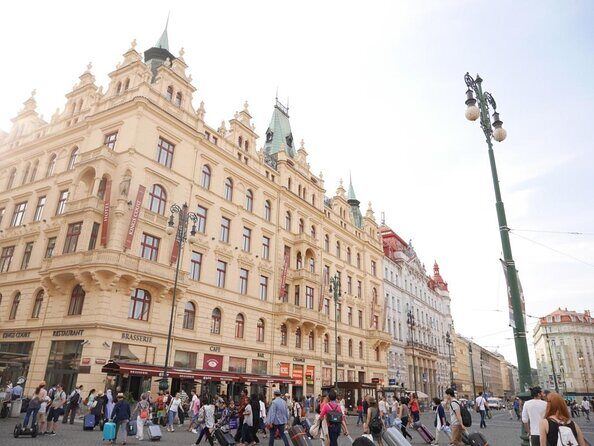
- A focused 1900s timeline: WWI to Nazi occupation to Soviet rule and the road to 1989
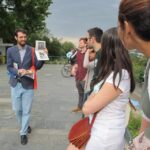
- Private pacing with personalized commentary: you can ask questions as you go
- Gestapo-linked site stop: Petschek Palace is part of the story you’ll hear
- Communist-era landmarks in the open air: you’ll learn from places you can actually see and photograph
- Museum of Communism stop is part of the plan: it translates propaganda into everyday life
- Free access for most street stops: several key points are listed with free entry
What this tour does differently: it turns Prague landmarks into a timeline
Most Prague tours give you centuries. This one gives you the century that shaped modern Europe the hardest—about 100 years of being controlled, pushed around, and then finally breaking free.
You start with an orientation to how Czechoslovakia ended up repeatedly under outside power. Then the story gets more specific and darker: how the Nazi occupation took root, how Soviet control changed daily life, and how resistance formed even under heavy surveillance. The goal isn’t just facts. It’s cause-and-effect, so you understand why certain streets and buildings mattered—long after the headlines faded.
And you’ll feel the practical value of a local historian guide here. When you stand in front of a site tied to repression, it helps to have someone who can explain what happened, who benefited, and what people risked to fight back.
You can also read our reviews of more walking tours in Prague


Duration, route style, and the real walking math
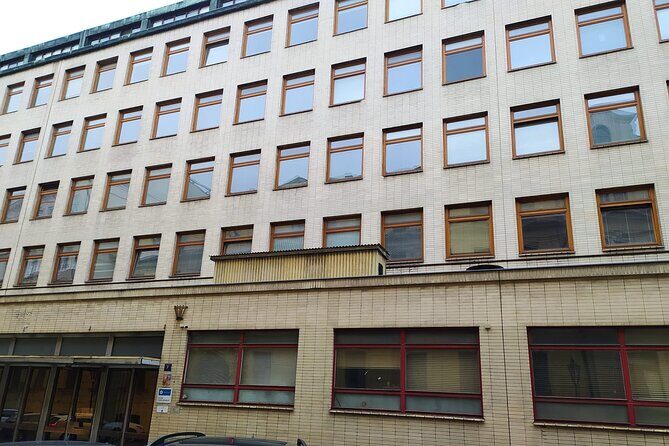
The tour is listed at about 3 hours, with the walk-and-transit time described as around 3.5 hours. That difference isn’t just paperwork. It’s a clue to how the route works: you’ll do most of the time on foot, but public transport may be used when needed, and that would be at your own expense.
That matters for planning:
- Wear comfortable walking shoes. The route goes through central Prague, but you’ll still be moving most of the time.
- If you need short rest breaks, treat it as part of your strategy, not an afterthought. The route can include talking time where you may be standing in place.
- Bring weather gear. Rain is common in Prague, and the tour can include periods outside between stops.
One other pace consideration: the tour covers a long span in limited time. The provider’s quality assurance rep, Michael Dolina, explained that guides have set time to cover the full 20th-century arc and often need to fit it into a schedule that may include another tour right after. Translation: you may get a crisp, efficient pace rather than a slow, lingering one.
Stop-by-stop route: what each place is teaching you
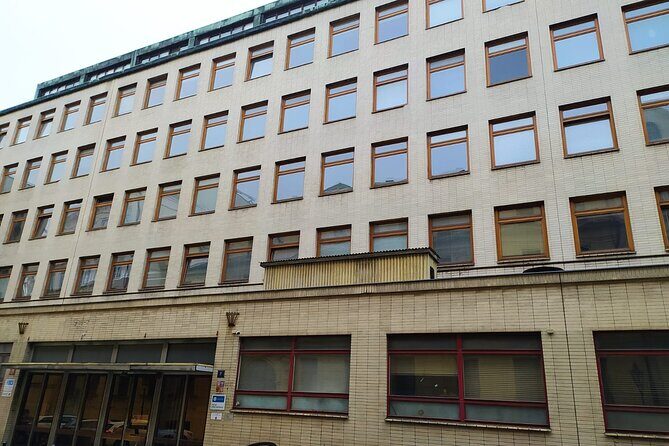
Below is how your route reads like a story—each stop adds a chapter. The itinerary notes that entry is free for the street-side stops listed.
Stop 1: Modernista Art Shop, Municipal House area (declaration of independence)
This area is tied to the declaration of Czechoslovak independence. Even if you’ve seen the Municipal House from photos, hearing how independence was framed in the early years helps you connect architecture to political ambition.
What to watch for: how your guide connects the symbol of independence to the reality that came later—because this story is about how independence didn’t last without constant pressure.
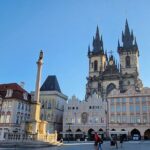
Stop 2: Republic Square (the symbolic beginning of modern Czech history)
Republic Square is a natural “anchor” stop, and the itinerary calls it a symbolic beginning of modern Czech history. The big value here is context: you’ll hear why this moment mattered, then you’ll see how the next decades threatened that progress.
Practical note: it’s easy to stand and look around, but don’t treat the square like a pause. In this tour, it’s a checkpoint in the timeline, so keep your questions handy.
You can also read our reviews of more private tours in Prague


Stop 3: Petschek Palace (former seat of the Gestapo)
This stop is short by design, but it’s heavy in meaning. Petschek Palace is described as a former seat of the Gestapo, and your guide uses it to explain Nazi repression during WWII and what that meant for Czech daily life.
What makes this stop hit: you’re not just learning that the Gestapo existed. You’re learning how terror becomes ordinary when a regime controls information, movement, and fear.
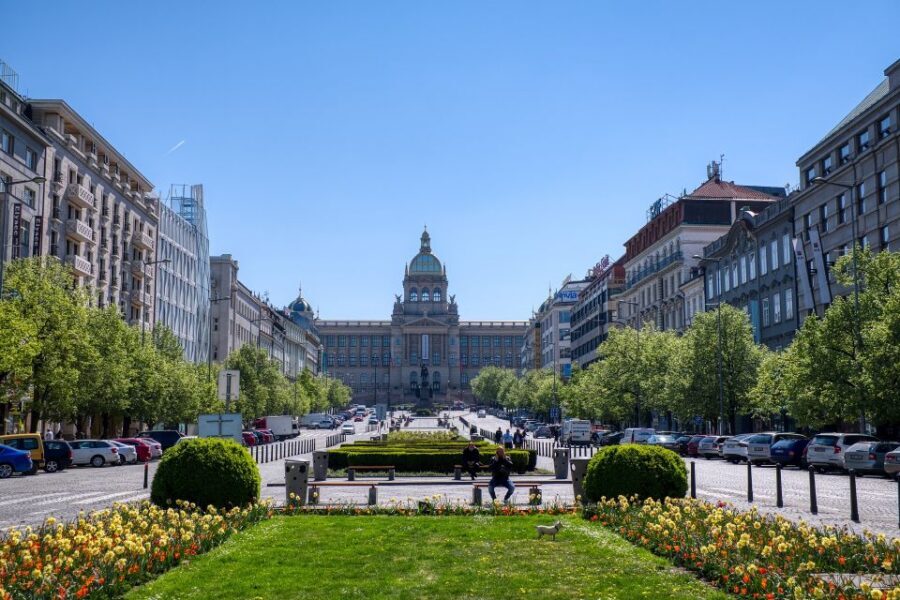
Stop 4: Wenceslas Monument (living witness of hopes and despair)
Wenceslas Monument is the tour’s emotional pivot. The itinerary describes Wenceslas Square as a witness to Czech modern events—filled with hopes and despair.
This is where the story often shifts from “what happened” to “how people survived it.” You’ll likely hear about the resistance spirit and how public space became political space. Even if you’ve seen the monument in other contexts, this framing makes it feel less like a landmark and more like a witness stand.
Tip: if your legs start to feel it, this is a good time to tell your guide you’d like a brief sitting break when possible. The route can include long stretches of standing while explanations happen.
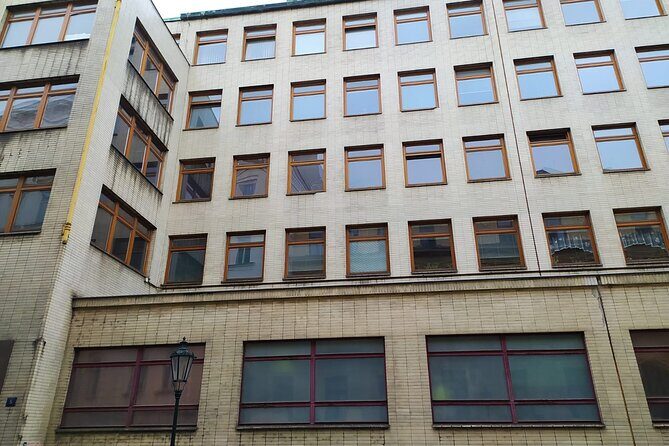
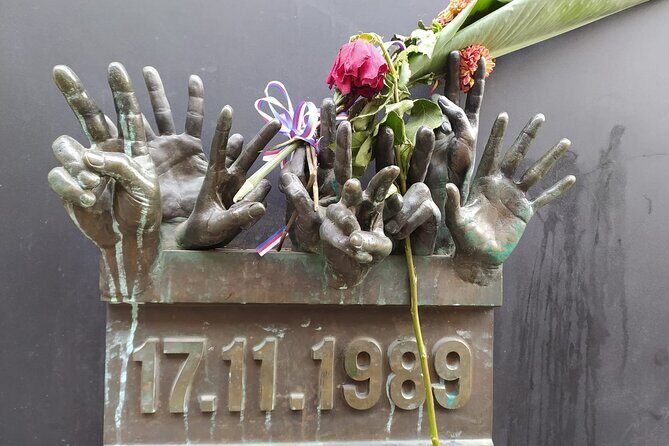
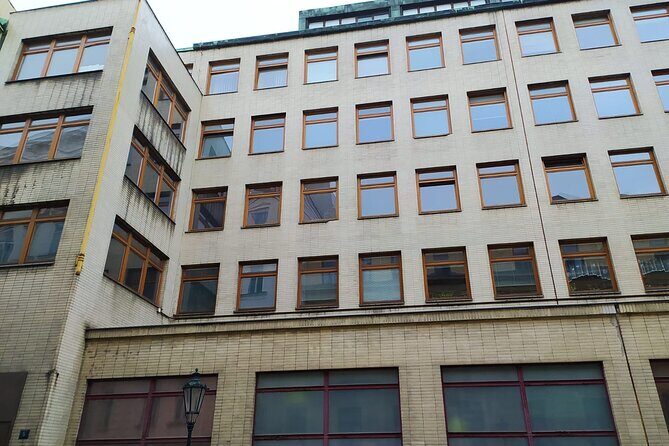
Stop 5: Národní (symbolic end of the communist era)
The itinerary calls Národní the symbolic end of the communist era. This is where the arc closes toward independence in 1989, not as a random event, but as the end of a long pressure-filled process.
In a good tour, this last stop doesn’t feel like a finish line. It feels like closure with an open question: what did it cost, and what changed afterward?
The Museum of Communism: why it’s the part most people remember
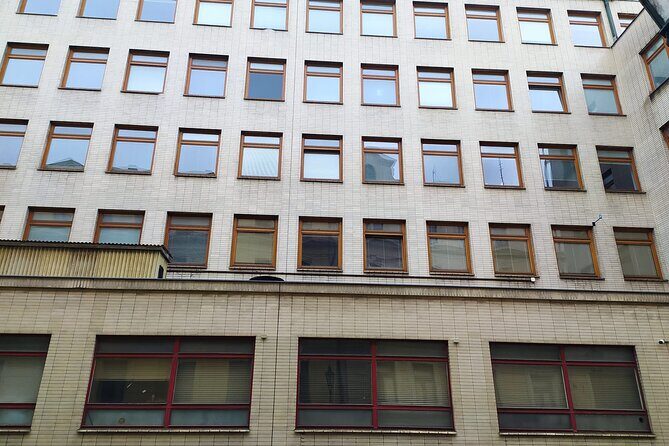
The tour plan includes a visit to the Museum of Communism, focused on everyday life under Soviet control. This is where you move from politics to lived experience—how ordinary routines were shaped by the system.
That’s the value. When you only hear big speeches and dates, totalitarian rule can sound abstract. A museum visit grounds it. The exhibit materials trace communist control and explain the harsh realities of Soviet life starting from 1948, plus how and why the regime collapsed.
One practical caution: the itinerary stops list several exterior landmarks, and the museum visit isn’t always laid out as a specific scheduled stop in the same way street points are. Also, one cancellation/review mismatch involved the museum not happening exactly as expected. So if Museum of Communism time is important to you, ask the guide early about what’s included and what will be visited during your specific departure.
If you’re the type who wants proof—artifacts, documents, objects tied to daily life—this museum component is where you’ll get your payoff.
Price and value: is $51.06 for 3 hours worth it?
At $51.06 per person for a private tour, this sits in the “serious but not crazy” category for Prague. The value comes from three things:
- Private guide time (not a group shuffle)
- Hotel pickup (guide only), which saves you time
- A guided story that covers the Nazi years and Soviet era, plus a museum visit in the plan
If you’re comparing it to generic walking tours, the difference is focus. You’re paying for interpretation of painful history—done by a guide trained to connect sites to events.
Where value can shift for you: if you dislike walking endurance or want lots of sitting time, the “private” advantage can still feel limited by the tour’s structure. In that case, you may decide it’s better paired with a shorter add-on day rather than your full itinerary.
Who this tour is best for (and who should pass)
This is a great fit if:
- You want a guided narrative rather than a self-paced “read the plaques” day
- You’re interested in WWII through Soviet rule and how Czechs resisted
- You like museums and want the street story tied to objects and exhibits
- You appreciate context—why events happened, not only what happened
It’s less ideal if:
- You have mobility limits and need frequent seating (this route can include standing while the guide talks)
- You hate tight pacing or want a slow, contemplative rhythm at each stop
- You want an itinerary with zero weather exposure, since parts may be outside
Also, since hotel pickup is offered but not guaranteed for every exact scenario (it says pickup at all hotels/residences in Prague, guide only), it’s smart to confirm your pickup location so you don’t lose time.
Simple tips to make the day smoother
Here’s how to get the best experience with the least stress:
- Message or ask in advance if the Museum of Communism visit is guaranteed for your departure and whether any entry details are included.
- Bring a small umbrella and water-resistant shoes. If the sky turns, you’ll still be outside.
- Wear layers. Prague streets can feel cooler than you expect, especially around monuments and open squares.
- If you prefer a bench break, tell the guide early. The tour can include long explanation pauses at street corners, so it helps to plan the comfort you want.
- Ask one good question early. The best guides turn your curiosity into better storytelling fast.
Quick reality check: mornings, afternoons, and start points
You can choose from various departure times in the morning or afternoon, with operating hours listed between 8:00 AM and 8:00 PM over the booking period. Pickup is available from central Prague hotels and residences, and the meeting point is listed at Na Příkopě 864/28 in Prague 1 if you’re not using pickup.
If you’re trying to chain this tour with other plans, give yourself buffer time. Even though it’s around three hours, history tours can run slightly over depending on pacing and weather.
Should you book this Wars and Totality private walk?
I’d book it if you want one Prague day that tells the most consequential story of 20th-century Central Europe through real places—WWII terror sites, communist-era landmarks, and a museum stop that explains the system’s grip on everyday life. The private guide format is the main reason to choose this one, and the strong rating (4.9 with a 93% recommendation rate) backs up that most people feel the experience is worth the cost.
I would pause before booking if you can’t handle a walking-heavy route or you need frequent seating. In that case, consider asking pointed questions about how much time you’ll spend standing and whether the museum visit is fully scheduled for your day.
If your goal is to understand why Prague looks the way it does today—and what people endured to make 1989 possible—this tour gives you a clear, practical path through the hardest chapters of history.
FAQ
Is this tour private or group-based?
It’s a private tour/activity. Only your group will participate.
How long is the walking tour?
It’s listed as about 3 hours (approx.), with the walking and transit described as around 3.5 hours.
Does the tour include hotel pickup in Prague?
Yes. Hotel pickup is offered, and the guide only picks up guests from Prague hotels/residences.
What language is the tour conducted in?
The tour is offered in English.
Do I need to pay for admissions during the tour?
Several itinerary landmarks are listed as free. The plan also includes a Museum of Communism visit, but entry details are not clearly listed in the included items, so it’s smart to check what’s covered for your departure.
Will there be any museum time?
The tour plan includes a visit to the Museum of Communism.
Is the tour fully walking?
It’s mostly walking, but public transport may be used when needed, and that would be at your own expense.
Where do I start if I’m not using pickup?
The meeting point is Na Příkopě 864/28, Nové Město, 110 00 Praha-Praha 1, Czechia.
What’s the cancellation policy?
Free cancellation is available. You can cancel up to 24 hours in advance for a full refund.