REVIEW · PRAGUE
Mozart’s Prague: Old Town, Lesser Town & Czech Museum Tour
Book on GetYourGuide →Operated by Gray Line Czech Republic · Bookable on GetYourGuide
Mozart’s Prague is a fun way to connect music to real street corners, not just names on a poster. I like the Old Town walking loop for getting oriented fast, and I especially like that the tour includes the Czech Museum of Music ticket so you’re not guessing what to see inside. The main drawback to consider is that the Mozart focus can vary by guide and day, so you may want a plan B if you’re chasing specific interiors or a tight Mozart-only story.
You’ll also get the practical Prague transit experience, with a tram hop and a funicular ride for views—handy if you’re still learning the city. This one is not for people with mobility impairments, because it’s a lot of walking plus hilly legs.
In This Review
- Key things I’d bookmark before you go
- Mozart’s Prague Route: Why this one makes sense
- Old Town stops: Golden Angel House and the Estates Theatre area
- Tram to Lesser Town and the Czech Museum of Music
- Petrín views by funicular, then the Strahov Monastery organ moment
- Hradčany Square and Lesser Town houses tied to Mozart
- St. Nicholas Church ending: the Dec 14, 1791 requiem
- Price and logistics: what $46 buys you (and what can go wrong)
- Who should book this Mozart tour
- Final call: should you book Mozart’s Prague?
- FAQ
- How long is Mozart’s Prague: Old Town, Lesser Town & Czech Museum Tour?
- What’s included in the price?
- Where does the tour start, and what time should I arrive?
- What is the tour’s main route?
- Which church does the tour end at, and why is it important?
- What should I bring?
- What languages are offered for the guided tour?
- Is the tour suitable for everyone?
Key things I’d bookmark before you go
- Old Town orientation with landmark pacing: You start in the historic core and hit recognizable stops like the Golden Angel House area and the Estates Theatre vicinity.
- Music museum ticket included: You get admission to the National Museum of Music without needing to shop for tickets first.
- Lesser Town + Prague’s “where it happened” vibe: The route leans into houses and palaces tied to Mozart’s presence.
- Strahov Monastery organ story: You’ll be walking to the monastery with a specific Mozart performance connection tied to Don Giovanni’s premiere.
- St. Nicholas Church is the closing anchor: The end focuses on the requiem held on December 14, 1791.
- Timing can flex: The advertised 3 hours is the goal, but real-world pacing can shorten or shift depending on the group.
Mozart’s Prague Route: Why this one makes sense
Prague loves its composers, and Mozart is one of the biggest. This tour tries to do something smart: it doesn’t just point at monuments. It strings together places where you can imagine the music in motion—walking streets, venues, and a church tied to the composer’s final tribute.
At $46 for about 3 hours, the value comes mainly from two things: you get a guided story and you get the National Museum of Music ticket included. Skip the line, then spend the rest of the time on the streets where Mozart’s life was lived in public.
That said, you should know what you’re signing up for. This is a guided “Mozart-linked highlights” route, not a full-on deep scholarly course. And because the whole thing mixes walking, transit, and a museum visit, your experience can swing if the guide spends more time on context that’s not strictly Mozart.
You can also read our reviews of more museum experiences in Prague

Old Town stops: Golden Angel House and the Estates Theatre area
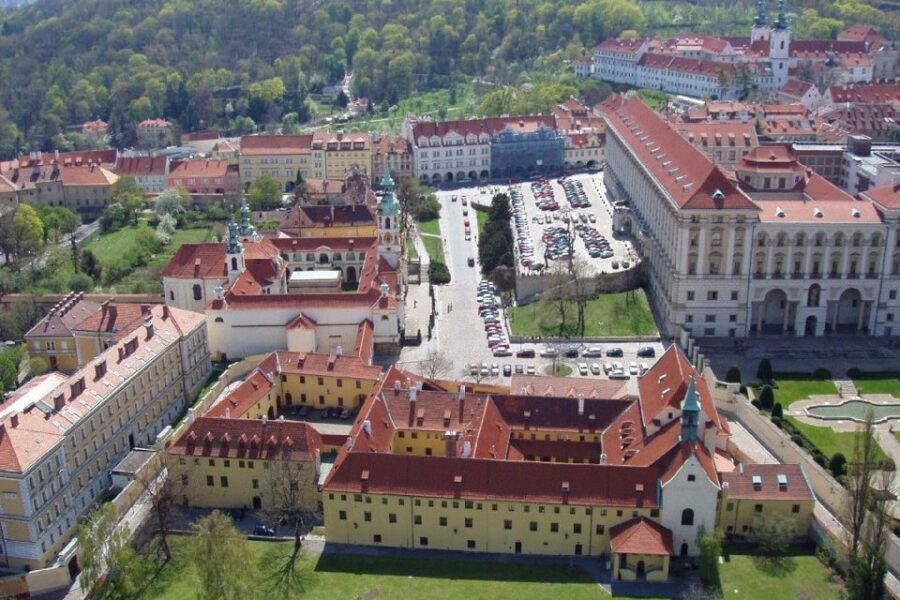
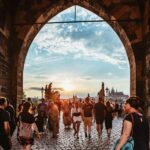
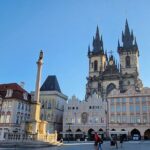
The tour begins in Old Town, where your first job is simply to get your bearings. You’ll be moving at a walking pace through some of Prague’s most photogenic streets, the kind where you automatically slow down to read façades.
Two stops tend to anchor the start:
- Golden Angel House: This is the kind of landmark you want on your radar early. It’s a great “you’re really in Prague” moment—ornate, central, and easy to spot.
- Estates Theatre: You’ll be in the orbit of the Estates Theatre, one of the city’s cultural touchstones. Even if you don’t go in, standing in this area helps you understand why Prague’s audiences mattered to composers.
Why I like this first phase: it gives you a quick map of the city’s artistic core. If you come to Prague planning to see classical sites, this helps everything click later—especially when you shift toward Lesser Town.
Tram to Lesser Town and the Czech Museum of Music
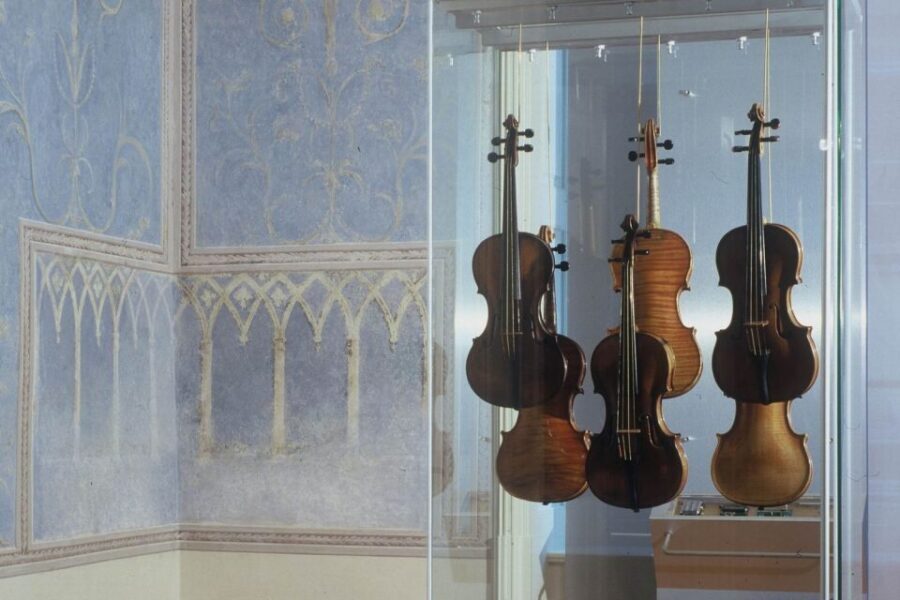
After the Old Town walk, you’ll hop on a tram to get to Lesser Town, then visit the Czech National Museum of Music exhibition.
This is where the tour earns a big chunk of its “value for money” appeal. Since the museum ticket is included, you’re not paying extra just to reach the real payoff. You also avoid the aggravation of ticket lines when you’re on a time-boxed itinerary.
What to do to get more out of the museum:
- Go in with one question: Not “what was Mozart,” but “how did Prague treat music as a living thing?” Museums can feel like lists unless you give yourself a prompt.
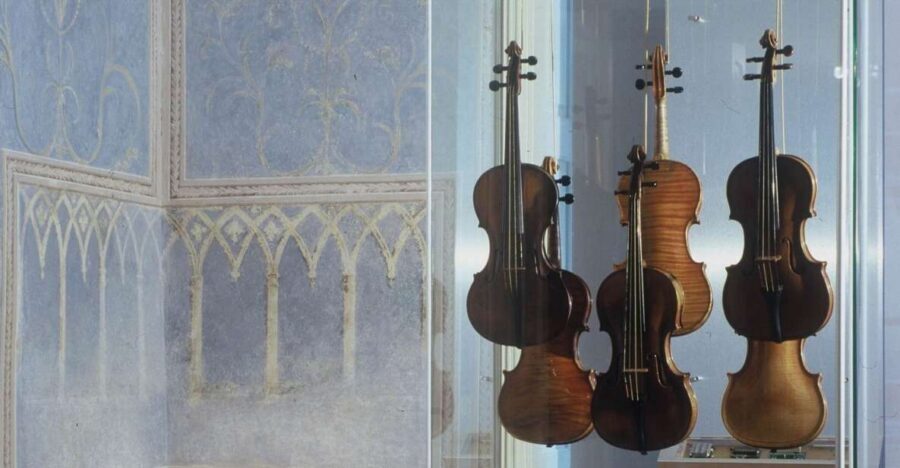
- Don’t rush the instrument rooms if you have any interest in how music sounds. Even if your guide’s story is lighter on Mozart in the museum, the physical details can do a lot of the explaining for you.
One honest consideration: a few past departures have reportedly had the museum become the main focus, while other Mozart-linked stops got less attention than expected. So if Mozart is your top priority, keep your eyes open for how much time the guide spends connecting what you’re seeing to Mozart.
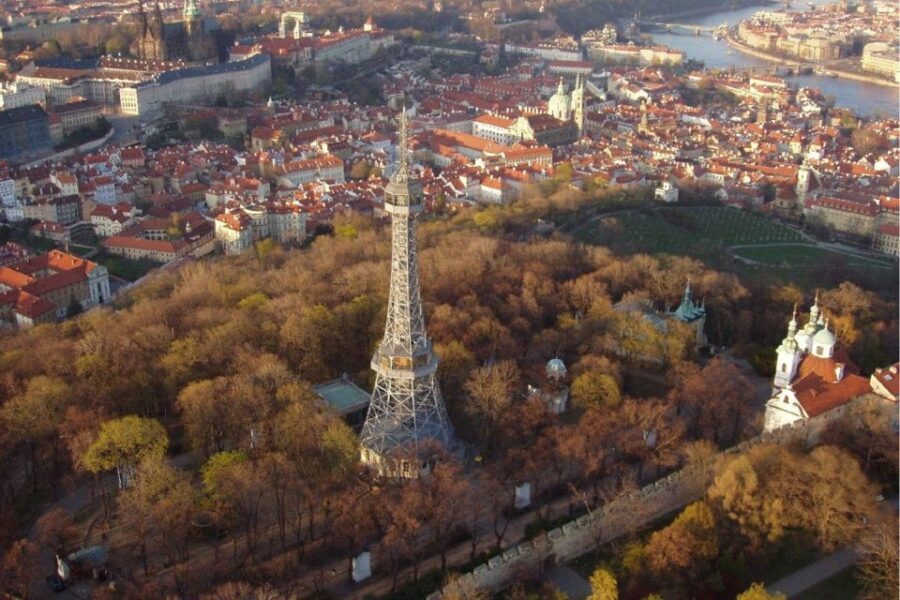
Petrín views by funicular, then the Strahov Monastery organ moment
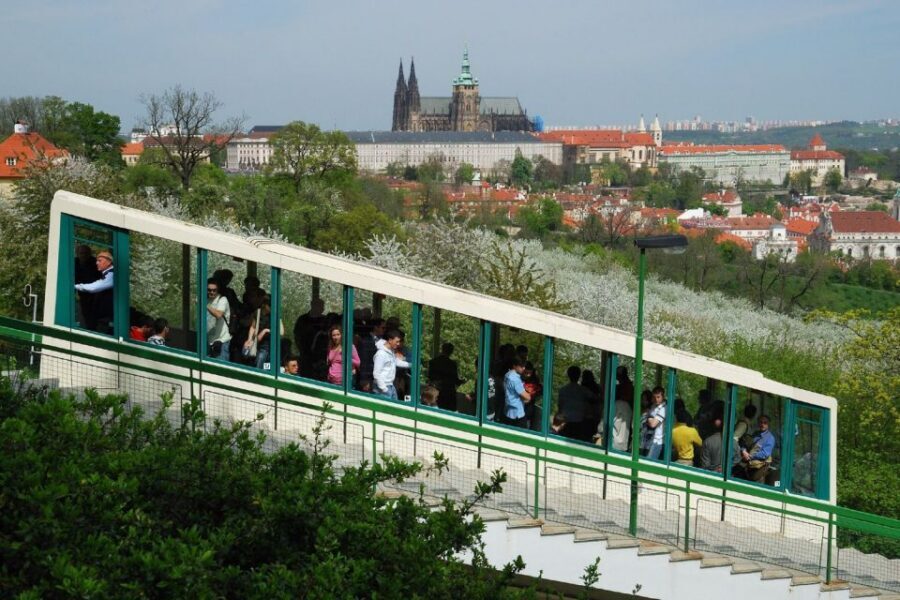
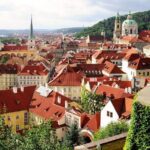
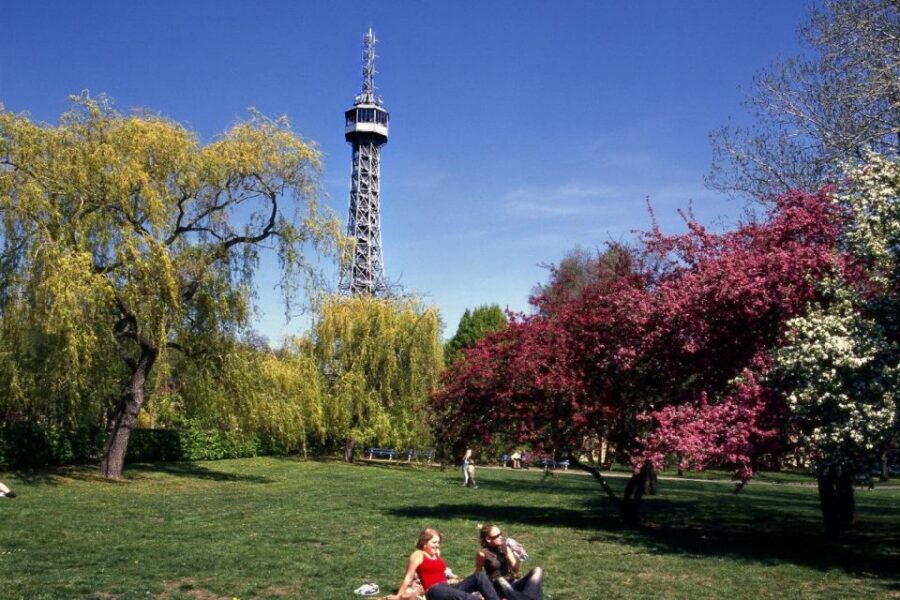
Then comes a classic Prague move: transit up and away from the river-level streets. You’ll take a funicular to Petrín for a view from higher ground, and the tour uses this as a palate cleanser between major locations.
After the views, you’ll walk toward Strahov Monastery. This is one of the tour’s most distinctive beats because it includes a specific musical claim: you’ll see where Mozart improvised on the organ on the day of Don Giovanni’s premiere.
Even if you’re not a Mozart fanatic, this part works because it’s visual and location-based. It’s easier to connect to music when you can picture the setting—a religious space, a church-organ world, and a moment tied to a premiere.
One practical note: monastery interiors are not guaranteed in the same way for every departure, and the amount you’re allowed to go inside can vary. If you’re the type who wants to see interiors, keep expectations flexible. Plan for a good storytelling experience rather than assuming every stone will be under your feet.
Hradčany Square and Lesser Town houses tied to Mozart
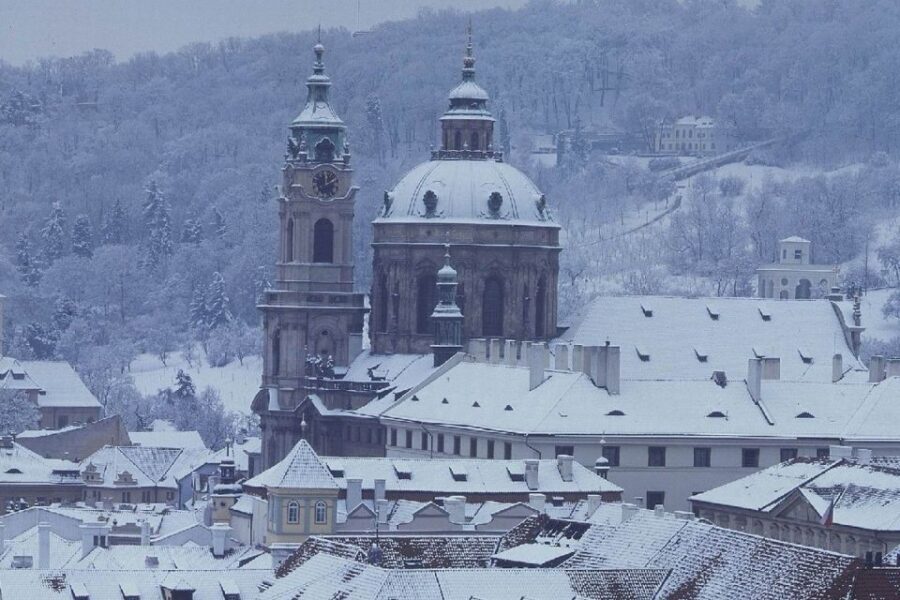
The tour then threads through Hradčany Square and Lesser Town, focusing on houses and palaces where Mozart held concerts or lived.
This is a “stand here, imagine it” segment. The value isn’t that you’re entering a museum every 20 minutes. It’s that you’re learning how a composer’s life can be mapped onto everyday city architecture—doorways, corners, and the kind of grand façades that hosted guests and performances.
How to make this part feel worth it:
- Take one photo, then listen. In these segments, your photos are quick, but your attention to the guide’s connections is what turns the stop into meaning.
- If your guide gives general context that isn’t Mozart-heavy, gently steer your own learning by asking one targeted follow-up question like: where in Prague was this tied to his performances, and what did audiences hear?
You can end up seeing these areas again later on your own. If the guide keeps it tight to Mozart, this portion can feel like a living map. If not, it can feel like a scenic stroll with the Mozart thread thinning out.



St. Nicholas Church ending: the Dec 14, 1791 requiem
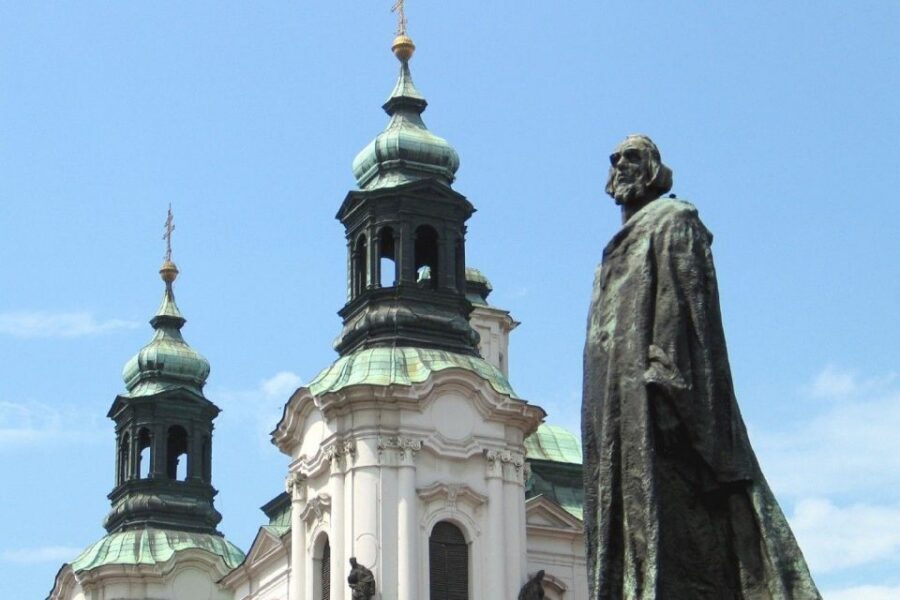
The tour’s finish is St. Nicholas Church. This is not a random stop. The end is built around the idea that a requiem was held on December 14, 1791 as a tribute to W. A. Mozart.
This closing works because it brings you back to the emotion of the story. You’re not only learning where Mozart went—you’re ending in a place shaped by the aftermath of his death.
If you arrive a bit early or have the chance to linger briefly afterward (depending on timing), watch how the church space “holds” sound. Even without technical knowledge, you can feel why music belonged here—and why Prague would keep honoring it.
Price and logistics: what $46 buys you (and what can go wrong)
Let’s talk value in plain terms. For $46 you’re getting:
- a guided tour
- a museum ticket (National Museum of Music)
- skip-the-line admission to that museum
- a route that includes walking and Prague transit (tram plus funicular)
For a 3-hour block, that’s reasonable—if the Mozart story stays focused and the itinerary is followed closely. The transportation piece also matters: this route saves you from piecing together transit yourself while you’re trying to read the city.
Now the drawback: the biggest risk is inconsistency. Some departures have reportedly moved through stops without fully using them in the way the description suggests, and on at least one occasion the Mozart-specific narrative was said to be thin. Guides named Rodana and Dana have both been associated with accounts where the tour did not match expectations, including skipping or not entering certain places as promised.
So what should you do?
- Bring comfortable shoes and accept that you’re signing up for a lot of walking.
- Ask one question early about Mozart coverage, and confirm when the final church stop is scheduled. You’re not being difficult; you’re being prepared.
- Have a backup plan: if you want to see one specific interior (monastery or theatre), consider adding time after the tour to check on your own.
This is a good tour when it clicks. It’s a frustrating tour when the guide gets off-script or moves too fast through the Mozart anchors.
Who should book this Mozart tour
This is a smart fit if:
- You want a guided “Mozart in Prague” route without building your own itinerary.
- You’re comfortable walking and using tram and funicular.
- You like the blend of Old Town orientation + a real museum stop, especially if you’re curious about how Prague shaped musical culture.
You might think twice if:
- You’re mobility-limited (this one isn’t suitable for people with mobility impairments).
- Mozart has to be the entire story, scene by scene. This tour can drift into broader context, and not every departure delivers the same amount of Mozart-specific detail.
If you’re traveling with someone who wants music facts and you want the city walk-and-view combo, this can work well. If you’re the only classical-music superfan in the group, you’ll want to set expectations early.
Final call: should you book Mozart’s Prague?
If you’re looking for a practical, music-connected way to see multiple Prague highlights in a single morning or afternoon block, I think this tour is worth considering. The included National Museum of Music ticket plus the Old Town-to-Lesser Town transit loop makes it efficient.
But I’d book with eyes open. Because the Mozart emphasis and stop coverage can vary, it’s best for travelers who are flexible and enjoy the experience of place, not just a strict checklist.
If you want the best odds of a satisfying trip, come ready with one or two questions about what you’ll learn at Strahov and what you’ll hear about at St. Nicholas Church. And if the guide’s story feels too broad, you can always pivot and enjoy the sites independently afterward.
FAQ
How long is Mozart’s Prague: Old Town, Lesser Town & Czech Museum Tour?
The tour duration is listed as 3 hours.
What’s included in the price?
The price includes a guided tour and a ticket to the National Museum of Music. Ticket lines are skipped for the museum.
Where does the tour start, and what time should I arrive?
The meeting point is Revoluční 767/25, 110 00 Praha 1-Staré Město, Czechia. You should arrive at least 15 minutes in advance.
What is the tour’s main route?
You’ll start in Old Town on foot (with stops including Golden Angel House and the Estates Theatre area), then take a tram to Lesser Town for the Czech Museum of Music, take a funicular to Petrín, walk to Strahov Monastery, and end at St. Nicholas Church.
Which church does the tour end at, and why is it important?
The tour ends at St. Nicholas Church, connected to a requiem held on December 14, 1791 as a tribute to Mozart.
What should I bring?
Bring comfortable shoes.
What languages are offered for the guided tour?
The live guide is available in English, French, German, Italian, and Russian.
Is the tour suitable for everyone?
The tour notes it is not suitable for people with mobility impairments, and pets are not allowed.