REVIEW · PRAGUE
Prague: Classical Music Concert at Rudolfinum
Book on GetYourGuide →Operated by ClassicsInternational · Bookable on GetYourGuide
Prague’s Rudolfinum turns famous music into something personal. I like that you get a tight 65-minute program of widely loved works, performed by standout Czech musicians in the intimate Suk Hall.
I particularly enjoy the solo spotlight—Stanislava Jirku brings real stage presence as a mezzo-soprano, and the violin work gets its own moment too. The main consideration: this is not a full-length symphonic evening, so if you’re expecting a giant, multi-movement marathon, you may want to pair it with another concert later in your trip.
In This Review
- Key things to know before you go
- Rudolfinum and Suk Hall: Prague’s listening-focused concert room
- The soloists: Stanislava Jirku, Vlastimil Kobrle, and Sep/Oct changes
- Soloist schedule note (September/October 2024)
- The program in order: from Vivaldi’s seasons to Smetana’s Vltava
- A. Vivaldi – The Four Seasons (Spring & Summer)
- G. F. Händel – Largo from Xerxes
- J. Pachelbel – Canon and Gigue
- W. A. Mozart – Salzburg Symphony K 136 (Allegro)
- G. Bizet – Carmen (Habanera)
- M. Ravel – Bolero
- L. van Beethoven – Symphony No. 5 (Allegro)
- B. Smetana – Vltava
- Why this exact mix works for real trips (not just music buffs)
- Price and value: why $39 can be a smart buy in Prague
- Practical tips for enjoying the concert day smoothly
- Who this concert suits best
- Should you book this Rudolfinum concert?
- FAQ
- FAQ
- Where is the concert held?
- How long is the concert?
- How much does the ticket cost?
- What time does the concert start?
- Who performs in the concert?
- Does the program include vocal music?
- What is included with the ticket?
- Is the venue wheelchair accessible, and are unaccompanied minors allowed?
- Is there a cancellation policy or flexible payment option?
Key things to know before you go
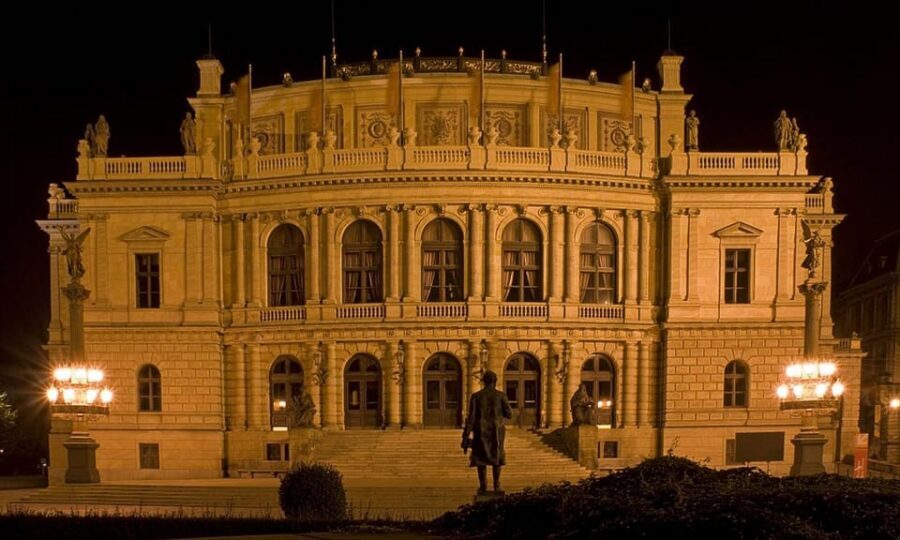
- Rudolfinum + Suk Hall: an iconic Prague venue designed for listening, not just passing time
- Familiar masterworks: Vivaldi to Beethoven to Smetana in a single evening
- Solo moments: mezzo-soprano Stanislava Jirku (or listed September/October replacements) plus a featured violinist
- Tight timing: the whole experience runs about 65 minutes
- Printed program included: handy for following along during the set
Rudolfinum and Suk Hall: Prague’s listening-focused concert room
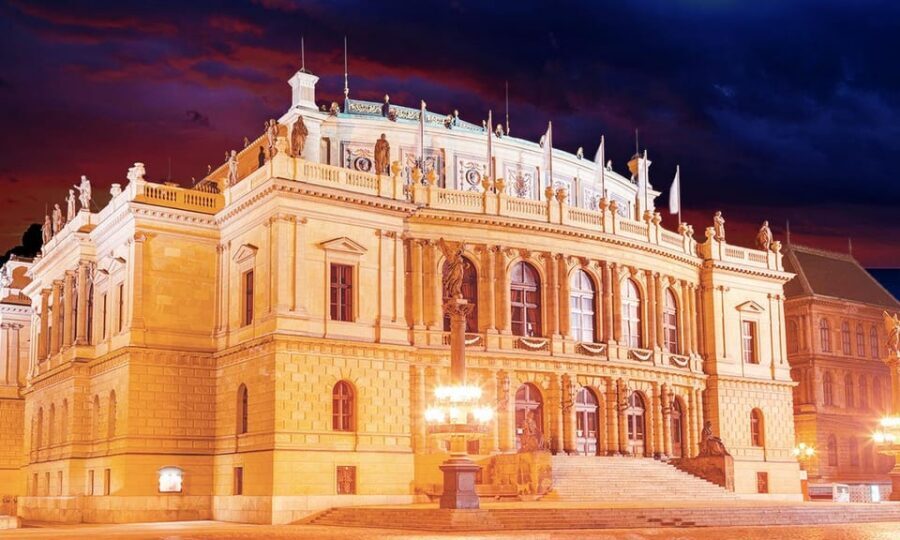
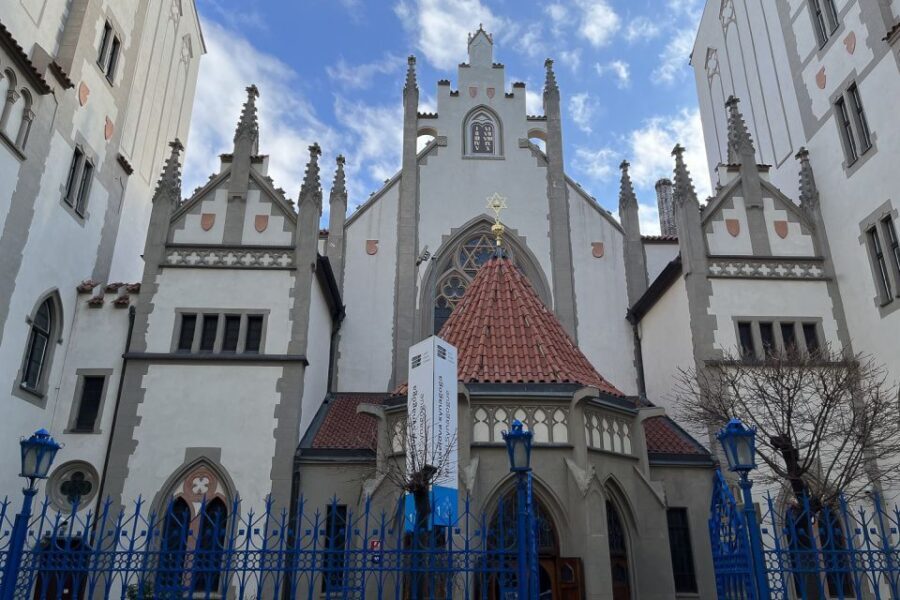
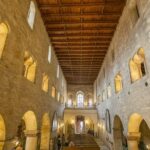
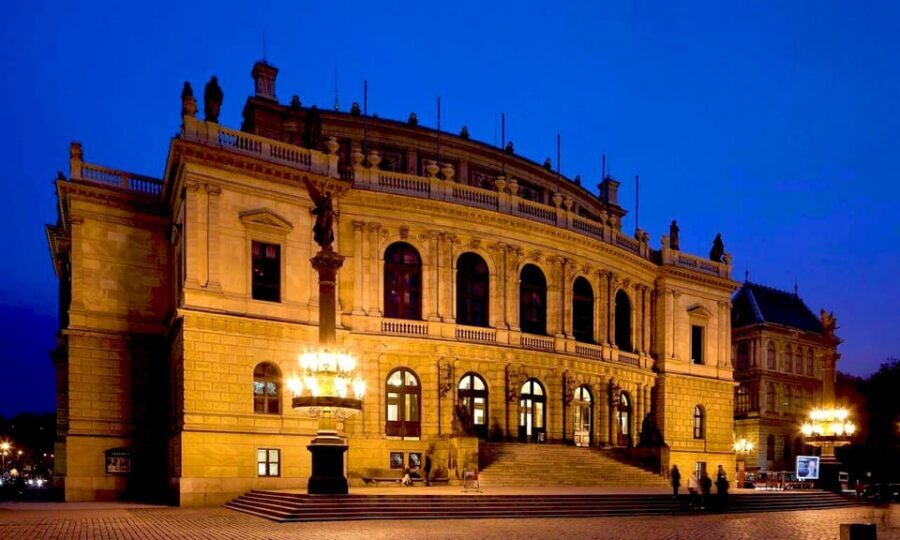
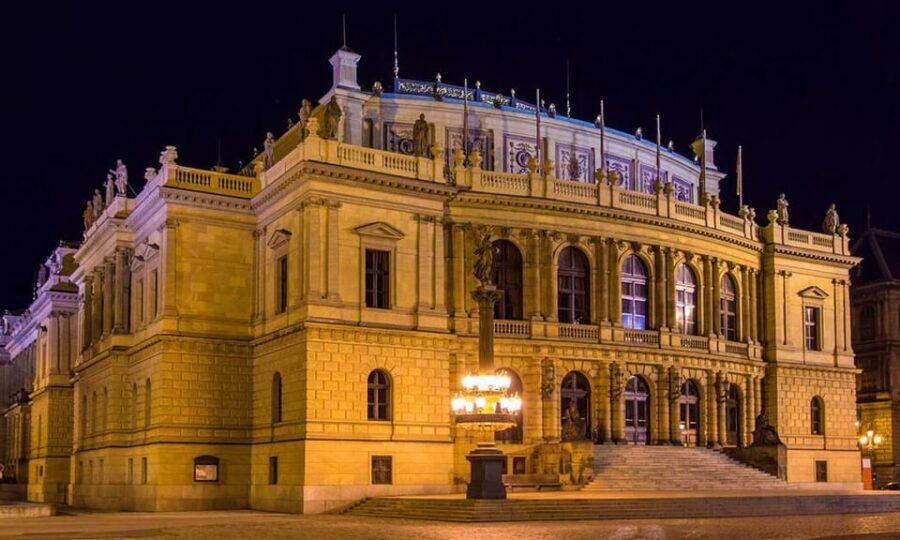
Rudolfinum is one of those Prague landmarks that works on two levels at once. Outside, it’s architectural drama. Inside, it’s all about hearing music clearly and feeling close to the performers.
This concert takes place in Suk Hall, named after Czech composer Josef Suk. That detail matters, because the hall is meant to feel intimate—exactly what you want when the program includes recognizable melodies like Vivaldi’s Four Seasons and Beethoven’s Fifth.
If your plan is to see Prague’s highlights without turning the trip into an all-night schedule, this kind of venue-and-length combo is a sweet spot. You get a real concert evening, but you’re not trapped in long gaps of waiting.
A few more Prague tours and experiences worth a look
The soloists: Stanislava Jirku, Vlastimil Kobrle, and Sep/Oct changes
One reason this ticket feels good value is the level of talent singled out before you even hear the first note.
The featured mezzo-soprano is Stanislava Jirku, associated with the Czech National Theatre. Her résumé includes major international appearances, including work with the BBC Symphory Orchestra, as well as the Czech Philharmonic and the Prague Philharmonic Orchestra. In practice, that usually translates into confident phrasing and a voice that can sit both in the spotlight and blend with the orchestra.
You’ll also hear a violin solo by Vlastimil Kobrle, described as one of the Czech Republic’s acclaimed violinists and concertmaster of the Symphony Orchestra of Czech Radio. Concertmasters tend to bring a distinct kind of clarity and authority—especially in passages where the violin has to carry the emotional weight.
Soloist schedule note (September/October 2024)
If you’re traveling at specific dates, check who’s performing. For September/October 2024, the violin soloist and sometimes the mezzo-soprano change:
- Sep 19 & Sep 20: Petr Zdvihal (violin) with Stanislava Jirků (mezzo soprano)
- Sep 22: Petr Zdvihal (violin) with Veronika Hajnová (mezzo soprano)
- October: Petr Zdvihal (violin)
That’s a small heads-up, but it can change your enjoyment if you’re attached to a particular singer.
The program in order: from Vivaldi’s seasons to Smetana’s Vltava
The concert follows a neat arc: you start with energy and color, move through famous lyrical moments, then hit a sequence of orchestral big hitters. Because the show is about 65 minutes, the program leans toward excerpts and movements that land fast—great if you’re new to classical concerts.
Here’s what to listen for, in the order listed:
A. Vivaldi – The Four Seasons (Spring & Summer)
Vivaldi’s Four Seasons is the obvious crowd-pleaser for a reason. Even if you haven’t studied classical music, you probably recognize the shapes of these melodies. The “Spring & Summer” pairing keeps the mood warmer and brighter than a winter-themed program would.
In a hall like Suk Hall, this kind of music tends to feel vivid. Expect quick momentum and lots of color, the sort of writing that makes you listen with more than one part of your brain.





G. F. Händel – Largo from Xerxes
Then the concert slows down with Händel’s Largo from Xerxes. This is the kind of piece that makes a room go quiet in a good way—not because it’s boring, but because it’s built for attention.
If you’ve only ever heard classical music in background form, this is where you’ll notice what good performance really does: the line stays expressive, and the silence between phrases feels intentional.
J. Pachelbel – Canon and Gigue
Pachelbel’s Canon and Gigue is one of the most recognized “walking bass + floating melody” combinations in Western music. It works well in a concert setting because it’s both steady and playful.
If you like music that feels structured but not stiff, this section is a good reset before the next bigger jumps.
W. A. Mozart – Salzburg Symphony K 136 (Allegro)
Mozart’s energy is different from Vivaldi’s. Where Vivaldi often sounds sunlit and quick, Mozart can feel crisp and conversational. The program lists the Allegro from the Salzburg Symphony K 136, which means you’ll get motion without the longer commitment of a full symphony.
If you enjoy music that sounds well-mannered and sharp, this is where you’ll likely start noticing how tight phrasing can be in live performance.
G. Bizet – Carmen (Habanera)
Then it’s Bizet time. The program lists Carmen – Habanera, a piece famous for its distinct character and long, expressive lines.
This is also where you can expect the mezzo-soprano presence to matter a lot. Even if you don’t know the aria, the musical attitude is clear: confident, a little dramatic, and made to be heard.
M. Ravel – Bolero
Ravel’s Bolero is one of the best examples of tension built through repetition. It’s not about “new theme every minute.” It’s about watching the same idea evolve, with the orchestra gradually widening and intensifying.
In a hall where the sound carries cleanly, Bolero can feel almost cinematic—layer by layer, the music keeps asking for more.
L. van Beethoven – Symphony No. 5 (Allegro)
Beethoven’s Fifth is the worldwide signature, and that opening momentum has its own gravity. The program specifies Symphony No. 5 (Allegro), so you’ll get the drive without the whole symphony.
If you like performances where the orchestra feels coordinated and powerful, this is where it should click—because live Beethoven needs punch, not just accuracy.
B. Smetana – Vltava
The evening closes with Smetana’s Vltava, one of the most emblematic pieces of Czech classical music. It’s a fitting ending after the big European heavyweights earlier in the program, because Vltava feels rooted and local.
Even if you only know it by reputation, you’ll likely recognize the broad strokes of how it paints water, movement, and landscape through music—using orchestral colors rather than literal sound effects.
Why this exact mix works for real trips (not just music buffs)
This concert is built around “high recognition” programming. That’s not a weakness. For many people, it’s the point.
- Vivaldi and Mozart give you speed and structure you can follow
- Händel and the Habanera give you lyric focus, so you’re not only riding on tempo
- Bolero and Beethoven deliver the adrenaline
- Vltava gives you a Czech finishing touch that feels like Prague in sound
Also, the solo format helps. You’re not spending the whole 65 minutes only waiting for the orchestra to change. The mezzo-soprano and violin solo highlight create variety, and variety keeps your attention steady when the schedule is tight.
If you love classical music already, you’ll appreciate how these particular works sit together: the program moves between lyric and dramatic modes instead of staying in one mood all night.
Price and value: why $39 can be a smart buy in Prague
At $39 per person, this ticket lands in the “worth it if you’ll actually sit and listen” category. Prague has plenty of free things to do, but a top concert in an iconic building usually costs more than people expect.
The value isn’t only the venue name. It’s the combination of:
- A respected hall (Suk Hall inside Rudolfinum)
- Popular pieces that make the listening easier
- Named soloists with professional credentials
- A full ticket that includes a printed program
In other words, you’re not paying mainly for sightseeing. You’re paying for a focused performance experience where the music is the main event.
If you’re trying to choose between a long “atmosphere” night and a shorter “do the thing” night, this one is designed for the second option.
Practical tips for enjoying the concert day smoothly
The meeting guidance is simple: use the entrance on the left side of the building. The activity ends back at that meeting point, so you’re not whisked elsewhere after the final notes.
A few practical suggestions from how I think about concert-going:
- Arrive a bit early so you can settle without rushing. Even a short concert benefits from calm.
- Bring your printed program and use it lightly as a listening guide. You don’t need to read every line to get value from it.
- If you get cold easily, bring a layer. Concert halls can feel cooler than you expect, even in warmer months.
Two other important facts to plan around:
- Unaccompanied minors are not allowed.
- The venue is wheelchair accessible.
If you want the most comfortable experience, confirm the specific start time for your date before you lock in dinner plans.
Who this concert suits best
This ticket is a great match if:
- You want a classical concert in a famous Prague venue without losing an entire evening
- You like well-known pieces you can recognize quickly, especially Vivaldi and Beethoven
- You’re open to a mix of orchestral favorites and vocal moments (Habanera)
You might think twice if:
- You’re hoping for a long, in-depth program with multiple extended movements
- You don’t usually enjoy classical concerts and want something less structured than a symphony-length event
Should you book this Rudolfinum concert?
I’d book it if you want a classic Prague night that doesn’t require music-nerd knowledge. The program choices are audience-friendly, the hall setting is built for listening, and the soloists listed have credentials that suggest the performance quality will be strong.
I’d hesitate only if you know you dislike vocal classical pieces or you prefer concerts that run much longer. Otherwise, this feels like a smart, efficient way to check off Prague’s classical scene while still keeping your schedule sane.
FAQ
FAQ
Where is the concert held?
It’s held at Rudolfinum in Prague, in the Suk Hall.
How long is the concert?
The concert lasts about 65 minutes.
How much does the ticket cost?
The price is $39 per person.
What time does the concert start?
Starting times vary, so you’ll need to check availability for your date.
Who performs in the concert?
The concert includes a soloist mezzo-soprano Stanislava Jirku and a violin solo by Vlastimil Kobrle, with listed soloist changes in September/October 2024 dates.
Does the program include vocal music?
Yes. The listed program includes Bizet’s Carmen – Habanera, which is part of a concert lineup featuring the mezzo-soprano.
What is included with the ticket?
You get an entry ticket and a printed concert program.
Is the venue wheelchair accessible, and are unaccompanied minors allowed?
The venue is wheelchair accessible. Unaccompanied minors are not allowed.
Is there a cancellation policy or flexible payment option?
You can reserve now and pay later, and you can cancel up to 24 hours in advance for a full refund.