REVIEW · PRAGUE
Prague: Plague Doctor Old Town History Walking Tour
Book on GetYourGuide →Operated by The Nightwatchman of Prague · Bookable on GetYourGuide
A plague doctor guides you through Old Town. What makes this walk worth your time is the way it uses a 1713-style plague doctor to explain the fear, daily coping, and hard choices behind Europe’s worst outbreaks. You’ll be led through Prague’s historic streets with a story-first guide who keeps the mood from turning into a lecture.
I like two things most: first, you get a hands-on lesson about what plague doctors used for protective gear (PPE) and what people thought it could do. Second, the stops are tied to real places that shaped the city’s response, including Na Františku (St. Francis) Hospital and the Convent of St. Agnes.
One thing to consider: it’s rain or shine, and Prague streets can get crowded. In warmer months, you may notice the full costume is a lot to wear for the guide, so pacing can feel a bit more stop-and-go when the heat and crowds are high.
In This Review
- Key points to know before you go
- Why Prague feels different with a plague doctor leading the way
- Getting started at Seminářská: you’ll spot your guide fast
- Clementinum to Old Town Square: a quick history setup you won’t resent
- Josefov and the Kafka Monument: where old Prague turns into personal history
- Na Františku (St. Francis) Hospital: the turning point for understanding the fear
- A. Schamsky in 1713: the lesson behind the name
- Convent of St. Agnes: where spirituality and survival stories meet
- PPE and the plague doctor look: what you’re really learning
- The anti-plague pill candy: silly, but it works
- Saint Castulus Church finish: a good ending and an easy win for photos
- Price and time: is $23 worth 90 minutes?
- Who should book this, and who might want something else
- Should you book the Prague Plague Doctor Old Town History Walking Tour?
- FAQ
- How long is the Prague Plague Doctor Old Town History Walking Tour?
- How much does the tour cost?
- Where does the tour start and end?
- What is included in the ticket price?
- Is hotel pickup included?
- What languages is the tour offered in?
- Does the tour run in bad weather?
- Is the tour wheelchair accessible?
- What is the cancellation policy?
- Is there a private group option?
Key points to know before you go
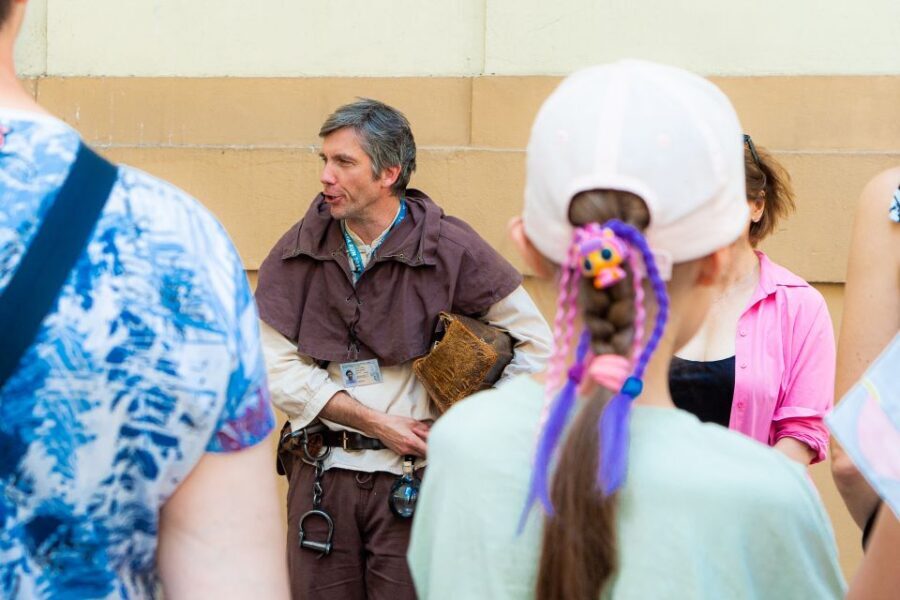
- Plague doctor guide in character: your host stays in role and uses humor without flattening the subject
- 1713 focus plus A. Schamsky: you’ll hear about a lesser-known hero who fought the plague in Prague in that year
- PPE lesson you can actually picture: the tour explains protective practices from the period, not just the outbreak dates
- Landmarks beyond Old Town Square: you’ll work in Josefov, the Kafka Monument, and historic hospital/convent stops
- 90 minutes is the sweet spot: long enough for context, short enough to keep energy high late in the day
Why Prague feels different with a plague doctor leading the way
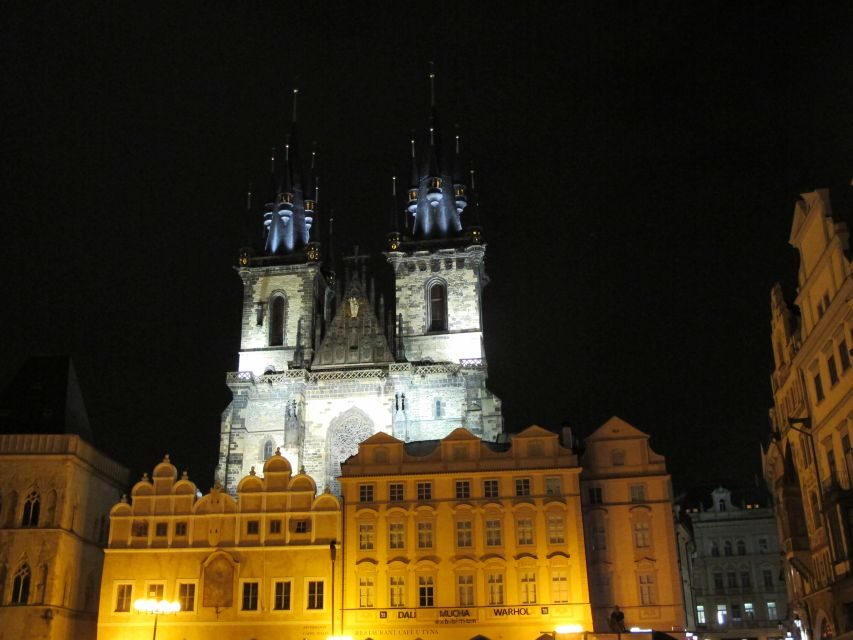
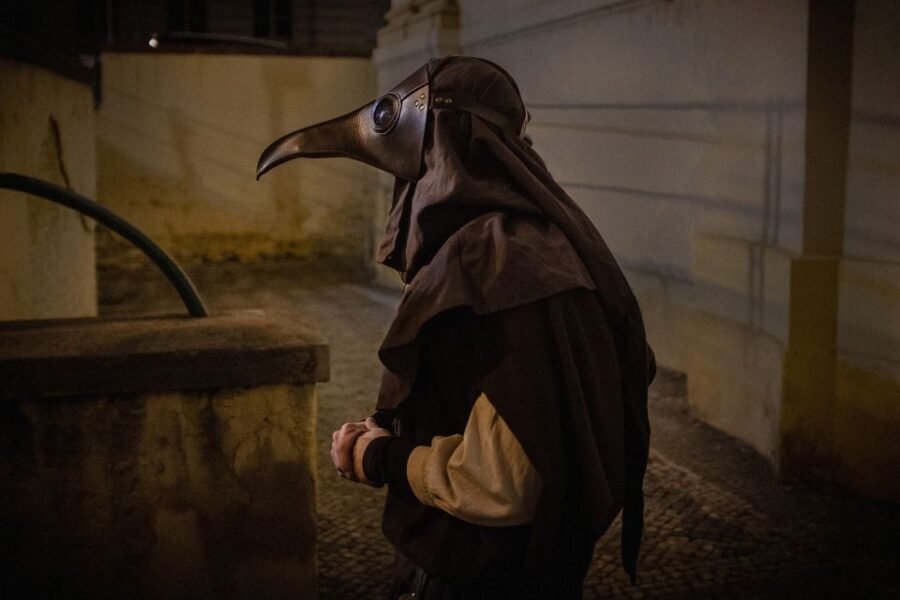
Prague has a way of pulling you into stories. This tour leans into that by putting you in the path of a plague doctor guide, dressed for the period—so the city’s corners feel like part of the plot, not a backdrop.
You’ll learn about the bubonic plague and the terror people lived with, including the famous era people often refer to as the Black Death. But the approach here is practical and human: what people could see, what they feared, and how daily life had to adjust when sickness spread.
The tone is also smart. Guides like David or Óscar are known for making the experience funny and fast-moving, without turning the topic into a gimmick. That balance matters, because plague history is heavy—good storytelling keeps it bearable.
You can also read our reviews of more walking tours in Prague

Getting started at Seminářská: you’ll spot your guide fast
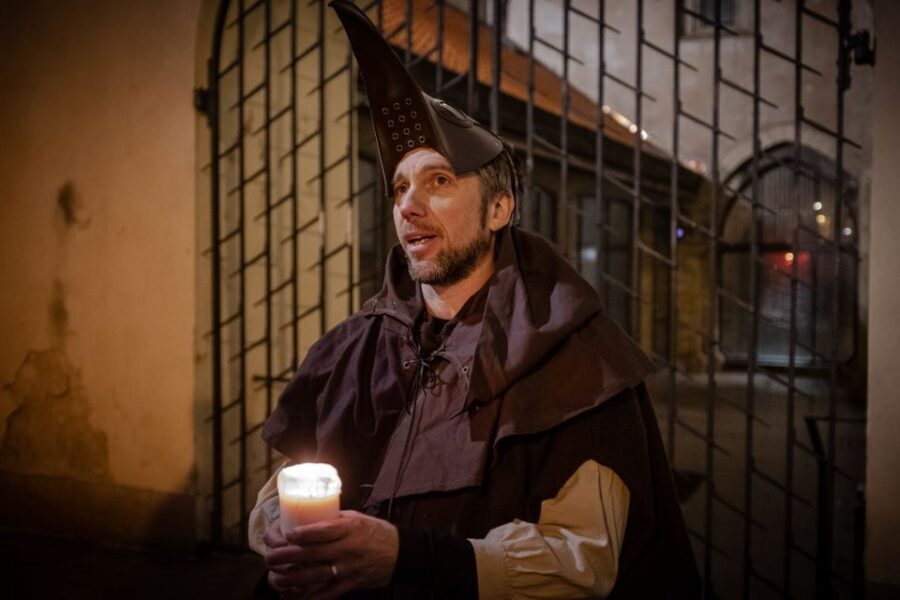
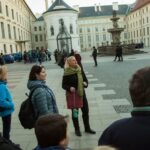
The tour begins at Seminářská 175/2, Staré Město. You don’t need to decode a meeting point; just look for your guide dressed as the plague doctor and you’re good.
This small detail helps more than you’d think. In Prague, it’s easy to lose time before a walk even starts. Here, the costume acts like a beacon, and it means you can focus on the streets instead of searching for your group.
Since the tour runs 90 minutes, aim to arrive with enough time to settle in. Weather can shift fast, and you’ll be outside the whole way.
Clementinum to Old Town Square: a quick history setup you won’t resent
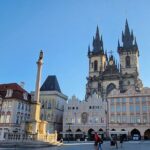
Right away, you’ll move through the “big hits” of central Prague—starting with the Clementinum area, then heading toward Mariánské náměstí and the Old Town Square zone.
These stops matter because they give you a baseline for how the city looked and worked. When you later hear stories about illness and civic responses, you’ll understand where people were when life changed. Without that setup, plague history can float in the abstract.
You’ll also get short, pointed explanations rather than a long monologue. That’s a big part of why the tour holds attention. You’re continuously switching between sights and the story behind them, which keeps the pace comfortable for most people.
Josefov and the Kafka Monument: where old Prague turns into personal history
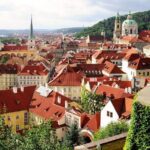
After the main square area, the route slips into Josefov. Josefov is where Prague’s history gets layered and the streets feel more intimate, so it’s a good transition from “famous landmarks” to “lived-in city.”
Then comes the Franz Kafka Monument. Even if you don’t know Kafka’s work deeply, seeing the monument in this context makes the city’s timeline feel less like chapters in a textbook. You start noticing how Prague holds different eras in the same frame—pandemic fear in one layer, literary fame in another.
This section is also useful if you’re the type who likes atmosphere. You’re learning about plague-era life, but you’re also learning how Prague’s identity keeps reshaping itself.
Na Františku (St. Francis) Hospital: the turning point for understanding the fear
One of the most meaningful stops is Na Františku Hospital (often referred to as St. Francis Hospital). This isn’t just a photo-op stop. It’s where the tour connects plague disease to institutions and the practical reality of care.
For me, this is the point where the tour stops feeling like costume theater and starts feeling like real historical thinking. You’ll hear about how people tried to survive, how cities responded, and what it meant to have sickness close to public life.
If you’re the kind of traveler who likes context—how a city actually handles crisis—this stop is a payoff. It turns the story from “outbreak happened” into “here’s how systems and routines got pressured.”
You can also read our reviews of more historical tours in Prague

A. Schamsky in 1713: the lesson behind the name
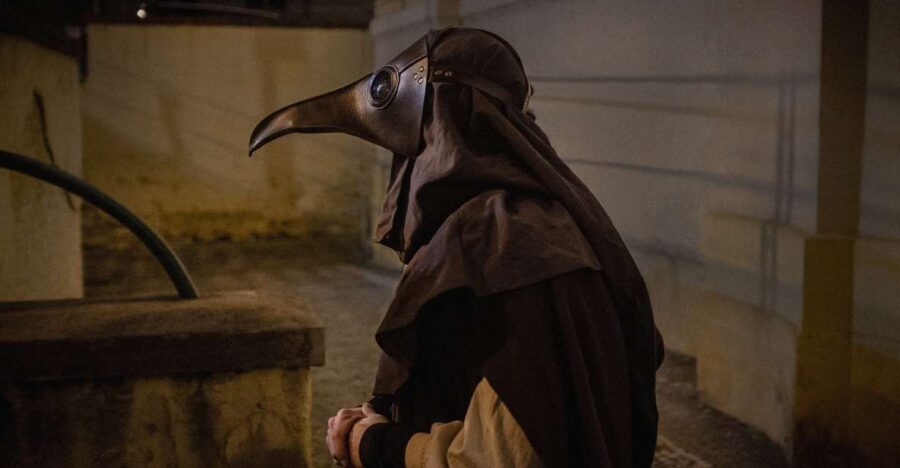
A highlight of this tour is meeting A. Schamsky, described as a forgotten 18th century hero who fought the plague in 1713. That detail matters because it pulls you away from the usual plague timeline and gives Prague-specific anchoring.
The value here is simple: you stop thinking of plague as only a distant medieval catastrophe. Instead, you see that outbreaks and public health struggles kept recurring, and that people kept trying again and again.
This is also where a good guide shines. Strong performers like Thomas or Tomaš tend to make these historical characters feel present, with story beats that give you a reason to remember the name, not just hear it once.
Convent of St. Agnes: where spirituality and survival stories meet
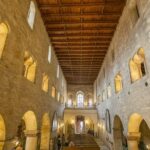
Next up is the Convent of St. Agnes. A religious site can sound like a detour on a plague-focused walk, but it fits the theme: when fear takes over, people search for meaning and hope as hard as they search for medical solutions.
What I like about this stop is the way it broadens the story. Plague wasn’t only about germs or doctors—it was also about belief, ritual, and community behavior under stress.
This is a good moment to ask questions too. The format encourages you to interact, and a thoughtful guide will connect your question back to what people were facing at the time.
PPE and the plague doctor look: what you’re really learning
The tour doesn’t just say people wore protective gear. It explains the kinds of PPE plague doctors used during that era, and what people thought those items could protect against.
Even if you know the basic image of a plague doctor outfit, you’ll still likely come away with a more grounded sense of the logic behind it. The guide typically links the equipment to the job conditions and the desperation of trying to work while sickness was everywhere.
And yes, it’s theatrical—but it’s also instructional. The clothing and accessories are used like a visual aid, so you can follow the story without needing extra reading.
The anti-plague pill candy: silly, but it works
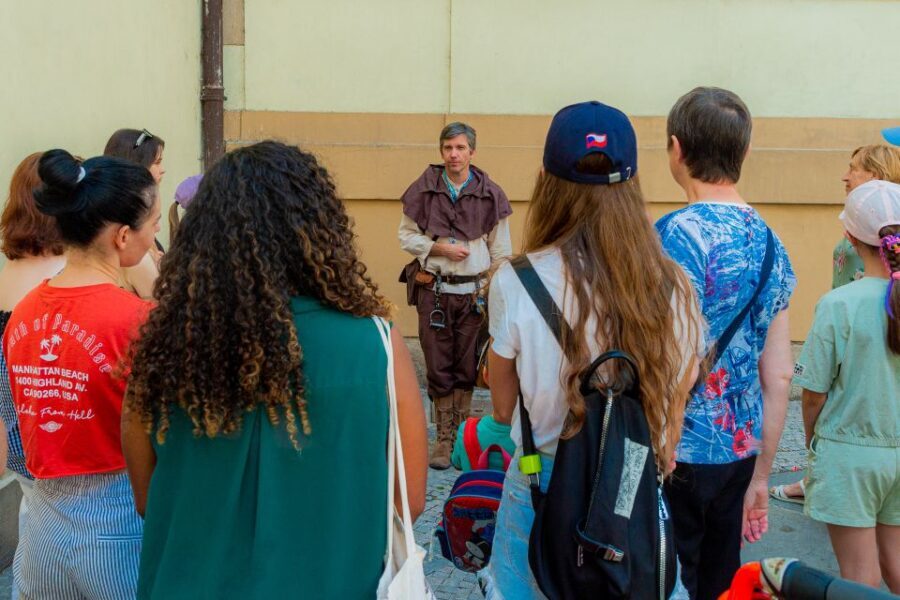
Included in the tour is an anti-plague pill (candy). It sounds small, and it is small, but it’s an effective technique for keeping the walk lively.
You’ll see why once you’re on the street with the guide in full role. A small prop gives you a quick moment to reset your attention while still staying in theme. It’s one of those details that makes the tour feel like an experience, not just a route.
Saint Castulus Church finish: a good ending and an easy win for photos
The walk finishes at the Church of St Castulus. Ending here is a solid close because it leaves you with a clear landmark to remember, rather than a vague “somewhere near the square” dispersal.
Many guides also take time at the end for photos with you dressed in plague doctor style. That’s fun, but it’s more than a souvenir moment—it gives you a way to hold onto the theme in your own memory.
Also, by finishing at a distinct church, you can pivot smoothly to dinner afterward. This is the kind of tour that works well as a first evening activity too, because you learn where central Prague is before you wander independently.
Price and time: is $23 worth 90 minutes?
At $23 per person for 90 minutes, this sits in the category of practical, midrange walking tours. You’re not paying only for storytelling. You’re paying for the licensed guide in plague doctor dress, the structured landmark route, and included extras like the candy.
You also get value in how the tour balances topics:
- You learn the plague story and how people tried to live with it
- You see multiple real locations in central Prague
- You get an interactive guide style, often using humor and prompts
- You leave with a clearer sense of Prague’s layers, from Josefov to Kafka’s monument to St. Agnes and St. Castulus
If you like history that’s explained in a way you can picture—rather than facts thrown at you—this is a good match.
Who should book this, and who might want something else
Book it if you:
- want a different angle on Prague history beyond castles and churches alone
- enjoy guides who tell stories in character, like the plague doctor persona
- like interactive tours where you can ask questions
Consider something lighter if you:
- prefer history without costume performance (the guide stays in role throughout)
- have trouble walking in rain or crowds, since it’s outdoors rain or shine
This is also a nice choice if you’re traveling with kids who can handle spooky themes—some guides are especially good at keeping younger participants engaged with questions and quick story turns.
Should you book the Prague Plague Doctor Old Town History Walking Tour?
Yes, if you want a memorable, story-driven Prague walk that teaches plague history with real locations and a guide who makes the topic feel human. The 1713 plague doctor framing, the A. Schamsky story, and the hospital/convent stops are what give this tour more substance than a costume walk.
I’d book it early enough in your trip to help you orient around central Prague, but late enough that you can enjoy a slow stroll after. And pack weather-appropriate clothing—because this one happens no matter what the sky decides.
FAQ
How long is the Prague Plague Doctor Old Town History Walking Tour?
It lasts 90 minutes.
How much does the tour cost?
The price is $23 per person.
Where does the tour start and end?
It starts at Seminářská 175/2, Staré Město, and finishes at Church of St Castulus.
What is included in the ticket price?
You get a licensed guide in plague doctor dress, an anti-plague pill (candy), and the walking tour.
Is hotel pickup included?
No, hotel pickup and drop-off are not included.
What languages is the tour offered in?
The live tour guide speaks English and Czech.
Does the tour run in bad weather?
Yes. The tour will take place rain or shine.
Is the tour wheelchair accessible?
Yes, it is wheelchair accessible.
What is the cancellation policy?
You can cancel up to 24 hours in advance for a full refund.
Is there a private group option?
Yes, a private group is available.