REVIEW · PRAGUE
Prague Sightseeing Tour with Lunch
Book on GetYourGuide →Operated by Spectrum Tours · Bookable on GetYourGuide
Prague clicks into focus fast when you’re walking with an expert guide and using the city like locals do. I like that this tour ties the big monuments together with everyday context, and I especially like the medieval-tavern lunch and the chance to ask questions during a live guide conversation. One thing to plan for: it’s a packed 6 hours on foot and public transit, so comfortable shoes matter, and the route may feel tough if you have mobility limits or motion sickness.
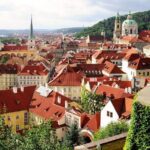
You’ll see the Prague Castle complex, Loreta, Strahov Monastery, Charles Bridge (from Kampa Island), and then work your way through Old Town, the Jewish Quarter, and Malá Strana in one guided arc. I also like that the guide works at a pace that aims to give you an orientation in history and culture, not just photos. If you’re sensitive to crowds and step-heavy walking, you’ll want to take that seriously before you book.
In This Review
- Key highlights that make this tour worth your time
- Why this 6-hour route works (and feels efficient)
- The main drawback: it’s not a slow, sit-and-snack day
- Meeting at Česká Národní Banka and getting oriented fast
- Using public transportation like locals (not just as transit)
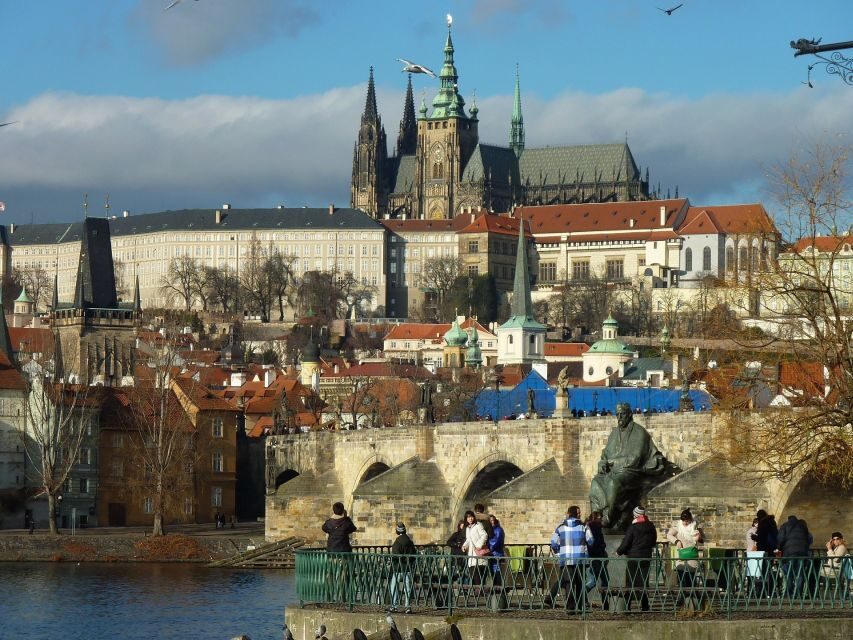
- Prague Castle complex: where power leaves fingerprints
- Loreta and the Baroque Church of the Nativity
- Strahov district palaces, gardens, and the Strahov Monastery
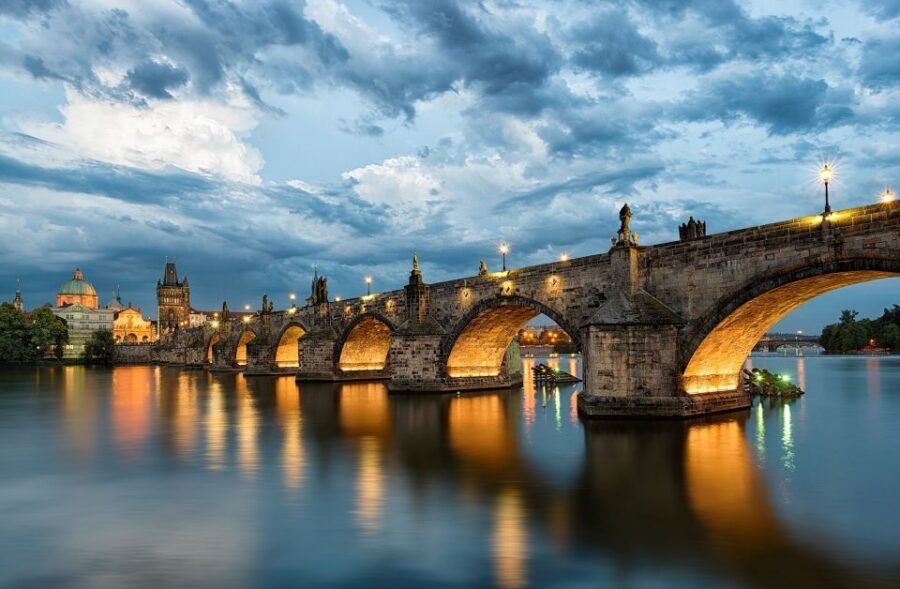
- Charles Bridge from Kampa Island: a view that feels calmer
- Old Town (Staré Město), the Jewish Quarter, and Malá Strana
- Old Town: the classic center you can actually understand
- The Jewish Quarter: history you should treat with care
- Malá Strana: calmer streets and a different tempo
- Lunch in a local stylish tavern: more than a break
- Price and value: what $124 buys you in real terms
- Who should book this Prague sightseeing tour
- Who might want to rethink it
- What the guide experience feels like on the ground
- Should you book Spectrum Tours for this 6-hour Prague day?
- FAQ
- How long is the Prague sightseeing tour?
- What’s included in the price?
- Where do we meet the guide?
- Is hotel pickup available?
- What sights are covered during the tour?
- What languages are the live guides?
- Is the tour wheelchair accessible?
- Is the tour suitable for motion sickness?
- Can I cancel and get a full refund?
Key highlights that make this tour worth your time
- A guide who explains and answers so you can connect monuments to real Czech history and modern life
- Prague Castle + Loreta + Strahov in one day, so you don’t waste time hopping between far-flung sights
- Lunch in a local stylish tavern that fits the medieval feel of the sites you’re seeing
- Charles Bridge views from Kampa Island for a different angle than the usual main-bridge crush
- Old Town, Jewish Quarter, and Malá Strana as a single, guided storyline you can actually follow
- Public transportation included in the experience so you learn how people move around Prague
Why this 6-hour route works (and feels efficient)
Prague has a lot of “must-sees,” but the problem is how quickly your brain gets overloaded. This tour is built around a practical loop: it starts with key power-and-faith sites on the hillier side of town, then swings you toward the classic central neighborhoods. In 6 hours, you get a framework you can carry after the tour—why certain places mattered, and how the city’s different eras still show up in the streets.
I also like the day’s rhythm. You don’t just stand in front of buildings; you keep moving from viewpoint to viewpoint while the guide connects the dots. That matters because Prague’s monuments can look similar if you’re not told what to look for—who built what, which power changed hands, and what survived.
A few more Prague tours and experiences worth a look

The main drawback: it’s not a slow, sit-and-snack day
Six hours sounds generous until you factor in walking plus public transit. You’ll want to wear comfortable shoes, and you should be ready for a steady pace. If you’re hoping for lots of free time to wander independently, you may feel slightly rushed.
Meeting at Česká Národní Banka and getting oriented fast
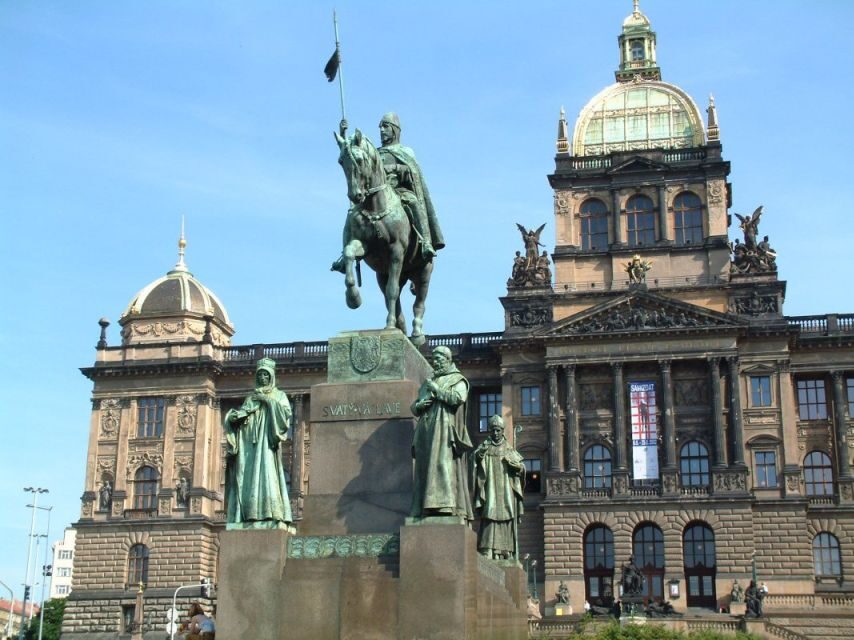
You meet your guide in front of the Czech National Bank, Na Příkopě 28, Prague 1. The guide will be holding a paper that says SPECTRUM TOURS. That’s an easy meeting point to find because it anchors you in a central area where the rest of the day makes sense.
The real value of starting well is psychological: it reduces the first-day confusion. Prague’s Old Town streets can feel like a maze if you’re on your own. With a guide, you get immediate orientation—where you are, which direction you’ll be moving next, and how the sights relate spatially.
Also, the tour is set up for live guide conversation in Czech, English, and German, which helps if you want to ask things beyond the standard script. Prague history can be politically loaded and full of nuance, and a good guide can translate that into understandable, not-too-academic language.
Using public transportation like locals (not just as transit)
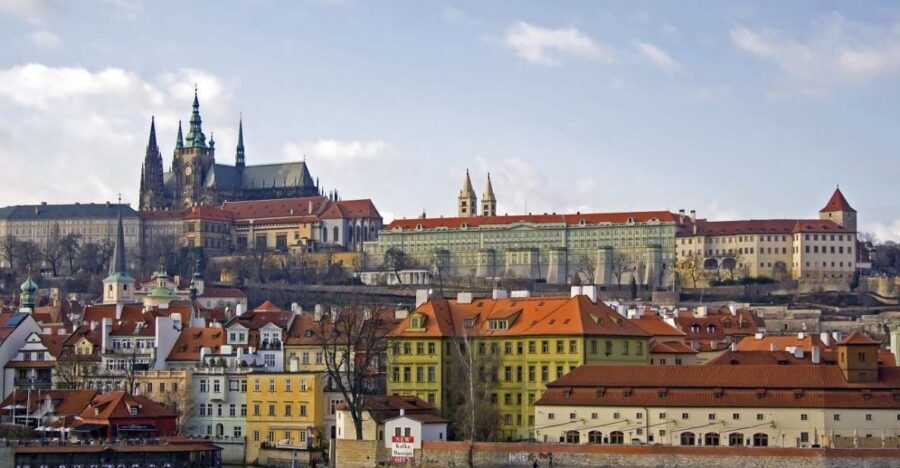
One standout from the highlights is that you join locals on the public transportation system. That’s more than a perk. It teaches you how Prague really works day-to-day: what routes connect neighborhoods, how long things take, and what kind of “effort” it takes to move around.
When you ride the system during your sightseeing day, you’re getting a hidden lesson. After the tour, you’re more likely to return to the neighborhoods you liked, because you now know how to get there without guessing. It’s also a time saver—Prague’s hills and pedestrian-heavy zones can slow you down if you keep walking everywhere.
Prague Castle complex: where power leaves fingerprints
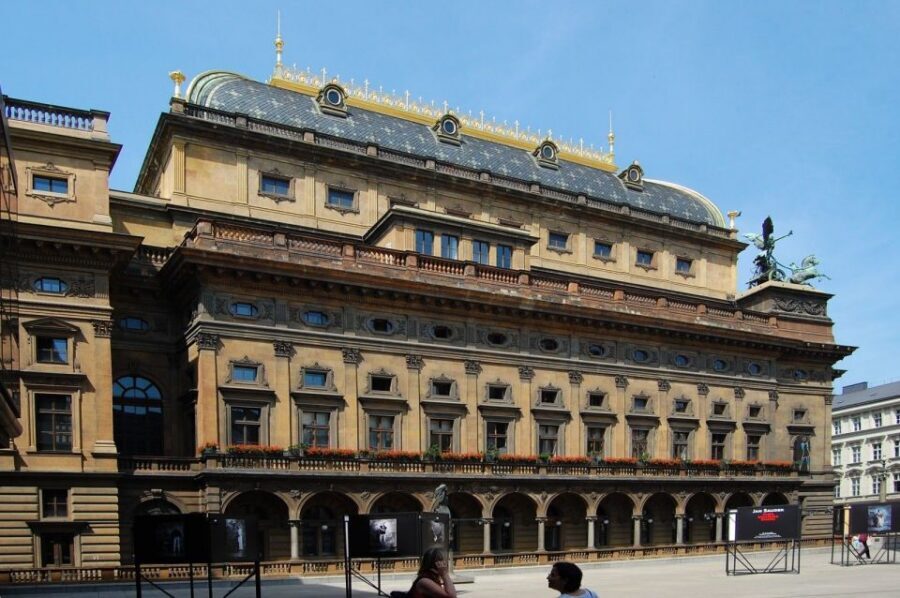
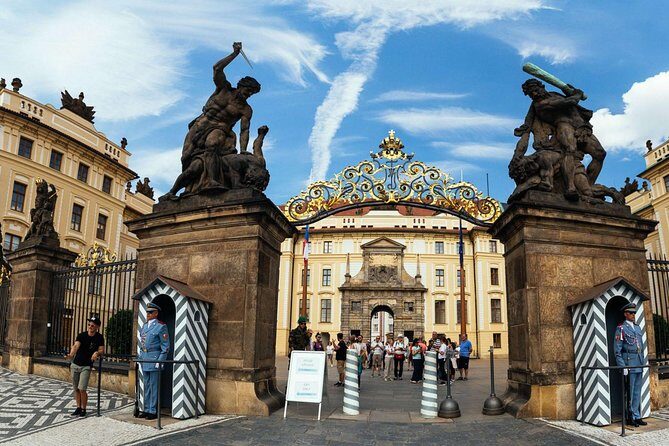
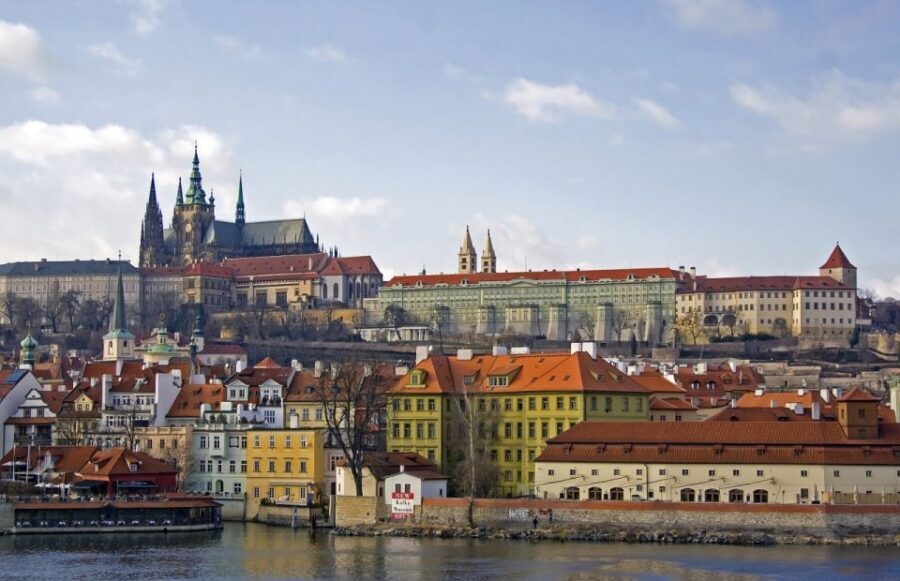
The day’s big anchor is the Prague Castle complex, a former seat of power for kings of Bohemia, Holy Roman emperors, and presidents of Czechoslovakia. That sequence is crucial. Prague Castle isn’t just a pretty complex of buildings—it’s an evolving symbol of who held authority and how that authority was displayed.
What I’d focus on here is the idea of layered power. Even if you don’t memorize every name, you’ll feel the continuity: leaders used architecture to project legitimacy, and later leaders inherited the same spaces to continue their own stories. A guide helps you connect what you’re seeing to that chain of history, instead of letting it stay as a blur of stone.
A practical note: castle areas can mean more walking uphill and more stairs depending on the route. If your energy is limited, plan to keep your pace steady rather than sprinting for every viewpoint.



Loreta and the Baroque Church of the Nativity
Loreta is described as a Marian pilgrimage site, and that detail matters. This isn’t only a tourist stop; it has religious significance that shaped how people experienced the site historically. The highlight is the Baroque Church of the Nativity, and the word Baroque isn’t just style—it’s about drama, movement, and emotional impact.
In a guided setting, Loreta becomes easier to read. You’re not just spotting ornate details—you understand why they exist in the first place. A pilgrimage site usually aims to inspire awe and devotion, and Baroque design is one of the main tools used to do that.
If you like places that balance faith, art, and history, Loreta is a strong stop. It also gives your legs a change of pace from the bigger fortress-style areas.
Strahov district palaces, gardens, and the Strahov Monastery
After the castle and Loreta, you move into the Strahov district, including noble palaces and gardens, plus the Strahov Monastery. This part of the itinerary is valuable because it slows the day down in a good way. You get a more contemplative atmosphere compared with the heaviest Old Town walking.
Strahov also helps you understand Prague beyond the “big postcard” buildings. Monasteries are places where education, preservation, and influence often lived quietly for centuries. When the guide points out what was happening here—how monastic life shaped culture and what role the buildings played—you start noticing Prague’s intellectual side.
Gardens and palace areas can be visually rewarding, but the real win is context. With a guide explaining what the district represented and why it mattered, the spaces feel purposeful instead of just scenic.
Charles Bridge from Kampa Island: a view that feels calmer
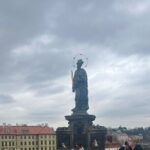
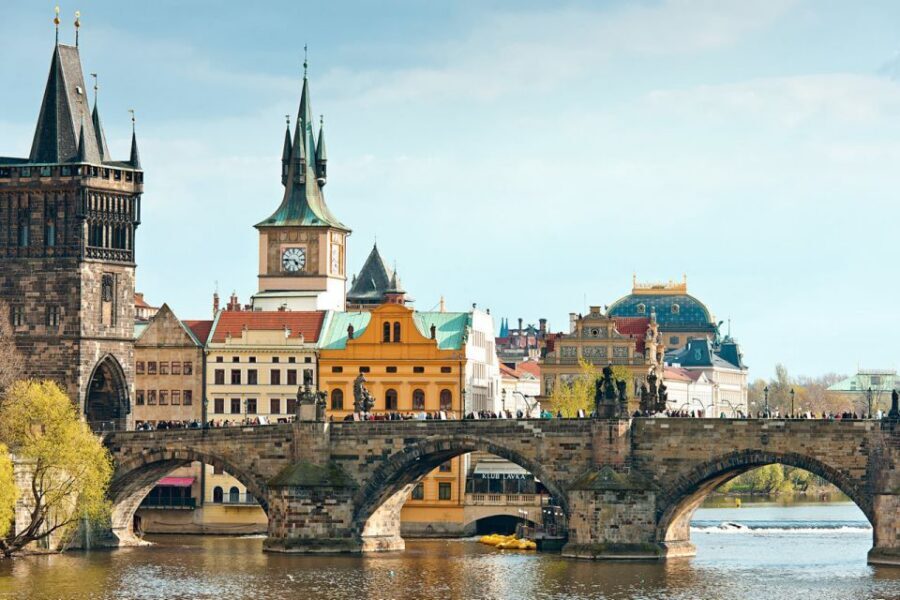
Charles Bridge is iconic, but standing on it can feel like you’re part of a moving crowd. This tour adds a smarter angle: you admire Charles Bridge from Kampa Island. Kampa gives you a different perspective and often a more relaxed feel, even though the bridge remains in view.
This is where your guide’s storytelling can really pay off. Charles Bridge isn’t only about the bridge itself; it’s about the role it played connecting districts and shaping movement through the city. When you see it from Kampa, you can also appreciate the river layout and how Prague’s topography affects everything.
If you’re planning your own free time later, the Kampa viewpoint is the kind of place you might want to revisit—especially if you want photos without treating it like a timed assignment.
Old Town (Staré Město), the Jewish Quarter, and Malá Strana
The tour then moves into a three-part neighborhood storyline: Old Town (Staré Město), the Jewish Quarter, and Lesser Town (Malá Strana). This arc works because these areas are different in feel and function, but they’re also physically connected enough that a single guided walk helps your sense of place.
Old Town: the classic center you can actually understand
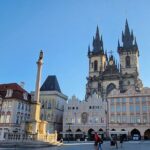
Old Town is where you’ll want a narrative, not just sightseeing. With a guide, you can follow why the streets and landmarks developed the way they did, and how the city’s political and cultural moments left their marks in public spaces.
The Jewish Quarter: history you should treat with care
The Jewish Quarter deserves a respectful pace. A good guide keeps the tone grounded and explains the context behind what you see. You’ll get the sense that this isn’t only architecture—it’s memory, community, and survival across changing eras.
Malá Strana: calmer streets and a different tempo
Malá Strana, or Lesser Town, helps balance the day. It’s often easier to breathe in this area, and your view shifts from big “power center” vibes to more human-scale streets and hillier surroundings. When your guide ties Malá Strana into the broader storyline, it stops being just another neighborhood and becomes part of the city’s overall map of identity.
Lunch in a local stylish tavern: more than a break
Lunch is included, and it’s in a local stylish tavern with a medieval vibe. I like that the meal matches the day thematically. It keeps the experience grounded in place, instead of dropping you into some generic tourist food stop.
The practical benefit is timing. After a morning of castles and religious sites, you get a scheduled chance to recharge without having to hunt for a good meal on your own. Prague’s best meals often require a bit of effort to find, and a included lunch removes that planning stress.
One word of realism: any guided day with lunch can feel “quick.” You’ll still enjoy the meal, but don’t expect a long two-hour dining experience. Think of it as a fuel stop that also contributes to the atmosphere of the day.
Price and value: what $124 buys you in real terms
At $124 per person for a 6-hour guided tour, the value comes from three places:
First, you’re paying for an expert guide who handles history, culture, and the practical “how to think about Prague” parts, plus time for your questions. For many people, the guide is the whole point—because Prague’s monuments become far more meaningful once someone puts them into context.
Second, you’re getting lunch included. Food costs add up fast in European city centers, and this is one less expense you need to plan.
Third, pickup can add value if you use it. The tour notes hotel pickup in the private option, and pickup is also described as optional. If your start location is inconvenient, pickup can save you time and walking energy.
What you don’t get, based on the provided details, is a slow-paced tour with lots of personal downtime. This price is for efficiency: you’re buying a guided circuit that aims to cover key sights without you feeling lost.
Who should book this Prague sightseeing tour
This is a strong pick if you want:
- A clear orientation to Prague’s history and culture
- A guide-driven day with smart stops like Prague Castle, Loreta, and Strahov
- The chance to ask questions and learn what life in the Czech Republic is like now
- A well-paced introduction to Old Town, the Jewish Quarter, and Malá Strana
It’s also a good fit if you like structure. Prague can be overwhelming. A guided loop helps you avoid wandering into the wrong direction or missing the relationships between neighborhoods.
Who might want to rethink it
The activity notes it’s not suitable for motion sickness and also says it’s not suitable for people with mobility impairments. At the same time, it lists wheelchair accessible. Because those points conflict, check directly with the provider if mobility is a concern.
If you’re mainly after maximum photo time with minimal walking, you might find this itinerary a bit brisk.
What the guide experience feels like on the ground
The tone of the tour reviews you’ll find for this experience points to one theme: the guide’s effectiveness. One praised guide name that appears is Hr. Petrje—and the comments highlight that he was friendly and managed to show and explain a lot within the 6 hours. Another private booking mentioned that the guide considered preferences for how to spend the day, which is exactly what you want from a private-group format.
That matters for you because a good guide doesn’t just recite facts. They help you ask the right questions, and they adjust pacing when someone wants a little more time at a viewpoint or a little less time in crowds.
Should you book Spectrum Tours for this 6-hour Prague day?
I’d book it if you want a guided Prague “starter map” that you can build on later. The combination of Prague Castle, Loreta, Strahov, Charles Bridge from Kampa Island, and the Old Town/Jewish Quarter/Malá Strana sweep is a logical way to understand the city without losing an entire day to logistics.
Skip it only if you know you struggle with steady walking and transit, or if motion sickness is an issue for you. Otherwise, this is the kind of tour that gives you more than photos. You leave with a clearer sense of why Prague looks the way it does, and you get a template for exploring on your own afterward.
FAQ
How long is the Prague sightseeing tour?
It lasts 6 hours.
What’s included in the price?
The tour includes a guide, lunch in a local stylish tavern, and (for the private option) hotel pickup.
Where do we meet the guide?
Meet your guide in front of the Czech National Bank (Česká Národní Banka), Na Příkopě 28, 115 03 Prague 1. The guide will be holding a paper that says SPECTRUM TOURS.
Is hotel pickup available?
Pickup is optional, and hotel pickup is included with the private option.
What sights are covered during the tour?
You’ll visit the Prague Castle complex, Loreta (including the Baroque Church of the Nativity), the Strahov district and Strahov Monastery, Charles Bridge from Kampa Island, and you’ll explore Old Town (Staré Město), the Jewish Quarter, and Lesser Town (Malá Strana).
What languages are the live guides?
The live tour guide languages listed are Czech, English, and German.
Is the tour wheelchair accessible?
The activity lists wheelchair accessible, but it also states it is not suitable for people with mobility impairments. If accessibility matters for you, it’s best to confirm details with the provider.
Is the tour suitable for motion sickness?
No. The activity states it is not suitable for people with motion sickness.
Can I cancel and get a full refund?
Yes. Free cancellation is available up to 24 hours in advance for a full refund.