REVIEW · PRAGUE
Prague: Story of Prague Immersive Museum Experience
Book on GetYourGuide →Operated by Museum Story of Prague · Bookable on GetYourGuide
The Charles Bridge area becomes a living story. If you start here, you’re right at the main stage of Prague’s postcard world, with audiovisual installations pulling you into the city’s big historical chapters as you walk in from the Charles Bridge entrance.
I especially liked the way the exhibition uses audio and film installations to make the story feel like it’s happening around you. I also love the interactive photo points, where you get clear spots to stand for photos and short videos.
One real drawback to plan for: the experience leans on your phone, so battery life can become an issue if you forget to charge or bring a power bank.
In This Review
- Key highlights you should care about
- Charles Bridge location: why this fits your Prague day perfectly
- The $18 value: what’s included and what you should do with it
- The mobile audio guide: the scan-and-go workflow
- First floor: Prague from the Middle Ages to the big turning points
- Second floor: WWII and the communist regime, told as action
- Top section: recent history, present day, and world achievements
- Photo points that make you stop, look, and shoot better
- Views from the museum windows: your free sightseeing upgrade
- Timing and flow: how long it takes and how to avoid getting lost
- Who should book this at the Story of Prague, and who should skip
- Should you book the Story of Prague? My honest call
- FAQ
- Where is the Story of Prague museum located?
- How much does the ticket cost and how long is the experience?
- What’s included with the ticket?
- Do I need to bring headphones?
- What languages are available for the audio guide?
- Is it suitable for people with mobility impairments?
Key highlights you should care about
- Right at Charles Bridge: you start with instant atmosphere and easy access.
- Three floors of timelines: Middle Ages, WWII, the communist regime, then recent history up top.
- Phone-based digital guide: scan tags, use headsets, and follow the audio in your language.
- Interactive photo stations: they help you get better shots without guessing.
- Clementinum-area views: museum windows add real sightseeing value.
- A strong option for teens: it’s built for people who get bored with plain museum text.
Charles Bridge location: why this fits your Prague day perfectly
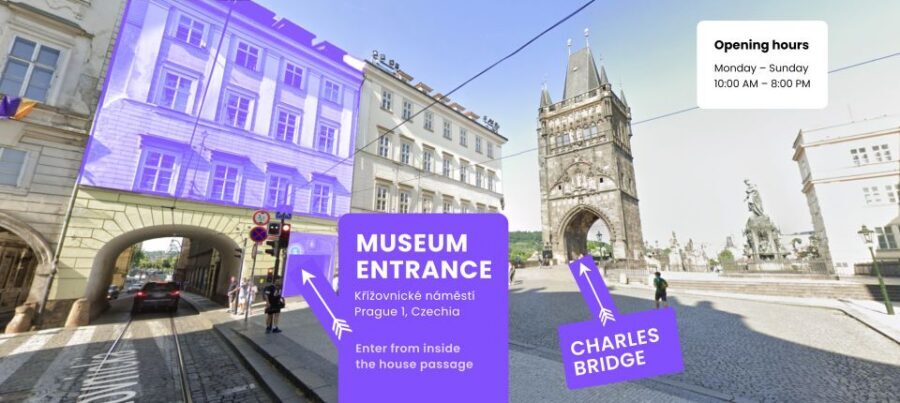
The Story of Prague sits right at the entrance to Charles Bridge, and the meeting point is specific: enter from inside the house passage. That matters. You’re not commuting across town to chase a museum slot. You can treat it like a prelude to the rest of your walk across the bridge and into the old streets.
Because it’s in the same immediate neighborhood as some of Prague’s best monument sightlines, the museum works like a “how to see this city” lesson. After you finish, you’ll likely notice details outside the museum more quickly, since you just got a framework for what you’re looking at.
There’s also a practical advantage: you can schedule it as a relaxed, indoor anchor on a long travel day. The ticket is valid for one day, and you can pick a start time based on availability.
You can also read our reviews of more museum experiences in Prague


The $18 value: what’s included and what you should do with it
At about $18 per person, the ticket isn’t just admission to rooms and labels. It includes the entry ticket plus the app and headsets, which means you’re not stuck without audio if you arrive unprepared. In a city where many attractions add extras, that’s a real value point.
Here’s how I’d use it for best payoff: treat the museum app like your guided tour, not like a nice bonus. The museum design expects you to scan tags and follow the script through each area. If you plan to ignore the phone parts and only rely on what you can read on signs, you’ll get less of what makes this experience work.
The included audio guide is offered in Czech, English, Spanish, German, and French. So if your group has mixed languages, you can still keep everyone in sync without playing guessing games.
The mobile audio guide: the scan-and-go workflow
Your digital guide stays with you on your mobile phone. The process is simple: download the app, connect headphones (or borrow them at reception), then scan the first tag to start.
This setup changes the feel of the museum. Instead of standing still to read, you can move while the story follows you. It’s one reason the exhibit doesn’t depend on long wall text to explain everything.
That said, plan for one small friction point. The museum experience uses your phone during the visit, and one review called out how much battery it can take. If you want a smooth run, bring a small power bank and keep your brightness reasonable.
Also keep expectations realistic about pacing. One experience was criticized for audio that felt slow or overly playful, and another mentioned the visit order wasn’t obvious, which made it easy to read things out of sequence. My practical advice: don’t rush. If something feels “out of order,” pause and check the tag you should be on next.
First floor: Prague from the Middle Ages to the big turning points
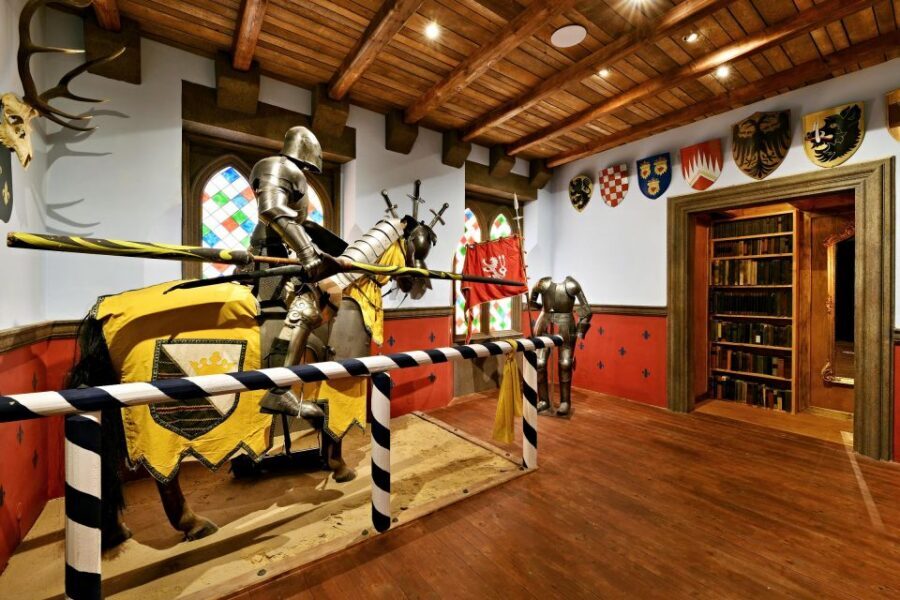
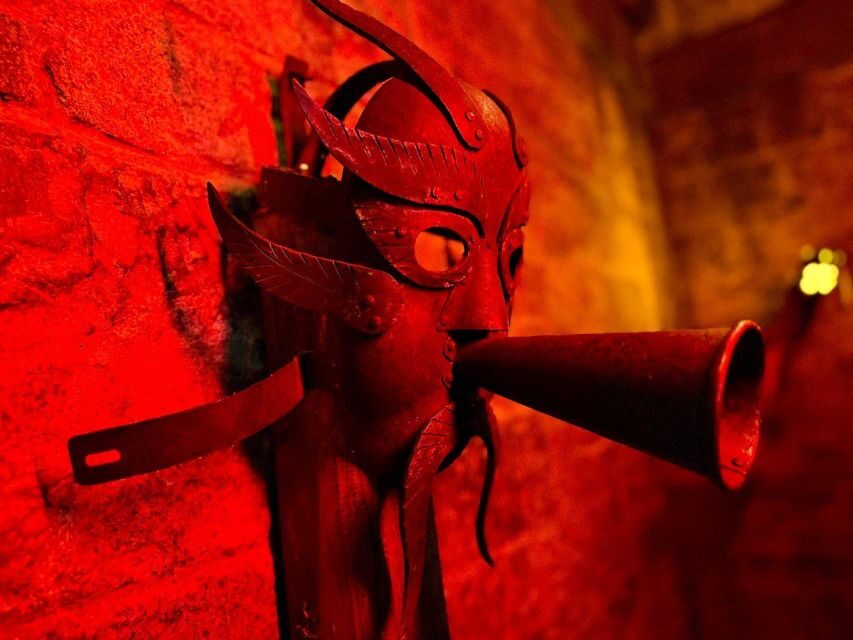
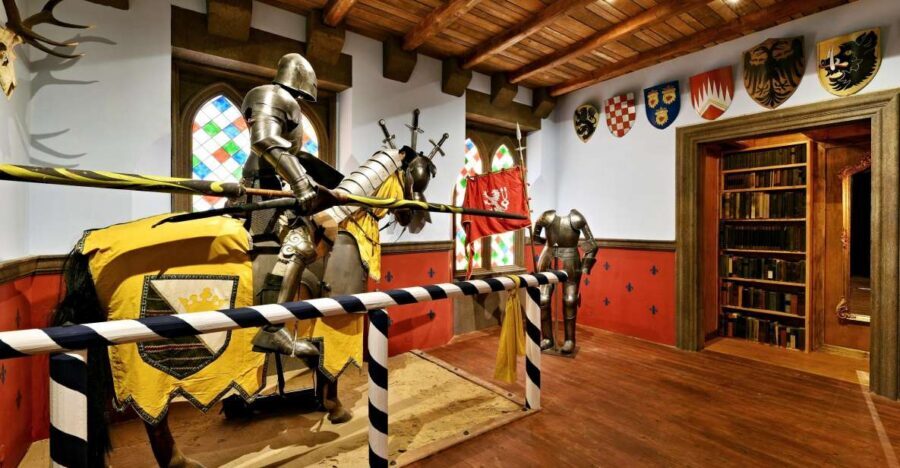
The exhibition is organized in three floors, moving you through different eras. You’ll start with the Middle Ages and progress toward the modern upheavals that shaped Prague’s identity. The museum doesn’t present this as a textbook. It’s more like you’re stepping into scenes, with the audio and film installations doing the heavy lifting.
You’ll likely notice the museum’s guiding philosophy: it’s not a museum of quiet reading. Instead, it uses audiovisual storytelling to keep your attention. That’s especially useful if you’re the kind of traveler who wants context fast before walking around outdoors.
A nice benefit of this structure is that you’re not left with disconnected dates. Because the story is scripted and time-ordered, it tends to give you a “why this matters” thread. Afterward, when you see churches, bridges, squares, and fort-like streets, you’ll understand that you’re looking at evidence of periods that fought over power, trade, identity, and everyday life.
Second floor: WWII and the communist regime, told as action
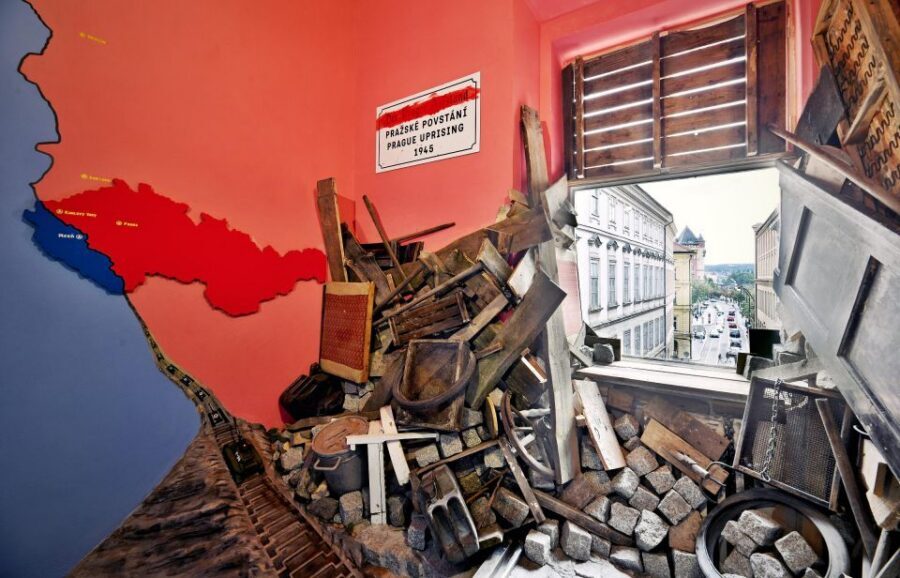
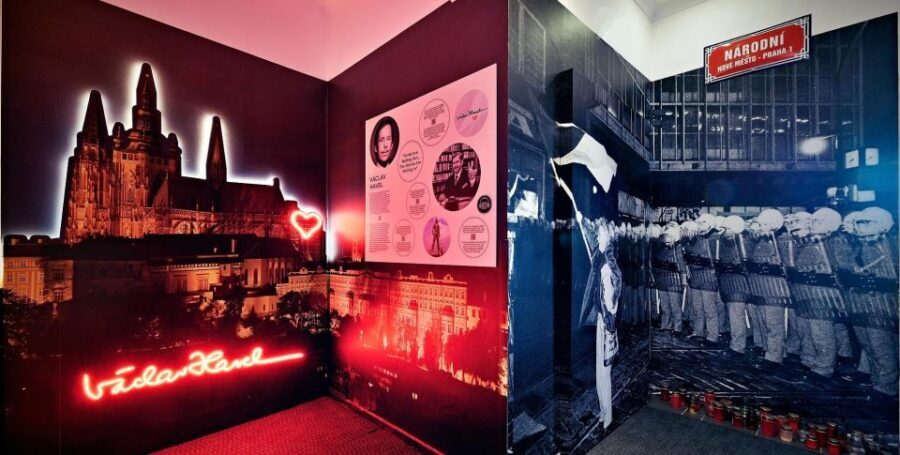
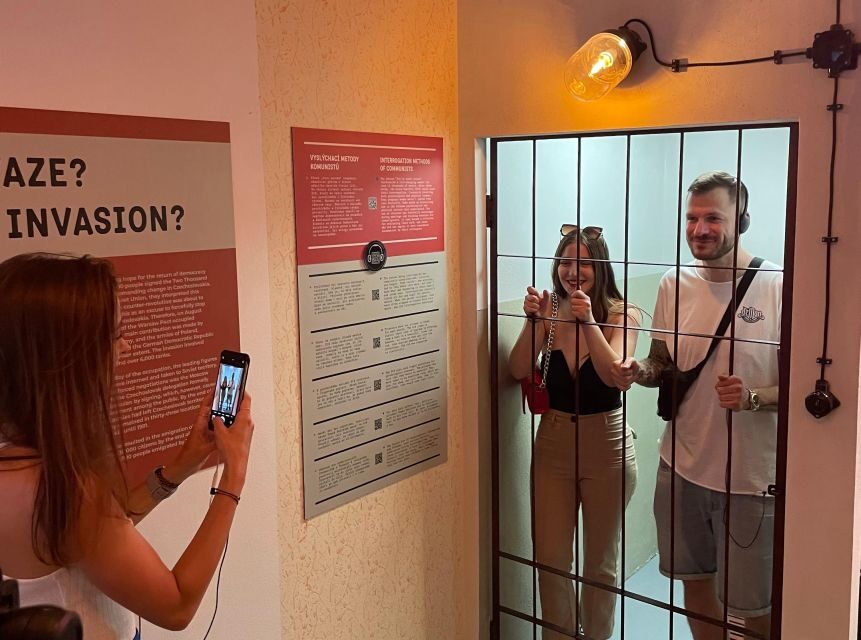
From the Middle Ages, the museum moves you into the era of WWII and the communist regime. This is where the story becomes more intense and less “storybook Prague.” The exhibit leans on film installations and audio elements, so you’re not just seeing outcomes—you’re hearing narratives built to explain how people experienced those shifts.
The value here is emotional context. You can read about Prague’s 20th-century history later, but this kind of guided narrative helps it stick. Even if you already know the basics, the museum can add human detail and connections between places you’ll see outside.
One thing to keep in mind: because the exhibit is interactive and media-based, it requires a bit of patience. If you’re the type who dislikes waiting for audio beats to finish, you might feel slowed down. If you can tolerate that tempo, you’ll probably find it easier to follow the story all the way through.






Top section: recent history, present day, and world achievements
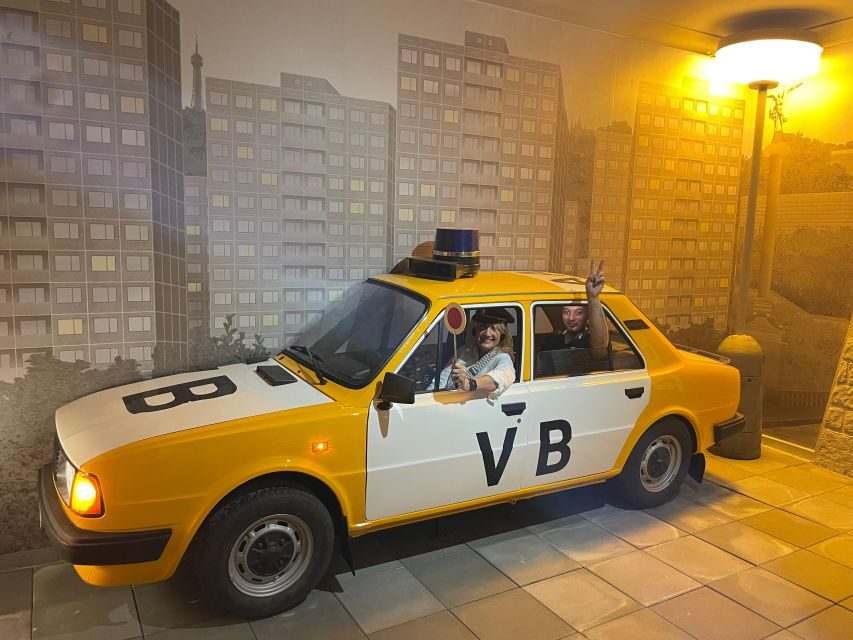
After the earlier chapters, you ascend to an upper portion that focuses on recent history, present day, and world achievements. This top section works as a bridge from what Prague survived to what it became.
It’s also a smart way to avoid ending on a bleak note. You get momentum: the story moves forward rather than stopping at war and politics. That ending style makes it easier to keep your motivation for the rest of your sightseeing day.
And because the museum sits in a tall urban setting, the upper level helps support a “look out, then learn” rhythm. You’re not trapped in darkness for the whole time; parts of the experience connect back to the real city around you.
Photo points that make you stop, look, and shoot better
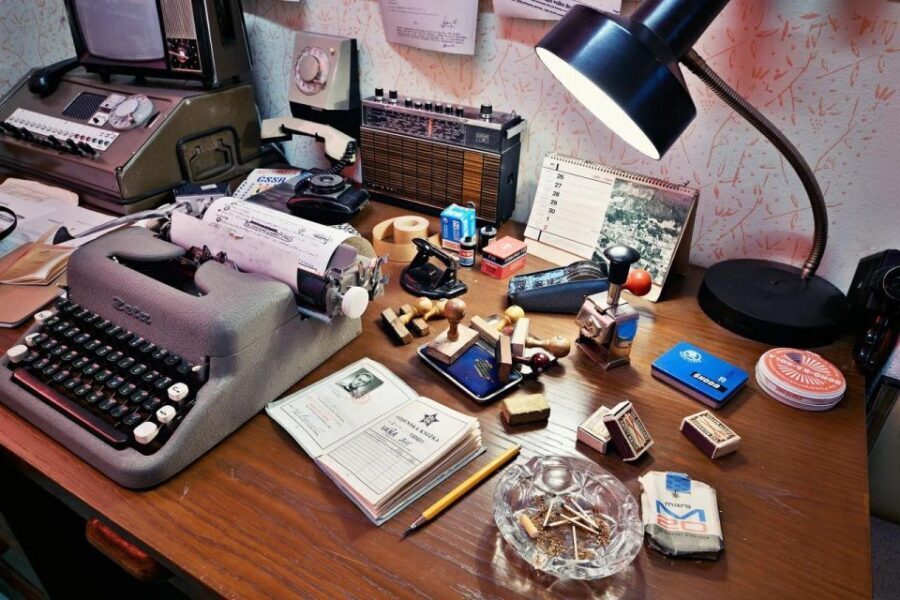
The museum includes interactive photo points that guide where to stand to get the best pictures. This is more than a gimmick. In a city like Prague, the difference between a mediocre photo and a great one often comes down to tiny angles and distances.
The photo points also help you slow down. You stop in the right place, you frame the shot, and in the pause you take in what’s around you. That makes the visit feel more active, not like you’re just passing through rooms.
If you’re filming on your phone, it’s worth remembering the earlier battery point. Audio and camera recording can stack battery drain. A portable charger can be the difference between enjoying the last half of the story and watching your screen percentage crash.
Views from the museum windows: your free sightseeing upgrade
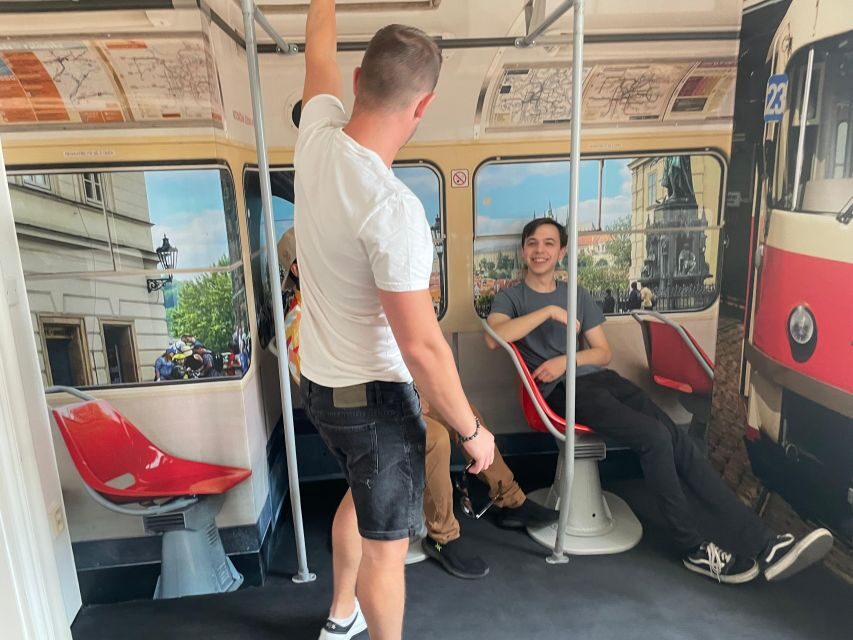
One of the underrated perks is what you can see from the museum windows: views toward the Clementinum and the square below. That’s a built-in visual break between media-heavy rooms.
This matters because Prague sightseeing is mostly outside. If you start inside with your brain wired for “what to notice,” then look out and see the city in real scale, everything clicks faster. You’ll also have fresh context when you spot landmarks in front of you.
The museum adds another layer here with stories and legends tied to monuments you can see nearby. Even if you skip the audio once or twice, those extra bits of meaning can turn a normal overlook into a memorable moment.
Timing and flow: how long it takes and how to avoid getting lost
The experience is listed as one day, and it’s described as not overly long in practice, but that doesn’t mean you should treat it like a quick snack. The exhibition is multi-floor, and it relies on audio, photos, and installations.
You’ll move through timed areas in sequence. Still, one review flagged that the museum doesn’t always make the intended order obvious, which can lead to reading things out of sequence and needing to backtrack. If you hate that feeling, do this: after each area, pause a second and confirm you’ve scanned the next tag before moving too far.
Also, if the museum feels busy, give yourself a little breathing room. Crowding can make it harder to approach installations and photo points without stepping around other people. This is one reason I suggest wearing comfortable shoes and keeping your phone power handy.
Who should book this at the Story of Prague, and who should skip
This is a great fit if you want a structured, story-driven introduction to Prague’s history in a way that doesn’t require you to read long text. The format works particularly well for groups with mixed interests, and one review specifically highlighted that it worked for teenagers who typically get bored in standard museums.
It’s also a strong choice if you’re doing a first pass at Prague and want your outdoor sightseeing to make more sense right away. The museum is built to give you tips on special places and legends around what you’re seeing, and that kind of orientation can save you time later.
I’d be more careful if you:
- Don’t want to rely on your phone for audio
- Prefer ultra-fast pacing with minimal waiting
- Have limited patience for an app-based flow
- Have mobility needs, because it’s not suitable for people with mobility impairments (so you’ll want to pick another experience)
Should you book the Story of Prague? My honest call
Book it if you want an efficient history primer that feels like a guided story, not a quiet walkthrough. The location at Charles Bridge, the included app/headsets, and the hands-on photo points give it real practical value for an $18 ticket.
Skip or consider alternatives if you know you’ll be frustrated by phone battery drain, phone controls, or slower audio pacing. You’re paying for an audio + installation experience, so if you dislike those mediums, you might feel like you’re fighting the format.
If you do book, the smartest move is to treat it as your first major Prague context stop. You’ll walk out with a mental map of eras, plus concrete places to notice as you continue across the bridge and through the old streets.
FAQ
Where is the Story of Prague museum located?
It’s located right at the entrance to Charles Bridge in Prague. You enter from inside the house passage.
How much does the ticket cost and how long is the experience?
The price is $18 per person, and the experience is valid for 1 day.
What’s included with the ticket?
Your ticket includes entry to the Story of Prague Immersive Museum, plus the app and headsets.
Do I need to bring headphones?
You can connect your own headphones, or you can borrow headphones at the reception.
What languages are available for the audio guide?
The audio guide is available in Czech, Spanish, German, English, and French.
Is it suitable for people with mobility impairments?
No. The experience is not suitable for people with mobility impairments.