REVIEW · PRAGUE
Prague: Tickets for the Franz Kafka Museum
Book on GetYourGuide →Operated by Discover Prague Tours sro · Bookable on GetYourGuide
Kafka in Prague feels tangible.
This ticket gives you a 20-minute guided introduction right outside the museum, then lets you explore the Franz Kafka Museum at your own pace. I especially like the way the intro sets context for what you’ll see—so the displays don’t feel like random glass cases. I also love the range of original-material style exhibits you’ll encounter, including letters and manuscripts. One thing to consider: the museum is small and can feel crowded, so give yourself a calm game plan instead of trying to see everything at full speed.
After the short briefing, you’re on your own inside. That’s great for control and comfort, but it also means you’ll want to use the guide time well—especially if you care about how particular items connect to Kafka’s life in Prague. Plan for a quick but thoughtful visit, and you’ll get more out of the experience.
In This Review
- Key points before you go
- Entering the Franz Kafka Museum with a 20-minute kickoff
- Time-travel through Kafka’s Prague (1883–1924)
- Letters, diaries, manuscripts, drawings, and first editions
- 3D installations, audiovisual pieces, and a soundtrack you can follow
- Museum size and crowds: how to plan your pace
- Price and value: what $28 gets you
- Who this fits best (and who should think twice)
- Should you book Prague’s Kafka Museum tickets?
- FAQ
- How long is the Franz Kafka Museum experience?
- What is included with the ticket?
- Is there a guide inside the museum?
- Where do I meet the guide?
- What language is the tour in?
- What can I expect to see inside?
- How much does it cost?
- Can I cancel for a refund?
- Can I reserve without paying immediately?
- Are there different starting times?
Key points before you go
- A guided kickoff outside the museum helps you know what matters before you step in
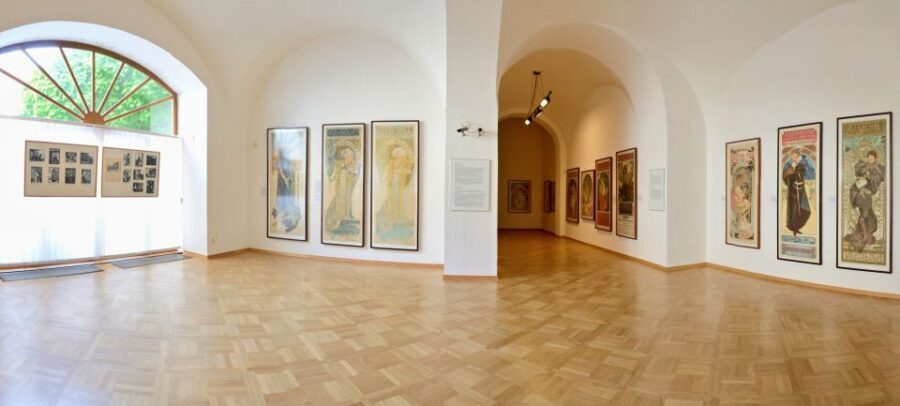
- Document-focused exhibits include letters, diaries, manuscripts, photographs, and drawings
- 3D installations plus audiovisual elements give the story a modern feel
- You explore independently inside, so pacing is up to you
- The space can feel tight, and some display items may have limited labeling
Entering the Franz Kafka Museum with a 20-minute kickoff
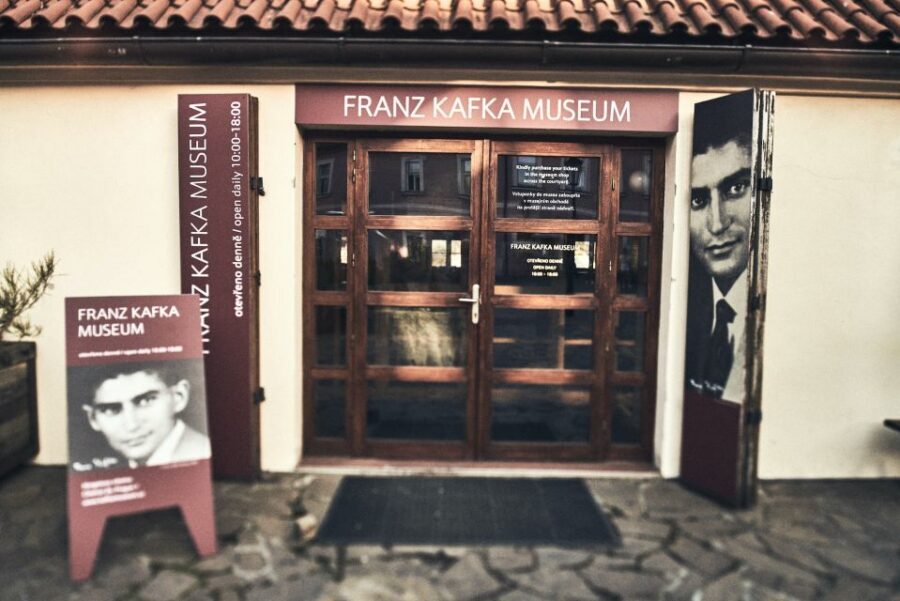
This experience starts with a short orientation outside the museum. You meet a guide who’s holding a yellow umbrella, and you receive a focused English briefing before you enter. That matters more than it sounds. A museum like this works best when you understand the thread connecting the exhibits—Kafka as a person, not just a name on a book spine.
The briefing is included and lasts about 20 minutes, which is a sweet spot. Long enough to get your bearings, short enough that you don’t lose your whole day to instructions. After that, the guide leaves you free to explore on your own. That’s a big deal for how you’ll experience the museum: you can slow down where you care most and skip what doesn’t grab you.
It’s also a smart structure if you’re visiting with your own priorities. If you’re there for writing and documents, you can linger. If you’re there for the media side, you can flow straight into the installations.
A few more Prague tours and experiences worth a look


Time-travel through Kafka’s Prague (1883–1924)
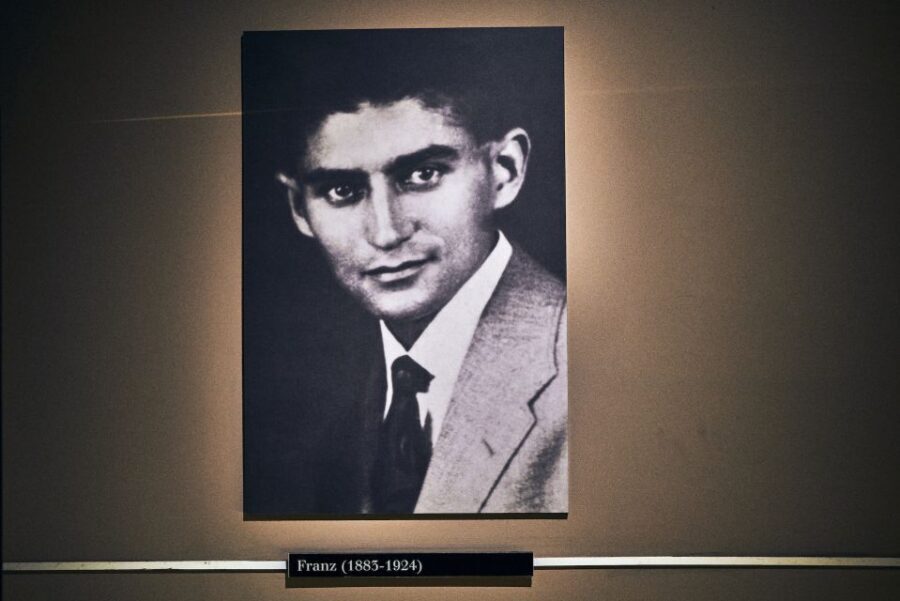
Once you enter, the museum frames the story around the period 1883–1924, when Kafka was alive. That date range isn’t just trivia—it helps you read the exhibits in sequence rather than as separate facts. You’re effectively walking through his life and work while the museum nudges you toward the connections between the man and the writing.
You’ll see Kafka presented as one of the great literary figures of the 20th century, and you’ll also get the key idea that he was born in Prague and lived there during those years. For me, that’s the value of this ticket: it doesn’t only treat him as a distant author. It brings the city back into the picture.
If you like museums that turn biography into something you can actually follow, this format works well. It’s not an all-day lecture. It’s a guided start plus self-paced exploration through the period and the objects.
Letters, diaries, manuscripts, drawings, and first editions
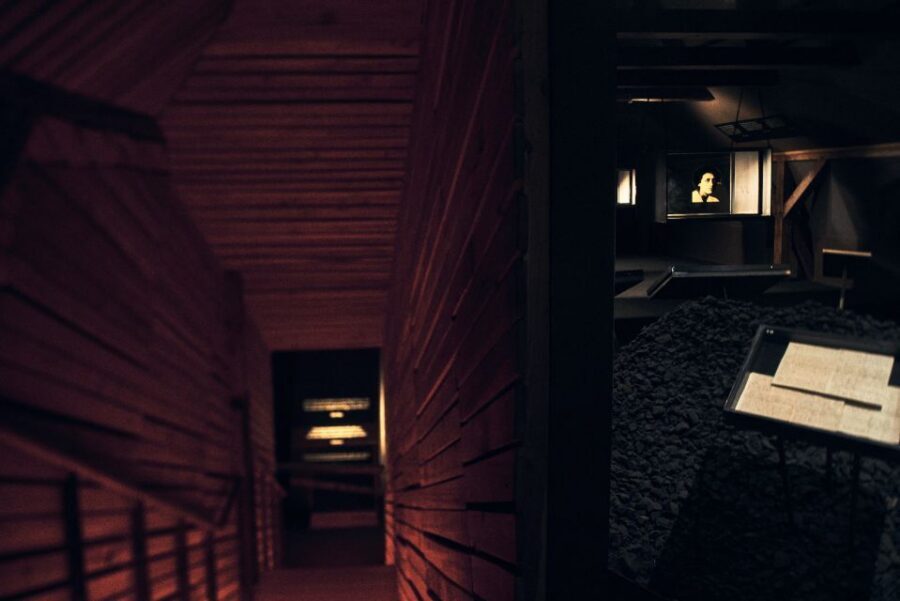
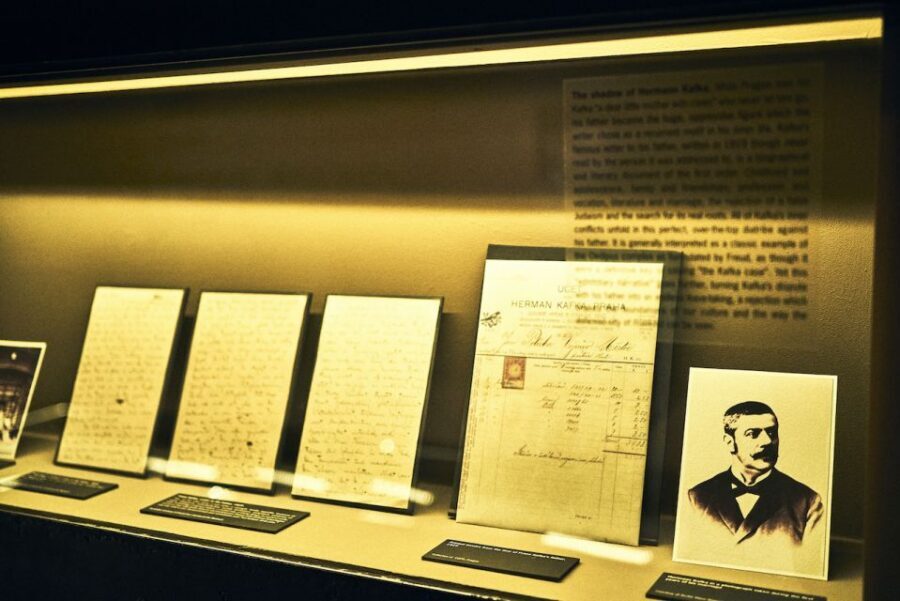
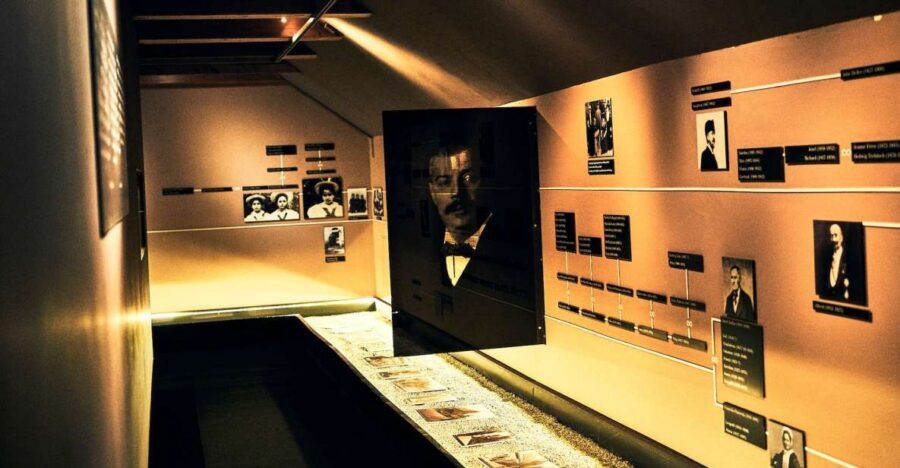
The heart of the museum is the writing and the evidence. The ticket gives you access to exhibits featuring letters, diaries, manuscripts, photographs, and drawings, plus first editions of Kafka’s works.
Here’s why that matters for your experience. When you’re used to reading Kafka on the page, you’re seeing a finished version of thought. In a museum setting, you get the feeling of how those thoughts were shaped—through drafts, personal notes, and the everyday artifacts that live behind public works. Even if you’re not a document-collector type, seeing the physical side of the writing helps you understand why his language hits the way it does.
A practical approach: spend your first half focusing on the written items—letters and manuscripts—before you move into images and media. That order helps the story stay coherent. When you later encounter audiovisual pieces, you’ll be able to connect what you’re hearing and seeing back to what you already learned from the written materials.
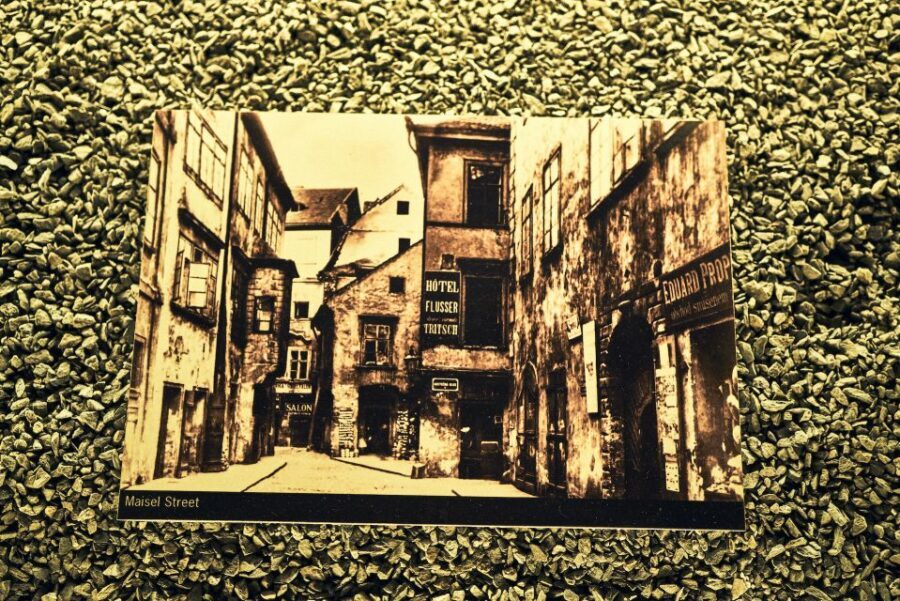
One caution based on real visitor feedback: not every photograph-style item comes with a lot of individual explanation. So if you’re photo-first curious, you’ll want to pay attention to the guide briefing outside, since that’s your best chance to build context before you go wandering through the exhibits.
3D installations, audiovisual pieces, and a soundtrack you can follow
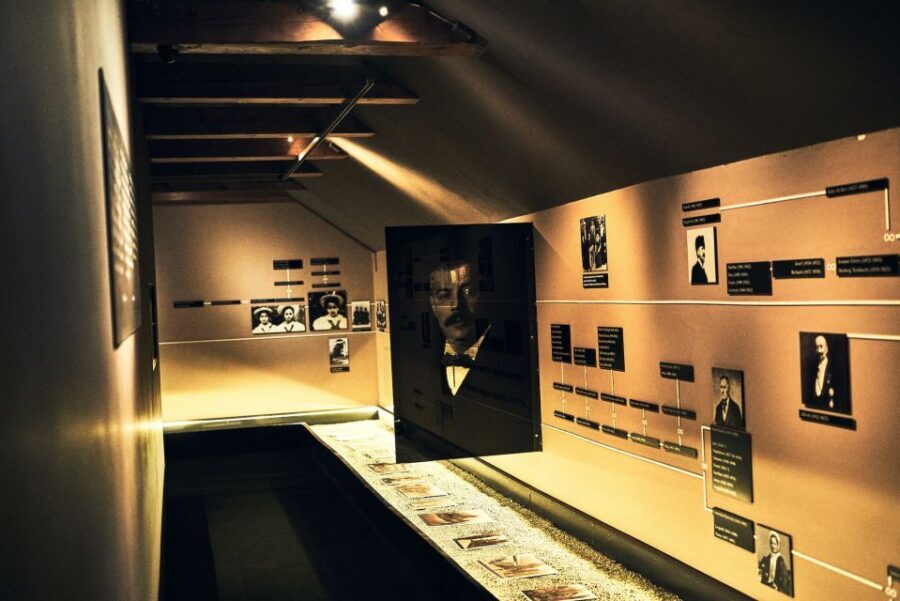
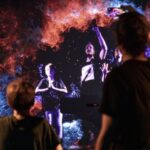
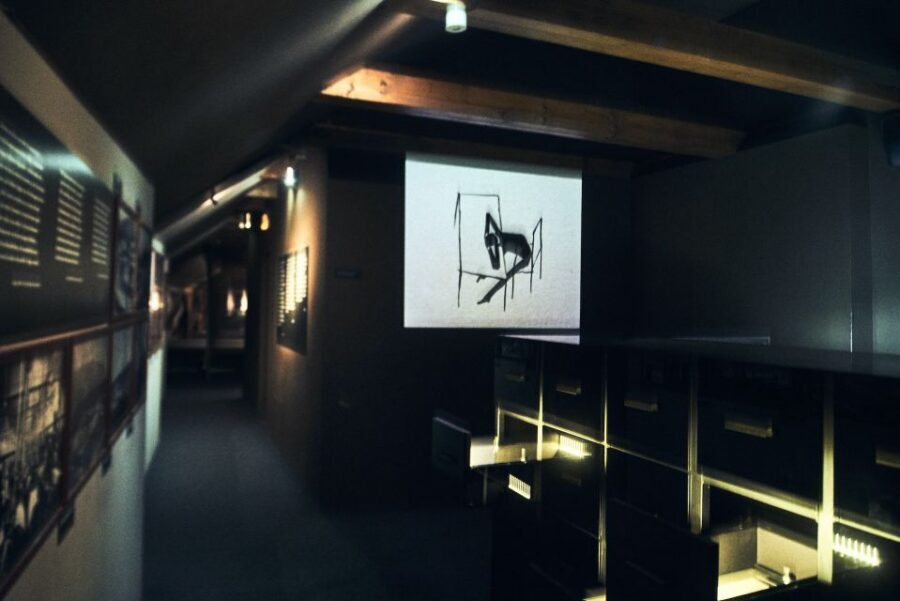
Beyond the paper trail, the museum uses 3D installations, audiovisual pieces, and a soundtrack specially created for the exhibition. This is where the museum shifts from archive to atmosphere.
Think of these elements as the museum’s way of translating inner experience into sensory cues. If you’re the kind of person who likes to see how museums tell stories (not just store objects), you’ll probably enjoy this side. The audio and screen components help you connect with the themes and mood that sit behind the writing.
Since the guide doesn’t stay inside, these media sections can be your mental reset. If you’ve been reading labels for a while, audio-visual exhibits can bring energy back. And because you set your own pace, you can do them when you’re ready instead of when a tour schedule forces it.
A small tip: don’t treat the media displays like background. If you pause long enough to watch and listen through, the museum’s soundtrack and visuals can make the timeline feel more alive. That’s especially useful in a compact space where you might be tempted to rush.
Museum size and crowds: how to plan your pace
This museum is not a sprawling building. It’s small enough that you can see a lot, but it can also feel crowded depending on when you go. That impacts how you should visit.
If you prefer calm, slow viewing, build your time around that. Plan to arrive when you’re not already stressed, and don’t schedule your tightest connections right after. You may want to spend the most time on the exhibits that directly match your interests—like letters and manuscripts—so you don’t feel pressured to sprint through everything.
Also remember the format: your guide is only with you for the kickoff outside, and there’s no guide inside the museum included. In a crowded environment, that changes the way you ask questions. Instead of expecting a staff member to guide you point-by-point, you’ll get the best value by using the briefing time well.
Here’s a simple strategy that works in small, busy spaces:
- First pass: quick scan to find the main objects you care about
- Second pass: slower return to the key sections (writing items and the media you want most)
That avoids the classic problem of trying to see all the exhibits at full attention in one go.
You can also read our reviews of more museum experiences in Prague


Price and value: what $28 gets you
At about $28 per person for this one-day ticket, the value comes from two things: (1) entry to the museum and (2) a guided introduction outside lasting around 20 minutes. The rest is self-guided, which can be a plus if you don’t want to stick with a group timeline inside.
If you’re the type who enjoys museum objects and wants the context to make them click, this price can feel fair. You’re paying for more than admission—you’re paying for that quick framing that helps you understand what you’re looking at when you step inside.
If you’re hoping for constant guiding while you browse, note what’s included and what isn’t. The ticket includes entrance, but it does not include a guide inside the museum. So if you want a fully guided tour experience, this might not match your expectations.
At the same time, independent exploration is often the best way to enjoy documents and media. You can spend time on the sections you care about most without being pulled along.
Who this fits best (and who should think twice)
This museum ticket is a strong match if you want a close, object-focused experience with a literary giant. You’re likely to enjoy it if you:
- care about letters, diaries, and manuscripts
- like the idea of mixing documents with 3D and audiovisual storytelling
- want a short guide briefing and then freedom to move at your own pace
It may be less satisfying if you’re highly sensitive to crowding or you prefer lots of individual labeling for every item (some photo-based exhibits may not come with much detailed description). In a small space, those two factors can shape how comfortable you feel.
If you’re visiting Prague and want a museum day that feels thoughtful rather than rushed, this fits nicely into a cultural plan.
Should you book Prague’s Kafka Museum tickets?
I’d book this ticket if you like museums that turn biography into tangible artifacts—especially when there’s a short, included orientation to help you interpret what you’re seeing. The combination of original-document-focused exhibits and media elements makes it more than a passive walk through cases.
Skip it or rethink your expectations if you need a guide inside the museum at every step, or if you know you dislike tight spaces when they get busy. In those cases, you might still enjoy the museum, but the overall setup could feel limiting.
FAQ
How long is the Franz Kafka Museum experience?
The ticket is listed as valid for 1 day, and the guided introduction outside the museum is about 20 minutes.
What is included with the ticket?
Your ticket includes entrance to the museum plus a 20-minute guided introduction outside the museum.
Is there a guide inside the museum?
No. The listing specifies that a guide in the museum is not included.
Where do I meet the guide?
Meet your guide at the museum, and look for the guide holding a yellow umbrella.
What language is the tour in?
The included host/greeter and briefing are in English.
What can I expect to see inside?
You can expect exhibits connected to Franz Kafka’s life and work, including letters, diaries, manuscripts, photographs, drawings, first editions, and 3D installations, audiovisual pieces, and a soundtrack.
How much does it cost?
The price is listed as $28 per person.
Can I cancel for a refund?
Yes. Free cancellation is offered up to 24 hours in advance for a full refund.
Can I reserve without paying immediately?
Yes. The listing offers Reserve now & pay later.
Are there different starting times?
The ticket is valid for 1 day, and you should check availability to see starting times.