REVIEW · PRAGUE
Terezin Concentration Camp – A town of rich and painful history
Book on Viator →Operated by Prague Tours by Tatiana · Bookable on Viator
Terezin turns history into something you can feel. This is a private, guided trip from Prague to Terezin, where the Nazi SS turned a fortress into a Jewish ghetto and, in another part of town, a brutal prison run through the Gestapo system. If you’re the kind of traveler who wants the why behind the place—not just the what—you’ll like how the day connects the sites you see with the fate that brought people there.
I like two things most: the small private group setup (up to 3) with hotel pickup and drop-off, and the way Tatiana and driver Victor keep the story clear and question-friendly. The one drawback is the obvious one: this is a somber visit with heavy subject matter, so plan for a day that asks for emotional stamina and moderate physical fitness.
In This Review
- Key takeaways before you go
- From Prague to Terezin: hotel pickup and a guided ride
- Main Fortress: the Jewish ghetto and the mechanics of confinement
- Small Fortress and the Gestapo Prison: terror in a purpose-built setting
- Crematorium and Magdeburg Barracks: what daily life could not escape
- Terezin as transit, not extermination: the key historical nuance you should hold onto
- How to prepare for a heavy day without ruining it
- Price and value for a private group up to 3
- Who this tour suits best (and who might want another option)
- Should you book Prague Tours by Tatiana?
- FAQ
- How long is the Terezin tour from Prague?
- What time does the tour start?
- Is this a private tour, and how many people go?
- Where do we meet for pickup?
- Is the tour offered in English?
- What is included, and what fees are not included?
- Do I need good weather or a certain fitness level?
- What if I need to cancel?
Key takeaways before you go
- Hotel pickup and drop-off make this easy from central Prague, so you’re not wrestling transit schedules.
- Private guide time helps you move at your pace and ask questions as you go.
- Main Fortress and Small Fortress give you the full picture of both the Jewish ghetto side and the Gestapo prison reality.
- The crematorium and Magdeburg Barracks are part of the core stops, so you see how daily life connected to deportations.
- A 6-hour duration keeps the visit substantial without turning it into an all-day grind.
From Prague to Terezin: hotel pickup and a guided ride
Your day starts with a pickup arranged in advance. You meet at the registration desk of your chosen hotel, then you head out with a private driver. The tour typically runs about 6 hours, starting at 9:00 am, so you’ll get to Terezin with enough daylight for the walk-through stops.
One detail I really appreciate on this kind of trip: the ride isn’t just transportation. Tatiana’s explanations on the way matter, because they help you understand what you’re about to see before you get hit with the physical reality. You’ll get cultural and historical context en route—useful because the Terezin story moves through multiple eras: fortress, garrison town, wartime prison, ghetto, then postwar significance.
And yes, the atmosphere shifts quickly once you arrive. Even if you’ve read about the Holocaust before, the layout and site design make it harder to stay abstract. You’re also with a small group, so your guide can slow down when something feels confusing—especially around the big historical distinctions.
You can also read our reviews of more historical tours in Prague
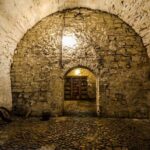
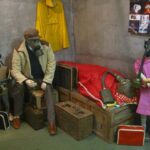
Main Fortress: the Jewish ghetto and the mechanics of confinement
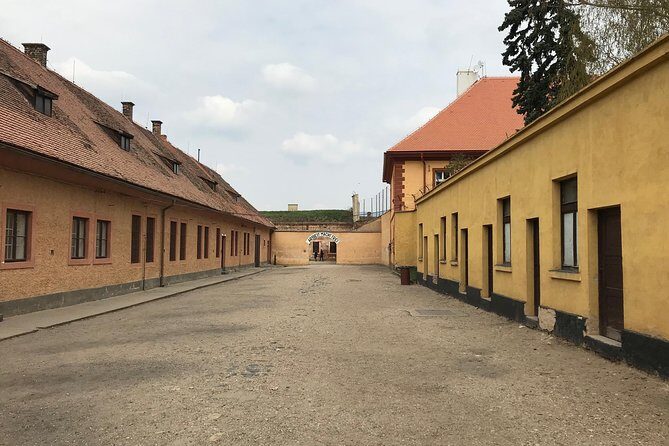
Terezin began as a fortress, named after Maria Theresa, and later became a garrison town, then a prison during World War I. By the time the Nazi SS occupied the area, the Main Fortress was converted into what was called a special Jewish ghetto. This is the part of the trip where you’ll spend time thinking about how a place built for defense became a tool for control, deprivation, and forced waiting.
What I find valuable here is how the guide connects the sites to the pattern of the war years. During the war, around 155,000 people were held in Terezin under desperate conditions. Many were awaiting transport east to death camps, and many—children included—died in Terezin itself. That line matters. Terezin wasn’t only a holding pen; it was also a site where suffering happened directly, not later.
As you move through the premises associated with the ghetto, you’ll want to keep a simple mental goal: don’t just look at buildings. Look for how people were limited—by space, by rules, by separation, by the sense that nothing was under their control. The guide’s job is to translate what you’re seeing into how life functioned there day to day: the routine, the restrictions, and the unbearable uncertainty.
The main benefit of a private guide is that you can ask follow-up questions when something feels contradictory. For example, Terezin had a fortress structure, but the Nazis used it for something completely different than its original purpose. You’ll get a clearer explanation of why that matters, not just a list of facts.
Small Fortress and the Gestapo Prison: terror in a purpose-built setting
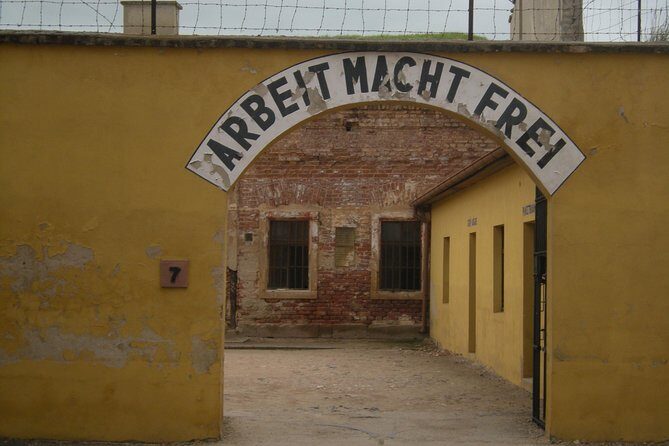
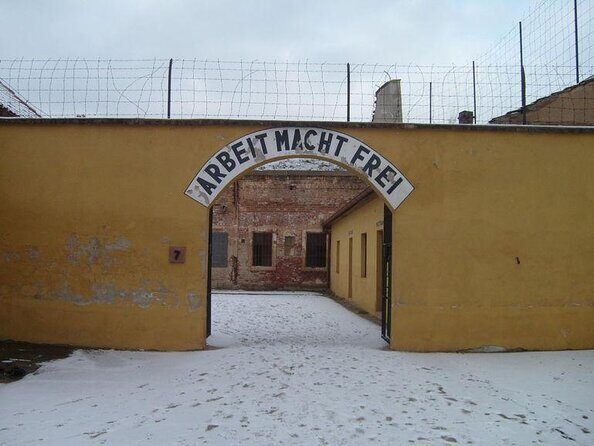
The Small Fortress is where the story turns sharper. While the Main Fortress became the Jewish ghetto area, the Small Fortress served as a cruel prison run by the Reich’s secret police—the Gestapo. This is where the visit becomes intensely about coercion and punishment rather than only confinement.
It helps to know what you’re looking at before you arrive. The guide sets the frame: Terezin’s fortifications were repurposed, and the Nazi system used different sections of the same wider site for different functions. That means you may feel a contrast as you go from ghetto-related areas to Gestapo spaces—one of the reasons a guided visit is so worthwhile. You’ll leave with an understanding of the division of roles inside the camp complex.
At the Gestapo prison stop, you’ll likely focus on how the place was meant to break people. Expect the tone to be somber and the explanations to be careful. There’s a difference between reading about persecution and standing in a space where the design itself reinforces that fear. This is also where patience from the guide really counts, because questions can come quickly. I appreciated that Tatiana was described as answering patiently, even when families traveled with kids who needed time to process the facts.
If you’re traveling with children, bring the mindset that this is a learn-with-support outing. The guide’s approach can help translate difficult content into something a young person can carry without shutting down the conversation.
Crematorium and Magdeburg Barracks: what daily life could not escape
Two of the most significant sites on this visit are the Crematorium and the Magdeburg Barracks. These stops matter because they point directly to what the ghetto system meant in practice: sickness, death, overcrowding, and the forced routines that connected confinement to transport.
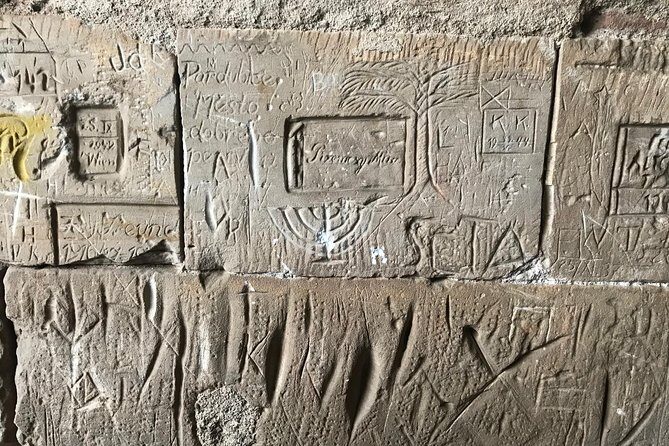
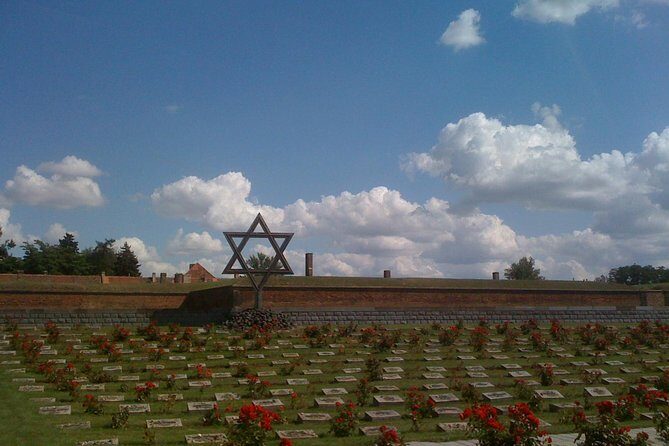
The crematorium component is often the hardest part for visitors, not because it adds new facts, but because it gives a physical anchor to the scale of death. Even when you understand historically that people were killed elsewhere, seeing the site details forces you to accept that people also died in Terezin itself.
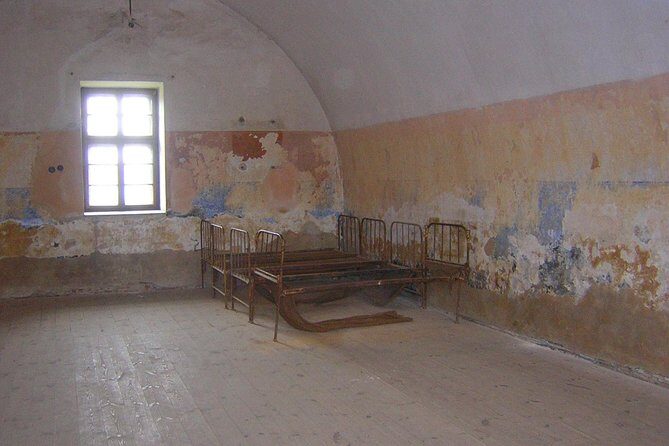
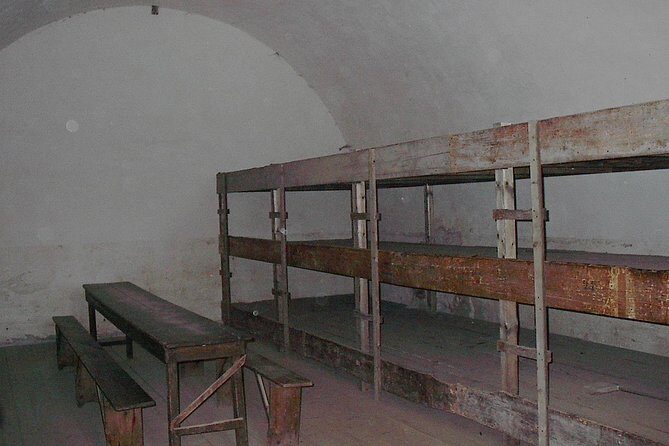
Then there’s the Magdeburg Barracks area, which is tied to how people were housed. Barracks stops tend to hit hard because they strip away any sense of distance. You’re dealing with the way bodies and space were managed—how people lived inside a system built to reduce their options. A good guide makes sure you don’t only feel shock. They also help you understand what conditions like overcrowding and deprivation did to daily life.
This is where the private format really pays off. If you’re the type who reads about history but still wants help understanding what you’re seeing, these stops give you that. You’ll have time to pause, ask questions, and connect the dots between different parts of the site: ghetto confinement, prison control, and the grim infrastructure that processed the realities of war.
One practical note: this part of the day may feel slower than you expect. Not because the tour drags, but because you’ll need a moment to catch up emotionally. I suggest building in small breaks when you can—just enough to reset and keep listening.
Terezin as transit, not extermination: the key historical nuance you should hold onto
Terezin is often discussed in the same breath as the big extermination camps, but it’s important to keep the distinction clear. Unlike Auschwitz, Terezin was not an extermination camp. Instead, it functioned as a transit camp, where Jews could be deported to death camps further to the east.
That nuance changes how you interpret what you see. You’re not only looking at a site where killing took place; you’re looking at a site designed to move people through the Nazi machine. The horror is still total, but the structure of the cruelty is different.
During your visit, you’ll get the context behind why this place became significant. There’s also a long pre-WWII backstory: the fortress was obsolete for its original defensive use, so it was repurposed again and again—first garrison, then WWI prison, then a Nazi occupation transformation into a ghetto and secret-police prison.
A guided visit helps you keep that timeline straight. Without context, it’s easy to treat Terezin as one thing. With context, you see it as a system with multiple functions, run by different Nazi structures operating inside the same built environment.
If you take only one idea home from the day, make it this: Terezin shows how the Nazi system used transit infrastructure and prison control to keep people trapped, waiting, and suffering—often until death, even before any deportations occurred.




How to prepare for a heavy day without ruining it
This isn’t a casual sightseeing loop. The subject matter is deeply upsetting, and the day is designed around significant locations tied to persecution. So preparation matters more than usual.
Here’s what I recommend based on how the tour is framed and how guides typically handle it:
- Bring emotional space. Plan not to stack another high-energy activity right after.
- Wear comfortable shoes and clothing that works outdoors, since the stops involve walking the grounds and moving between premises.
- Use your guide for clarity. If something feels confusing—like the difference between Main Fortress and Small Fortress—ask. That’s exactly what the private format is for.
Physical comfort also matters. The tour notes moderate physical fitness for travelers, so if you know you struggle with longer walks or uneven ground, consider whether a slower day helps your body. Service animals are allowed, which can be important for some travelers.
Also, plan for the weather. This experience requires good weather. If it’s canceled due to poor weather, you’ll be offered a different date or a full refund. Since it’s a long drive from Prague, it’s smart to treat the day as a real “go” plan—try not to schedule tight connections immediately afterward.
Price and value for a private group up to 3
The price is $236.59 per group (up to 3) for about 6 hours, and the experience includes private transportation plus hotel pickup and drop-off. That matters because it turns a complicated logistics day into something simple: you’re collected, driven, guided, and returned.
Value comes down to how you travel:
- If you’re 2 or 3 people, splitting the group cost makes the private guide feel more practical. You’re paying for time with a specialist rather than waiting your turn with a bigger tour.
- If you’re traveling solo, it may feel more expensive than shared-shuttle options. But you’re still paying for a guided, emotionally sensitive experience with pickup included.
From what I’ve seen in how Tatiana and Victor handle the day, you’re also buying more than basic narration. The drive context, the ability to ask questions, and the calm way difficult topics are handled are the real value. One review example highlighted how Tatiana accommodated an afternoon shift so a son could join, and also handled questions patiently during a tour with kids. That tells me the guide’s approach is built for real families, not just quiet adults.
So if you care about meaning, not just motion, this format is worth a serious look.
Who this tour suits best (and who might want another option)
This tour fits best if you want:
- A private guide who can explain the Holocaust context and daily-life details connected to the main sites.
- A focused visit of the most significant premises, including the Gestapo prison, the crematorium, and the Magdeburg Barracks.
- A smooth day trip from Prague that doesn’t require you to plan transportation yourself.
It may feel less suitable if you:
- Need an upbeat, light day. This is heavy history, and the atmosphere stays serious.
- Have limited mobility and can’t manage a day with a moderate fitness requirement. The tour does not promise a sit-everywhere style experience.
If you’re bringing kids, consider age and emotional readiness. The guide’s patient answers can help, but you still need to choose whether your children are prepared for the topic.
Should you book Prague Tours by Tatiana?
Yes—if you want a guided, humane, and logically structured visit to one of the most important sites connected to Nazi occupation and the Holocaust. The private setup, hotel pickup, and focused stops give you less stress and more understanding. You’ll leave with clearer context about what Terezin was: a Jewish ghetto and a Gestapo prison complex, tied to a larger Nazi system of confinement and deportation, and distinct from extermination camps.
If you’re comfortable with the emotional weight and you want to ask questions as you go, this is the right kind of day trip.
FAQ
How long is the Terezin tour from Prague?
It runs for about 6 hours.
What time does the tour start?
The start time is 9:00 am.
Is this a private tour, and how many people go?
Yes. It is private, and only your group participates, up to 3 people.
Where do we meet for pickup?
You meet all guests at the registration desk of the hotel of your choice. Pickup time and date are arranged in advance.
Is the tour offered in English?
Yes, it is offered in English.
What is included, and what fees are not included?
Included are the services of a private tour guide and pickup and drop-off at your hotel, plus private transportation. All fees and taxes are not included.
Do I need good weather or a certain fitness level?
The experience requires good weather. Travelers should have a moderate physical fitness level. Service animals are allowed.
What if I need to cancel?
You can cancel for a full refund if you do it up to 24 hours in advance of the experience start time.