REVIEW · PRAGUE
Museum Story of Prague
Book on Viator →Operated by Fun in Prague, s.r.o. · Bookable on Viator
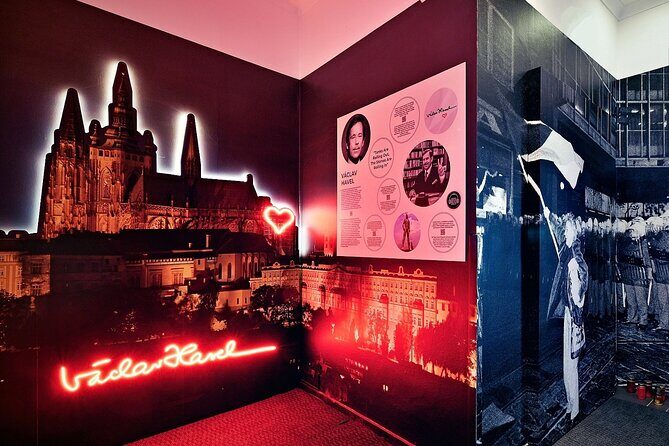
A walk into Prague’s past is right here. The Story of Prague museum uses interactive displays, film installations, audio elements, and even mixed reality to move you through the city’s big moments, from knights and kings to Jan Žižka and the Hussites, then on to Nazi and Soviet occupation, the bombing of Prague, and the Velvet Revolution. I like the way the timeline stays active and you get memorable set-pieces like the dimly lit Golem scene and a hidden room with unique exhibits you won’t spot in photos, but one drawback is that the QR codes can feel like overkill if you prefer to read less and walk more.
You’ll get an organized route through three floors of scenes rather than a quiet, do-nothing gallery visit. It runs about 1 hour 30 minutes, includes admission, and uses a mobile ticket, so it’s easy to fit into a busy Prague day without extra admin. One thing to consider: if you’re sensitive to darker themes like occupation and bombing, you’ll still be seeing them in an educational, story-driven way, not gore or reenactments.
In This Review
- Key things to know before you go
- The museum approach: story-first history in 90 minutes
- What you’ll see on the first floor: kings, Hussites, and Prague’s clocks
- A small pacing tip for the QR-code-heavy feel
- The second floor: occupation and devastation, told as a timeline you can follow
- What to consider if you want a lighter day
- The third floor: the Velvet Revolution and what Czech achievements mean
- The hidden room: why unique exhibits change the value of a museum visit
- Interactive mixed reality, film, and audio: how it works (and where it may annoy you)
- Price and value: $19.27 for admission-included storytelling
- When to schedule it in your Prague day
- Should you book the Story of Prague Museum?
- FAQ
- How long is the Story of Prague Museum experience?
- What time does it start?
- What is the price per person?
- Is admission included?
- Do I need a printed ticket?
- Where do I meet for the tour?
- Is the experience suitable for most travelers?
- What historical topics does the museum cover?
- Can I cancel for free?
- When should I book it?
Key things to know before you go
- Three floors, one timeline: knights and medieval Prague progress to 20th-century occupation and then the Velvet Revolution.
- Golem moment in dim halls: a towering figure of the Golem anchors the folklore side of the story.
- Interactive, not just glass cases: film, audio, and mixed reality keep things moving.
- Knights, Hussites, and real Prague landmarks: you connect Jan Žižka and the Hussites to places like the Old Town Hall and Astronomical Clock.
- A hidden room: it’s part of the experience and includes exhibits you may not find in photos.
- QR codes can slow your pace: if scanning isn’t your thing, plan to use it selectively.
The museum approach: story-first history in 90 minutes
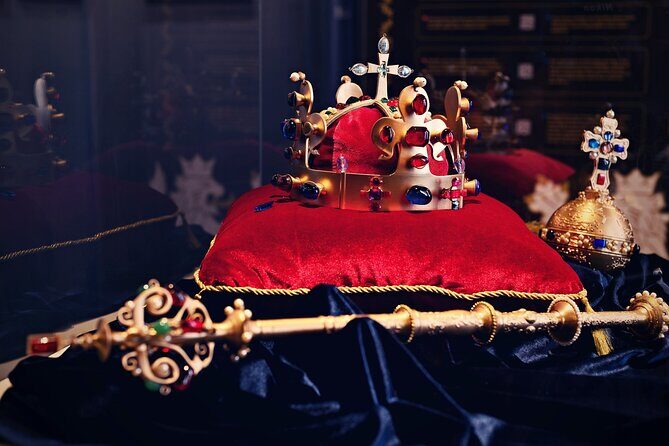
The Story of Prague Museum is designed like a guided narrative you walk through on your own. Instead of being trapped in front of plaques, you move through themed rooms that pair historical moments with media and interactive elements. That matters because Prague can feel like a lot of surfaces—churches, bridges, towers—and this gives you a reason to care about what you’re seeing.
I also like that the museum doesn’t treat Prague history as one long “then this happened” chain. It separates eras into distinct floor sections, so your brain can switch gears: medieval politics and legends on one level, 20th-century hardship on another, then the post-1989 turning point. That structure makes it easier to remember what you just walked through.
The practical upside is time. At about 1 hour 30 minutes, you can do it between major sightseeing blocks without guilt. You’ll want to treat it as a focused visit, not a casual stroll where you stop for five minutes and somehow absorb everything.
You can also read our reviews of more museum experiences in Prague

What you’ll see on the first floor: kings, Hussites, and Prague’s clocks
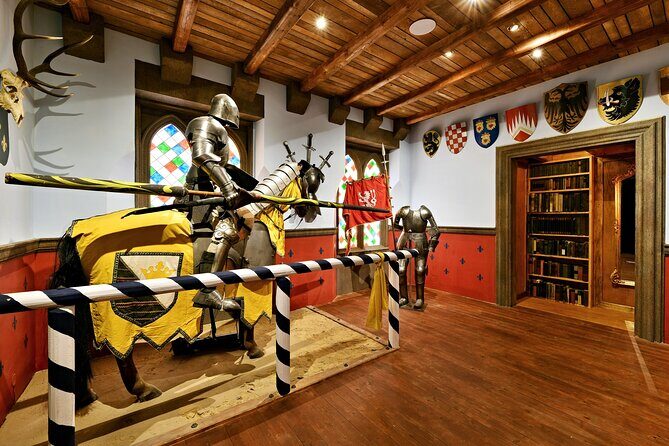
The first floor sets the tone with Prague’s medieval story, mixing big names, major conflicts, and iconic city landmarks. Expect scenes about knights and kings, and then a turn toward Jan Žižka and the Hussites—a dramatic chapter that helps explain how Prague’s religious and political tensions shaped the city.
Then comes a darker medieval theme: medieval torture is addressed, but without practical demonstrations. That’s important. You’re getting history and context, not shock value, so you can handle it if you’re comfortable with sensitive topics, but you’re not forced into anything explicit.
From there, the museum connects the era to Prague’s architecture. You’ll revisit the construction of the Old Town Hall and the Astronomical Clock, which is useful because those are things you’ll likely see later outside the museum. When a museum links a landmark to a timeline, your outdoor experience gets better. You’re not just looking at a pretty clock tower—you’re thinking about why it mattered.
And then there’s the folklore piece: in the dimly lit halls, a towering Golem figure stands silently. Even if you don’t know the legend well, it works as a memory hook. It’s the kind of moment that makes people pause, look around, and actually feel the mood of Prague’s older myths.
A small pacing tip for the QR-code-heavy feel
One review called out a very real issue: QR codes can be overdone on the first floor. If you’re the type who hates scanning, don’t try to complete every prompt. Use QR code moments sparingly, and lean on the museum’s overall story flow instead. You’ll still get the timeline without turning it into a homework assignment.
The second floor: occupation and devastation, told as a timeline you can follow
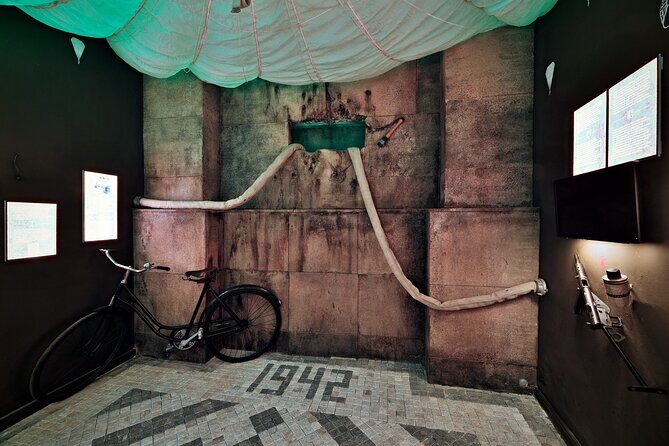
The second floor shifts to the hard 20th-century chapters—Nazi occupation, the bombing of Prague, and the Soviet occupation. This is where the museum earns its seriousness. The story isn’t only dates; it’s the sense that Prague went through forces it couldn’t control, again and again.
What I appreciate is the way the experience stays structured. Because the museum organizes these events into a clear floor progression, you don’t feel lost. You’re moving from one theme to the next, so the emotional weight doesn’t become confusing or repetitive.
This floor is also useful if you want context for what you’ll see in Prague later. Even if you don’t plan to visit a memorial on this day, the museum gives you the background to understand why certain parts of the city carry meaning beyond their architecture.
What to consider if you want a lighter day
This is history with dark content. The museum presents it as educational storytelling rather than spectacle, but you should still expect serious moments. If your ideal Prague day is all sunshine and views, you might pair this museum with something calmer after. If you’re okay with heavier themes, you’ll likely find this floor is one of the most powerful parts.




The third floor: the Velvet Revolution and what Czech achievements mean
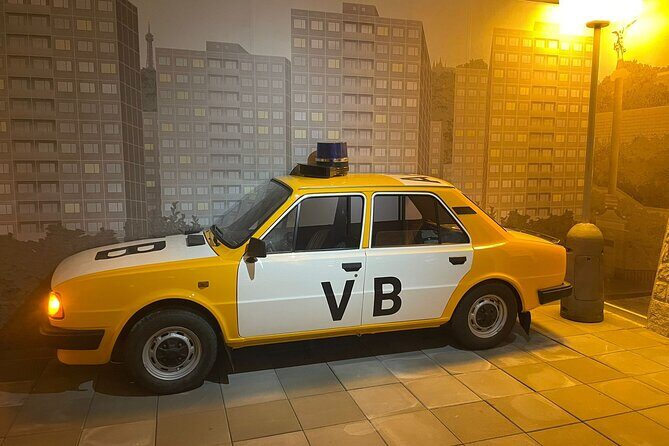
On the third floor, the museum turns toward the postwar-to-present arc, spotlighting the Velvet Revolution and Czech achievements on the global stage. This section doesn’t just tell you that change happened—it helps you feel the direction shift from oppression toward transformation.
That matters because Prague history isn’t only tragedies and emperors. The city also has a modern identity shaped by protest, politics, and cultural confidence. Seeing that in the final floor can make the earlier hardship feel less like a dead end and more like a chapter with consequences.
It’s also a good mental reset. After the second floor’s heavy themes, you want a place where the story resolves into something that feels forward-looking. This part of the museum is designed to give you that outlet.
The hidden room: why unique exhibits change the value of a museum visit
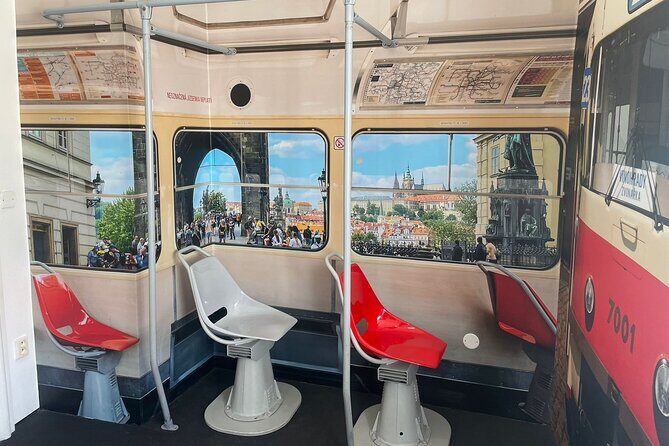
One of the strongest value points here is the hidden room. You’ll also encounter unique exhibits that aren’t captured well in typical photos. That detail matters for practical decision-making: museums that rely only on what you can already see online tend to disappoint.
A hidden room creates two benefits. First, it makes the visit feel like a real experience rather than a slideshow you could have guessed from the internet. Second, it increases your odds of leaving with at least one surprising memory, even if you’ve read a bit about Prague history already.
This is also where an interactive approach helps most. When you’re shown something that can’t be fully communicated by an image, you’re more likely to pay attention and remember.
Interactive mixed reality, film, and audio: how it works (and where it may annoy you)
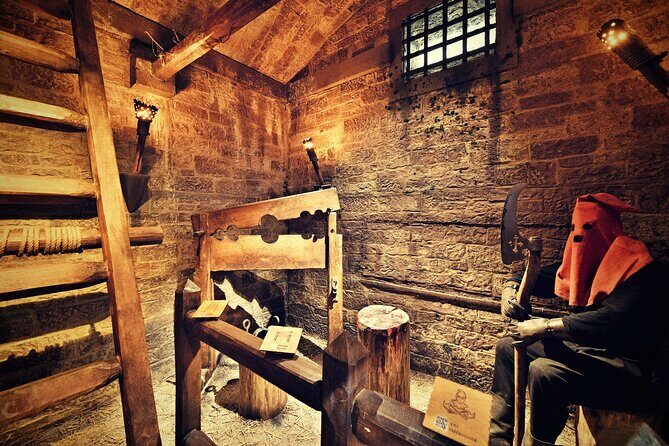
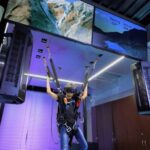
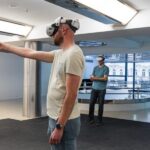
The museum blends mixed reality with authentic storytelling using film installations and audio elements. The goal is simple: keep the timeline alive and make you feel like you’re stepping through events rather than just reading labels.
That’s a win if you learn better through motion and sound. Film and audio can also reduce the “museum fatigue” that happens when you’re staring at text for too long. And if you’re traveling in a group with different interests—one person loves medieval stuff, another wants modern history—this style can cover both.
The possible drawback is the same thing that helps: technology prompts. Some QR codes may feel like extra steps. If you’re traveling with limited patience for scanning, focus on the main story flow and the big scenes like the Golem and the major era transitions. The overall narrative is the point, not completing every interaction.
Price and value: $19.27 for admission-included storytelling
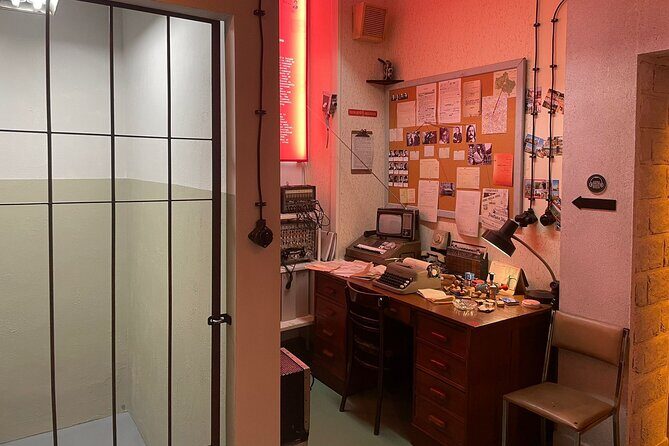
At $19.27 per person for about 1 hour 30 minutes, you’re paying for a packaged experience with admission included. The value isn’t just the price—it’s what you get for that time. You’re not buying a quick room with a few panels; you’re buying a three-floor timeline experience that includes media elements and interactive features.
Also, it’s booked fairly often, with an average booking window of about 12 days in advance. That’s a hint to plan ahead. If you wait until the last minute, you may have fewer choices on when to fit it into your schedule.
If you like museums that feel active—less “quiet gallery,” more “story-driven walkthrough”—this tends to be a strong deal. If you strongly prefer traditional displays with minimal tech, the QR code factor might affect your enjoyment, even if the historical content is solid.
When to schedule it in your Prague day
Because it’s near public transportation and starts at 10:00 am, it works well early. Doing it in the morning can help you understand the city before you start bouncing between monuments. If you visit the Astronomical Clock area or the Old Town Hall later, you’ll have a timeline in your head, not just a landmark in your photos.
It’s also a good choice if weather is tricky. Prague days can swing between perfect and rainy. An indoor, story-based museum visit gives you a reliable block.
The biggest scheduling advice: treat the museum as your anchor. If you cram it between loud street walks and long lines, you might feel rushed. Give it enough mental space so the timeline hits.
Should you book the Story of Prague Museum?
I’d book this if you want Prague history in a format that feels like you’re walking through a narrative—complete with film, audio, mixed reality, and standout scenes like the Golem and the hidden room. The medieval-to-modern timeline structure also helps if you don’t want to build your own self-guided lesson.
Skip it or approach with caution if you strongly dislike interactive prompts and QR scanning. The content is wide-ranging, but the tech layer can slow down your pace, especially on the first floor.
If you’re debating based on value: $19.27 for admission-included, roughly 90 minutes of themed floors is fair—especially if you want a museum that’s active instead of passive.
FAQ
How long is the Story of Prague Museum experience?
It’s approximately 1 hour 30 minutes.
What time does it start?
The start time listed is 10:00 am.
What is the price per person?
The price is $19.27 per person.
Is admission included?
Yes. Admission Ticket Included is part of the experience.
Do I need a printed ticket?
No. It uses a mobile ticket.
Where do I meet for the tour?
You’ll start at the meeting point provided for the experience, and it’s noted as being near public transportation.
Is the experience suitable for most travelers?
It says most travelers can participate.
What historical topics does the museum cover?
You’ll see themes from knights and kings, Jan Žižka and the Hussites, the Old Town Hall and Astronomical Clock, medieval torture (without practical demonstrations), Nazi occupation, bombing of Prague, Soviet occupation, the Velvet Revolution, and Czech global achievements.
Can I cancel for free?
Yes. It offers free cancellation up to 24 hours in advance for a full refund.
When should I book it?
On average, it’s booked 12 days in advance, so booking ahead is a good idea if you want solid scheduling options.